All About Antioxidants and Where to Find Them
7 November 2026
Antioxidants have become a buzzword in health and wellness circles, often touted for their potential benefits in fighting disease and promoting longevity. But what are antioxidants, how do they work, and where can you find them? This article dives deep into the world of antioxidants, offering a comprehensive look at their role in health, sources, and practical advice for incorporating them into your diet.
What Are Antioxidants?
Antioxidants are compounds that protect your cells from damage caused by free radicals. Free radicals are unstable molecules that can cause oxidative stress, leading to cellular damage and contributing to various diseases, including cancer, heart disease, and neurodegenerative disorders. Antioxidants neutralize these free radicals, effectively reducing the risk of these conditions.Types of Antioxidants
Antioxidants can be classified into two main categories: enzymatic and non-enzymatic.1. Enzymatic Antioxidants: These are produced by the body and include enzymes like superoxide dismutase, catalase, and glutathione peroxidase. They play a crucial role in detoxifying harmful substances and maintaining cellular health.
2. Non-Enzymatic Antioxidants: These are obtained through diet and include vitamins, minerals, and phytochemicals. Common non-enzymatic antioxidants include:
- Vitamin C: Found in citrus fruits, strawberries, and bell peppers.
- Vitamin E: Present in nuts, seeds, and vegetable oils.
- Beta-carotene: Abundant in carrots, sweet potatoes, and leafy greens.
- Selenium: A mineral found in Brazil nuts, seafood, and grains.
- Flavonoids: Found in a variety of fruits, vegetables, tea, and red wine.
The Role of Antioxidants in Health
Fighting Oxidative Stress
Oxidative stress occurs when there is an imbalance between free radicals and antioxidants in the body. This condition can lead to chronic inflammation, which is linked to numerous health issues. By consuming a diet rich in antioxidants, you can help mitigate oxidative stress and promote better health.Supporting Immune Function
Antioxidants play a vital role in supporting the immune system. For example, vitamin C is known to enhance the function of immune cells, improving the body's ability to fight infections. A strong immune system is essential for overall health, especially during cold and flu seasons.Reducing the Risk of Chronic Diseases
Research suggests that a diet high in antioxidants may reduce the risk of chronic diseases. For instance, several studies have linked higher antioxidant intake to a lower risk of heart disease. Antioxidants can improve endothelial function, reduce inflammation, and lower blood pressure, all of which contribute to cardiovascular health.Promoting Healthy Aging
As we age, our bodies become less efficient at producing antioxidants, making dietary sources increasingly important. Antioxidants can help combat age-related decline by protecting cells from damage. For example, flavonoids found in berries have been shown to improve brain health and cognitive function in older adults.
Where to Find Antioxidants
Incorporating a variety of antioxidant-rich foods into your diet is the best way to ensure you are getting these vital compounds. Here are some excellent sources of antioxidants:Fruits
Fruits are among the richest sources of antioxidants. Some top choices include:- Berries: Blueberries, strawberries, and raspberries are packed with antioxidants, particularly anthocyanins, which give them their vibrant colors.
- Citrus Fruits: Oranges, lemons, and grapefruits are high in vitamin C, a powerful antioxidant.
- Cherries: These fruits contain a range of antioxidants, including vitamin C and polyphenols.
Vegetables
Vegetables are another great source of antioxidants. Some noteworthy options include:- Leafy Greens: Spinach, kale, and Swiss chard are rich in vitamins A, C, and E.
- Cruciferous Vegetables: Broccoli, Brussels sprouts, and cauliflower contain sulforaphane, an antioxidant that may have cancer-fighting properties.
- Beets: These root vegetables are high in betalains, which have antioxidant and anti-inflammatory effects.
Nuts and Seeds
Nuts and seeds are not only nutritious but also packed with antioxidants. Consider including:- Walnuts: High in polyphenols and vitamin E, walnuts are great for heart health.
- Almonds: A good source of vitamin E, almonds can help protect cells from oxidative damage.
- Chia Seeds: These tiny seeds are rich in antioxidants and omega-3 fatty acids.
Whole Grains
Whole grains are often overlooked but are an excellent source of antioxidants. Foods like oats, quinoa, and brown rice contain various phytochemicals that can help reduce oxidative stress.Beverages
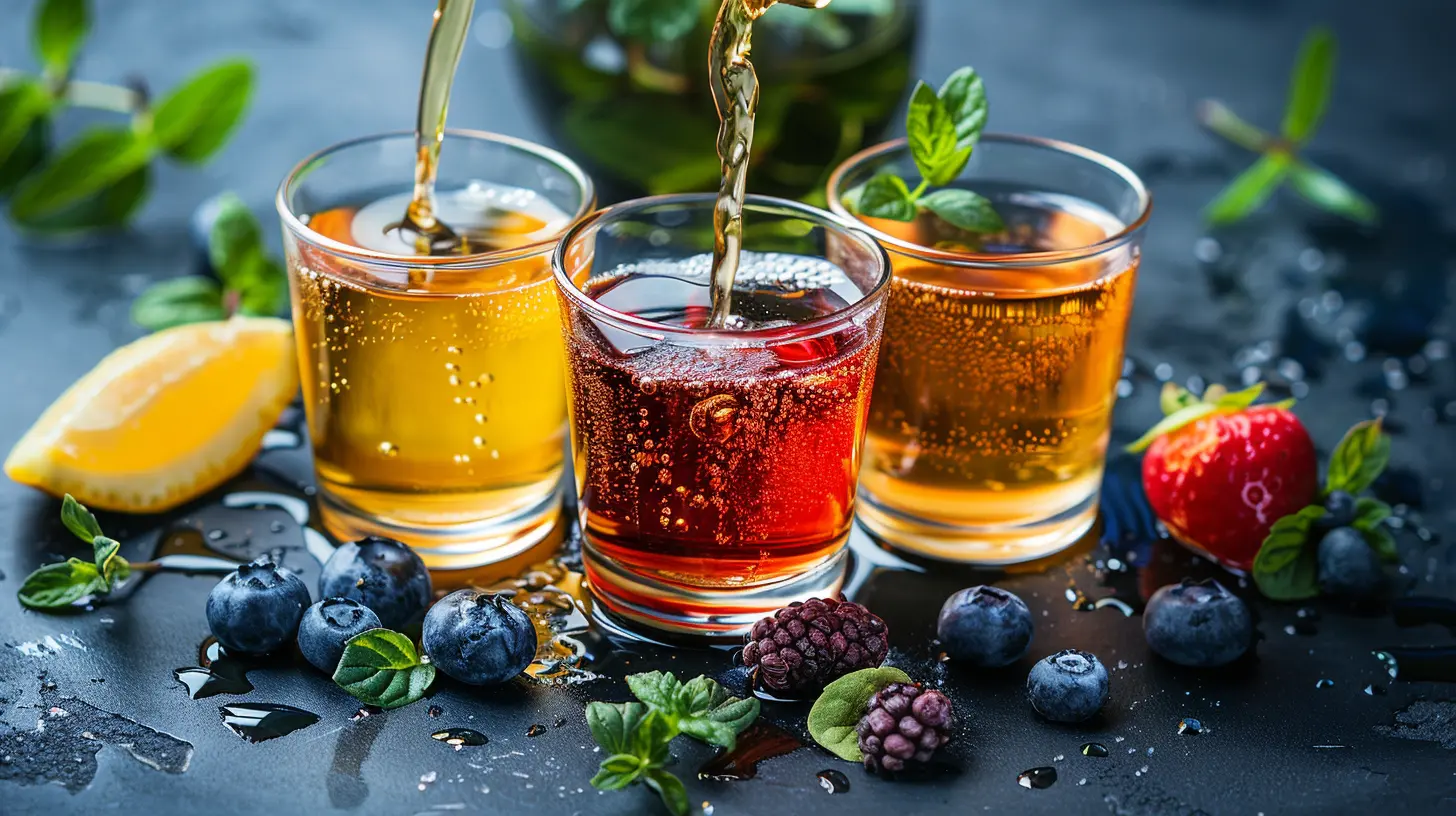
Certain beverages are also rich in antioxidants. These include:- Green Tea: Known for its high levels of catechins, green tea is a powerful antioxidant drink.
- Coffee: Surprisingly, coffee is one of the largest sources of antioxidants in many diets, thanks to its high levels of polyphenols.
- Red Wine: In moderation, red wine can provide resveratrol, an antioxidant linked to heart health.
Common Misconceptions About Antioxidants
Despite the wealth of information available, several misconceptions about antioxidants persist. Here are a few to clarify:More Is Not Always Better
While antioxidants are beneficial, consuming them in excess does not necessarily lead to better health outcomes. High doses of antioxidant supplements can sometimes have adverse effects. For example, excessive vitamin E supplementation has been linked to an increased risk of bleeding. It is generally best to obtain antioxidants through a balanced diet rather than supplements.Antioxidants Are Not a Cure-All
Some people believe that simply consuming antioxidants will protect them from all diseases. While antioxidants play a significant role in health, they are just one piece of the puzzle. A holistic approach that includes regular exercise, a balanced diet, and adequate sleep is essential for overall well-being.All Antioxidants Are Created Equal
Not all antioxidants have the same effects. Some are more potent than others, and their activity can vary based on the source. For example, the antioxidants found in fruits and vegetables may offer more health benefits than those in processed foods. Prioritizing whole foods over supplements is generally a better strategy.Practical Tips for Incorporating Antioxidants into Your Diet
Diversify Your Plate
Aim to include a wide variety of colorful fruits and vegetables in your meals. Different colors often indicate different types of antioxidants, so a rainbow on your plate means a broader range of nutrients.Snack Smart
Choose antioxidant-rich snacks like nuts, berries, or dark chocolate instead of processed snacks. These options not only provide antioxidants but also offer healthy fats and fiber.Experiment with Cooking Methods
How you prepare your food can affect its antioxidant content. For example, steaming vegetables can help retain more nutrients compared to boiling. Similarly, cooking tomatoes increases the availability of lycopene, an antioxidant.Stay Hydrated with Antioxidant Beverages
Incorporate antioxidant-rich beverages like green tea or smoothies made with fruits and leafy greens into your daily routine. These drinks can be a delicious way to boost your antioxidant intake.Mind Your Supplements
If you consider taking antioxidant supplements, consult with a healthcare provider first. They can help you determine if supplements are necessary based on your individual health needs and dietary habits.
Conclusion
Antioxidants are essential for maintaining health and preventing disease. By understanding what they are, how they work, and where to find them, you can make informed dietary choices to boost your antioxidant intake. Remember to focus on a balanced diet rich in whole foods, and consider lifestyle factors that contribute to overall well-being.Incorporating a variety of colorful fruits, vegetables, nuts, and whole grains into your meals can help you harness the power of antioxidants. While supplements can be tempting, they should not replace a healthy diet. Prioritize whole foods and stay mindful of your overall lifestyle choices for the best health outcomes.
all images in this post were generated using AI tools
Category:
Balanced DietAuthor:

Jackson Mahoney