Alternative Therapies Going Mainstream by 2027
9 September 2026
The boundary between conventional medicine and alternative therapies is dissolving faster than most people realize. For decades, practices like acupuncture, herbal medicine, and mindfulness were viewed with skepticism by mainstream healthcare providers, often dismissed as placebo or pseudoscience. That era is ending. By 2027, we will not simply see more alternative therapies being offered alongside standard care; we will see them integrated into clinical protocols, covered by major insurers, and recommended by primary care physicians as first-line or adjunct treatments. This shift is not driven by fashion or wellness influencers. It is driven by data, patient demand, economic pressure, and a genuine re-evaluation of what good healthcare looks like.
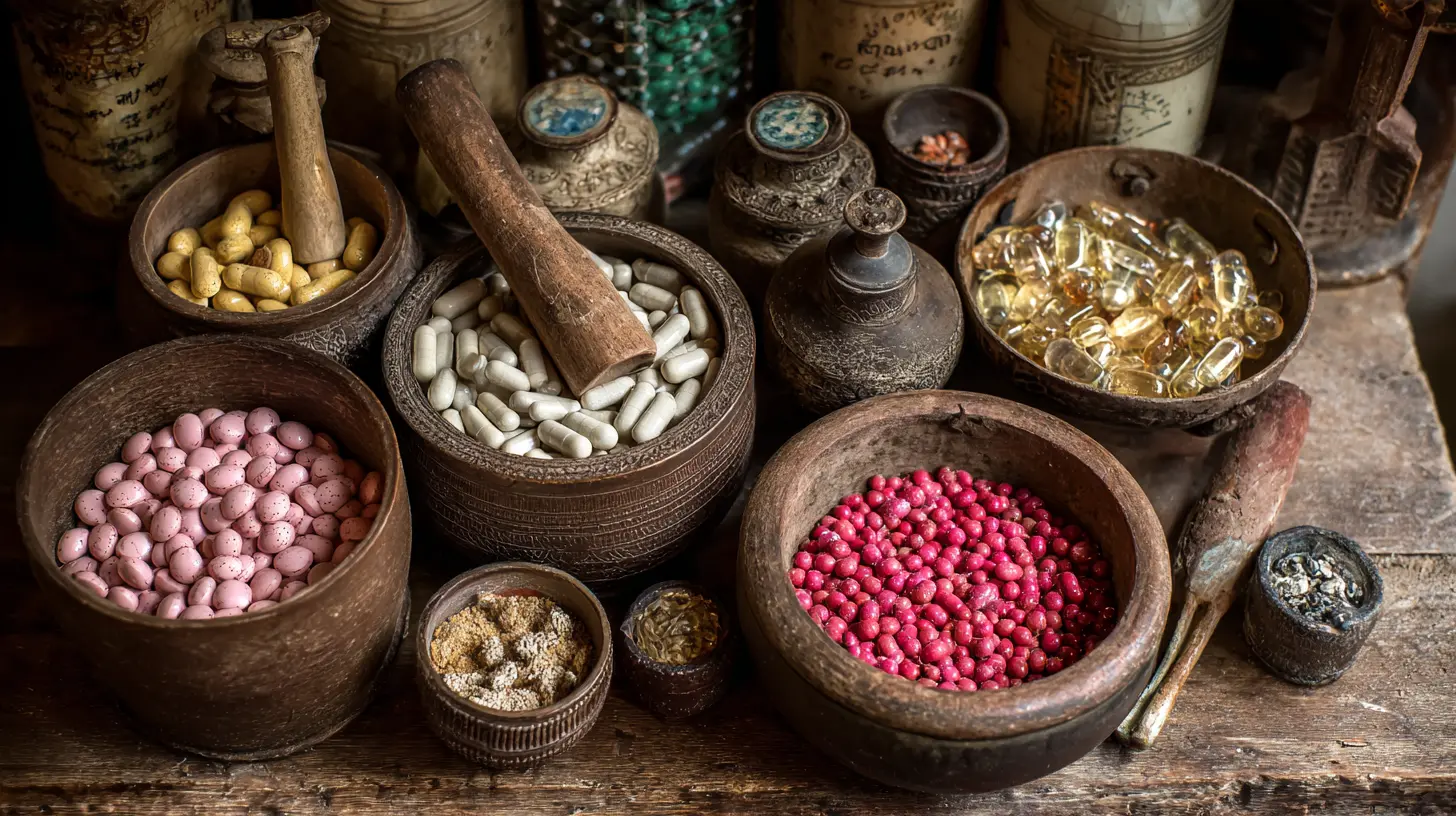
Why This Shift Is Happening Now
The current healthcare system is strained in ways that were unimaginable even a decade ago. Chronic diseases account for the majority of healthcare spending, and conventional treatments for conditions like chronic pain, anxiety, and autoimmune disorders often fall short. Opioid crises, rising drug costs, and the side effects of long-term pharmaceutical use have left both patients and providers searching for alternatives that are safer, cheaper, and often more effective for certain conditions.At the same time, the evidence base for many alternative therapies has matured. We are no longer relying on anecdote or tradition. Randomized controlled trials, meta-analyses, and mechanistic studies have begun to clarify how and why practices like acupuncture, yoga, and certain botanical medicines work. This does not mean every alternative therapy is valid, but it means that a growing subset has crossed a threshold of credibility that cannot be ignored.
Another major driver is generational change. Millennials and Gen Z are the first generations to grow up with digital access to health information, and they are far more willing to question medical authority. They want treatments aligned with their values: natural, personalized, and minimally invasive. They are also willing to pay out of pocket, which has created a massive market that traditional healthcare systems are now trying to capture rather than fight.
Finally, there is a financial argument. Preventive and lifestyle-based therapies, when used appropriately, can reduce hospital readmissions, lower prescription drug use, and decrease the burden of chronic illness. Insurance companies and hospital systems are beginning to see alternative therapies not as a cost, but as a cost-saving measure. By 2027, this economic logic will be impossible to ignore.
The Therapies Most Likely to Enter the Mainstream
Not every alternative therapy will make the jump. Some lack evidence, some are too difficult to standardize, and some simply do not fit into clinical workflows. But several have clear momentum and are likely to be standard offerings within three years.Acupuncture for Pain Management
Acupuncture has been used for thousands of years in Chinese medicine, but its integration into Western healthcare has been slow and uneven. The turning point came when the U.S. military began using acupuncture for battlefield pain, and when the Joint Commission, which accredits hospitals, started requiring non-pharmacologic pain management options.The evidence for acupuncture is strongest for chronic pain, including back pain, neck pain, osteoarthritis, and migraines. A 2018 analysis of individual patient data from nearly 20,000 participants found that acupuncture was significantly more effective than sham acupuncture and standard care for chronic pain. The effect size is moderate, not dramatic, but it is consistent and durable.
What makes acupuncture particularly appealing is its safety profile. When performed by a licensed practitioner, serious adverse events are extremely rare. This is in stark contrast to long-term use of NSAIDs, which can cause gastrointestinal bleeding and kidney damage, or opioids, which carry addiction risks.
By 2027, expect acupuncture to be offered in most pain clinics, integrated into post-surgical recovery protocols, and covered by Medicare Advantage plans and many private insurers. The main challenge is standardization. There are different styles (traditional Chinese, Japanese, auricular, dry needling), and outcomes vary by practitioner skill. Look for credentialing standards to tighten, possibly requiring specific training for hospital-based practice.
Mindfulness-Based Stress Reduction and Digital Mental Health
Mental health is the area where alternative therapies have made the fastest inroads. Mindfulness-Based Stress Reduction (MBSR), developed by Jon Kabat-Zinn in the late 1970s, was once considered fringe. Now it is taught in medical schools, offered in hospitals, and recommended by the National Health Service in the UK.The evidence for mindfulness in reducing anxiety, depression relapse, and chronic stress is robust. The key mechanism is not relaxation, as many assume, but cognitive change. Mindfulness training helps people observe their thoughts without automatically reacting to them, which reduces rumination and emotional reactivity. This is why it works for anxiety disorders and why it is increasingly integrated into cognitive behavioral therapy.
The most significant development by 2027 will be the rise of digital mindfulness. Apps like Headspace and Calm have already normalized meditation, but the next wave involves prescription digital therapeutics. These are app-based treatments that have gone through clinical trials and received FDA clearance. They will be prescribed by doctors, reimbursed by insurers, and used as first-line treatment for mild to moderate anxiety and insomnia.
The risk here is quality control. Many meditation apps are little more than relaxation audio with no clinical basis. When choosing a digital mindfulness program, look for one that has published clinical data, includes structured curricula, and measures outcomes. The distinction between wellness and medicine will become critical.
Herbal Medicine and Botanical Supplements
Herbal medicine is perhaps the most controversial area, because it sits at the intersection of tradition, commerce, and science. The supplement industry is largely unregulated in many countries, leading to contamination, mislabeling, and exaggerated claims. Yet, certain botanicals have solid evidence and are being adopted into mainstream practice.St. John's Wort for mild to moderate depression is one of the most studied herbs. Multiple meta-analyses show it is more effective than placebo and comparable to standard antidepressants, with fewer side effects. The problem is drug interactions. St. John's Wort induces liver enzymes that metabolize many medications, including birth control pills, immunosuppressants, and anticoagulants. By 2027, you will see St. John's Wort discussed in medical guidelines, but always with a warning about interactions and never as a replacement for severe depression.
Turmeric (curcumin) for inflammation and joint pain is another candidate. The evidence is mixed but promising, particularly for osteoarthritis. The challenge is bioavailability. Curcumin is poorly absorbed, and many products on the market are ineffective. Look for formulations with piperine (black pepper extract) or liposomal delivery.
Saw palmetto for benign prostatic hyperplasia has been studied extensively, with conflicting results. Some trials show no benefit, others show symptom improvement. The current consensus is that it may help some men but not others, and it is not a substitute for medical monitoring of prostate health.
The biggest misconception about herbal medicine is that "natural" means safe. Many herbs affect liver enzymes, blood pressure, or blood sugar. If you are taking prescription medications, always tell your doctor about every supplement you use. By 2027, expect more pharmacies to offer medication interaction screening for supplements, and expect more hospital systems to employ clinical herbalists as part of integrative medicine teams.
Yoga and Movement-Based Therapies
Yoga has moved beyond the studio and into the clinic. The evidence for yoga in reducing lower back pain is strong enough that many guidelines now recommend it as a first-line treatment. Yoga is also effective for improving balance in older adults, reducing anxiety, and managing hypertension.The mechanism is multifaceted. Yoga combines physical stretching and strengthening with breath control and meditation. This means it addresses multiple pathways simultaneously: muscle tension, autonomic nervous system tone, and psychological stress. It is not simply exercise, and it is not simply relaxation.
By 2027, yoga will be prescribed more formally. We are already seeing "yoga therapy" as a distinct profession, with training programs and certification standards. The difference between a yoga class and yoga therapy is significant. A class is general; therapy is individualized for a specific condition, such as post-stroke rehabilitation or chronic obstructive pulmonary disease.
The trade-off is accessibility. Yoga requires physical ability, time, and often money. Chair yoga and online programs are expanding access, but they are not equivalent to in-person instruction for complex conditions. If you are considering yoga for a medical condition, look for a therapist with training in both yoga and healthcare, and coordinate with your physician.
Cannabinoids and CBD
The legalization of cannabis in many regions has opened a floodgate of interest in cannabinoids for medical use. CBD (cannabidiol) is the most mainstream, because it does not produce a high and has a favorable safety profile. The evidence is strongest for certain forms of childhood epilepsy, where a purified CBD product has FDA approval.For pain, anxiety, and sleep, the evidence is mixed. Some studies show modest benefits, others show no difference from placebo. The problem is that the market is flooded with unregulated CBD products, many of which contain less CBD than labeled or contain contaminants. By 2027, expect tighter regulation, standardized dosing, and more rigorous clinical trials.
THC (tetrahydrocannabinol) for pain and nausea has more evidence, but it comes with psychoactive effects and addiction risk. The mainstream position is shifting from prohibition to harm reduction and clinical guidance. Some states in the U.S. now allow pharmacists to recommend specific cannabis products for specific conditions, similar to how they recommend other medications.
The biggest mistake people make is assuming that CBD and cannabis are interchangeable. They are not. CBD is non-intoxicating and has a wide safety margin. THC is intoxicating and carries risks, especially for young people and those with a history of psychosis. If you are considering cannabinoids, discuss it with a healthcare provider who understands the evidence, not just a dispensary employee.

How Conventional Medicine Is Adapting
The integration of alternative therapies is not happening by accident. Medical schools are adding courses on integrative medicine. The American Board of Physician Specialties has recognized integrative medicine as a subspecialty. Hospitals are establishing integrative health centers within their networks.What is changing is the approach to evidence. Conventional medicine traditionally relies on randomized trials of single interventions. Alternative therapies often involve complex, individualized treatments that do not fit this model. This creates tension. Some researchers argue that we need new frameworks for evaluating these therapies, such as pragmatic trials that measure real-world effectiveness rather than ideal-world efficacy.
Another adaptation is the rise of "lifestyle medicine" as a formal discipline. This field focuses on six pillars: nutrition, physical activity, sleep, stress management, social connection, and avoiding risky substances. Many alternative therapies, including yoga, mindfulness, and dietary approaches, fit squarely within this framework. By 2027, lifestyle medicine will likely be a recognized specialty with board certification, and it will serve as the bridge between alternative and conventional care.
The Role of Personalized and Precision Medicine
One of the most exciting developments is the convergence of alternative therapies with genomics and personalized medicine. We are beginning to understand why some people respond to acupuncture or herbal medicine while others do not. Genetic variations affect how we metabolize plant compounds, how our nervous system responds to needling, and how our microbiome influences inflammation and mood.By 2027, you may see genetic testing used to guide supplement choices. For example, certain variants in the MTHFR gene affect folate metabolism, which influences whether folic acid or methylfolate is more appropriate. Similarly, variations in CYP450 enzymes affect how we metabolize herbal remedies and drugs. This is not science fiction; it is already being used in some integrative clinics.
The downside is cost and complexity. Genetic testing for supplements is not yet covered by insurance, and the evidence for clinical utility is still emerging. It is a promising direction, but do not expect it to be standard practice immediately.
Common Mistakes and Misconceptions
There are several misconceptions that persist even as alternative therapies go mainstream.The first is that alternative means harmless. This is false. Herbal medicines can interact with prescription drugs, cause liver toxicity, and worsen certain conditions. Acupuncture can cause bleeding or infection if performed improperly. Yoga can aggravate injuries if done without proper guidance. The term "alternative" refers to the origin of the therapy, not its risk profile.
The second misconception is that you must choose between conventional and alternative care. The most effective approach is usually integrative, meaning you use the best of both worlds. For example, chemotherapy for cancer is not something you replace with herbal tea. But acupuncture for chemotherapy-induced nausea, mindfulness for anxiety, and dietary changes to support recovery are all valuable adjuncts.
The third mistake is chasing a single "miracle" therapy. Chronic conditions are complex and usually require multiple interventions. A diet change alone may not fix chronic pain; you may also need physical therapy, stress management, and better sleep. The whole is greater than the sum of its parts.
The fourth mistake is ignoring the placebo effect. The placebo effect is real, measurable, and not trivial. Some alternative therapies work largely through placebo mechanisms, which is not a reason to dismiss them. If a therapy helps you feel better, even through expectation and ritual, that is a valid outcome. The problem is when placebo effects are used to justify therapies that are expensive, delay effective treatment, or cause harm.
Practical Guidance for Patients and Providers
If you are a patient considering alternative therapies, here is practical advice.First, do your homework. Look for systematic reviews and clinical guidelines, not testimonials. Websites like Cochrane, the National Center for Complementary and Integrative Health, and PubMed are reliable. Be wary of sources that sell products or promise cures.
Second, talk to your doctor. Many physicians are now open to discussing alternative therapies, but they need to know what you are taking to avoid interactions. Bring a list of all supplements and practices to your appointment. If your doctor dismisses you, consider finding a provider who is trained in integrative medicine.
Third, start with therapies that have the strongest evidence for your specific condition. Do not try ten things at once. Pick one, give it a fair trial of at least eight to twelve weeks, and track your symptoms objectively. If it does not help, stop and try something else.
Fourth, be cautious with supplements. Look for third-party testing certifications like USP, NSF, or ConsumerLab. Follow dosing recommendations, and avoid taking more than the label suggests. More is not better.
For providers, the recommendation is to educate yourself. The demand for alternative therapies is not going away. You do not need to become an expert in every modality, but you should know the evidence base for the most common ones, know how to screen for interactions, and know when to refer. Integrative medicine fellowships are available, and many online courses can provide a foundation.
The Economic and Regulatory Landscape
The economics of alternative therapies are shifting. Traditionally, most were paid out of pocket, which created a two-tier system where only the wealthy could access them. By 2027, that will change. Medicare Advantage plans are already covering acupuncture for chronic back pain. Some private insurers cover yoga for back pain and mindfulness for anxiety. Employers are adding these benefits to reduce healthcare costs and improve productivity.Regulatory changes are also underway. The FDA is developing a framework for botanical drug development, which would allow certain herbal products to be approved as drugs if they meet standards for quality and efficacy. This is a significant shift from the current supplement pathway, which does not require pre-market approval.
The supplement industry itself is consolidating. Large pharmaceutical companies are acquiring supplement brands, and there is increasing pressure for quality standards. This is a double-edged sword. On one hand, it can lead to safer, more standardized products. On the other hand, it can lead to higher prices and a focus on patentable compounds rather than whole-plant medicines.
What Will Not Go Mainstream
It is equally important to be clear about what will not be mainstream by 2027, despite the hype.Homeopathy, which uses highly diluted substances, has no plausible mechanism of action and no consistent evidence of efficacy beyond placebo. It will remain on the fringe, though it may continue to be offered in some wellness settings.
Energy healing modalities like Reiki and therapeutic touch have some evidence for relaxation and comfort, but they do not have evidence for treating disease. They may be offered as supportive care, but they will not be first-line treatments.
Detoxification protocols, colon cleanses, and extreme diets lack evidence and can be harmful. They will not be adopted by mainstream medicine, regardless of celebrity endorsements.
The key distinction is whether a therapy has a plausible mechanism, reproducible evidence, and a safety profile that justifies its use. Without these, it remains alternative in the literal sense, meaning it is outside the evidence-based framework.
The Future of Healthcare Is Integrative
The term "alternative" is becoming outdated. The future is integrative, which means using the best available evidence from all sources, whether the intervention is a drug, a procedure, a botanical, a movement practice, or a psychological technique. By 2027, the question will not be whether you use alternative therapies. The question will be which ones, for which conditions, and with what evidence.This shift is good for patients, because it expands options and encourages personalized care. It is good for providers, because it gives them more tools to address complex conditions. And it is good for the healthcare system, because it moves the focus from treating disease to promoting health.
The path forward requires humility from all sides. Conventional medicine must accept that it does not have all the answers. Alternative practitioners must accept that they must prove their methods work and be willing to refer patients when conventional care is necessary. Patients must take an active role in their own health, asking questions, tracking outcomes, and making informed choices.
By 2027, the line between alternative and conventional will be largely erased. What will remain is a more mature, more nuanced, and more effective approach to healing. That is a future worth working toward.
all images in this post were generated using AI tools
Category:
Health TrendsAuthor:

Jackson Mahoney
Discussion
rate this article
2 comments
Sabrina Howard
This article highlights the growing acceptance of alternative therapies in mainstream medicine. It's exciting to see more options for patients and the potential for improved holistic health outcomes.
September 30, 2026 at 4:39 AM
Sloan Young
Exciting trends ahead for alternative therapies!
September 26, 2026 at 2:25 AM
Jackson Mahoney
Thanks for your enthusiasm! The shift towards alternative therapies is definitely gaining momentum and it will be fascinating to see how it unfolds.