Balanced Diet Basics That Everyone Should Follow
30 September 2026
Most people know they should eat a balanced diet. Far fewer can explain what that actually means in practice, why it matters at a biological level, or how to apply it when they are standing in a grocery store at 7 p.m. after a long day. The gap between knowing and doing is where most nutrition advice fails. This article closes that gap.
A balanced diet is not a rigid prescription. It is a flexible framework built on a handful of principles that hold true regardless of your age, culture, budget, or food preferences. Once you understand those principles, you can build an eating pattern that fits your life instead of forcing your life to fit someone else's meal plan.
What a Balanced Diet Actually Means
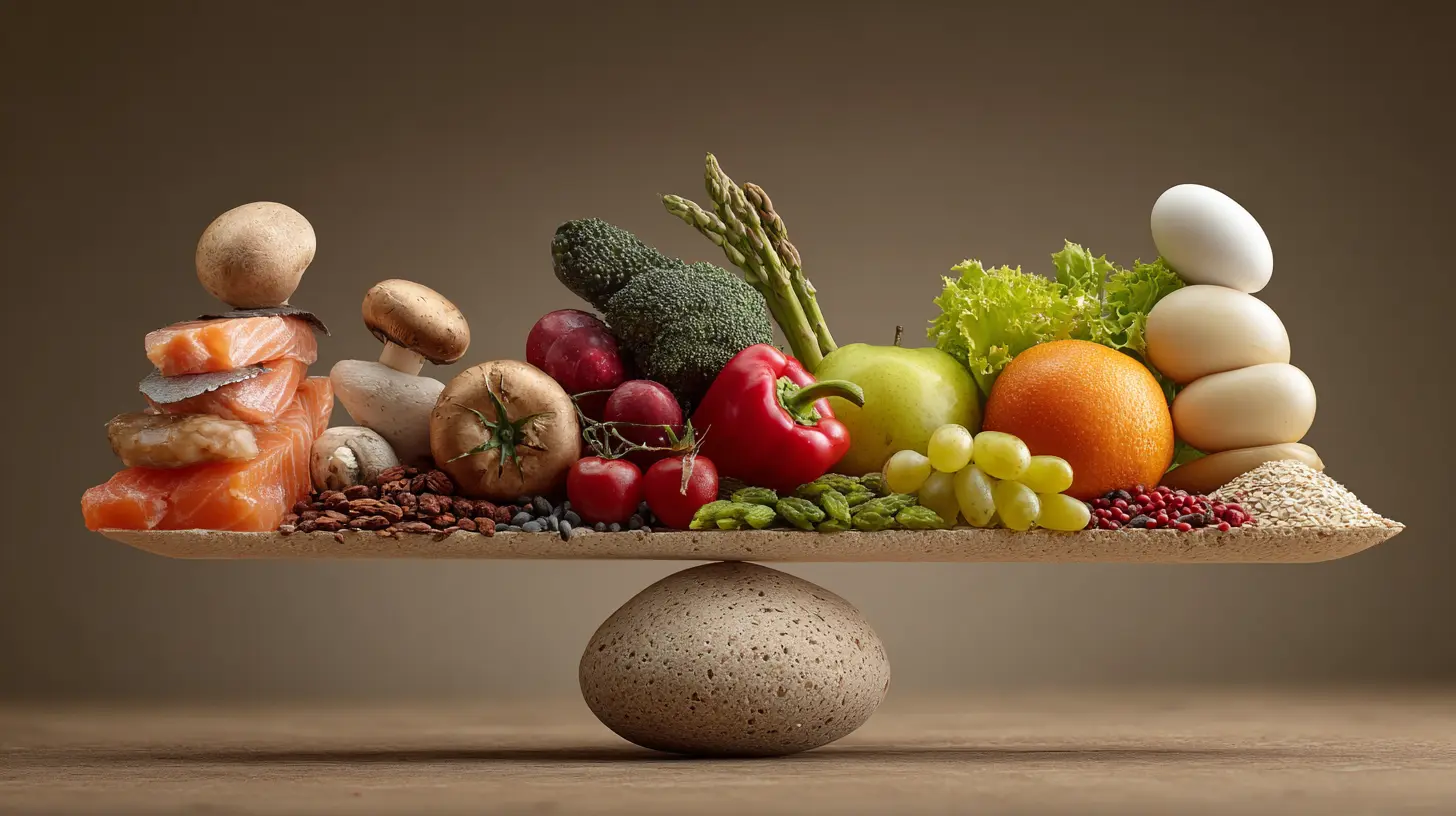
A balanced diet provides the energy and nutrients your body needs to function properly, in proportions that support long-term health rather than short-term satisfaction. The word "balanced" refers to two things at once: balance across nutrient groups (carbohydrates, proteins, fats, vitamins, minerals, water) and balance across time (what you eat over days and weeks, not what you eat in a single meal).That second point matters more than most people realize. One meal high in saturated fat will not clog your arteries. One salad will not undo years of poor eating. Your body tracks nutrient status over time, which means consistency beats perfection. A person who eats reasonably well 80 percent of the time will almost always be healthier than someone who alternates between extreme restriction and binge eating.
The Difference Between Balanced and Optimal
Balanced eating keeps you functioning. Optimal eating helps you thrive. The two overlap heavily, but they are not identical. A diet can be balanced in the sense that it meets minimum requirements and still fall short of what supports peak energy, mental clarity, and disease resistance.For example, meeting the minimum daily requirement for vitamin C prevents scurvy, but higher intakes from whole fruits and vegetables may support immune function and collagen production more effectively. The same logic applies to fiber, potassium, and omega-3 fats. Think of balance as your foundation and optimization as the structure you build on top.

The Five Core Components of Any Balanced Diet
Every balanced eating pattern, whether Mediterranean, vegetarian, or traditional Japanese, shares five components. The specific foods differ, but the underlying structure does not.1. Carbohydrates: Quality Over Quantity
Carbohydrates have been unfairly demonized. They are your body's preferred fuel source, especially for your brain and working muscles. The problem is not carbohydrates themselves. It is the type and amount.Complex carbohydrates found in whole grains, legumes, vegetables, and fruit release glucose slowly because they come packaged with fiber. Refined carbohydrates like white bread, sugary drinks, and most packaged snacks release glucose rapidly, causing sharp spikes and crashes in blood sugar.
Why does this matter? Rapid glucose spikes trigger large insulin releases. Over time, repeated spikes can contribute to insulin resistance, which sits at the root of type 2 diabetes and metabolic syndrome. Slow-release carbohydrates keep blood sugar stable and help you feel full longer.
A practical target: aim for the majority of your carbohydrate intake to come from minimally processed sources. You do not need to eliminate white rice or bread entirely. Just make sure they are not the foundation of every meal.
2. Protein: More Than Muscle Building
Protein provides the amino acids your body uses to build and repair tissue, produce enzymes and hormones, and support immune function. Most adults need somewhere between 0.8 and 1.6 grams per kilogram of body weight per day, depending on activity level, age, and health status.The quality of protein matters as much as the quantity. Animal proteins like eggs, fish, poultry, and dairy are complete proteins, meaning they contain all nine essential amino acids in proportions your body can use efficiently. Most plant proteins are incomplete on their own, but combining them across a day, such as rice with beans or hummus with whole wheat pita, fills the gaps.
Older adults face a particular challenge. Muscle mass naturally declines with age, a process called sarcopenia, and protein needs actually increase even as appetite often decreases. For this group, spreading protein evenly across meals rather than loading it all at dinner tends to work better.
3. Fats: Essential, Not Optional
Dietary fat supports hormone production, vitamin absorption, cell membrane integrity, and brain health. The idea that eating fat makes you fat is an oversimplification that has done real damage to public health.What matters is the type of fat. Unsaturated fats from olive oil, nuts, seeds, avocado, and fatty fish support cardiovascular health. Saturated fats from red meat, butter, and coconut oil are fine in moderation but should not dominate. Trans fats, largely removed from the food supply in many countries but still present in some processed items, are the one category worth avoiding entirely.
A useful rule: fats that are liquid at room temperature tend to be healthier than fats that are solid. Olive oil versus butter is a good example.
4. Vitamins and Minerals: The Micronutrient Web
Micronutrients do not provide calories, but they enable nearly every chemical reaction in your body. Iron carries oxygen in your blood. Calcium builds bone. B vitamins help convert food into usable energy. Zinc supports wound healing and immune response.The best way to get micronutrients is through food, not supplements, because whole foods contain hundreds of compounds that work together in ways we still do not fully understand. A carrot contains not just beta-carotene but also fiber, potassium, and various phytonutrients. A beta-carotene pill contains only beta-carotene.
That said, some people genuinely benefit from supplementation. Vitamin D is difficult to obtain from food alone, especially in northern latitudes. Vegans need B12. Pregnant women need folate and often iron. These are targeted exceptions, not a reason to take a multivitamin as insurance against a poor diet.
5. Water: The Nutrient People Forget
Water makes up roughly 60 percent of your body weight. It regulates temperature, transports nutrients, cushions joints, and flushes waste. Mild dehydration impairs concentration, mood, and physical performance before you even feel thirsty.Needs vary widely based on climate, activity, and individual physiology. A reasonable baseline is around 2 to 3 liters per day for most adults, with more during exercise or hot weather. Food, especially fruits and vegetables, contributes a meaningful portion of daily fluid intake.
Building a Plate That Works
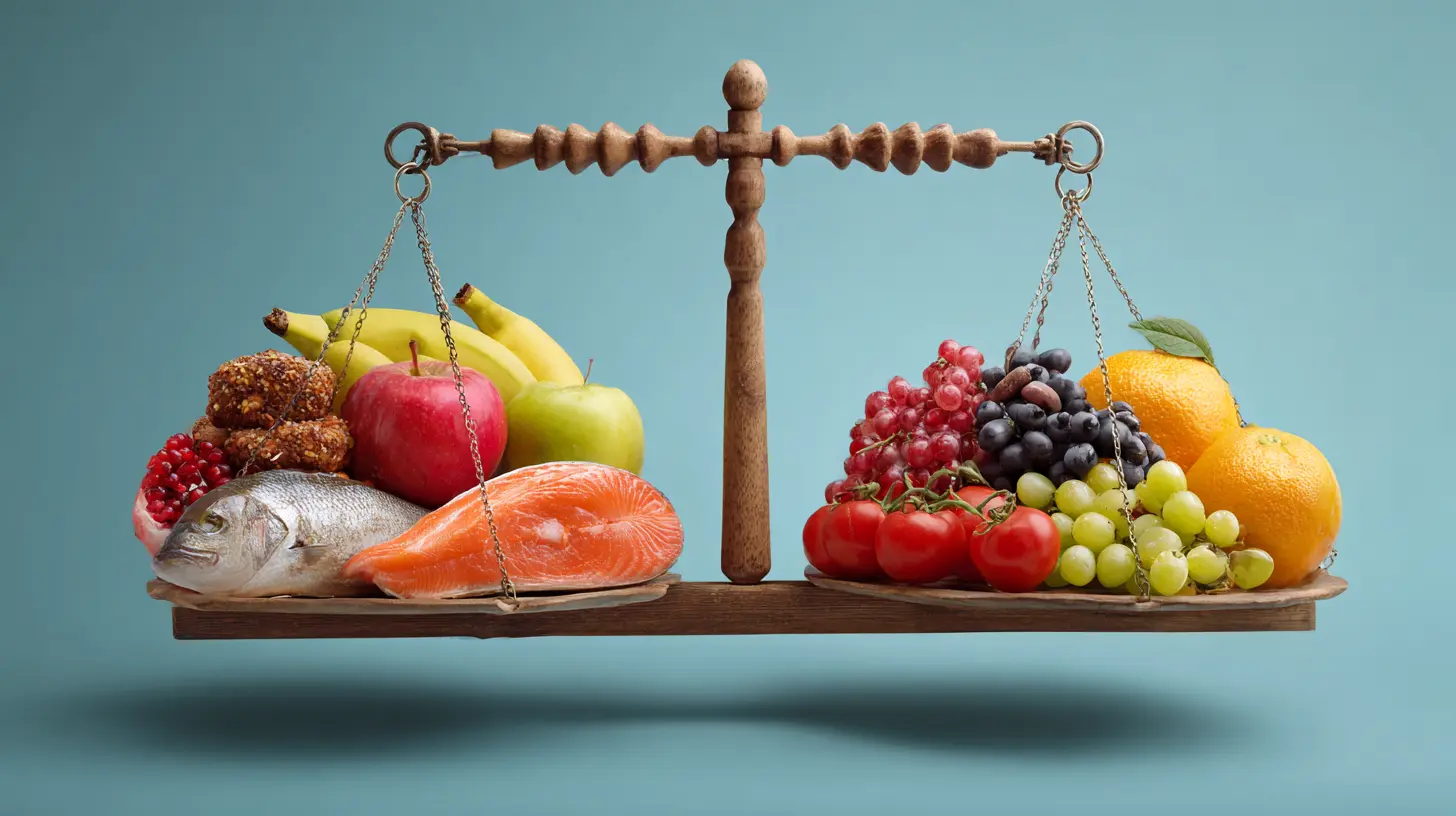
If you want a simple visual framework, think of your plate in three sections.- Half the plate: vegetables and fruit. Variety of color matters because different pigments correspond to different phytonutrients.
- One quarter: complex carbohydrates. Whole grains, starchy vegetables, or legumes.
- One quarter: protein. Fish, poultry, eggs, tofu, beans, or lean meat.
Add a source of healthy fat, such as olive oil, nuts, or avocado, and you have a balanced meal. This framework is flexible enough to accommodate almost any cuisine.
Why Plate Ratios Beat Calorie Counting
Calorie counting works for some people, but it has real limitations. It ignores food quality, it is tedious, and it can encourage unhealthy choices as long as the numbers fit. A 200-calorie serving of almonds and a 200-calorie serving of candy have very different effects on satiety, blood sugar, and nutrient status.Plate ratios focus on what to include rather than what to restrict. That shift in mindset makes healthy eating feel less like deprivation and more like a positive daily habit. It also naturally controls portions without requiring a scale.

Common Mistakes and Misconceptions
Mistake 1: Treating All Calories as Equal
The source of calories influences how your body responds. Protein and fiber increase satiety and require more energy to digest. Refined carbohydrates digest quickly and leave you hungry sooner. Two diets with identical calorie counts can produce very different outcomes for weight, blood sugar, and overall health.Mistake 2: Cutting Entire Food Groups
Unless medically necessary, eliminating whole food groups tends to backfire. Low-fat diets often lead to increased sugar intake. Very low-carb diets can be hard to sustain and may lack fiber. The most sustainable approach includes all three macronutrients in proportions that work for you.Mistake 3: Assuming Healthy Means Expensive
Frozen vegetables, canned beans, eggs, oats, brown rice, and plain yogurt are among the most nutrient-dense foods available and are also among the cheapest. The perception that healthy eating requires specialty stores and exotic ingredients is a marketing myth, not a nutritional reality.Mistake 4: Ignoring Liquid Calories
Sugary drinks, fancy coffee beverages, and alcohol can add hundreds of calories without providing satiety. Your body does not register liquid calories the same way it registers solid food, so you end up eating just as much later. Swapping these for water, unsweetened tea, or coffee with minimal additions is one of the highest-impact changes most people can make.Misconception: You Need to Eat Every Few Hours
The idea that frequent small meals boost metabolism has been largely overstated. Total daily intake and food quality matter far more than meal frequency. Some people thrive on three meals. Others prefer two larger meals or intermittent fasting. The best schedule is the one that fits your hunger patterns and lifestyle.Practical Strategies for Real Life
Start With What You Already Eat
Rather than overhauling your diet overnight, identify small upgrades. Swap white rice for brown rice. Add a vegetable to a meal that lacks one. Replace soda with sparkling water. These micro-changes compound over months and are far more sustainable than dramatic overhauls.Plan for Imperfection
No one eats perfectly. The goal is not perfection but consistency. If you have a heavy weekend, return to your normal pattern on Monday without guilt or compensatory restriction. Guilt-driven eating cycles are more damaging than the occasional indulgent meal.Read Labels Strategically
You do not need to analyze every number on a nutrition label. Focus on three things: added sugar, sodium, and the ingredient list. If added sugar or sodium is high relative to the serving size, treat it as an occasional food. If the ingredient list reads like a chemistry experiment, consider a simpler alternative.Cook More Than You Eat Out
Cooking gives you control over ingredients, portions, and preparation methods. Restaurant food, even when marketed as healthy, often contains far more sodium, sugar, and fat than you would use at home. You do not need to cook every meal. Aim for a majority of your weekly meals to be home-prepared.
Adapting Balance to Different Life Stages
Children and Adolescents
Growing bodies need more calories, protein, calcium, and iron relative to body weight. Habits formed in childhood tend to persist, so exposure to a wide variety of foods early matters. Forcing children to clean their plates can backfire by disrupting natural hunger cues.Pregnant and Breastfeeding Women
Nutrient needs increase significantly, particularly for folate, iron, calcium, and omega-3 fats. Food safety also becomes critical, which means avoiding raw fish, unpasteurized dairy, and undercooked meat. A healthcare provider should guide specific supplementation.Older Adults
Appetite often declines while nutrient needs stay the same or increase. Protein and calcium become especially important for preserving muscle and bone. Smaller, nutrient-dense meals tend to work better than large ones.Athletes and Highly Active People
Energy, protein, and fluid needs rise with activity level. Timing of meals around training can influence performance and recovery, though total daily intake still matters most. Carbohydrates play a larger role here than in the general population.The Role of Supplements
Supplements are exactly what the name suggests: additions to a diet that is already adequate. They cannot replace whole foods, and in most cases they do not outperform a well-constructed eating pattern.There are exceptions. Vitamin D for people with limited sun exposure. B12 for vegans. Iron for individuals with diagnosed deficiency. Folic acid for women planning pregnancy. These are targeted uses supported by evidence.
The supplement industry is loosely regulated in many countries, which means quality varies. If you take a supplement, choose products from reputable manufacturers and discuss them with a healthcare provider, especially if you take medications that could interact.
Why Balance Beats Extremes
Extreme diets produce fast results and then fail. The reason is simple: they are not designed for real life. They require constant vigilance, they eliminate foods you enjoy, and they often ignore the social and emotional dimensions of eating.Balanced eating is slower but more durable. It allows for flexibility, cultural foods, celebrations, and personal preferences. It does not require you to be perfect, only consistent. Over years, that consistency produces results that extreme approaches cannot sustain.
Think of it like investing. A steady, diversified portfolio outperforms a series of high-risk bets over time. Your diet works the same way. Variety, moderation, and consistency are the three pillars that hold up long-term health.
Final Thoughts
A balanced diet is not a destination you reach and then leave behind. It is a daily practice built on a few durable principles: eat mostly whole foods, include all three macronutrients, prioritize variety, stay hydrated, and allow room for the foods you love.You do not need a degree in nutrition to eat well. You need a basic understanding of what your body requires and the willingness to make small, consistent choices. Start where you are, use what you have, and adjust as you go. That approach will serve you better than any perfect plan you abandon in three weeks.
all images in this post were generated using AI tools
Category:
Balanced DietAuthor:

Jackson Mahoney