Best Practices for Protecting Your Teeth During Sports
28 July 2026
Playing sports is an excellent way to stay fit, have fun, and challenge yourself. However, it also comes with risks—especially to your teeth. A sudden fall, a missed catch, or a wayward elbow can lead to serious dental injuries. The good news? With the right precautions, you can keep your teeth safe while giving your best performance on the field or court.
In this guide, we’ll dive into the best practices for protecting your teeth during sports so you can focus on playing without worrying about dental mishaps.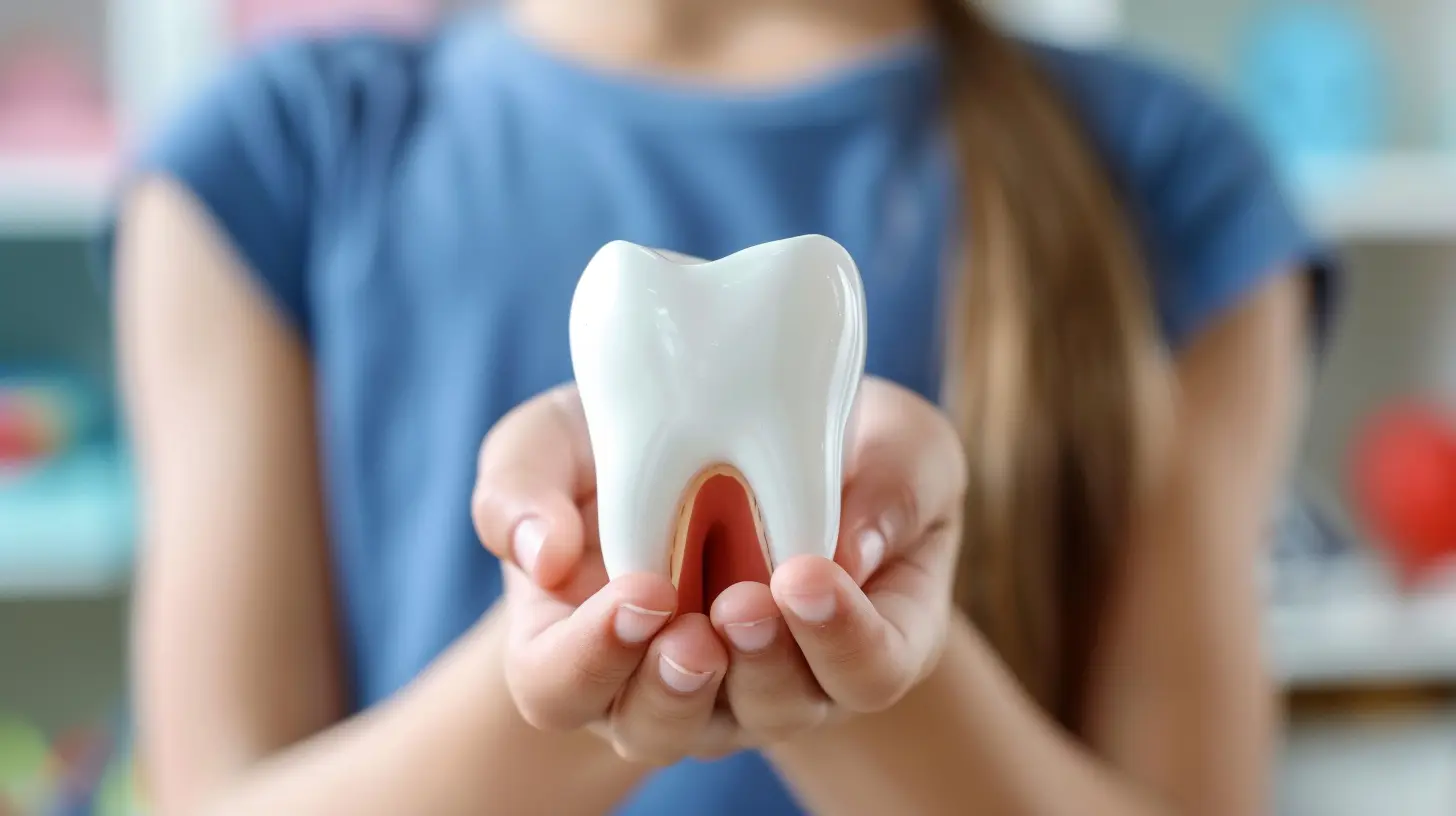
Why Protecting Your Teeth Matters in Sports
Think about it—your teeth are irreplaceable. Sure, there are dental treatments for lost or broken teeth, but wouldn’t it be better to avoid the pain, expense, and hassle altogether?Sports-related dental injuries range from chipped and fractured teeth to severe cases where teeth get completely knocked out. According to the American Dental Association (ADA), athletes without proper mouth protection are 60 times more likely to suffer dental injuries. That’s a risk you don’t want to take.
So, how can you safeguard your smile while staying active? Let’s break it down.
1. Wear a Mouthguard—Your Best Line of Defense
If there’s one thing every athlete should have to protect their teeth, it’s a mouthguard. This small yet powerful tool absorbs impacts, reducing the risk of broken teeth, cut lips, and even jaw injuries.Types of Mouthguards:
- Stock Mouthguards: These are pre-made and available in most sporting goods stores. They’re inexpensive but often bulky and ill-fitting.- Boil-and-Bite Mouthguards: These offer a better fit. You soften them in hot water and mold them to your teeth.
- Custom-Fit Mouthguards: Made by a dentist, these provide the best protection and comfort, though they’re pricier.
If you’re serious about protecting your teeth, investing in a custom-fit mouthguard is the smartest choice. It may cost more, but it offers superior protection and comfort compared to over-the-counter options.
2. Choose the Right Helmet for Your Sport
Not all sports require helmets, but if yours does, make sure you’re using the right type. A properly fitted helmet can absorb impact and reduce the chances of head and facial injuries, including damage to your teeth.Sports That Require Helmets:
- Football- Hockey
- Baseball (catchers and batters)
- Cycling
- Skateboarding
While helmets alone won’t fully protect your teeth, they significantly reduce the chances of severe facial trauma. Pairing a helmet with a mouthguard? That’s a winning combination. 
3. Face Shields and Cages for Extra Protection
Some sports—especially those involving fast-moving balls or pucks—pose a high risk of facial injuries. A face shield or cage can be a game-changer.Who Should Consider a Face Shield?
- Hockey players- Baseball and softball catchers
- Lacrosse players
- Martial artists in contact sports
A face shield or cage can prevent direct blows to your face, protecting not only your teeth but also your jaw, nose, and eyes.
4. Practice Proper Technique to Avoid Accidents
Many sports injuries happen due to poor technique, lack of awareness, or reckless play. Learning and practicing the right form can greatly reduce your risk of dental injuries.Key Tips:
- Keep your head up and be aware of your surroundings.- Avoid unnecessary roughness, especially in contact sports.
- Follow your coach’s safety guidelines.
- Communicate with teammates to prevent accidental collisions.
Sometimes, it’s not just about the gear you wear—it’s also about how you play.
5. Avoid Chewing on Hard Objects During Games
Do you have a habit of chewing gum, ice, or even your mouthguard while playing? It may seem harmless, but it can actually weaken your teeth over time.Things to Avoid Chewing On:
- Ice cubes- Hard candy
- Pens or pencils
- Bottle caps
Your teeth aren’t tools, so don’t treat them like one! If you’re feeling nervous or need something to chew on, opt for sugar-free gum. It’s safer and can even help reduce dry mouth.
6. Address Dental Injuries Immediately
Even with the best precautions, accidents happen. If you suffer a dental injury, act fast to increase the chances of saving your tooth or minimizing damage.What to Do in Case of a Knocked-Out Tooth:
1. Find the tooth. Pick it up by the crown, not the root.2. Rinse it gently. Use milk or saline solution, but don’t scrub it.
3. Try to put it back in place. If possible, place it back in the socket.
4. Keep it moist. If reinsertion isn’t possible, store it in milk or a saline solution.
5. See a dentist ASAP. Time is crucial—get to a dentist within 30 minutes for the best chance of saving the tooth.
For lesser injuries like chips or cracks, see your dentist as soon as possible to prevent further damage.
7. Schedule Regular Dental Checkups
Athletes often focus on body strength, endurance, and agility, but oral health is just as important. Regular dental checkups can help you stay ahead of potential issues before they become serious problems.Benefits of Regular Dental Visits:
- Spotting small cracks or weaknesses before they worsen.- Ensuring your mouthguard fits properly.
- Checking for signs of grinding or clenching, common in intense sports.
- Getting professional advice on additional protective measures.
A visit to the dentist at least twice a year can help keep your teeth in top shape, ensuring you’re always game-ready.
8. Hydrate Smartly—Avoid Sugary Sports Drinks
While hydration is crucial, many sports drinks are loaded with sugar and acids that can erode your enamel. Consuming them frequently can lead to cavities and weakened teeth.Healthier Hydration Choices:
- Water: The best choice for keeping your body and oral health in check.- Coconut water: A natural electrolyte-replenishing drink.
- Diluted sports drinks: If you must have sports drinks, mix them with water to reduce sugar intake.
Rinsing your mouth with water after consuming sugary drinks can also help minimize their harmful effects.
Conclusion
Protecting your teeth during sports isn’t just about looking good in team photos—it’s about preserving your oral health for years to come. A knocked-out tooth or a serious dental injury can be painful, costly, and even career-altering.From wearing a mouthguard to choosing the right helmet, practicing safe play, and avoiding bad habits, you can take simple yet effective steps to safeguard your smile. Accidents may be unpredictable, but preparation? That’s entirely in your hands.
So, gear up, play smart, and keep your pearly whites intact while crushing it in your game!
all images in this post were generated using AI tools
Category:
Healthy TeethAuthor:

Jackson Mahoney
Discussion
rate this article
1 comments
Bethany McGlynn
Great article! Wearing a mouthguard is essential for athletes to prevent injuries. Regular dental check-ups and being mindful of hydration can also help maintain dental health during sports activities.
July 28, 2026 at 4:50 PM
Jackson Mahoney
Thanks for your insight! You're spot on about the importance of mouthguards and staying hydrated. Keeping dental health in check is crucial for athletes.