Building Long-Term Resilience Through Your Diet
18 November 2026
In today's fast-paced world, the importance of maintaining resilience-both physically and mentally-cannot be overstated. Your diet plays a crucial role in building this resilience. A well-structured, nutrient-rich diet not only supports your physical health but also fortifies your mental well-being, allowing you to tackle life's challenges more effectively. This article delves into the nuances of how dietary choices can bolster your long-term resilience, providing practical advice, expert insights, and a deeper understanding of the relationship between food and health.

Understanding Resilience
Before we dive into dietary specifics, it's essential to grasp what resilience means in this context. Resilience refers to the ability to withstand stress, recover from setbacks, and adapt to change. It encompasses both mental and physical dimensions. A resilient individual can manage stress effectively, maintain emotional balance, and recover from adverse situations.The Role of Nutrition
Nutrition is a cornerstone of resilience. The food you consume influences your body's physiological responses and your brain's chemistry. For instance, certain nutrients can help regulate mood, enhance cognitive function, and mitigate stress responses. Understanding how these components work can empower you to make better dietary choices that promote resilience.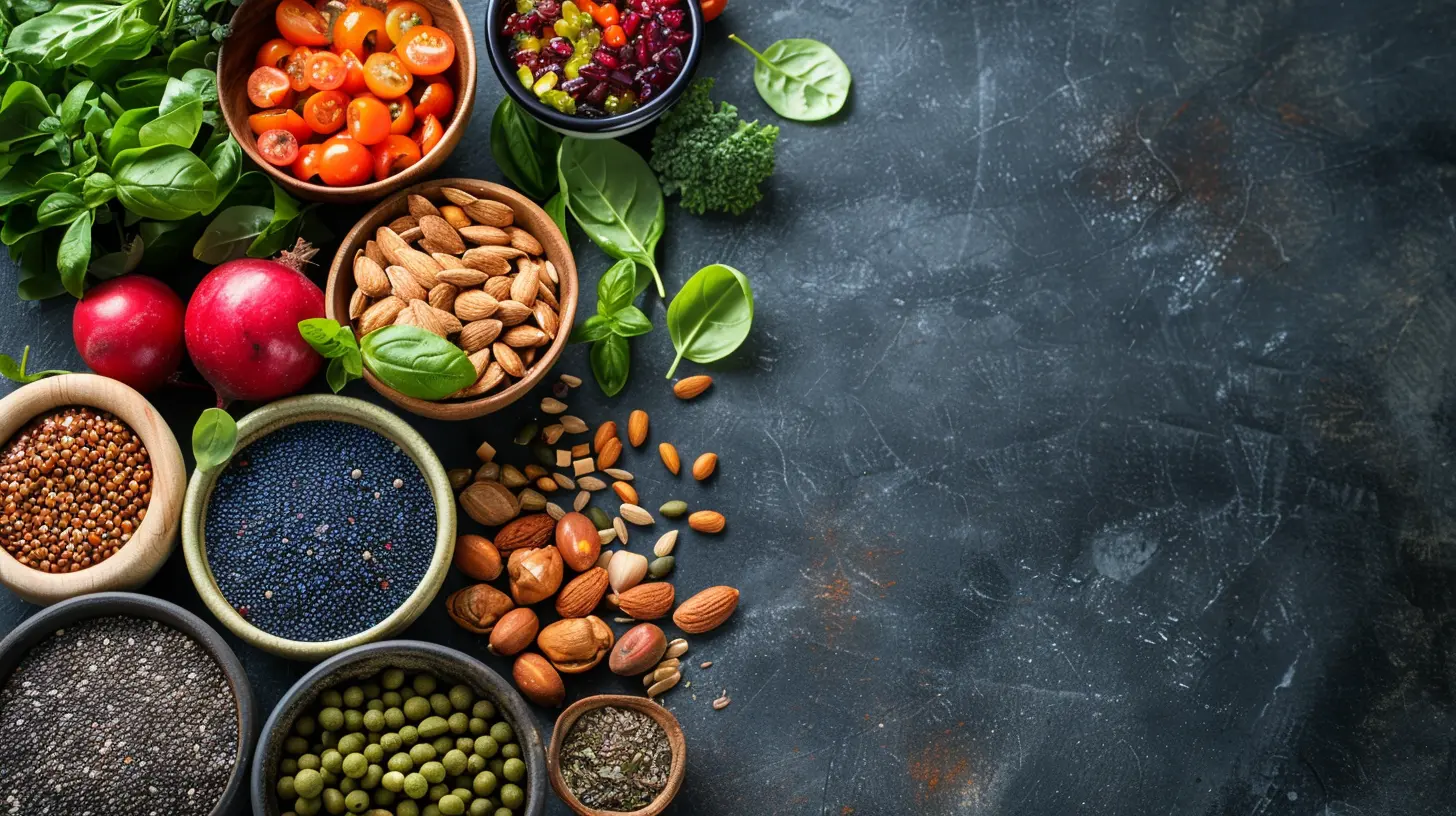
Key Nutrients for Resilience
When considering how diet impacts resilience, several key nutrients stand out. Each plays a unique role in supporting both physical and mental health.Omega-3 Fatty Acids
Omega-3 fatty acids, commonly found in fatty fish like salmon, walnuts, and flaxseeds, are essential for brain health. They have anti-inflammatory properties that can improve mood and cognitive function. Research suggests that a diet rich in omega-3s may reduce symptoms of anxiety and depression, thereby enhancing emotional resilience.Practical Advice
Incorporate omega-3-rich foods into your diet several times a week. If you are not a fan of fish, consider plant-based sources like chia seeds and hemp seeds, or look into high-quality fish oil supplements.Antioxidants
Antioxidants, found in colorful fruits and vegetables, protect your body from oxidative stress. This stress can contribute to chronic diseases and impact mental health. Berries, leafy greens, and nuts are excellent sources of antioxidants that can help combat inflammation and promote overall health.Common Mistakes
Many people overlook the importance of variety. Eating a wide range of fruits and vegetables ensures you get a broad spectrum of antioxidants. Instead of sticking to a couple of favorites, aim for a rainbow on your plate.B Vitamins
B vitamins, including B6, B12, and folate, are vital for energy production and brain function. They play a crucial role in mood regulation and can help mitigate feelings of fatigue and depression. Foods rich in B vitamins include whole grains, legumes, eggs, and dairy products.Trade-offs
While B vitamins are essential, taking supplements without medical guidance can lead to imbalances. It is generally better to obtain these nutrients from whole foods to ensure you get the right amounts without the risk of excessive intake.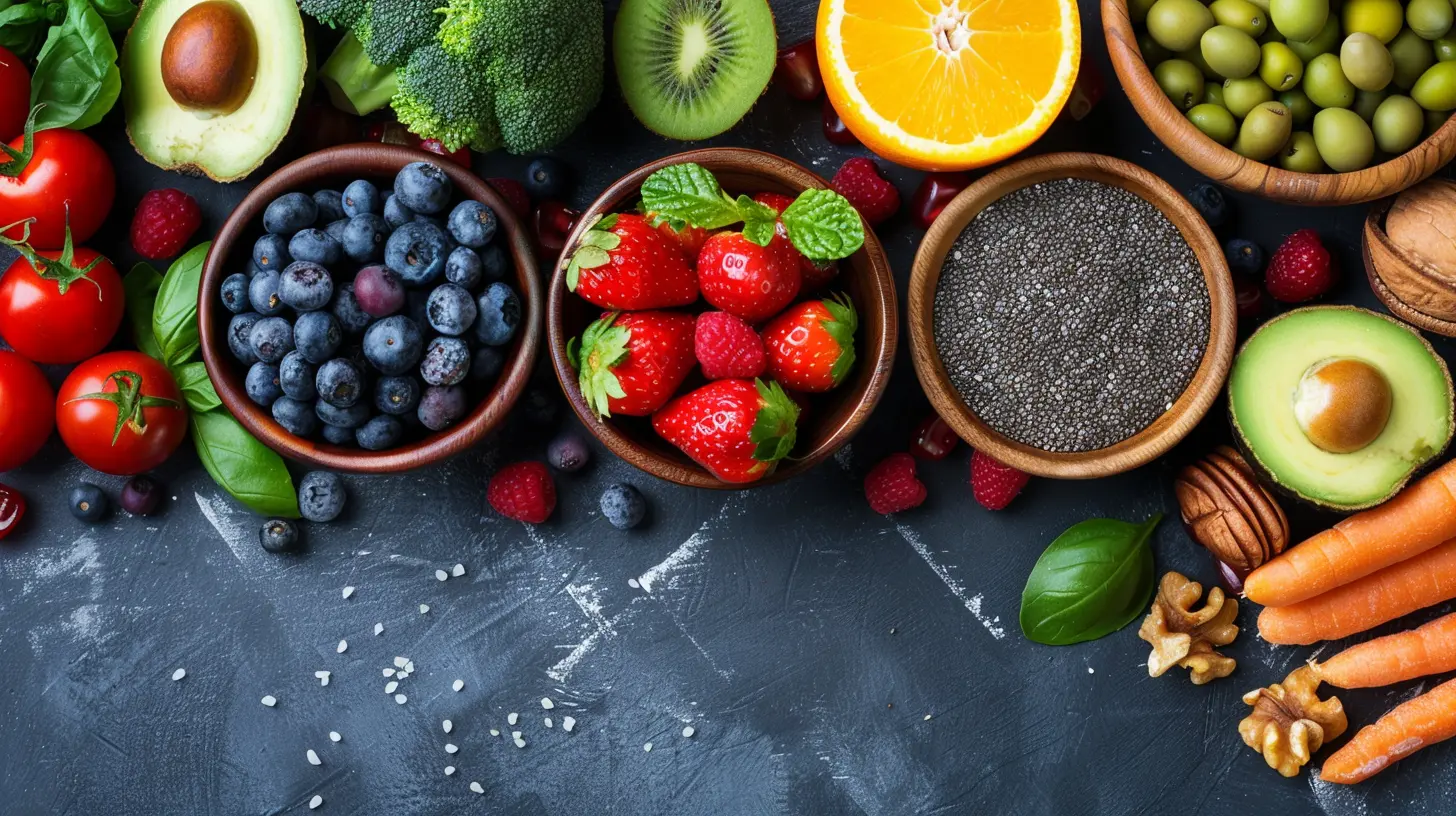
The Impact of Gut Health
Emerging research emphasizes the gut-brain connection, highlighting the importance of gut health in overall resilience. A healthy gut microbiome can influence your mental state, immune response, and even stress levels.Probiotics and Prebiotics
Probiotics are beneficial bacteria that support gut health. Foods like yogurt, kefir, sauerkraut, and kimchi are rich in probiotics. Prebiotics, found in foods such as garlic, onions, and bananas, feed these beneficial bacteria.Expert Insight
Incorporating both probiotics and prebiotics into your diet can help cultivate a balanced gut microbiome, which may enhance mood and reduce anxiety. Aim for a diverse intake of fiber-rich foods to nourish gut bacteria.
The Role of Hydration
While often overlooked, hydration is a key component of resilience. Dehydration can impair cognitive function, leading to fatigue and irritability. Keeping hydrated supports physical performance and mental clarity.Practical Recommendations
Aim to drink enough water throughout the day. While the "8 glasses a day" rule is a good starting point, individual needs can vary based on activity level and climate. Pay attention to your body's signals for thirst and adjust accordingly.Meal Planning for Resilience
Building resilience through your diet requires intentional meal planning. It is not enough to focus on individual nutrients; the overall composition of your meals matters.Balanced Meals
A well-balanced meal includes a source of protein, healthy fats, and a variety of carbohydrates. For example, a meal of grilled chicken, quinoa, and steamed broccoli provides necessary nutrients while supporting sustained energy levels.Best Practices
- Plan Ahead: Set aside time each week to plan your meals. This practice can help you make healthier choices and avoid impulsive eating.- Batch Cook: Preparing meals in advance can save time and ensure you have nutritious options available, reducing the temptation of unhealthy choices.
Mindful Eating
Mindfulness in eating encourages you to pay attention to what you consume and how it affects your body. This practice can enhance your relationship with food and promote healthier eating habits.Common Mistakes
Many people eat on the go or while distracted, which can lead to overeating and poor choices. Set aside time for meals, free from distractions, to better appreciate your food and listen to your body's hunger cues.
Navigating Dietary Trends
In a world filled with conflicting dietary advice, it's important to approach trends with a critical eye. Many diets promise quick fixes but may not support long-term resilience.The Mediterranean Diet
The Mediterranean diet is often lauded for its health benefits, including its impact on mental well-being. It emphasizes whole foods, healthy fats, and a variety of fruits and vegetables.Advantages
This diet promotes cardiovascular health and may reduce the risk of depression. Its focus on whole foods and nutrient diversity aligns well with building resilience.Plant-Based Diets
Plant-based diets, which prioritize fruits, vegetables, legumes, and whole grains, can also support resilience. They are typically high in antioxidants and fiber, which can benefit both physical and mental health.Trade-offs
Transitioning to a plant-based diet requires careful planning to ensure adequate protein and essential nutrients. It may not be suitable for everyone, particularly those with specific dietary needs or restrictions.The Psychological Aspect of Eating
Food is often tied to emotional well-being. Understanding the psychological aspects of eating can help you make more informed choices.Emotional Eating
Many people turn to food for comfort during stressful times. While this is a natural response, it can lead to unhealthy eating patterns if not managed.Practical Advice
Identify triggers for emotional eating and seek healthier coping strategies, such as exercise, meditation, or talking to a friend. Keeping a food journal can also help you recognize patterns and make more mindful choices.Building a Positive Relationship with Food
Cultivating a positive relationship with food involves recognizing its role beyond nourishment. Food can be a source of joy, connection, and culture.Best Practices
- Experiment with Cooking: Try new recipes and cuisines to enhance your enjoyment of food.- Celebrate Meals: Make mealtime special by setting the table and enjoying meals with family or friends. This practice can enhance the emotional aspect of eating.
Overcoming Challenges
Building resilience through diet is not without its challenges. External factors like stress, time constraints, and financial considerations can all impact your ability to eat well.Time Management
Busy schedules often lead to unhealthy eating choices. Finding ways to streamline meal preparation can help.Expert Insights
- Use Convenience Wisely: Opt for pre-cut vegetables or frozen fruits to save time while still eating healthily.- Invest in Versatile Ingredients: Stock up on ingredients that can be used in various recipes, reducing the need for multiple grocery trips.
Budget Considerations
Eating healthily on a budget is a common concern. However, it is possible to make nutritious choices without breaking the bank.Practical Recommendations
- Buy in Bulk: Purchasing grains, legumes, and frozen produce in bulk can save money.- Plan Seasonal Meals: Seasonal produce tends to be cheaper and fresher. Planning meals around what is in season can help keep costs down.
Conclusion
Building long-term resilience through your diet is a multifaceted process. By understanding the role of specific nutrients, prioritizing gut health, and being mindful of eating habits, you can create a dietary framework that supports both physical and mental well-being. Meal planning, being aware of dietary trends, and overcoming challenges like time and budget constraints are all essential steps in this journey.Resilience is not a one-time achievement but a continuous process. By making thoughtful dietary choices, you can cultivate a lifestyle that not only helps you withstand stress but also enhances your overall quality of life.
all images in this post were generated using AI tools
Category:
Mood Boosting FoodsAuthor:

Jackson Mahoney