Comfort Foods That Don’t Weigh You Down Emotionally
25 October 2026
Comfort food carries a strange double reputation. It is the warm bowl of soup on a hard day and, at the same time, the thing many people quietly blame for guilt, overeating, and a strained relationship with their own appetite. That tension is real, but it is not inevitable. The foods we reach for when we feel low, tired, or overwhelmed do not have to leave us feeling worse afterward. The trick is understanding what actually makes a food comforting, separating physical comfort from emotional comfort, and rebuilding the way we use food to soothe ourselves so it works with us instead of against us.
This article takes a close, practical look at comfort foods through an emotional and physiological lens. It explains why certain foods feel calming, which ones tend to support mood and satiety without triggering a crash, how to identify the comfort foods that quietly weigh you down, and how to change the context around eating so the same foods stop carrying so much emotional baggage.
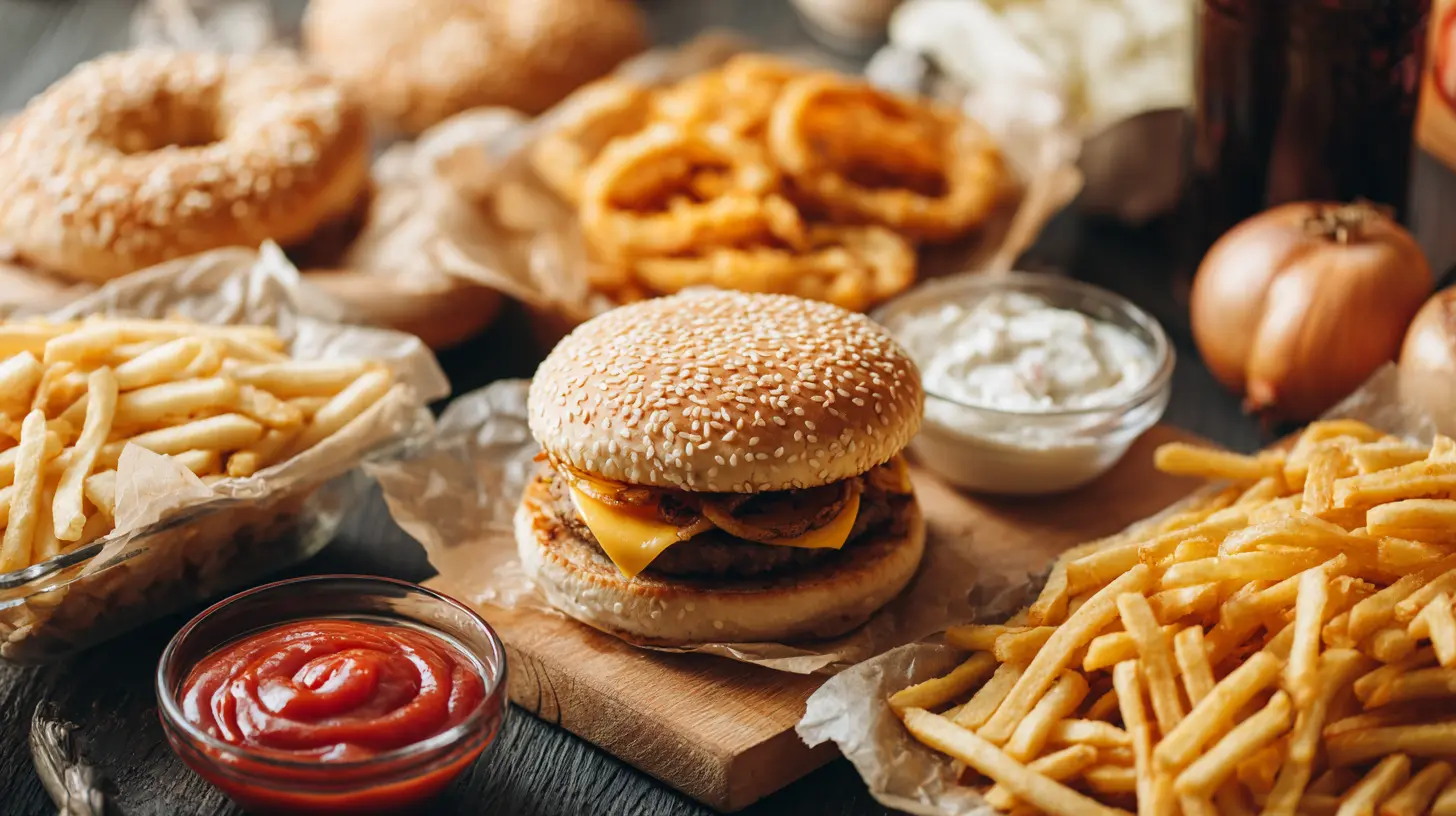
What Makes a Food "Comforting" in the First Place
Most people assume comfort food is about taste. It is only partly true. Taste matters, but comfort is a package deal: flavor, texture, temperature, smell, memory, and the situation in which you eat it. A bowl of plain oatmeal can feel deeply comforting on a cold morning if it is warm, creamy, and tied to a childhood routine. The same oatmeal can feel like punishment if you eat it resentfully as a "diet food" while wishing you were having something else.Three mechanisms usually drive the comforting effect:
- Physiological warmth and density. Warm, soft, energy-dense foods signal safety and fullness. The body responds to warmth and volume in the stomach with a sense of settling.
- Sensory familiarity. Smell and texture reach memory centers quickly. A food that resembles something from your past can produce calm before you have even taken a bite.
- Context and ritual. The act of making tea, sitting down with a bowl, or eating with someone you trust contributes as much as the food itself.
This matters because it means comfort is not locked to a specific ingredient list. You can build comfort into foods that also support stable energy and mood. You can also strip comfort out of a food by eating it in a rushed, guilty, or distracted way. The emotional weight of a meal is often created by how you eat it, not just what is on the plate.
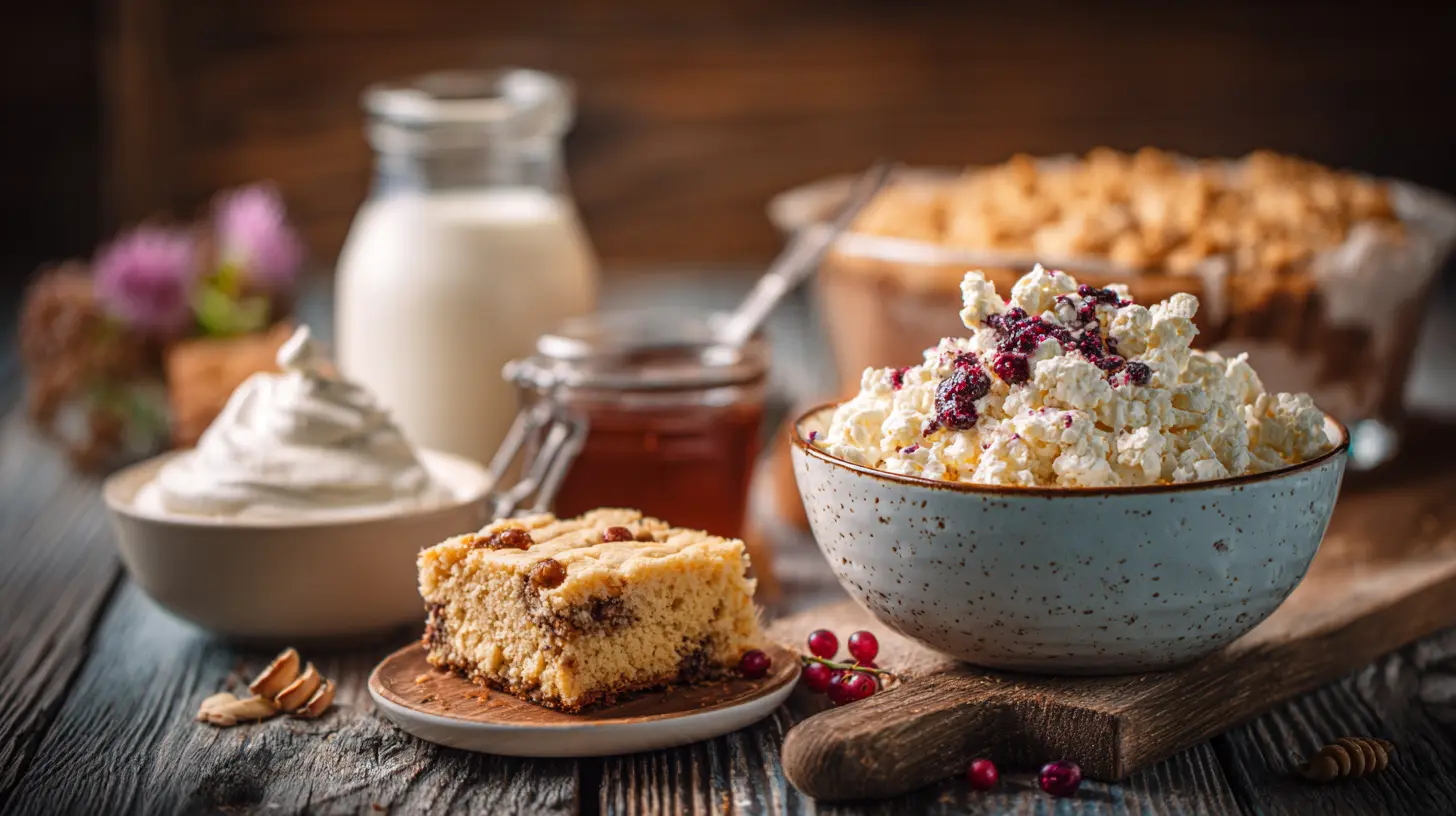
The Real Reason Some Comfort Foods Leave You Feeling Heavy
The "weighing down" people describe is rarely about calories alone. It is usually a combination of four things:1. Blood sugar swings. Foods high in refined sugar and low in fiber or protein can spike glucose and then drop it, producing irritability, fatigue, and renewed cravings. The comfort is short-lived, and the rebound feels like a letdown.
2. Digestive load. Very rich, greasy, or heavy meals can slow digestion and create bloating or lethargy. Physical discomfort gets misread as emotional discomfort.
3. Guilt and rumination. If a food is labeled "bad," eating it can trigger self-criticism. That mental loop often causes more distress than the food itself.
4. Emotional association. If you habitually eat a certain food while stressed or sad, the food becomes a cue for those states. You are not just tasting ice cream; you are tasting the argument you had that night.
Understanding this distinction is the foundation of the whole topic. A comfort food that does not weigh you down emotionally is one that delivers genuine pleasure and calm while avoiding the blood sugar crash, the digestive penalty, and the guilt loop. Many traditional comfort foods can be adjusted to hit that mark. Many "healthy" foods can fail at it if eaten in the wrong frame of mind.
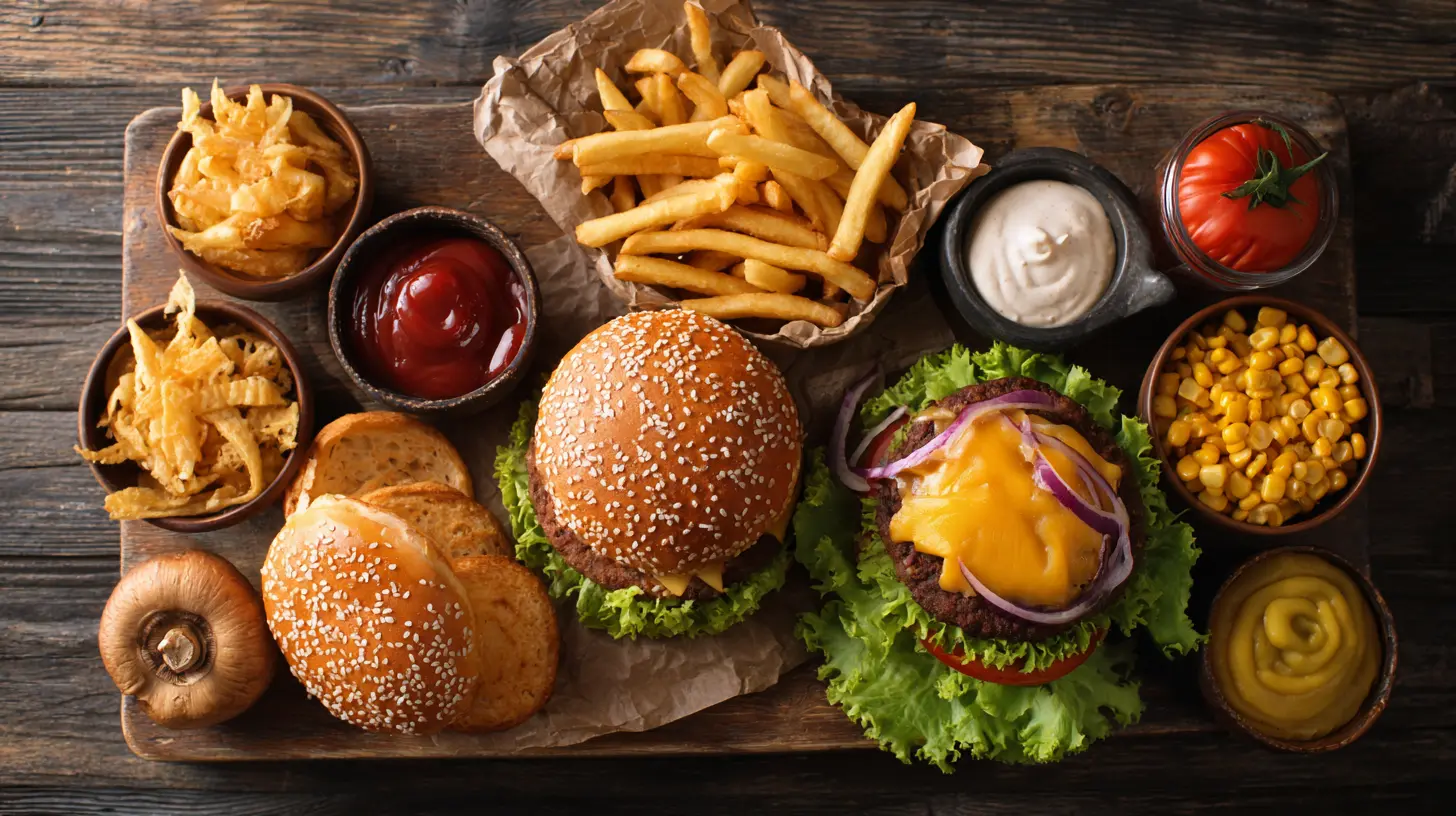
A Framework for Choosing Comfort Foods That Support You
Rather than sorting foods into good and bad, use four practical criteria. A food scores well when it:- Provides steady energy. It includes some protein, fiber, or fat alongside carbohydrate, so glucose rises more gently.
- Feels satisfying in texture and temperature. Warm, creamy, crunchy, or chewy elements signal fullness and pleasure.
- Fits your body. It does not trigger reflux, bloating, or other discomfort you already know you are prone to.
- Fits your values and context. You can eat it without a mental argument, and it suits the time, budget, and setting you are in.
A food that meets all four tends to comfort without a cost. A food that meets only the taste criterion can still be enjoyable, but it is more likely to leave you feeling heavy, either physically or emotionally.
Why "Healthy" Comfort Food Can Still Backfire
There is a common misconception that swapping in a "clean" version of a comfort food automatically solves the problem. It does not. Two failure modes show up repeatedly.The first is the substitution trap. Someone replaces mac and cheese with a cauliflower version, eats it while wishing it were the real thing, feels deprived, and then eats the real thing anyway. Now they have eaten twice and feel worse. The substitute did not comfort; it only delayed and amplified the craving.
The second is the virtue trap. A food is eaten because it is "good for you," not because it is genuinely enjoyed. Eating becomes a chore. Over time, the person loses touch with what they actually like, and comfort eating becomes more chaotic because the enjoyable foods have been pushed underground.
The better approach is not to replace comfort foods but to adjust them so they still deliver comfort while reducing the crash. Sometimes that means a smaller portion of the original. Sometimes it means adding protein or fiber to the same dish. Sometimes it means keeping the food exactly as it is and changing when and how you eat it.
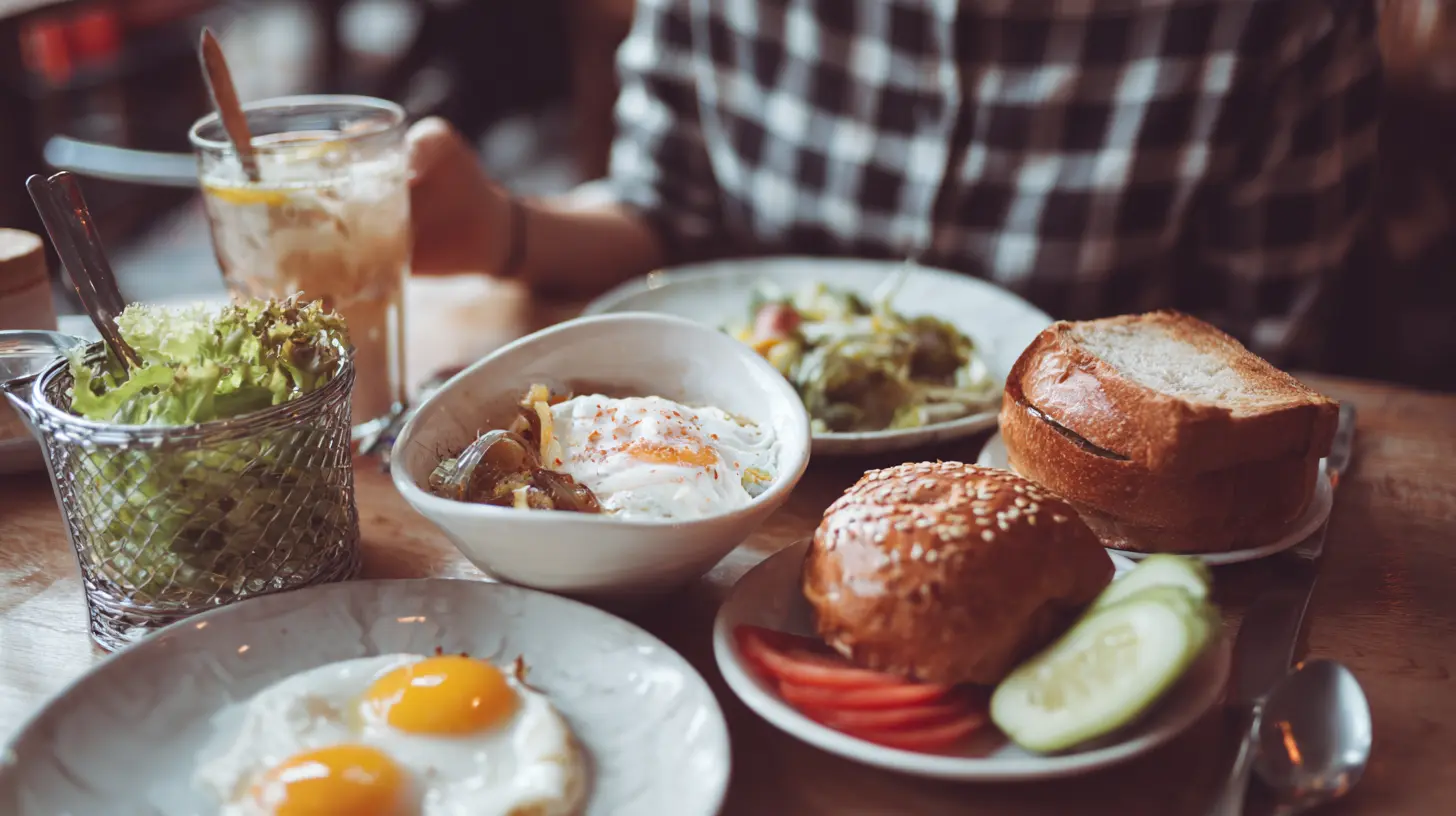
Comfort Foods That Tend to Support Mood and Energy
The following categories are not a prescription. They are patterns that tend to work well for many people because they combine warmth, satisfaction, and steady energy. Individual tolerance varies, especially with digestive conditions, so treat this as a starting point.Warm Grain Bowls With Protein
Oatmeal, congee, polenta, risotto, and similar warm grain dishes have a naturally soothing texture. The key is what goes with them. A bowl of plain instant oatmeal eaten alone may spike and crash quickly. The same oatmeal with milk, nuts, or an egg on the side produces a much gentler curve. The comfort is identical; the aftermath is different.This is one of the clearest examples of a small change with a large effect. You do not need to give up the food. You need to give it company.
Soups, Stews, and Broths
Soup is perhaps the most underrated comfort food because it combines warmth, volume, and slow eating. The stomach responds to volume, and soup delivers it with relatively low energy density. A broth-based soup with beans, lentils, vegetables, and some protein can feel deeply filling without the heaviness of a cream-based or cheese-heavy soup.The trade-off is satiety duration. Broth-based soups can leave some people hungry again quickly. Adding a source of protein and a small amount of fat, such as olive oil or a handful of nuts on the side, usually solves this. Cream-based soups are not off limits, but they tend to be denser and can feel heavy if eaten in large portions. A smaller bowl with a piece of whole grain bread often satisfies more than a large bowl alone.
Eggs and Simple Breakfast Foods
Eggs, toast, and a warm drink form a comfort pattern in many cultures for good reason. Eggs provide protein and fat that stabilize energy, and the ritual of a warm breakfast signals the start of a cared-for day. This is a strong option for people whose comfort eating tends to happen in the morning or who skip breakfast and then overeat later.The common mistake here is the "breakfast dessert" pattern: pancakes, syrup, and sweet pastries eaten alone. These can be comforting, but eaten without protein they often produce a mid-morning crash that feels like anxiety or irritability. Adding eggs or yogurt to the same meal changes the experience substantially.
Legumes and Bean-Based Dishes
Lentil soup, bean stew, chickpea curry, and similar dishes combine fiber and protein in a way that supports slow digestion and sustained fullness. They are also culturally embedded comfort foods in many households, which means the memory and ritual components are already in place.The trade-off is digestive adjustment. People who are not used to legumes may experience gas or bloating if they increase intake quickly. The practical fix is gradual introduction and proper cooking. For those with irritable bowel syndrome or specific sensitivities, some legumes may not work well, and that is worth respecting rather than pushing through.
Root Vegetables and Roasted Dishes
Potatoes, sweet potatoes, carrots, and squash have a natural sweetness and a satisfying texture when roasted or mashed. A baked potato with a modest amount of butter or olive oil and some protein can be genuinely comforting and filling. The misconception that potatoes are inherently fattening or "bad" has done a lot of unnecessary damage to people's relationship with a perfectly reasonable food.The nuance is preparation. A boiled or baked potato is very different from a large portion of deep-fried potatoes with heavy sauces. Both can be enjoyed. The first tends to support steady energy; the second is more likely to produce a heavy feeling, especially in large amounts.
Fruit With Something Creamy or Crunchy
Warm baked apples, stewed fruit, or a bowl of berries with yogurt can deliver sweetness and comfort without the sharp crash of candy or soda. The addition of fat or protein from yogurt, nuts, or nut butter slows absorption and increases satisfaction. This is a useful pattern for people who want something sweet after dinner but do not want to feel wired or restless at bedtime.The Role of Texture and Temperature
Texture is one of the most overlooked variables in comfort eating. Creamy, soft foods feel soothing and are often associated with care. Crunchy foods provide stimulation and can break emotional tension. Chewy foods slow eating and increase awareness.If you tend to eat quickly when stressed, adding a crunchy element can interrupt the automatic pace. If you tend to feel unsatisfied after meals, adding a creamy element can increase perceived richness. If you tend to feel anxious after eating, warm foods and slower chewing can help signal safety to the nervous system.
Temperature matters too. Warm foods tend to feel more grounding, while cold foods can feel refreshing or, for some people, less satisfying. There is no universal rule here, but noticing your own pattern is useful. Many people find that the same food eaten warm versus cold produces a noticeably different emotional response.
Common Mistakes That Turn Comfort Food Into Emotional Weight
Eating to Numb Rather Than to Soothe
There is a meaningful difference between eating to soothe and eating to numb. Soothing involves acknowledging the feeling, choosing a food deliberately, and eating with attention. Numbing involves eating quickly and unconsciously to push a feeling away. The first tends to end with satisfaction. The second often ends with more distress, because the original feeling is still there and now there is also discomfort or guilt.A practical check: before eating, ask whether you are hungry, tired, sad, bored, or some combination. You do not need to solve the feeling. You just need to name it. Naming it often changes how much and how fast you eat.
Using Food as the Only Regulation Tool
Food is a legitimate source of comfort. It is also one of many. When food becomes the only way a person can calm down, it starts to carry too much weight. Building a small repertoire of other regulating activities, such as a warm shower, a short walk, breathing exercises, calling a friend, or even just sitting with a blanket for five minutes, reduces the pressure on food to do everything.This is not about replacing comfort eating. It is about giving yourself options so that food is a choice rather than a compulsion.
Ignoring Portion and Timing
The same food can feel completely different depending on when and how much you eat. A large portion of a rich comfort food late at night often produces poor sleep and morning sluggishness, which then fuels more comfort eating the next day. A smaller portion earlier in the evening, eaten slowly, tends to leave you satisfied and settled.There is no universal portion rule. The useful practice is to notice how you feel one hour and three hours after eating. If you consistently feel heavy, restless, or hungry again quickly, adjust the portion, the composition, or the timing.
Treating Guilt as a Nutrition Signal
Guilt is not a reliable indicator of whether a food was bad for you. It is a learned emotional response, often shaped by diet culture and moralized food language. People feel guilty about foods that are perfectly fine and feel no guilt about foods that genuinely do not agree with them. Learning to separate guilt from physical feedback is a skill, and it takes practice.A useful reframe: replace "Was this bad?" with "How did this food and this portion leave me feeling physically and mentally?" That question produces useful information. The guilt question produces only more guilt.
Practical Ways to Rebuild a Healthier Relationship With Comfort Food
Keep the Comfort, Adjust the Structure
Start with the foods you already love and make small structural changes. Add protein to a carbohydrate-heavy dish. Add fiber to a low-fiber meal. Reduce the portion of the richest component and increase the portion of a lighter one. Keep the flavor and ritual intact. This approach works because it respects the emotional function of the food instead of fighting it.Eat Comfort Food on Purpose
Deliberate eating sounds formal, but it simply means paying attention for the first few bites. Put the food on a plate. Sit down. Notice the smell and texture. This is not about mindfulness as a performance. It is about giving your nervous system enough information to register satisfaction, which reduces the odds of eating past fullness.Separate Emotional Comfort From Physical Comfort
Sometimes you want the food for the taste and warmth. Sometimes you want it because you are sad. Both are valid, but they call for different responses. If you are sad, a smaller portion eaten with company or while doing something pleasant may be more comforting than a large portion eaten alone in front of a screen. If you are hungry, eat enough to be satisfied. Matching the response to the need prevents the "I ate a lot and still feel empty" experience.Build a Short List of Reliable Options
Most people have a handful of foods that consistently comfort them without a crash. Write them down. Include the conditions under which they work best, such as time of day, portion, and what to pair them with. Having a short list reduces decision fatigue and makes it easier to choose something that supports you when you are already depleted.Examples might include a bowl of lentil soup with bread, oatmeal with nuts and fruit, a baked potato with eggs, or yogurt with warm fruit. The list is personal. The point is to have it ready before you need it.
Address the Guilt Directly
If guilt is a recurring feature of your comfort eating, it is worth addressing as its own issue rather than trying to out-diet it. Guilt often intensifies when foods are labeled as forbidden. Removing moral language from food, allowing all foods in reasonable amounts, and focusing on how foods feel rather than whether they are "allowed" tends to reduce the guilt loop over time. For some people, this is a gradual process. For others, especially those with a history of disordered eating, professional support is the safer route.
When Comfort Food Is a Sign of Something Larger
Comfort eating is normal. It becomes a concern when it is the primary way a person manages distress, when it causes significant physical discomfort, when it is accompanied by shame or secrecy, or when it interferes with daily life. In those cases, the issue is not the food itself. It is the emotional load the food is being asked to carry.It is also worth noting that persistent low mood, anxiety, or fatigue should not be attributed to diet alone. Food can support mood, but it does not replace assessment and care for mental health conditions. A balanced view treats food as one supportive factor among many.
A Realistic Bottom Line
Comfort foods that do not weigh you down emotionally are not a special category of ingredients. They are foods eaten in a way that respects both pleasure and physiology. Warm grain bowls with protein, soups with substance, eggs and toast, legume-based dishes, roasted vegetables, and fruit with something creamy all tend to work well because they combine warmth, texture, and steady energy. But the food is only half the story. The other half is context: eating deliberately, naming the feeling, adjusting portion and timing, and refusing to let guilt masquerade as nutrition advice.The goal is not to eliminate comfort eating. It is to make it work. When comfort food actually comforts, without a crash, without a guilt loop, and without physical heaviness, it stops being a problem to manage and becomes what it was always meant to be: a small, reliable source of care.
all images in this post were generated using AI tools
Category:
Mood Boosting FoodsAuthor:

Jackson Mahoney