Essential Lifestyle Changes for a Stronger Immune System
29 June 2026
Your immune system is like your personal bodyguard, constantly on duty to protect you from harmful invaders like viruses and bacteria. But just like any hard-working guard, it needs a little backup to perform at its best.
The good news? Strengthening your immune system isn’t about popping endless supplements or following complicated health trends. It all boils down to simple, effective lifestyle changes that can give your defense system the boost it deserves.
So, if you’re ready to keep sickness at bay and feel healthier every day, let’s dive into some essential lifestyle changes to fortify your immune system.

1. Prioritize Quality Sleep
Sleep isn’t just about feeling rested—it’s a vital component of a strong immune system. When you skimp on sleep, your body produces fewer immune cells and more stress hormones, making you an easy target for illnesses.Tips to Improve Sleep Quality:
- Stick to a schedule: Go to bed and wake up at the same time every day, even on weekends.- Create a bedtime routine: Reading a book, meditating, or dimming the lights signals your body that it’s time to wind down.
- Limit screen time: The blue light from phones and laptops disrupts melatonin production, making it harder to fall asleep.
- Keep your room cool and dark: A cooler temperature and blackout curtains can enhance sleep quality.
Bottom line? Aim for 7-9 hours of quality sleep each night. Your immune system will thank you.
2. Eat a Nutrient-Dense Diet
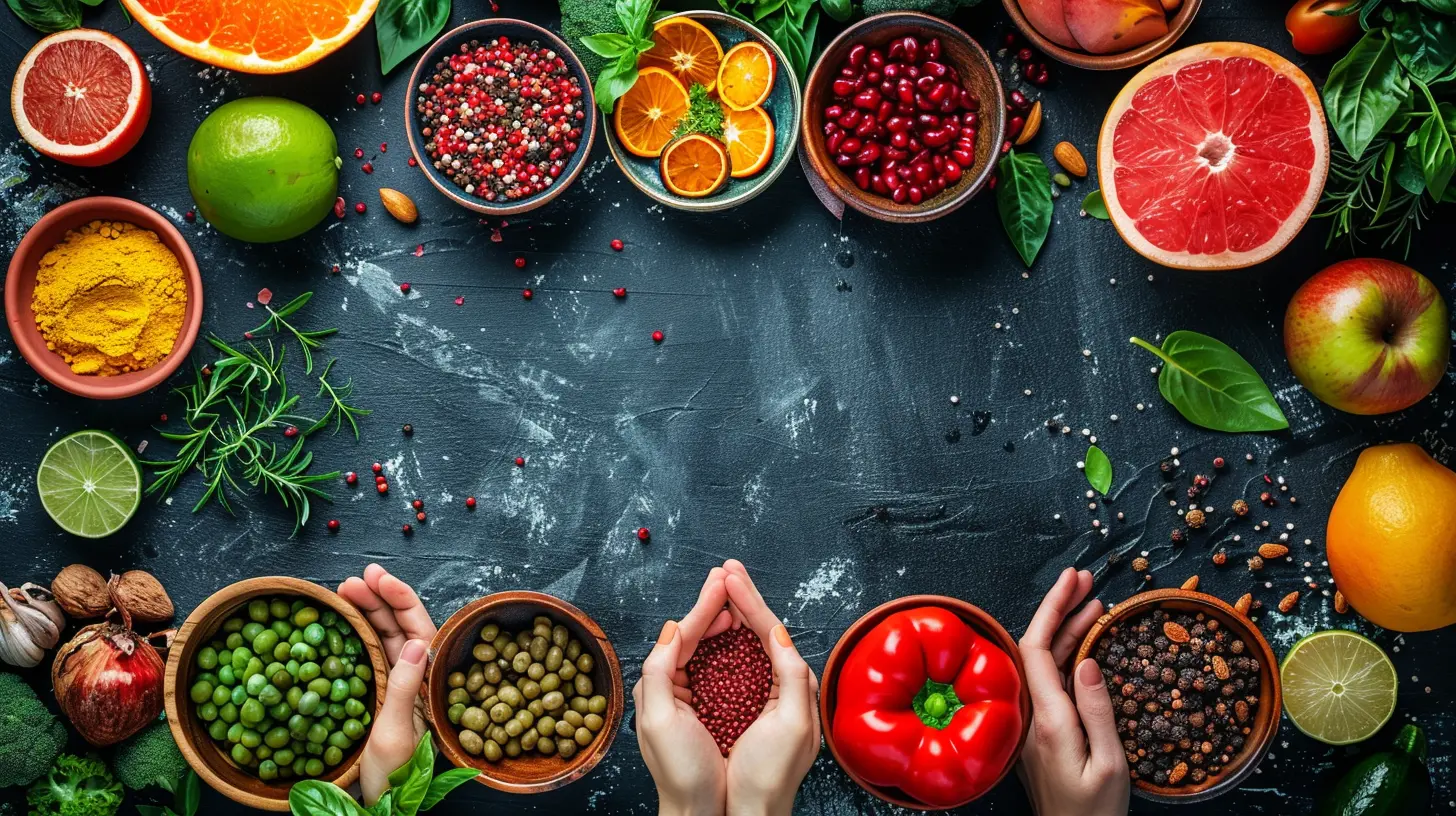
Your immune system runs on the fuel you provide it. Junk food and processed snacks? They weaken it. Whole, unprocessed foods? They make it stronger.Immune-Boosting Foods:
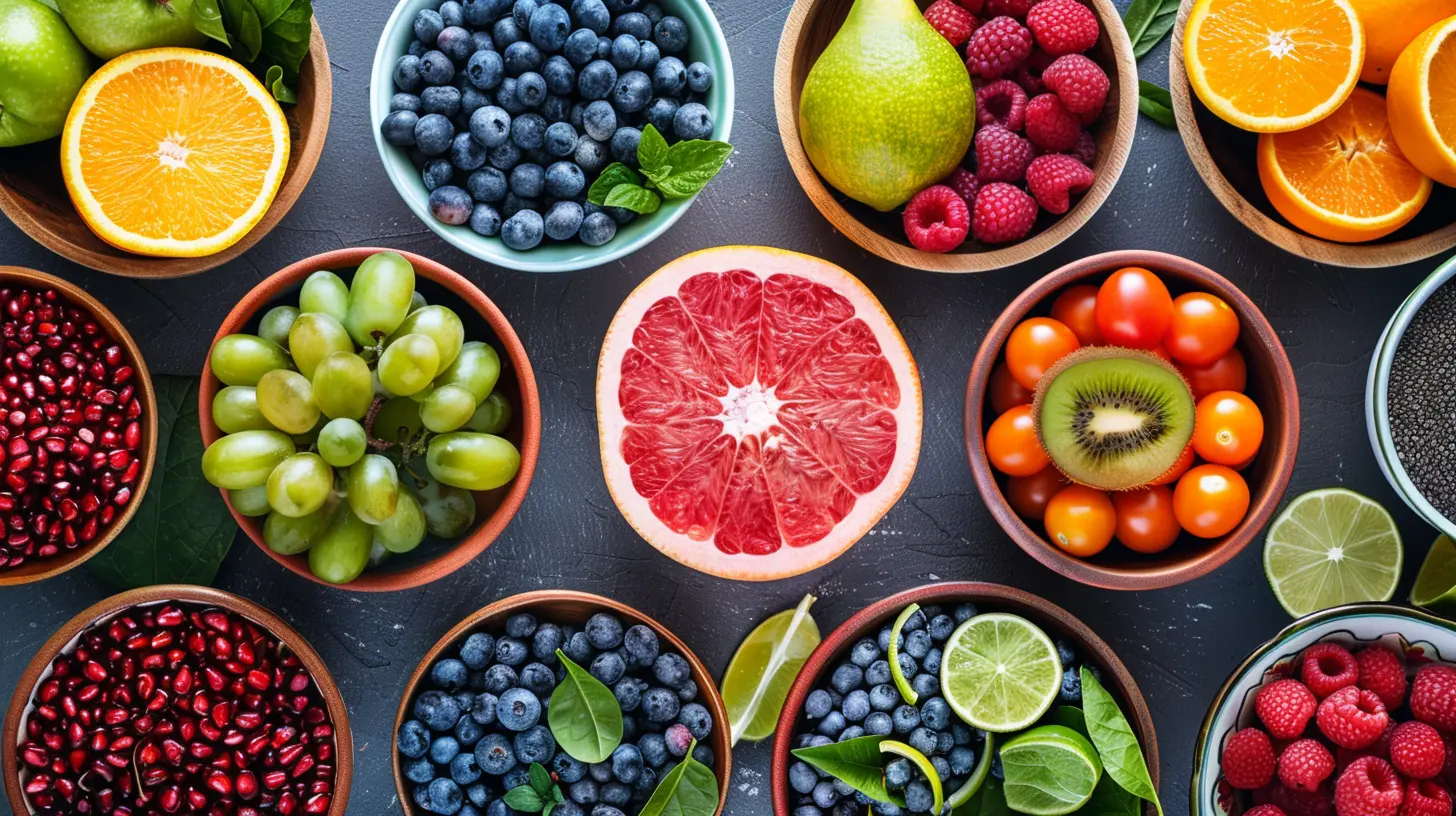
- Fruits and Vegetables: Packed with vitamins, minerals, and antioxidants, they help fight off free radicals and support immune function.- Protein: Lean meats, fish, eggs, and legumes are essential for producing immune cells.
- Healthy Fats: Avocados, nuts, and olive oil help reduce inflammation, which supports immunity.
- Probiotics: Yogurt, kefir, sauerkraut, and kimchi promote a healthy gut, which is directly linked to immune health.
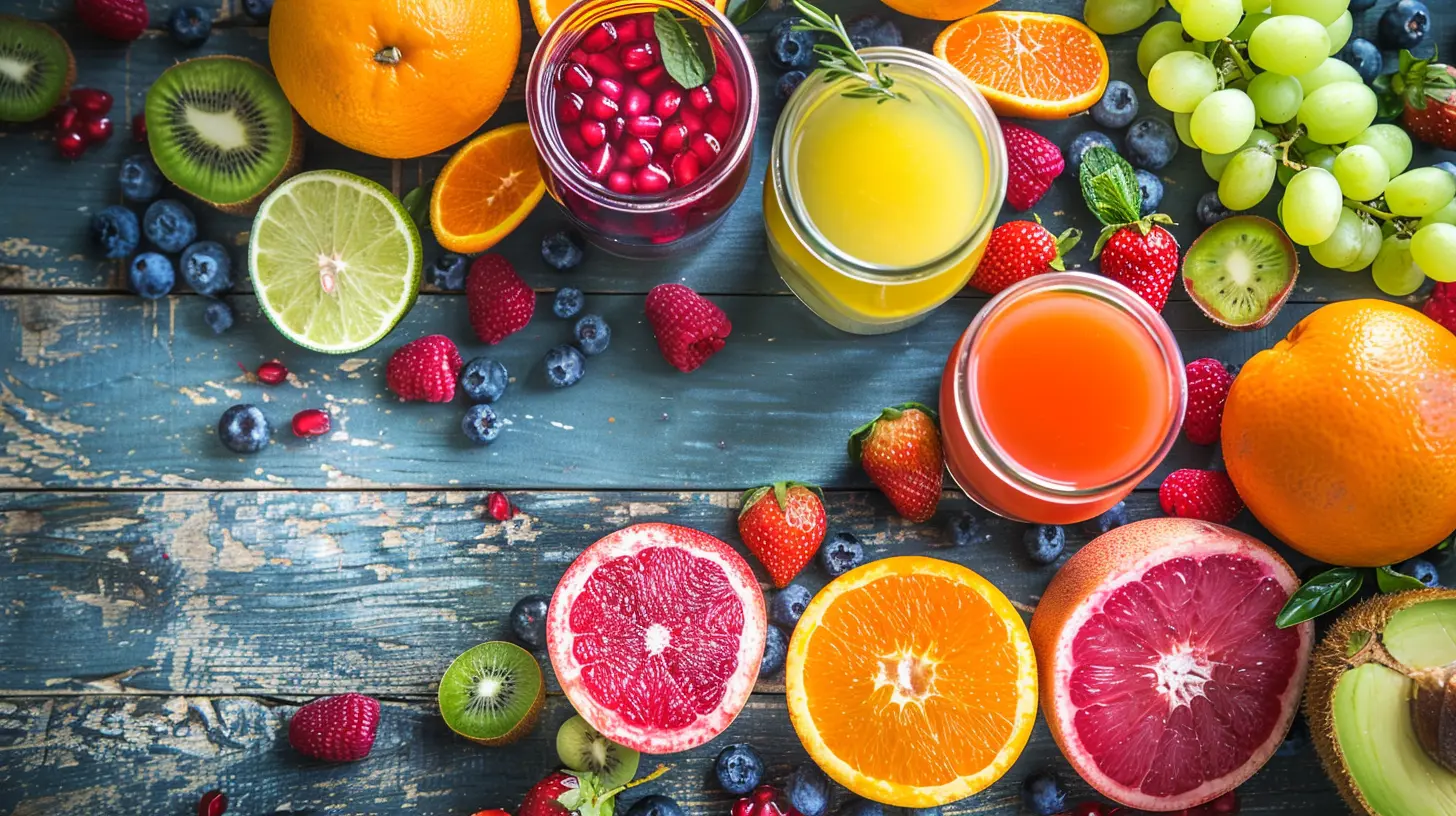
- Hydration: Water, herbal teas, and natural juices keep you hydrated and help flush out toxins.
Want to supercharge your meals? Add garlic, ginger, turmeric, and citrus fruits—these have powerful immune-boosting properties.
3. Manage Stress Effectively
Stress isn’t just "all in your head"—it has real effects on your immune system. When stress levels rise, your body releases cortisol, a hormone that suppresses immune function.Ways to Keep Stress in Check:
- Practice mindfulness: Meditation, deep breathing, and journaling can help calm your mind.- Stay active: Exercise releases endorphins, which combat stress naturally.
- Connect with loved ones: Talking things out with friends or family can ease tension and boost emotional well-being.
- Limit news and social media exposure: Constant negativity can heighten stress, so take breaks from it.
A little stress is normal, but chronic stress? That’s a recipe for a weakened immune system. Find ways to relax and recharge.
4. Get Regular Exercise
Exercise isn’t just for losing weight or building muscle—it plays a huge role in keeping your immune system strong. Regular movement improves circulation, allowing immune cells to travel through your body more efficiently.The Best Exercise for Immune Health:
- Moderate Aerobic Activities: Walking, jogging, cycling, or swimming for at least 30 minutes a day.- Strength Training: Resistance exercises help maintain muscle mass, which supports overall health.
- Yoga and Stretching: These keep stress levels in check while improving flexibility and circulation.
But here’s the catch—over-exercising can actually weaken your immune system. Aim for balanced, moderate activity rather than extreme workouts.
5. Maintain a Healthy Gut
Your gut is home to trillions of bacteria, and believe it or not, they play a huge role in immunity. A well-balanced gut microbiome helps fight off infections and prevents chronic inflammation.How to Support Gut Health:
- Eat probiotic-rich foods: Yogurt, miso, kombucha, and other fermented foods introduce good bacteria into your system.- Increase fiber intake: Fruits, vegetables, and whole grains feed the good bacteria in your gut.
- Reduce sugar and processed foods: They promote harmful bacteria growth and weaken the immune response.
Taking care of your gut is like maintaining healthy soil for a thriving garden. When your gut is healthy, your immune system flourishes.
6. Stay Hydrated
Water is essential for every function in your body, including your immune system. It helps flush out toxins, keeps your cells functioning properly, and maintains healthy mucous membranes (which act as first-line defenses).Hydration Tips:
- Drink at least 8 glasses (2 liters) of water daily.- Opt for herbal teas and infused water for variety.
- Limit sugary drinks and alcohol, as they dehydrate you.
If your urine is dark yellow, you’re likely dehydrated—keep sipping water throughout the day.
7. Cut Back on Alcohol and Smoking
Both alcohol and smoking severely weaken immune function. Alcohol disrupts gut health and reduces your body’s ability to fight infections, while smoking damages your respiratory system, making you more prone to illnesses.Healthier Alternatives:
- Swap alcohol for mocktails or herbal drinks.- Replace smoking with deep breathing exercises or nicotine alternatives.
- Find social activities that don’t revolve around drinking or smoking.
Even small reductions in alcohol and tobacco can drastically improve your immune system over time.
8. Get Enough Sunlight (Vitamin D)
Vitamin D is often called the "sunshine vitamin" for a reason—it plays a crucial role in immune function. Low levels of Vitamin D are linked to increased susceptibility to infections.Ways to Boost Vitamin D Levels:
- Spend at least 10-30 minutes in the sun daily.- Eat vitamin D-rich foods like fatty fish, eggs, and fortified dairy.
- Take a good-quality vitamin D supplement if needed.
If you’re stuck indoors or in a region with limited sunlight, consider getting your vitamin D levels checked.
9. Practice Good Hygiene
A strong immune system is great, but practicing good hygiene is your first line of defense against infections.Hygiene Habits to Adopt:
- Wash your hands frequently with soap and water for at least 20 seconds.- Keep surfaces clean, especially in high-touch areas like doorknobs and phones.
- Avoid touching your face, as germs enter through the nose, mouth, and eyes.
Basic hygiene combined with a strong immune system is a powerful shield against illnesses.
10. Laugh, Socialize, and Stay Positive
Believe it or not, happiness and social interaction play a role in immune function. Studies show that positive emotions and strong social connections help reduce stress and improve overall health.Ways to Boost Emotional Well-being:
- Laugh more—watch a comedy or spend time with fun people.- Stay connected with loved ones, whether in person or virtually.
- Practice gratitude, focusing on things that make you happy.
A happy mind leads to a healthier body, so don’t underestimate the power of positivity.
Final Thoughts
Your immune system isn’t just about genetics—it’s deeply influenced by how you live your life. Small, consistent changes in sleep, diet, stress management, exercise, and hydration can make a massive difference in your overall health.There’s no magic pill for immunity, but with these lifestyle changes, you’ll give your body everything it needs to be its strongest, healthiest version.
So, ready to boost your defenses? Start today—your immune system will thank you!
all images in this post were generated using AI tools
Category:
Healthy Immune SystemAuthor:

Jackson Mahoney
Discussion
rate this article
1 comments
Ford Myers
Stop making excuses. Prioritize sleep, eat whole foods, stay active, and manage stress. Your immune system is your shield; treat it with respect and care.
July 22, 2026 at 4:52 PM
Jackson Mahoney
Thanks for the reminder! Prioritizing those essentials is key for a strong immune system.