Family-Friendly Meals That Please Everyone
22 September 2026
Let's be honest about something right up front. The phrase "family-friendly meals that please everyone" is one of the great marketing lies of the modern kitchen, right up there with "quick and easy cleanup" and "the kids won't even notice the vegetables." Someone always notices the vegetables. There is always one person at the table who has decided, on principle, that green things are a personal attack.
So let's reframe. A meal that pleases everyone does not mean a meal where every single human at the table experiences identical joy. That is a fantasy. What it actually means is a meal where nobody feels ambushed, nobody has to eat something they genuinely hate, and the person cooking does not have to become a short-order cook with a martyr complex.
That's the real goal. Not perfection. Negotiated peace.
I've spent a lot of years thinking about how families eat, and I've watched a lot of well-meaning advice fail in real kitchens. So this is the honest version. The version that accounts for the kid who only eats beige food, the partner who "doesn't really do fish," and the fact that you have roughly forty minutes and one working nerve.
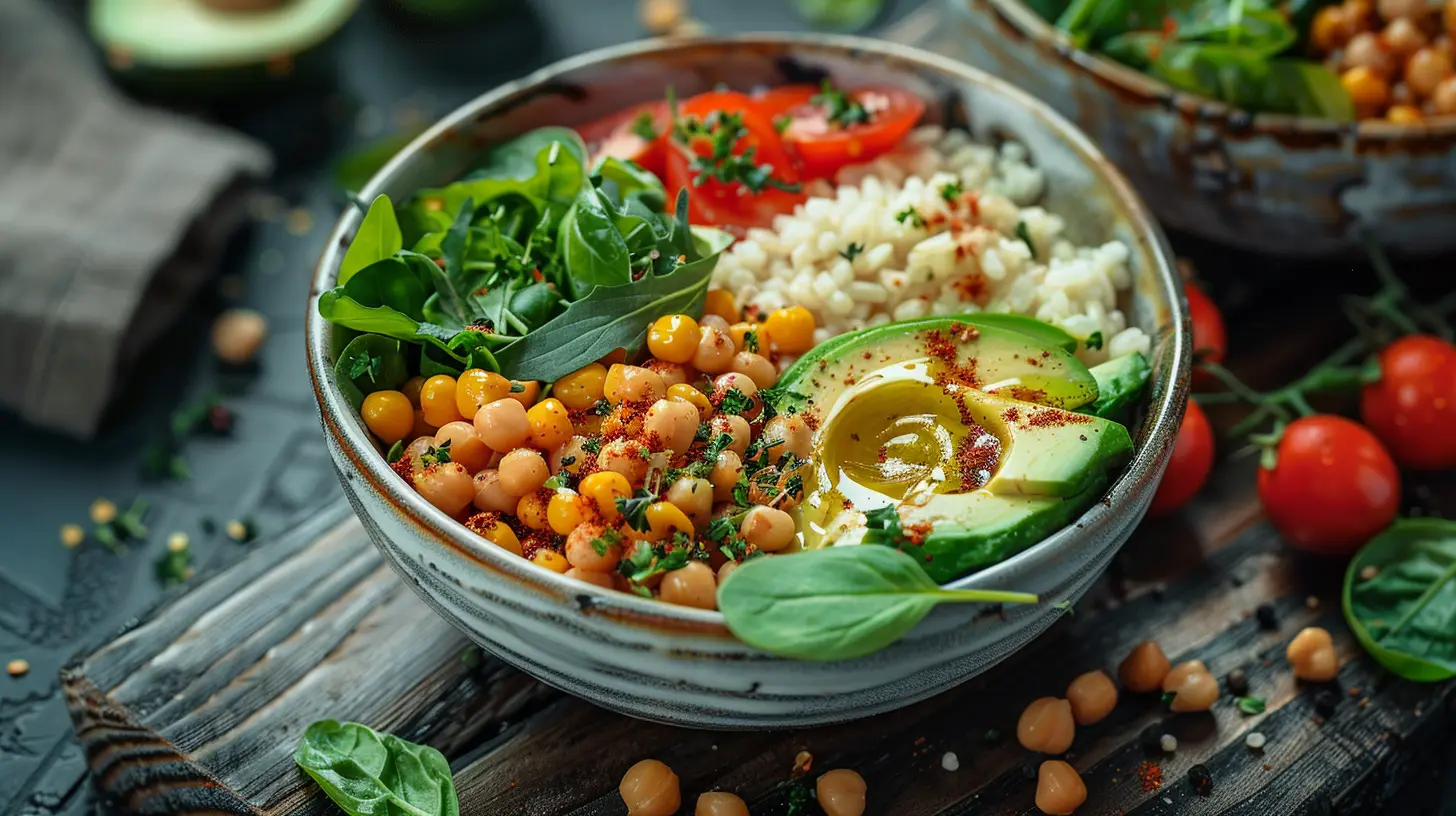
Why "Pleasing Everyone" Is the Wrong Target
Here's the thing that trips up most parents. They treat dinner as a popularity contest they need to win. If a child doesn't clean the plate, they've failed. If someone sighs, the whole meal is ruined.That framing is exhausting and it's also backwards. Your job is not to make everyone happy. Your job is to put a reasonable, nutritious meal on the table and let people be responsible for eating it. The happiness part is a bonus, not a requirement.
This matters because chasing universal approval leads to a specific, predictable spiral. You start cooking separate meals. Then you're cooking three dinners a night. Then you resent the whole enterprise and start ordering takeout because at least nobody complains about pizza.
The families who actually eat well together long-term have usually figured out that "pleasing everyone" is really about structure, not recipes. It's about building meals with enough flexibility that people can adjust their own plate without you doing extra labor.
That's the core idea I want you to take away. Flexibility beats perfection. Every time.
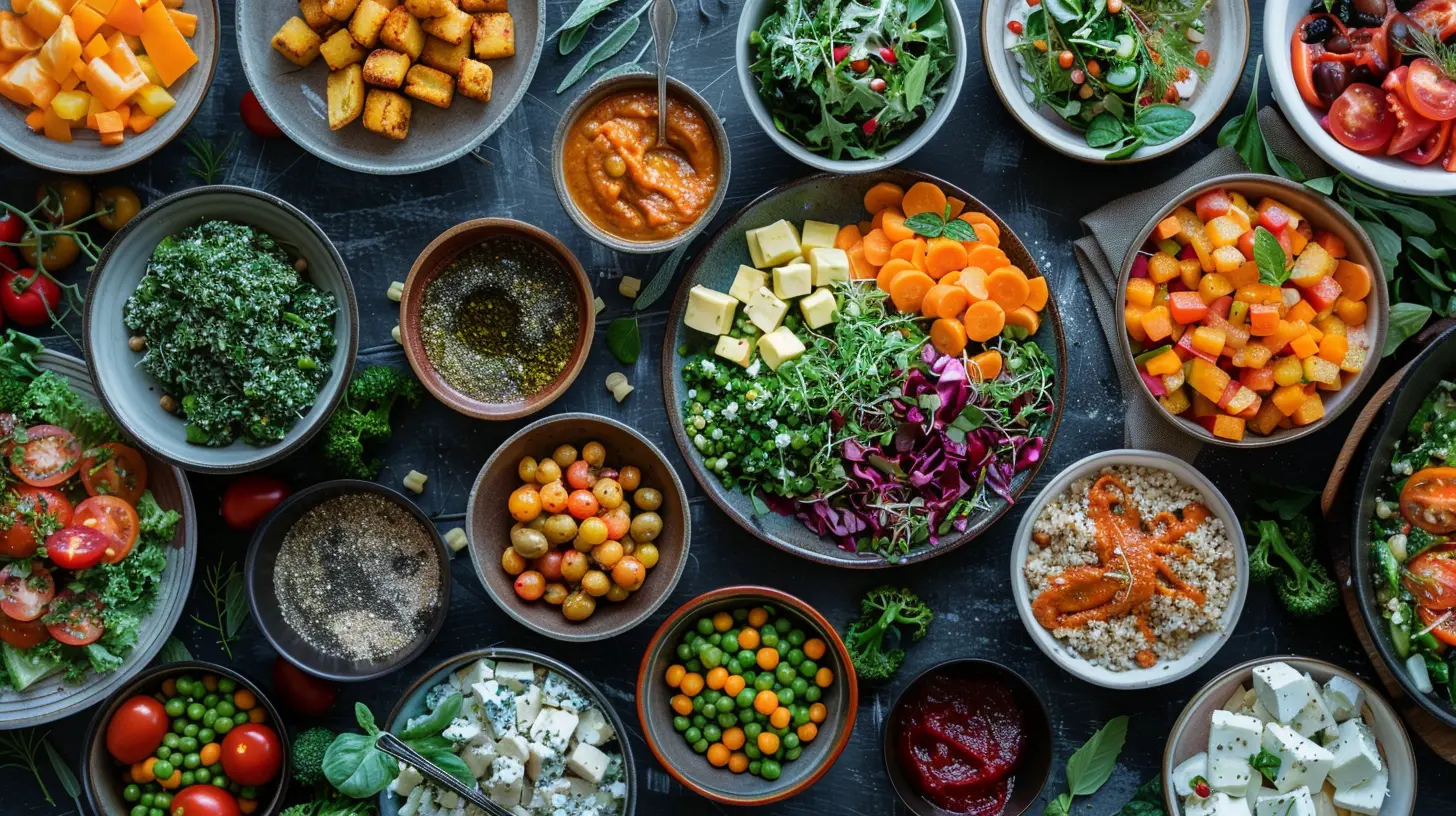
The Three-Part Framework That Actually Works
Most family meal advice gives you a list of recipes. Recipes are fine, but they don't solve the underlying problem, which is that different people want different things at the same time.What works is a framework. Think of it as a set of rules you apply to almost any meal.
Rule One: Build in a "Base" and "Add-Ons"
The most useful habit I know is to structure meals so there's a neutral base that almost everyone accepts, plus toppings or components that people can take or leave.Tacos are the classic example, and there's a reason they come up constantly in this conversation. The base is a tortilla and some seasoned protein. Then you lay out cheese, lettuce, salsa, sour cream, beans, whatever. The picky kid takes meat and cheese. The adventurous one loads everything. The vegetarian skips the meat and doubles the beans. Nobody had to cook three meals.
The same logic applies to:
- Baked potato bars, where the potato is the base and everyone builds their own.
- Pasta with a plain sauce on the side, so people can add what they want.
- Rice bowls, where the grain is neutral and the toppings vary.
- DIY pizza nights, where everyone tops their own portion.
- Grain salads, where the dressing goes on at the table.
The reason this works is psychological as much as culinary. When people assemble their own plate, they feel in control. And people who feel in control complain less. It's not a trick. It's just how humans work.
Rule Two: Always Include One "Safe" Item
Every meal should have at least one thing you know, with near certainty, that each person will eat. For one kid that might be plain rice. For another it's bread. For your partner it might be the roasted carrots.This is not caving to pickiness. It's insurance. It means that even on a night when the main dish is a bust for someone, they still have something to eat, and you don't have to get up and make them a sandwich.
The safe item also lowers the stakes for everyone. Kids are more willing to try a bite of something new when they know there's a fallback on their plate. Pressure makes people dig in. Options make them relax.
Rule Three: Serve Family Style, Not Plated
This one sounds small but it changes everything. Put the food in bowls in the middle of the table and let people serve themselves.When you plate food in the kitchen, you decide the portions and the combinations. You become the gatekeeper. And the moment a child sees a puddle of sauce touching their rice, the negotiation begins.
When food is family style, people take what they want. A kid who hates sauce just doesn't take sauce. A teenager who's hungry takes more. You've removed yourself from the middle of every decision, and that's a huge amount of emotional labor you get to stop doing.
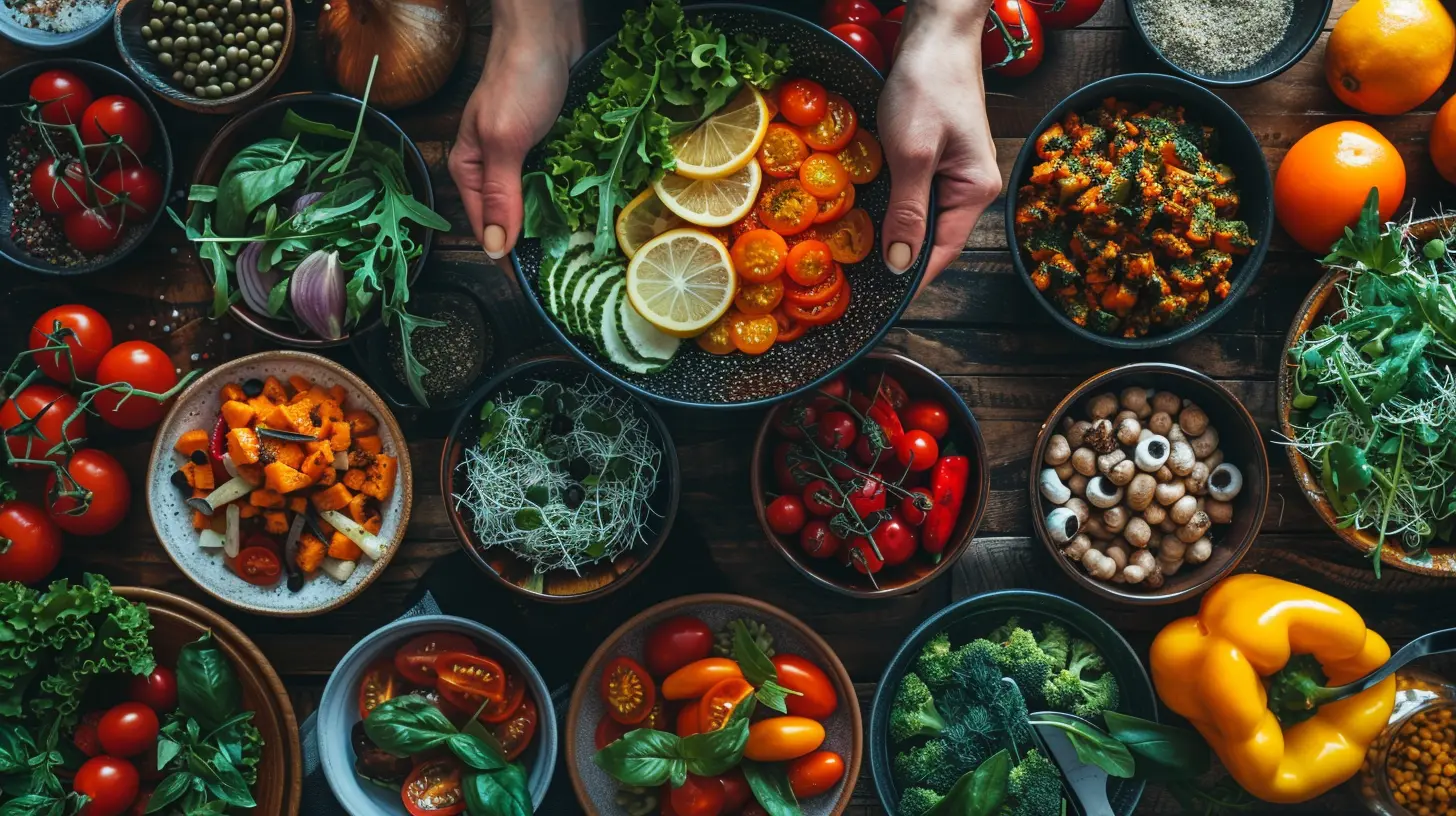
The Picky Eater Problem, Handled Honestly
Let's talk about picky eaters, because they're usually the reason this whole topic exists.The internet loves to tell you that if you just keep offering broccoli in fun shapes, your child will eventually love it. Sometimes that's true. Often it isn't, at least not on your timeline.
Here's what I'd actually suggest, based on how feeding dynamics tend to play out.
Stop Making It a Power Struggle
The more you push, the more a picky eater digs in. This is well-documented in feeding research, and it matches what any parent observes. Pressure backfires.The better move is what's often called the division of responsibility. You decide what's served and when. The child decides whether and how much to eat. That's it. You're not a waiter. You're not a negotiator. You put out a decent meal with at least one safe item and you let it go.
This feels terrifying the first few times. You worry they'll starve. They won't. A typically developing child will eat when they're hungry. What they won't do is eat on command.
Offer, Don't Force
Keep putting the new food on the table. Not on their plate necessarily, just on the table. Let them see it, smell it, watch you eat it. Repeated exposure without pressure is the single most reliable way to expand a kid's palate over time.It might take fifteen exposures before a child willingly tries a new vegetable. That sounds absurd until you remember that you've probably eaten thousands of meals in your life and your preferences took years to form too.
The "One Bite" Rule Is a Trap
You've heard the advice. Everyone takes one bite of everything. Sounds reasonable.In practice, it turns dinner into a nightly standoff. And for kids with genuine sensory sensitivities, a forced bite can be genuinely distressing, not just annoying.
If your family enjoys the one-bite rule and it's low-stress, fine. But if it's causing tears or tantrums, drop it. It's not worth the damage to the relationship around food.
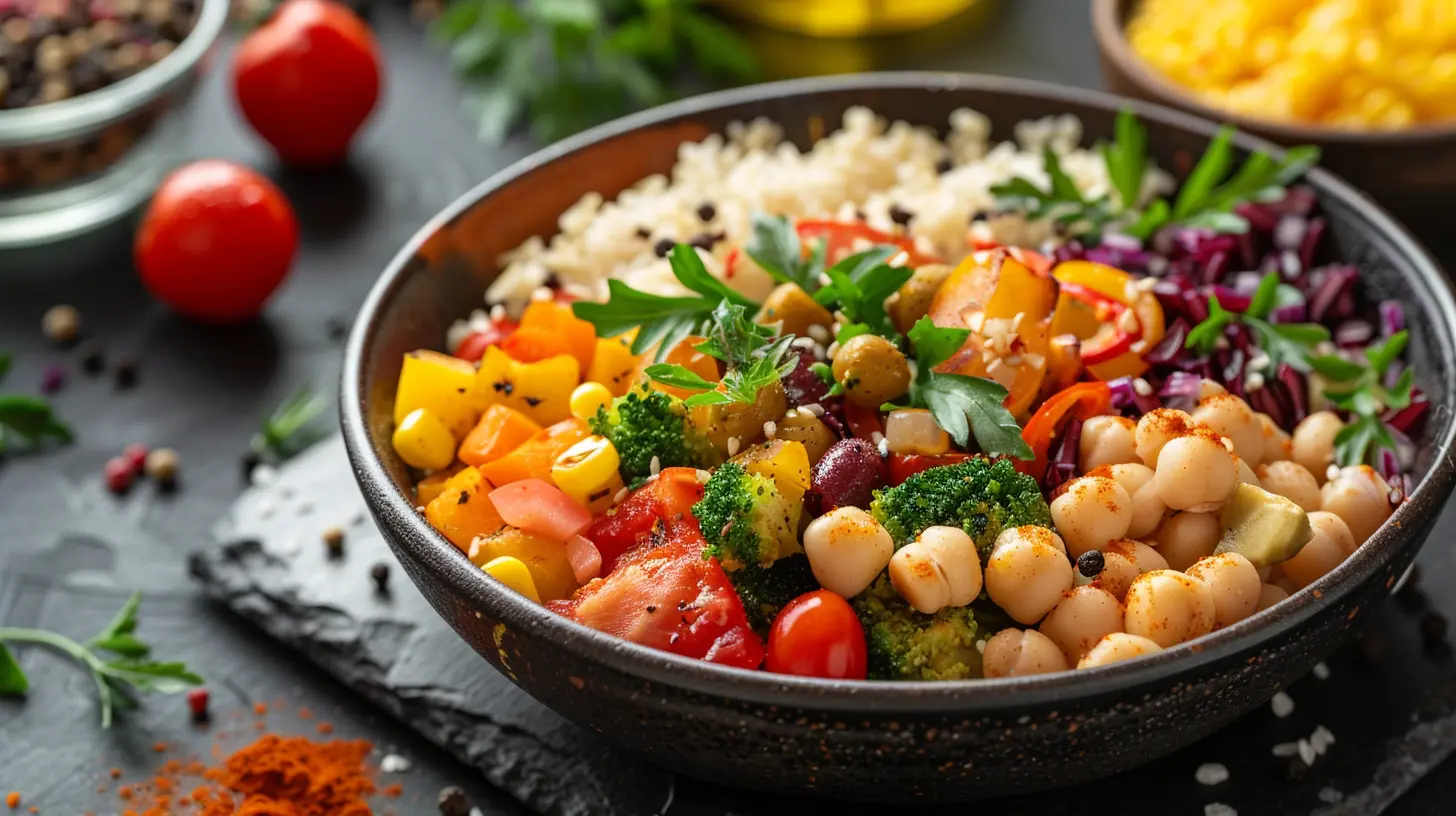
Real-World Meals That Tend to Work
Enough theory. Here are meal patterns that tend to survive contact with actual families, along with why they work and where they fall down.The Build-Your-Own Bowl
Base of rice, quinoa, or pasta. Protein on the side. Vegetables roasted or raw. Sauce in a bowl with a spoon.Why it works: total customization, minimal cooking complexity, easy to scale.
Where it fails: if you don't prep components ahead, it can feel like a lot of little tasks. Batch cook grains and proteins on the weekend to make weeknights fast.
The Sheet Pan Dinner With a Side of Bread
Protein and vegetables roasted together on one pan. Bread or a simple starch on the side.Why it works: one pan, minimal cleanup, and the bread is the universal safe item.
Where it fails: roasted vegetables can be a hard sell for some kids. Keep one vegetable raw and plain as an alternative.
The Pasta Night With Modular Sauce
Plain pasta, sauce on the side, plus a protein and a vegetable.Why it works: pasta is the ultimate safe food. Sauce on the side means no one has to eat it wet if they don't want to.
Where it fails: it's easy to lean on this too often and end up in a carbohydrate rut. Rotate in other bases.
The Breakfast-for-Dinner
Eggs, toast, fruit, maybe some yogurt.Why it works: breakfast foods are familiar and usually well-liked. It's fast. It feels like a treat even though it's cheap.
Where it fails: if your kid only eats pancakes, this can become another battle. Keep eggs and fruit as the anchors.
The Taco or Wrap Night
Tortillas, protein, cheese, vegetables, salsa.Why it works: covered above. It's the gold standard for a reason.
Where it fails: if you have a child who won't eat mixed textures, a wrap can be a challenge. Let them eat the components separately. That's fine.
Common Mistakes That Sabotage Family Dinners
I've made most of these. Let's name them so you can skip the painful part.Cooking to Order
The moment you start making separate meals for each person, you've lost. Not because it's morally wrong, but because it's unsustainable. You'll burn out. And you'll teach everyone that the kitchen is a restaurant with unlimited substitutions.If someone doesn't like dinner, the fallback is something simple and self-serve. Yogurt. Cereal. A sandwich they make themselves if they're old enough. Not a freshly cooked alternative.
Announcing the Menu Like a Warning
"Tonight we're having fish and broccoli!" Said with a nervous smile, this tells everyone that dinner is a problem to be endured.Just put the food out. Don't editorialize. Don't apologize. Don't bribe. Your confidence, or at least your neutrality, sets the tone.
Using Dessert as a Bargaining Chip
"You can have ice cream if you eat your green beans" teaches a very specific lesson: vegetables are punishment and dessert is reward. That lesson sticks for decades.Dessert is either part of the meal or it isn't. It's not a lever.
Assuming Kids' Food Has to Be Bland
This one drives me a little crazy. Children's menus are a wasteland of chicken nuggets and buttered noodles. But plenty of kids eat curry, tacos, and strongly flavored food at home.You don't have to dumb down your cooking. You just have to offer a plain version alongside the seasoned one. Serve the sauce on the side. Let them opt in.
When to Compromise and When to Hold the Line
Not every battle is worth fighting. Here's how I'd think about it.Compromise on:
- Spice level. Let people add heat themselves.
- Sauce and dressing. Always serve on the side when in doubt.
- Texture. Some people genuinely cannot handle certain textures. Respect it.
- Portion size. Forcing a clean plate is a great way to mess up someone's relationship with food.
Hold the line on:
- Sitting at the table together, at least most nights.
- One meal for the family, not a custom order for each person.
- Basic manners. "I don't care for this" is fine. "This is disgusting" is not.
- Trying new things, eventually. Not every night, but over time.
The distinction is between accommodating genuine preferences and catering to every whim. One builds a healthy eater. The other builds a tyrant.
A Word on Nutrition Without the Lecture
You probably already know the basics. Vegetables, protein, whole grains, not too much sugar. You don't need another article telling you that.What I'd add is this: zoom out. A single meal doesn't matter much. A week matters more. A month matters more still.
If your kid eats nothing but bread and butter on Tuesday but has fruit and yogurt and chicken over the course of the week, you're fine. Stop judging your parenting by what happens in a single sitting. It's a long game.
Making It Sustainable for the Cook
Here's the part almost nobody writes about. The person cooking is a person too. If dinner is a nightly ordeal for you, it will eventually show up in the food.So protect your own energy.
- Batch cook when you can. Grains, proteins, roasted vegetables.
- Keep a few no-thought meals in your back pocket. Eggs and toast count.
- Lower your standards on weeknights. Save the impressive stuff for weekends.
- Let other people cook sometimes, even if it's just cereal. Especially if it's just cereal.
- Eat something you actually enjoy at least a few times a week. Your preferences matter too.
A resentful cook makes resentful food. Nobody wants that.
The Bottom Line
Family-friendly meals that please everyone are not about finding the magic recipe that every single person loves. That recipe does not exist, and chasing it will make you miserable.They're about building meals with structure. A neutral base. Flexible add-ons. At least one safe item. Family-style serving. No pressure, no short-order cooking, no bargaining with dessert.
Get those habits in place and dinner stops being a nightly crisis. It becomes just dinner. Maybe even a decent one.
And on the nights it falls apart completely? Cereal is a perfectly respectable meal. I won't tell anyone if you won't.
all images in this post were generated using AI tools
Category:
Balanced DietAuthor:

Jackson Mahoney