Farm-to-Table Salad Inspiration for Conscious Eaters
14 October 2026
A salad is only as good as what goes into it. That sounds obvious, but the statement carries more weight than most people realize. When you buy a head of lettuce that traveled 1,500 miles in a refrigerated truck, picked weeks before it reached your plate, you are working with ingredients that have already begun their decline. When you buy that same lettuce from a grower 20 miles away, harvested the same morning, you are working with something entirely different. The difference is not romantic. It is chemical, structural, and measurable in the eating.
This article is for people who already understand that distinction on some level and want to go further. Not just buying local when it is convenient, but building salads that reflect a genuine relationship between farm and table. That means understanding seasonality, knowing how to evaluate produce, adjusting techniques based on what is actually available, and making deliberate choices about the trade-offs involved.
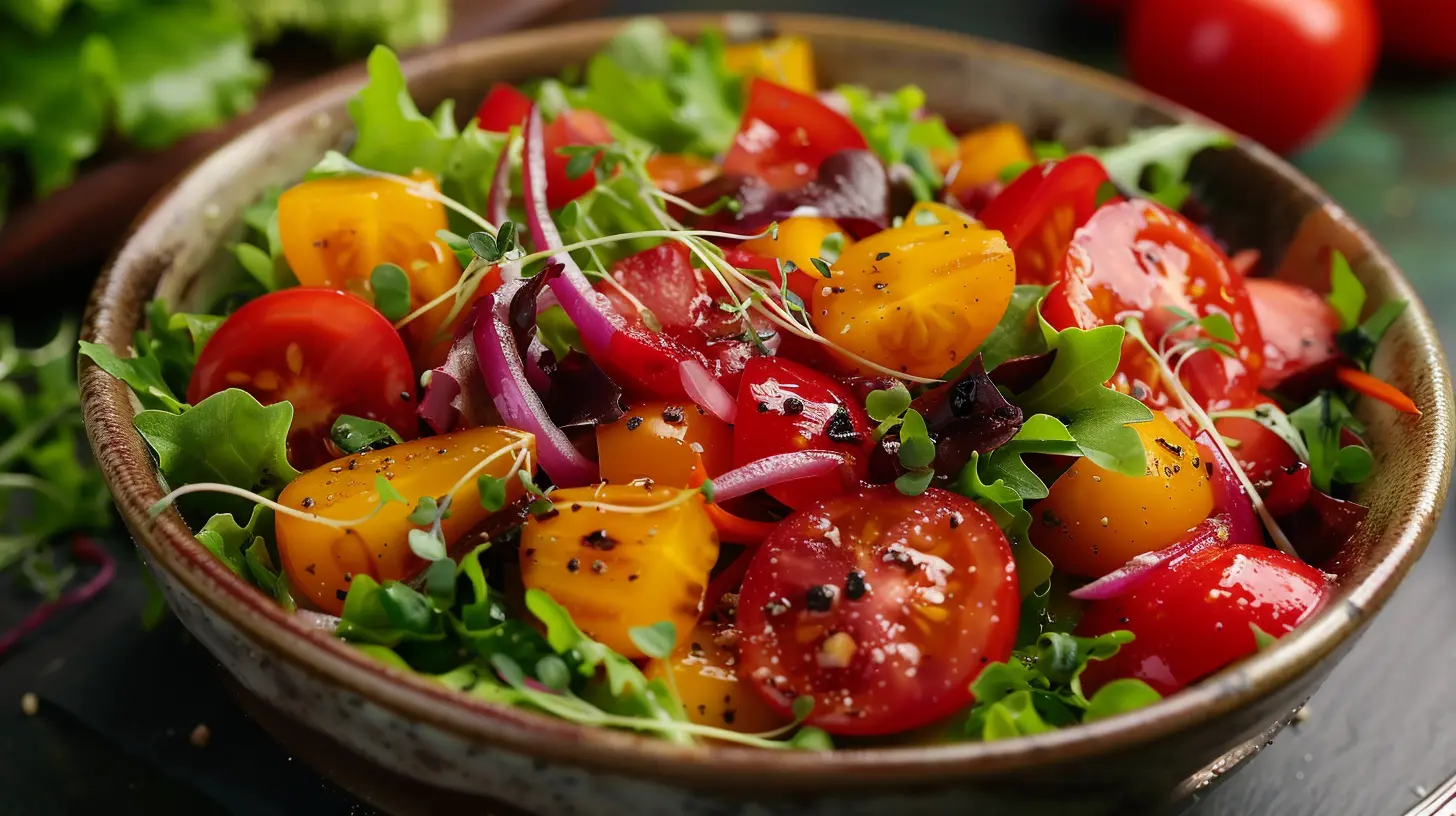
Why Farm-to-Table Matters for Salad Specifically
Salads are uniquely sensitive to sourcing. A stew can mask a mediocre carrot. A soup can absorb an underripe tomato without anyone noticing. A salad cannot hide anything. Every ingredient sits exposed on the plate, and the eater encounters each one directly. This is why salads are the most honest test of ingredient quality in any kitchen.The science behind this is straightforward. Once a vegetable is harvested, it continues to respire, consuming its own sugars and starches for energy. It loses moisture through transpiration. Vitamins, particularly vitamin C and folate, degrade over time. Cell walls soften as enzymes break down pectin. A lettuce harvested on Monday and eaten on Saturday has lost a significant portion of its sugar content, its structural integrity, and its nutritional density. None of this is speculation. It is well-established post-harvest physiology.
Cold chains slow these processes but do not stop them. A refrigerated supply chain preserves produce well enough for long-distance distribution, but it cannot replicate the quality of something eaten within hours of harvest. That is the core argument for farm-to-table salads. Not ideology, but biology.
There is also the matter of variety. Supermarket produce is bred for durability, uniform appearance, and shelf life. Flavor and texture are secondary considerations in most commodity supply chains. A commercial tomato variety like Roma or Beefsteak, grown for shipping, is selected because it holds up in transit, not because it tastes exceptional. Farmers who sell directly to consumers or to local restaurants operate under different constraints. They can grow varieties that taste remarkable but bruise easily, that have short harvest windows, that do not ship well. These are the varieties that make salads memorable.
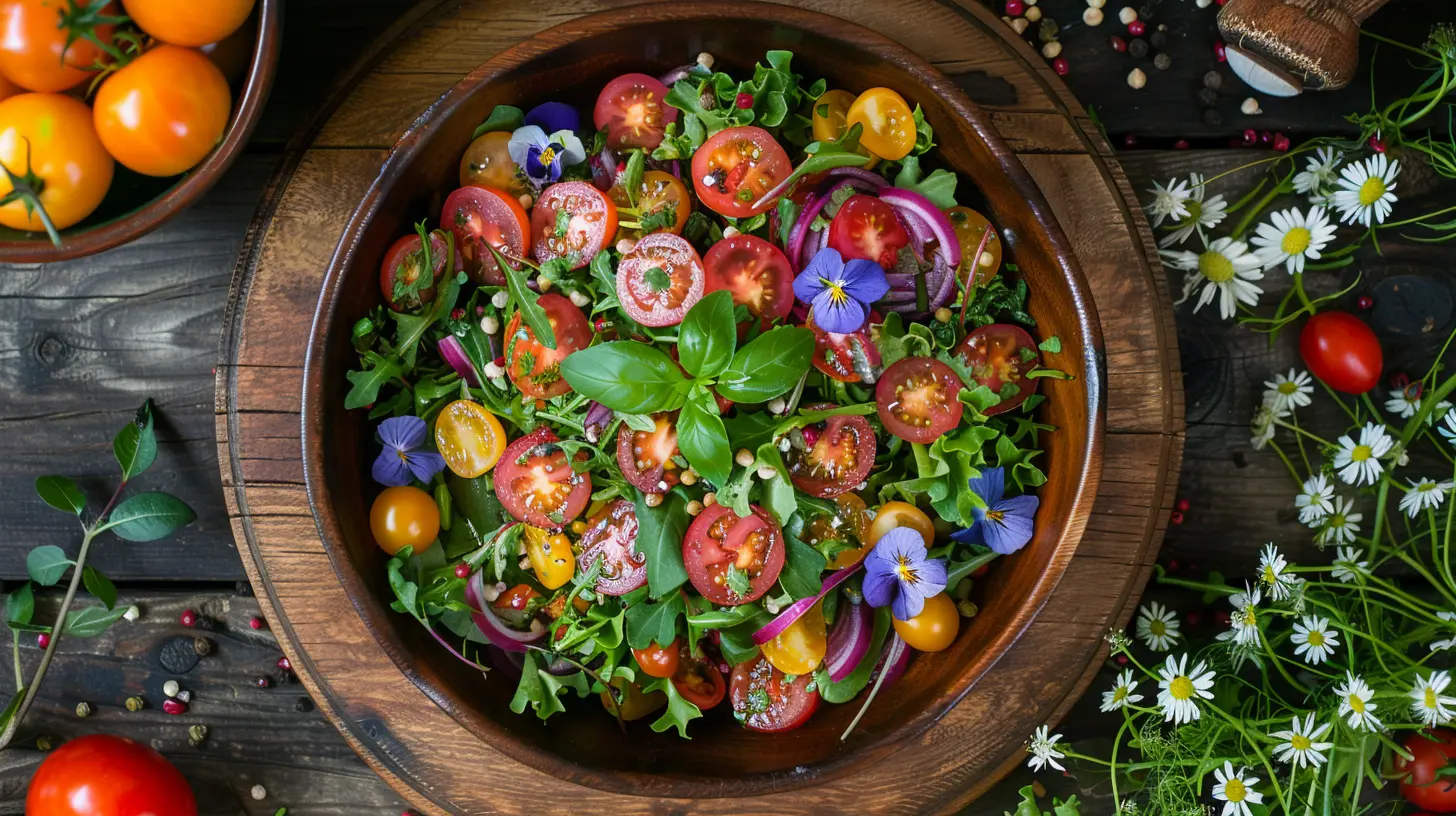
Understanding Seasonality Without Being Rigid About It
Seasonal eating is often presented as a binary. Either you eat only what grows in your region at this exact moment, or you ignore seasonality entirely. Neither approach is practical or particularly useful.A more workable framework treats seasonality as a spectrum. At one end are ingredients at their absolute peak, harvested within your region, eaten within days or hours. At the other end are storage crops, preserved foods, and imported items that fill gaps. The goal is not purity. It is awareness. Knowing what is at peak and what is not allows you to make informed decisions about where to invest your attention and your money.
Consider a late January salad in a cold climate. Nothing fresh is growing outdoors. Your options include storage crops like carrots, beets, cabbage, and winter squash; greenhouse-grown greens, which require significant energy inputs; imported produce from warmer regions; and preserved items like fermented vegetables, pickled onions, or dried tomatoes from last summer.
A salad built from roasted beets, shaved raw Brussels sprouts, toasted seeds, and a preserved lemon dressing can be extraordinary. It does not pretend to be a summer salad. It works with what January actually offers. Compare that to a January salad made from pale, mealy tomatoes and tasteless imported cucumbers. The first approach respects the season. The second fights it and loses.
The practical takeaway is this: build your salad around what is genuinely good right now, not around a fixed idea of what a salad should contain. This requires flexibility and a willingness to cook or prepare ingredients in ways that differ from raw assembly. Roasting, pickling, fermenting, and marinating are all techniques that transform storage crops into salad-worthy components.
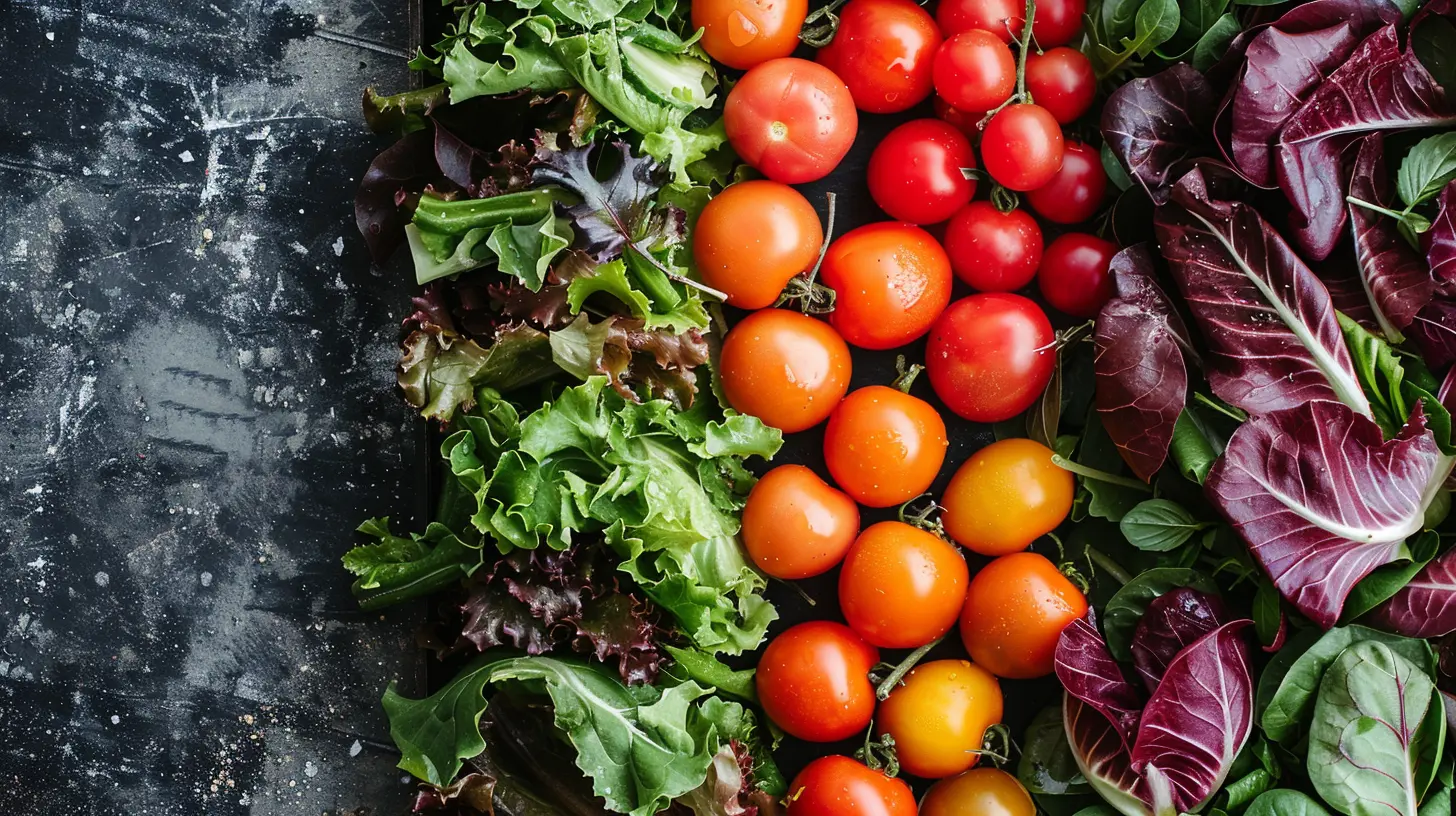
Building a Salad That Tells a Story of Place
A farm-to-table salad should taste like somewhere. It should carry the character of a specific region, a specific farm, a specific moment in the growing season. This is not abstract philosophy. It has practical implications for how you choose and combine ingredients.The Role of Terroir in Vegetables
Terroir is a concept most associated with wine, but it applies to vegetables as well. Soil composition, climate, water availability, and farming practices all influence how a vegetable tastes. A carrot grown in heavy clay soil tastes different from one grown in sandy loam. A tomato grown dry-farmed, without irrigation, concentrates its sugars and develops a more intense flavor than one grown with constant water. These differences are real and detectable.This is why the same variety of lettuce can taste radically different depending on the farm. It is also why building relationships with specific growers matters. When you know how a particular farm operates, you can anticipate what their produce will taste like and plan accordingly.
Pairing Ingredients by Origin
One approach to farm-to-table salad design is to think about what grows together. Ingredients that share a growing season and a region often pair well because they have evolved together in the same culinary tradition. A salad of peaches, arugula, and goat cheese works because all three are available in late summer in many temperate regions, and the combination of sweet, peppery, and creamy has been refined over generations.This is not a rule, but it is a useful starting point. When you source from a farmers market, look at what vendors are selling side by side. Those combinations often make intuitive sense.
When to Break the Rules
Strict locavorism has limits. Olive oil, citrus, salt, and spices do not grow everywhere. A salad without acid, fat, and salt is not a good salad. The goal is not to eliminate every non-local ingredient. It is to prioritize local ingredients where they make the biggest difference and to use imported staples judiciously.A dressing made with excellent olive oil from Spain and vinegar from Italy can elevate a salad of entirely local greens. The greens are the star. The dressing supports them. This is a reasonable balance.
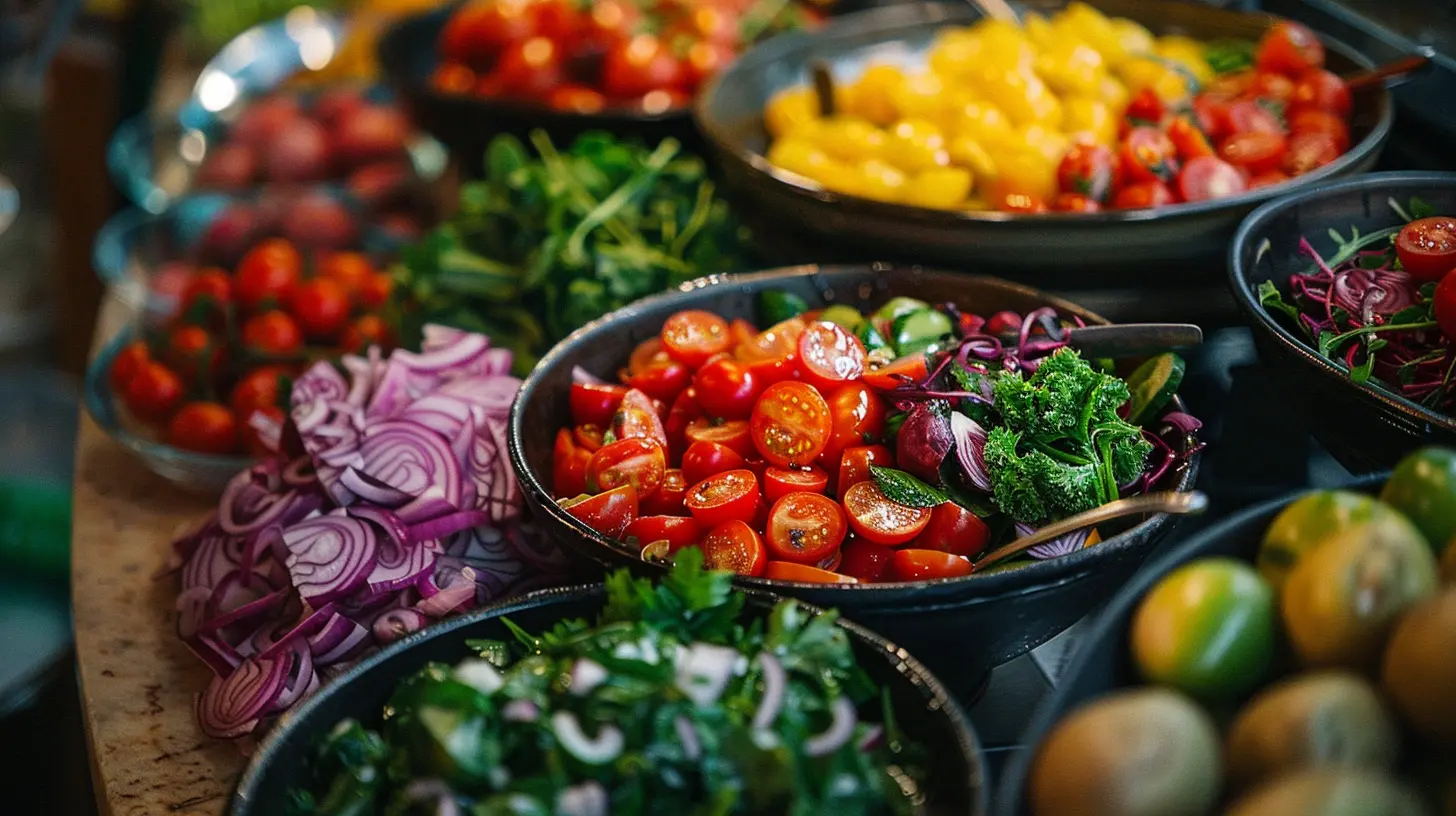
Practical Guidance for Sourcing
Knowing why farm-to-table matters is one thing. Actually sourcing ingredients that meet that standard is another. Here is how to approach it in practice.Farmers Markets
Farmers markets are the most direct route to farm-to-table ingredients for most people. But not all farmers markets are equal. Some are essentially outdoor grocery stores, with vendors reselling produce purchased at wholesale terminals. Others are genuine producer-only markets where every vendor grows what they sell.Ask questions. Where is your farm? What did you harvest this week? Do you grow everything you sell? Vendors who grow their own produce will answer these questions easily and specifically. Those who do not will be vague.
Timing matters too. Arrive early for the best selection, or arrive late for the best prices. Some vendors offer discounts at the end of the market to avoid packing up unsold produce. The trade-off is reduced selection.
Community Supported Agriculture
CSA programs involve paying a farm upfront for a share of its harvest throughout the season. This provides farmers with reliable income and gives members a direct connection to a specific farm. The trade-off is reduced choice. You get what the farm grows, which may include items you would not normally buy.For salad eaters, a CSA can be a powerful education. You learn to work with what is available, to plan meals around harvests rather than recipes, and to appreciate the natural rhythms of a growing season. It can also be frustrating if you are not prepared to cook or preserve everything you receive.
Direct-to-Consumer Farm Sales
Some farms sell directly to consumers through farm stands, online ordering, or pickup programs. This can offer more flexibility than a CSA while still providing fresh, locally grown produce. The selection depends on the farm and the season.Restaurants and Specialty Grocers
If you are not cooking at home, look for restaurants that name their farm sources on the menu. This is not a guarantee of quality, but it is a signal that the kitchen cares about sourcing. Specialty grocers that focus on local and regional products can also be good sources, though markup is often higher than buying directly from farms.Salad Construction: Technique Meets Ingredient
Great salads are not accidents. They result from deliberate decisions about texture, temperature, acidity, fat, salt, and sweetness. When your ingredients are exceptional, your technique should be minimal but precise.Balance Is Non-Negotiable
Every salad needs acid, fat, salt, and something with bite. This is true whether you are making a simple green salad or a complex composed plate. The proportions vary, but the elements do not.Acid can come from vinegar, citrus, fermented ingredients, or yogurt. Fat can come from oil, nuts, cheese, avocado, or cured meat. Salt can come from the ingredient itself, from added salt, or from salty components like olives or anchovies. Bite can come from raw alliums, mustard, horseradish, or peppery greens.
When a salad tastes flat, it is almost always missing one of these elements. Before adding more of anything, taste and ask what is missing. Usually, it is acid or salt.
Texture Matters as Much as Flavor
A salad of all soft ingredients is boring to eat, regardless of how good it tastes. Contrasting textures keep the palate engaged. Crisp, crunchy, creamy, chewy, and tender elements should coexist.Consider a salad of roasted beets and goat cheese. Both are soft. Add toasted walnuts for crunch, shaved fennel for crispness, and a few leaves of raw arugula for pepper and bite. Now the salad has dimension.
Temperature and Timing
Salads are often served cold, but they do not have to be. Room-temperature ingredients taste more intensely than cold ones because volatile aroma compounds are more active. A salad made with ingredients straight from the refrigerator will taste muted.Let dressed greens sit for a few minutes before serving. Let roasted vegetables cool to room temperature rather than chilling them. If you are using cheese, take it out of the fridge 30 minutes before you plan to eat.
Dress salads just before serving. Salt and acid begin breaking down cell walls immediately. A salad dressed 20 minutes ago is already wilting.
Seasonal Salad Examples With Reasoning
The following examples illustrate how to apply farm-to-table principles across different seasons. Each includes an explanation of why the combination works.Spring: Peas, Radishes, and Butter Lettuce
Spring produce is tender, sweet, and delicate. Peas, radishes, and butter lettuce are all at their peak in cool weather. The salad works because the sweetness of the peas balances the sharpness of the radishes, and the soft butter lettuce holds a light vinaigrette without wilting.Use a dressing made with champagne vinegar or lemon juice, a mild oil like grapeseed or sunflower, and a small amount of Dijon mustard. Add fresh mint or dill if available. Finish with flaky salt.
Summer: Tomatoes, Cucumbers, and Basil
This is the classic summer salad, and it works because all three ingredients are at their peak simultaneously. The key is to use tomatoes that have never been refrigerated. Cold destroys the volatile compounds responsible for tomato aroma. A refrigerated tomato is a shadow of what it should be.Salt the tomatoes before assembling. Let them sit for 10 minutes. The salt draws out juice, which becomes part of the dressing. Add sliced cucumbers, torn basil, olive oil, and a splash of red wine vinegar. Do not overcomplicate it.
Fall: Roasted Squash, Kale, and Apple
Fall salads often combine raw and cooked elements. Roasted squash provides sweetness and softness. Massaged kale provides structure and slight bitterness. Sliced apple adds crunch and acidity. Toasted pumpkin seeds add fat and texture.Massage the kale with olive oil and salt for a minute or two before assembling. This breaks down the fibrous cell walls and makes the kale more palatable without cooking it. Use a dressing with apple cider vinegar and a touch of maple syrup.
Winter: Citrus, Fennel, and Radicchio
In cold climates, winter salads rely on storage crops and imported citrus. Citrus is at its peak in winter, and its acidity cuts through the bitterness of radicchio and the licorice notes of fennel. This salad works because it balances bitter, sweet, and acidic elements.Segment the citrus over a bowl to catch the juice. Use that juice in the dressing. Add thinly sliced fennel, torn radicchio, and a handful of olives. Dress with olive oil, a splash of vinegar, and salt.
Common Mistakes and Misconceptions
Even people who care about sourcing make mistakes. Here are some of the most common.Assuming Local Always Means Better
Local produce is not automatically superior. A local farmer who grows bland varieties or harvests too late will produce inferior ingredients. Local is a starting point, not a guarantee. Evaluate the actual quality of what you are buying.Overdressing
Dressing should enhance, not drown. A common mistake is using too much dressing, which masks the flavor of the ingredients and makes the salad heavy. Use less than you think you need. You can always add more.Ignoring Storage
How you store produce after purchase affects its quality. Greens should be washed, dried thoroughly, and stored in a container with a paper towel to absorb excess moisture. Root vegetables should be stored in a cool, dark place. Tomatoes should be stored at room temperature, away from direct sunlight.Buying Too Much
It is easy to overbuy at a farmers market, especially when everything looks beautiful. But produce that sits in your refrigerator for a week loses the advantage of being fresh. Buy what you will eat within a few days.Neglecting the Dressing
A great salad deserves a great dressing. Do not use bottled dressings with stabilizers and preservatives. Make your own. It takes two minutes and tastes dramatically better. A basic vinaigrette is three parts oil to one part acid, plus salt and mustard. Adjust from there.
The Economics of Conscious Eating
Farm-to-table eating is sometimes criticized as elitist. The argument is that local, organic, or specialty produce costs more than conventional alternatives, making it inaccessible to many people. This criticism has some validity, but it is not the whole picture.Farmers market produce is often cheaper than supermarket produce of comparable quality, especially for items in peak season. CSAs can reduce costs per pound if you use everything you receive. Growing your own herbs and salad greens is inexpensive and requires minimal space.
That said, there are real trade-offs. Convenience is lower. Selection is more limited. Planning is required. For people with limited time or budget, these are significant barriers.
The honest answer is that conscious eating looks different for different people. For some, it means shopping primarily at farmers markets. For others, it means growing a few herbs on a windowsill and buying the rest conventionally. The goal is not perfection. It is making deliberate choices where you can.
Final Thoughts
A farm-to-table salad is not a recipe. It is an approach. It starts with understanding what is good right now, sourcing it as directly as possible, and treating it with the respect it deserves. That means minimal intervention, thoughtful pairing, and a willingness to adapt to what is available rather than forcing ingredients into a predetermined mold.The reward is a salad that tastes like something. Not like a generic assembly of vegetables, but like a specific place and time. That is worth the effort.
all images in this post were generated using AI tools
Category:
Healthy SaladsAuthor:

Jackson Mahoney