Food as Medicine: Nutritional Healing in Functional Medicine
17 December 2025
Introduction
Did you know that what you put on your plate can either heal you or harm you? That’s the magic of food—it has the power to transform your health at the cellular level. In the world of functional medicine, food isn’t just fuel; it’s medicine.
The idea of "food as medicine" isn't new. Ancient healing practices, including Ayurveda and Traditional Chinese Medicine, have long emphasized using diet to prevent and treat disease. Now, modern science is catching up, proving that what we eat directly impacts our overall health.
So, if you’re tired of relying solely on pills to fix your health issues, perhaps it’s time to turn to your kitchen instead of the pharmacy. Let’s dive deep into the concept of nutritional healing in functional medicine and see how food can be the ultimate prescription for a healthier life. 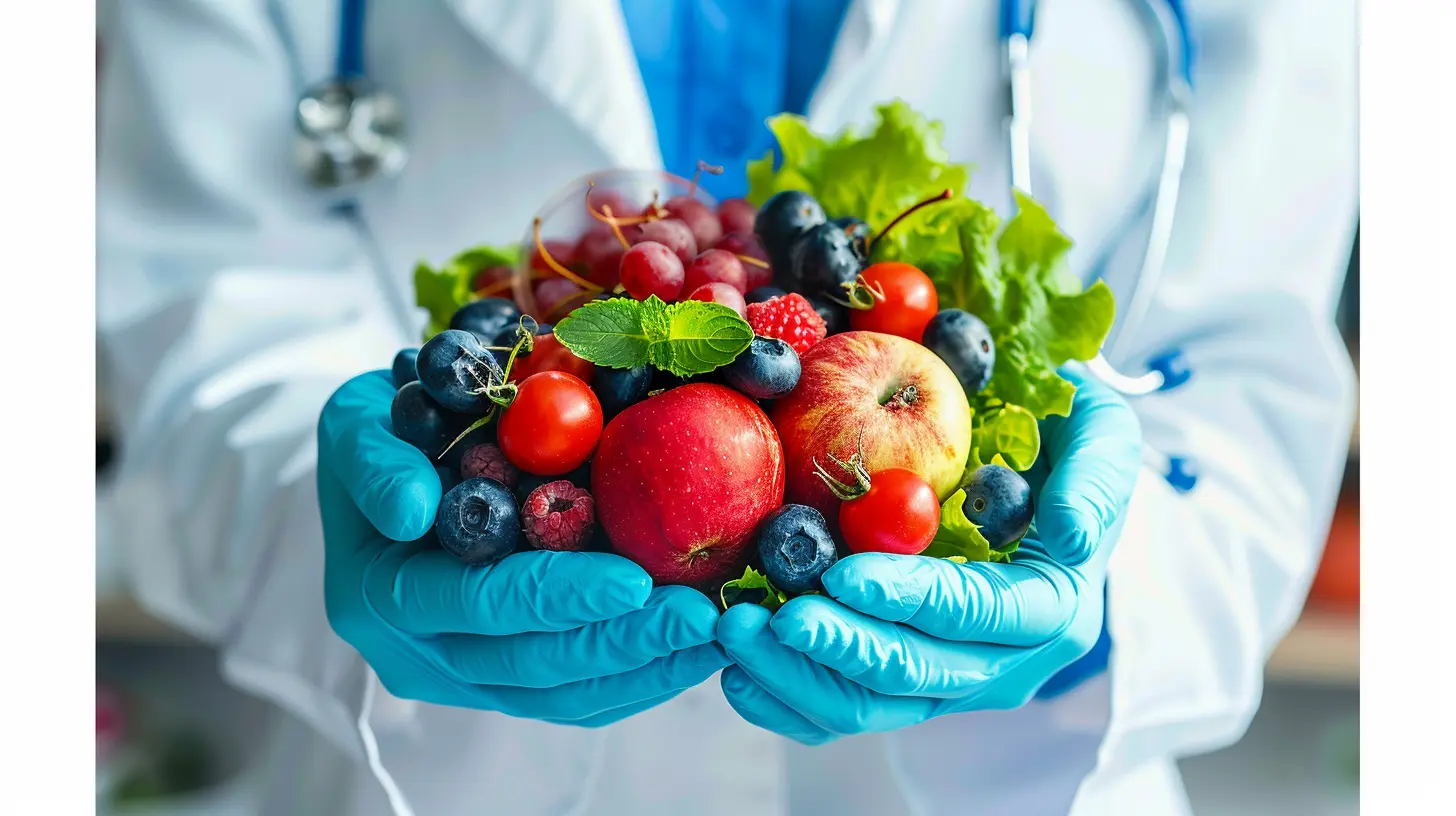
What Is Functional Medicine?
Functional medicine is a patient-centered, science-backed approach that focuses on identifying and addressing the root cause of disease rather than just treating symptoms. Instead of merely handing out medications for problems like high blood pressure or chronic fatigue, functional medicine practitioners look deeper—examining diet, lifestyle, genetics, and environmental factors.Think of functional medicine as detective work. Instead of slapping a band-aid on an issue, it aims to answer the question: Why is this happening in the first place?
And more often than not, the answer lies in nutrition. 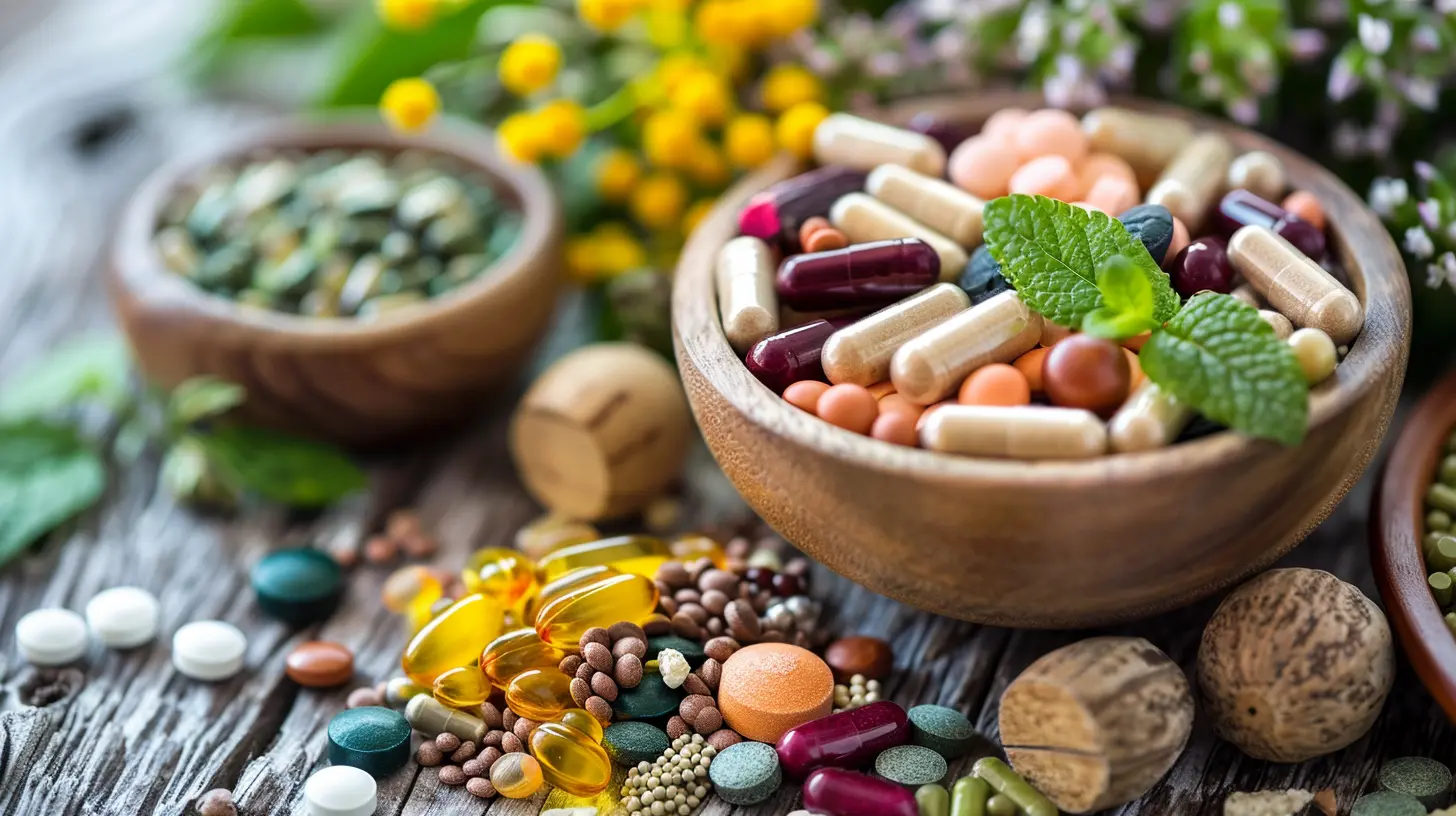
Food as Medicine: How Diet Impacts Health
We’ve all heard the saying, You are what you eat, but have you ever really thought about it? Your body literally rebuilds itself from the food you consume. Every single cell, tissue, and organ is affected by your diet.Here’s how food plays a key role in healing:
1. Reducing Inflammation
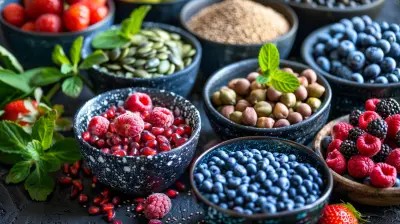
Chronic inflammation is the root cause of many diseases, from arthritis to heart disease to autoimmune conditions. Foods like processed sugars, trans fats, and refined carbs fuel inflammation, while anti-inflammatory foods like leafy greens, fatty fish, nuts, and berries help calm it down.2. Supporting Gut Health
Your gut is home to trillions of bacteria that influence digestion, immunity, metabolism, and even mental health. Probiotic-rich foods (like yogurt, kefir, and sauerkraut) and prebiotic foods (like garlic, onions, and bananas) help maintain a healthy gut microbiome.3. Balancing Blood Sugar
Blood sugar spikes and crashes wreak havoc on energy levels, mood, and long-term metabolic health. Functional medicine encourages whole, fiber-rich foods like lentils, avocados, and quinoa to stabilize blood sugar and prevent disease.4. Enhancing Detoxification
Your liver, kidneys, and skin all work tirelessly to detoxify your body. But without the right nutrients, they struggle. Cruciferous vegetables like broccoli, Brussels sprouts, and cabbage boost detox pathways, helping flush out toxins and keep your system running smoothly.5. Boosting Immune Function
A strong immune system starts with proper nutrition. Instead of relying on supplements alone, functional medicine emphasizes consuming foods rich in vitamin C (oranges, kiwi, bell peppers), zinc (pumpkin seeds, chickpeas), and antioxidants (berries, green tea) to naturally strengthen immunity.
Healing Foods in Functional Medicine
Now that we know why food matters, let’s talk about what foods act as medicine.1. Leafy Greens – The Ultimate Nutrient Powerhouses
Spinach, kale, Swiss chard, and arugula are loaded with vitamins, minerals, and antioxidants that support brain function, fight inflammation, and protect against chronic diseases.2. Fatty Fish – The Brain and Heart Booster
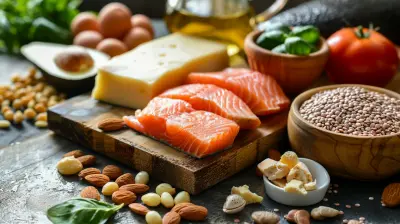
Salmon, sardines, and mackerel are packed with omega-3 fatty acids, which are crucial for brain health, reducing inflammation, and keeping your heart in top shape.3. Turmeric – Nature’s Anti-Inflammatory Superhero
Curcumin, the active ingredient in turmeric, has powerful anti-inflammatory and antioxidant benefits. Adding turmeric to soups, teas, or curries can help fight pain and inflammation naturally.4. Garlic – The Natural Antibiotic
Garlic isn’t just for flavor—it’s packed with antibacterial, antiviral, and immune-boosting properties. It helps lower blood pressure, fight infections, and support heart health.5. Nuts and Seeds – Tiny But Mighty
Almonds, walnuts, chia seeds, and flaxseeds provide healthy fats, fiber, and essential nutrients that support brain function, heart health, and digestion.6. Berries – Antioxidant-Rich Superstars
Strawberries, blueberries, raspberries, and blackberries are bursting with antioxidants, which help fight oxidative stress, reduce the risk of chronic diseases, and support skin health.
Food vs. Pharmaceuticals: Which One Heals Better?
For decades, we’ve been conditioned to believe that medicine is only found in a bottle. While pharmaceuticals have their place in healthcare, they're often designed to manage symptoms rather than address the root cause of disease.Medications can sometimes lead to side effects. Meanwhile, whole, nutrient-dense foods provide healing without harmful consequences. Functional medicine focuses on prevention and healing through nutrition, rather than just masking symptoms with drugs.
Would you rather take a cholesterol-lowering pill for life, or eat a diet rich in heart-healthy fats that naturally balance cholesterol? The choice is yours.
How to Incorporate Food as Medicine in Daily Life
Knowing what to eat is one thing, but actually making it a part of your lifestyle is another. Here are some practical ways to integrate healing foods into your daily routine:1. Start Your Day with Nutrient-Dense Foods
Instead of sugary cereals or processed pastries, opt for a smoothie with greens, berries, flaxseeds, and almond milk.2. Swap Processed Foods for Whole Foods
Ditch processed, packaged foods and opt for whole, unprocessed options like fresh fruits, vegetables, lean proteins, and healthy fats.3. Hydrate with Healing Beverages
Trade sugary sodas and energy drinks for green tea, herbal teas, or infused water with lemon and cucumber.4. Cook More at Home
Making your own meals gives you control over ingredients and helps you avoid hidden sugars, unhealthy fats, and artificial additives.5. Spice Up Your Meals
Use healing spices like turmeric, ginger, cinnamon, and garlic to add flavor and boost your health.6. Eat the Rainbow
Different colors of fruits and vegetables provide different nutrients, so aim to include a variety in your meals.7. Listen to Your Body
Pay attention to how different foods make you feel. If something triggers bloating, fatigue, or brain fog, it might not be right for you.Final Thoughts
Food truly is one of the most powerful medicines available. In functional medicine, the focus isn’t just on treating symptoms but on using food to prevent, heal, and thrive.By making conscious choices about what we eat, we can reduce inflammation, improve gut health, regulate blood sugar, detoxify our bodies, and strengthen our immune system—all without relying solely on pharmaceuticals.
So, the next time you sit down for a meal, ask yourself: Is this food healing me or harming me? Because, ultimately, every bite you take is either feeding disease or fighting it.
Your health is in your hands—and on your plate. Choose wisely.
all images in this post were generated using AI tools
Category:
Functional MedicineAuthor:

Jackson Mahoney
Discussion
rate this article
2 comments
Oliver Collins
This article on "Food as Medicine" highlights how nutritional healing can transform health through functional medicine. It emphasizes the importance of whole foods, individualized diets, and lifestyle changes in preventing and managing chronic illnesses for optimal well-being.
January 18, 2026 at 5:15 AM
Jackson Mahoney
Thank you for your insightful comment! I'm glad you found the article's emphasis on whole foods and individualized approaches to nutritional healing valuable.
Denise Long
Oh, great! Just what I needed—more reasons to feel guilty about my pizza. Thanks for the guilt trip, health blog!
December 18, 2025 at 3:27 AM
Jackson Mahoney
I understand your frustration! The goal is to empower better choices, not to induce guilt. Balance and moderation are key—enjoy your pizza!