Fresh Salad Ideas for Every Season
30 October 2026
Most people treat salad like a punishment. A sad bed of iceberg, a few pale tomato slices, a dressing that tastes like regret. Then they wonder why they abandon their healthy eating plans by February. Here is the blunt truth: salad does not fail people. People fail salad because they keep making the same limp, out-of-season bowl twelve months a year.
A salad built on January tomatoes is a salad built on disappointment. Those things are shipped green, gassed to fake ripeness, and they taste like cold water with a red dye job. But the same cook who makes that mistake can build something extraordinary in July with a five-dollar haul from a farmers market. The difference is not skill. It is timing.
This guide is about matching your salad to the calendar. Not in a preachy, seasonal-eating-lecture way, but in a practical, this-actually-tastes-better way. We will cover what works in each season, why it works, where people go wrong, and how to build bowls that you genuinely crave instead of tolerate.
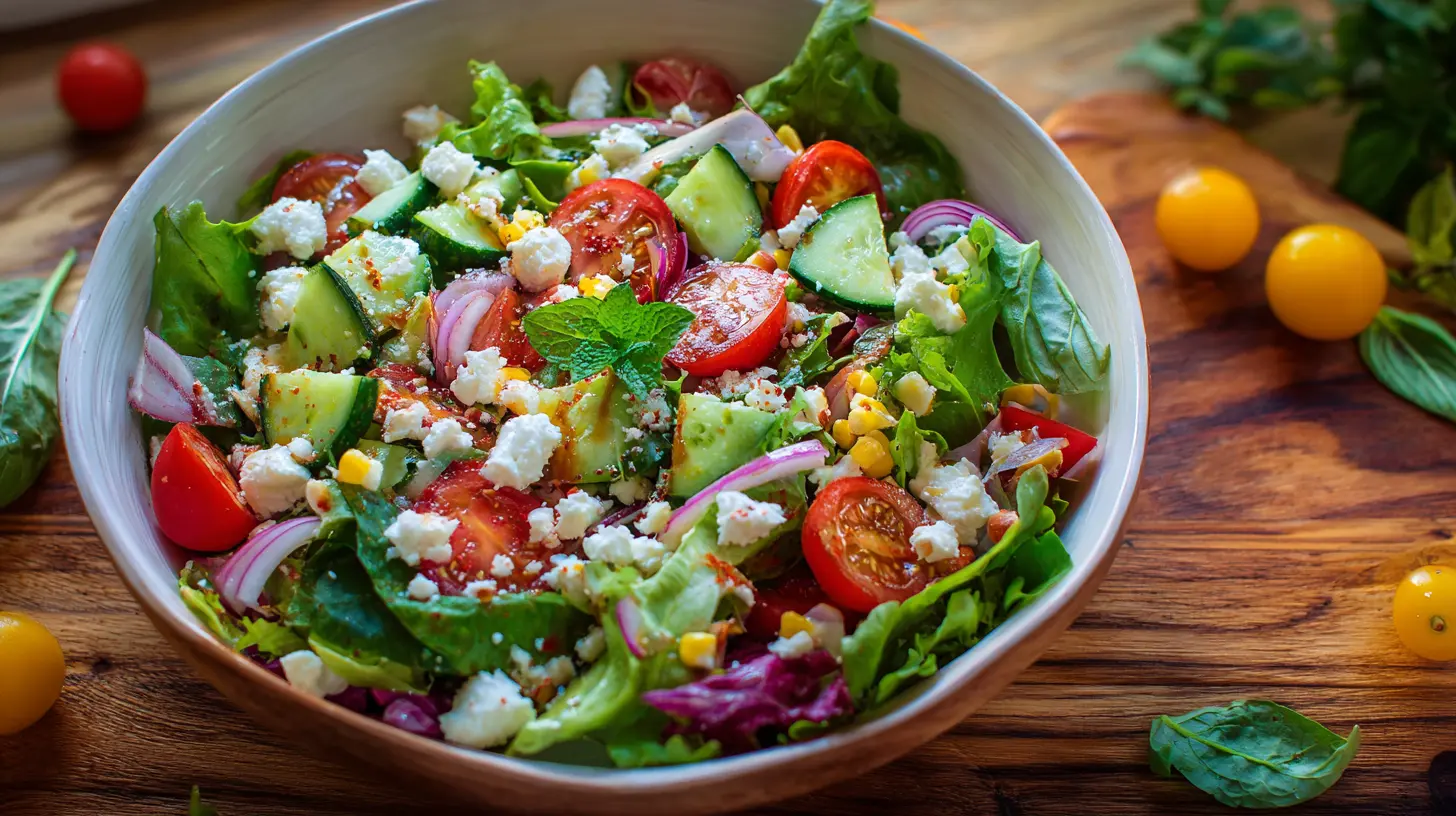
Why Seasonality Matters More in Salad Than Almost Anywhere Else
Salad is mostly raw produce. That is the whole game. When you cook something, you can mask mediocre ingredients with heat, fat, acid, and salt. Roasting a bland winter tomato with olive oil and garlic can rescue it. Tossing that same tomato raw into a bowl just exposes its weaknesses.This is why salad is the most season-sensitive category of food in your kitchen. A peach in August needs nothing but a knife and a pinch of salt. That same peach in December is mealy, sour, and expensive. No dressing on earth fixes that.
There is also an economic argument. Produce in peak season is cheaper because supply is high and transport is short. You get better flavor and lower prices at the same time, which almost never happens in food shopping. Out-of-season produce is the opposite: higher cost, lower quality, longer shelf life, more cold storage. You are paying a premium for a worse experience.
And then there is the nutritional angle. Produce harvested at peak ripeness and eaten soon after generally retains more of its vitamins and texture than produce picked early and shipped long distances. This is a general pattern rather than an absolute rule, but it holds often enough to guide your shopping.
The practical takeaway: stop thinking of salad as a fixed recipe and start thinking of it as a formula that shifts with what is good right now.
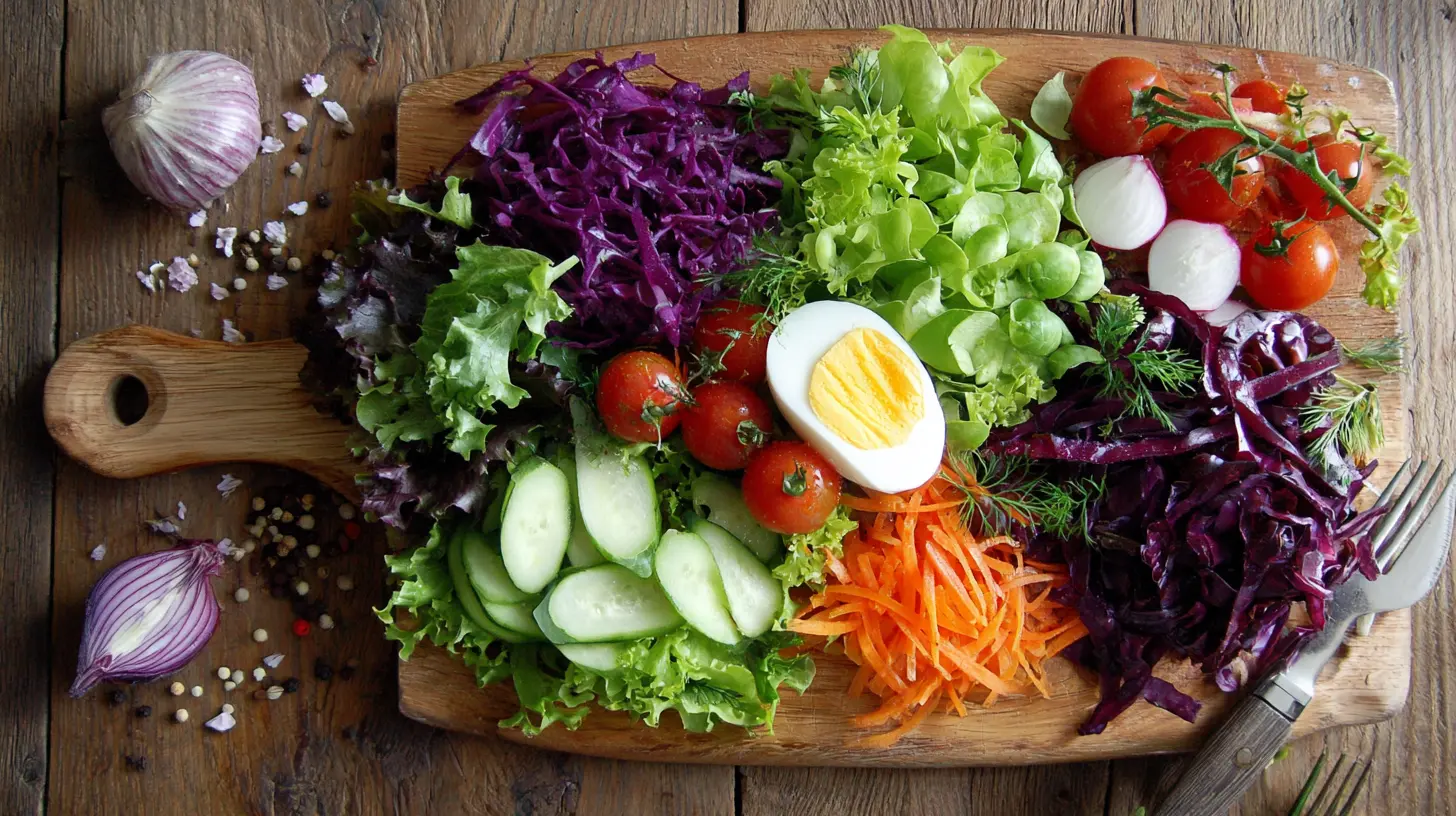
The Universal Salad Formula
Before we get into seasons, you need a skeleton to hang everything on. Every good salad, regardless of season, balances five elements:1. A base - greens or another bulk ingredient
2. Texture - something crunchy, crispy, or creamy
3. Body - protein, cheese, grains, or legumes
4. Brightness - acid, fresh herbs, citrus
5. Fat and salt - dressing, oils, cured elements
When a salad tastes flat, it is almost always missing one of these. When it tastes muddy, two elements are competing instead of balancing. When it tastes heavy, the fat-to-acid ratio is off.
Here is the part most salad advice skips: the base does not have to be lettuce. In winter, roasted root vegetables, shredded cabbage, and grains make better bases than any greenhouse greens. In summer, lettuce earns its place because it is actually good. Seasonality starts with the base, not the dressing.
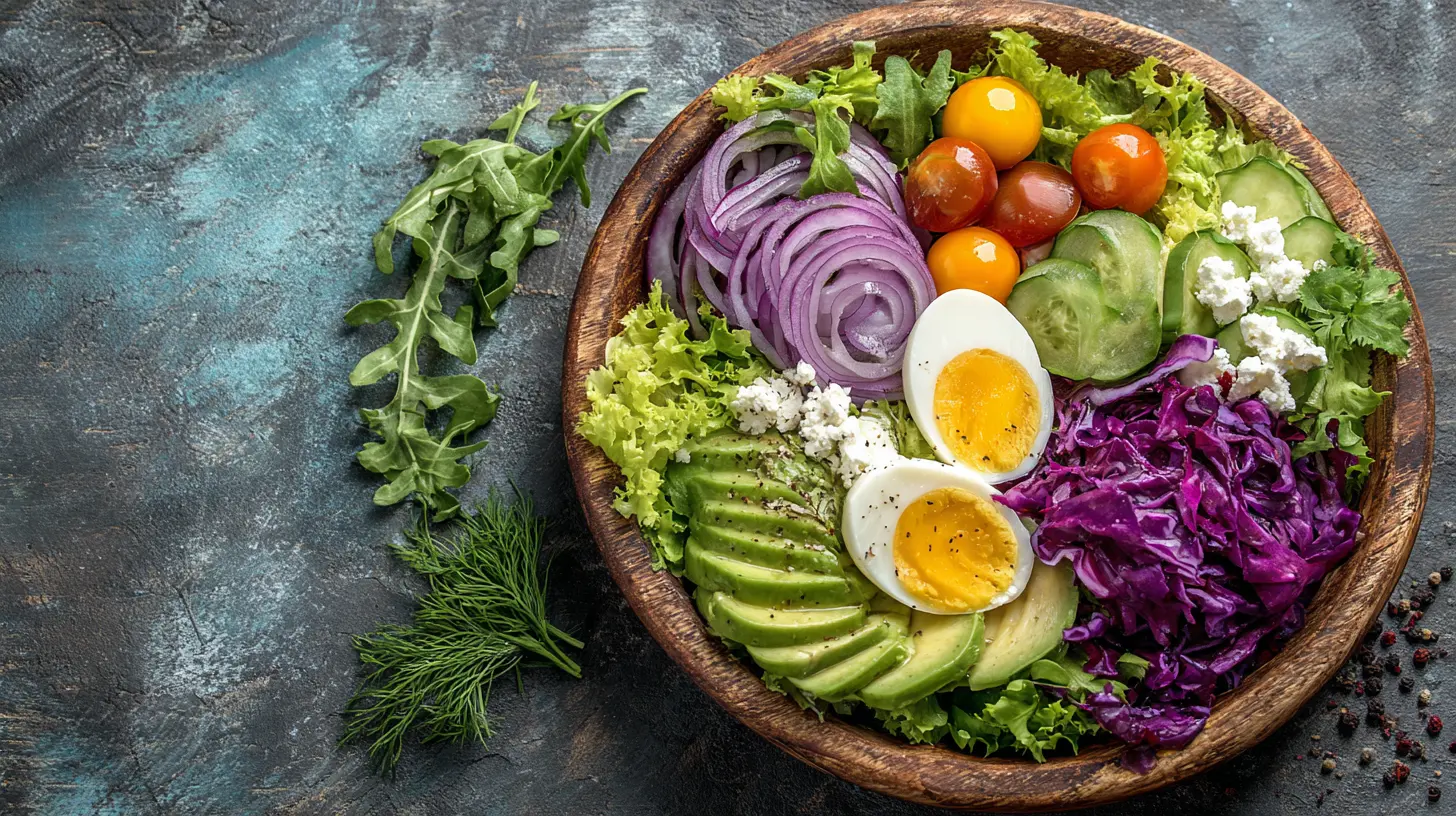
Spring: The Season of Tenderness
Spring produce is young, delicate, and fast to spoil. That is both the charm and the challenge.What Is Actually Good in Spring
- Peas, both fresh and snap- Asparagus
- Radishes
- Spring onions and scallions
- Baby greens, arugula, spinach
- Strawberries, late in the season
- Fresh herbs: mint, dill, parsley, chives
Spring greens are tender and mild. That means they need gentle dressings. A heavy ranch or a thick blue cheese will bulldoze right over butter lettuce and baby spinach. Think lemon, good olive oil, a little honey, maybe a yogurt-based dressing with herbs.
A Spring Salad That Works: Pea, Radish, and Mint with Lemon Yogurt
Blanch fresh peas for ninety seconds, shock them in ice water, and drain. Slice radishes thin, ideally on a mandoline so they stay crisp and translucent. Toss with baby greens, torn mint, and a dressing of full-fat yogurt, lemon juice, olive oil, salt, and a grated garlic clove. Finish with toasted sunflower seeds.Why it works: the peas bring sweetness and body, the radishes bring pepper and crunch, the mint lifts everything, and the yogurt dressing is rich enough to feel substantial without drowning the delicate greens. This is a salad that would be terrible in August, when peas are starchy and mint is bolting. Timing is the recipe.
The Spring Mistake to Avoid
Do not buy asparagus in spring and treat it like a winter vegetable. Raw asparagus is tough and fibrous. Shave it thin with a peeler, dress it with lemon and parmesan, and let it sit for ten minutes so the acid softens it slightly. That is a spring salad. Throwing thick raw asparagus spears into a bowl is a texture disaster.
Summer: Peak Season, Peak Expectations
Summer is when salad earns its reputation. Everything is ripe, cheap, and flavorful. Your job is to get out of the way.What Is Actually Good in Summer
- Tomatoes, all kinds- Stone fruit: peaches, nectarines, plums
- Corn
- Cucumbers
- Peppers, sweet and hot
- Berries
- Basil, cilantro, dill
- Zucchini and summer squash
The Tomato Rule
Here is a hill worth dying on: in summer, a tomato salad needs almost nothing. Ripe tomatoes, salt, good olive oil, torn basil, maybe a splash of red wine vinegar. Let it sit for fifteen minutes so the salt draws out the juices, and use those juices as part of the dressing. Adding ten other ingredients to a perfect summer tomato is not creativity. It is insecurity.That said, if you want to build a bigger composed salad around tomatoes, pair them with things that match their acidity: creamy mozzarella, grilled bread, cucumber, red onion, avocado. Avoid competing sweetness. A honey-heavy dressing on ripe tomatoes tastes like candy soup.
Corn: The Underrated Salad Ingredient
Raw corn cut off the cob is one of the best summer salad ingredients, and almost nobody uses it right. Do not boil it first. Raw corn is sweet, crunchy, and juicy. Toss it with cherry tomatoes, black beans, avocado, lime juice, cilantro, and a little chili. Add crumbled cotija or feta if you want.Why raw works: heat converts some of corn's sugars and softens its texture. Raw corn keeps the snap, which is exactly what a summer salad needs. If you insist on cooking it, grill it until charred and cut it off the cob while warm. The char adds a smoky note that plays well with lime and chili.
Summer Traps
The biggest summer mistake is overdressing. When produce is at its peak, heavy dressings flatten it. Use vinaigrettes, citrus, and herb-based dressings. Save the creamy, thick dressings for winter, when they have something sturdy to cling to.The second trap is buying out-of-season imports because you are bored. Yes, you can find asparagus in August. No, you should not buy it. It will be woody, expensive, and disappointing. Boredom is not a reason to eat bad food.
Fall: The Transition Season Nobody Plans For
Fall is the most underrated salad season, and it is where most people quit. Summer produce fades, winter produce has not arrived, and people default to sad desk salads. This is a mistake. Fall has some of the best salad ingredients of the year.What Is Actually Good in Fall
- Apples and pears- Squash and pumpkin
- Brussels sprouts
- Kale and hearty greens
- Beets
- Pomegranate
- Cranberries
- Nuts: walnuts, pecans, hazelnuts
- Hearty herbs: rosemary, sage, thyme
The Fall Salad Blueprint: Roasted Squash, Kale, Apple, and Walnut
Roast cubed butternut squash with olive oil, salt, and a pinch of cinnamon until caramelized at the edges. Massage shredded kale with olive oil and a little lemon juice for a minute or two, which softens the fibers without cooking them. Toss with sliced apple, toasted walnuts, and a maple-mustard vinaigrette. Add shaved parmesan if you want.Why it works: fall salads need warmth and weight. The roasted squash brings both. The kale holds up to the dressing without wilting into mush. The apple brings acid and crunch. The maple-mustard dressing bridges sweet and sharp. This is a salad that eats like a meal, which matters as the weather cools and your body wants more substance.
Massaging Kale: Do It, But Understand Why
Raw kale is tough because its cell walls are dense and its fibers are long. Massaging with oil and acid breaks down some of that structure through mechanical action and acid softening. The result is kale that is tender but still has bite. Skip this step and you get a bowl of chewing gum that fights back.The mistake people make is over-massaging. Two minutes is plenty. Five minutes turns kale into a limp, watery mess. You want tender, not defeated.
Fall Trap: Going Too Sweet
Fall flavors lean sweet, and it is easy to end up with a salad that tastes like dessert. Cranberries, maple, apples, and squash can stack into a sugar bomb. Balance with sharp acid, bitter greens, and salty elements like parmesan or cured meat. A good rule: for every sweet element, add a bitter or salty one.
Winter: Where Salads Go to Die (If You Let Them)
Winter is the season that breaks people. The tomatoes are terrible, the greens are expensive and tired, and comfort food takes over. But winter salads can be the best of the year if you stop pretending it is summer.What Is Actually Good in Winter
- Cabbage, red and green- Citrus: oranges, grapefruits, blood oranges
- Root vegetables: carrots, parsnips, beets, turnips
- Citrus-friendly greens: endive, radicchio, escarole
- Fennel
- Pomegranate
- Dried fruit
- Hardy herbs: rosemary, thyme
- Cheese: aged cheddar, blue, parmesan
The Winter Breakthrough: Stop Buying Winter Lettuce
Here is the most useful advice in this entire article. In winter, most lettuce you find in stores has traveled a long way, been stored cold for a long time, and tastes like almost nothing. It also costs more than it should. Meanwhile, cabbage, radicchio, endive, and fennel are in their element. They are sturdy, they hold dressing, and they taste like something.A winter salad built on shredded red cabbage, shaved fennel, segmented orange, and toasted almonds with a citrus vinaigrette will outperform any winter salad built on pale romaine. It is not close. The cabbage brings crunch and color, the fennel brings anise and freshness, the orange brings acid and sweetness, and the almonds bring fat and texture. No lettuce required.
Warm Salads: Winter's Secret Weapon
Cold salads in January feel like punishment. Warm salads feel like dinner. Roast beets, carrots, or parsnips, then toss them while still warm with bitter greens, a sharp vinaigrette, and something creamy like goat cheese or a soft-boiled egg. The warmth wilts the greens slightly, which is exactly what you want. The dressing absorbs into the warm vegetables instead of sliding off them.Why it works: warm ingredients release aroma compounds that cold food holds back. That is why a warm beet salad smells and tastes more intense than a cold one. It is also why the same dressing seems to coat warm vegetables more evenly. This is chemistry, not gimmick.
Winter Traps
The first trap is buying winter tomatoes. Just stop. They are expensive and they taste like nothing. If you need tomato flavor in winter, use sun-dried tomatoes or a good tomato paste in the dressing. It is not the same, but it is honest.The second trap is skipping salad entirely because it feels too cold. Warm salads solve this. So do grain-based salads with roasted vegetables. You do not have to eat cold food in cold weather. That is a self-imposed rule, and it is a bad one.
Dressings: Match the Dressing to the Season, Not the Recipe
Most people pick a dressing because they like it, then use it year-round. That is backwards. Dressings should scale with the weight of the ingredients.| Season | Dressing Style | Why |
|---|---|---|
| Spring | Light vinaigrettes, yogurt-based, lemon and herbs | Tender greens cannot handle heavy fat |
| Summer | Simple vinaigrettes, citrus, herb oils | Peak produce needs minimal interference |
| Fall | Maple-mustard, apple cider vinaigrette, tahini | Heartier ingredients need more body |
| Winter | Creamy dressings, warm vinaigrettes, citrus-based | Sturdy greens and roots can take weight |
The principle: the heavier and more robust the ingredients, the heavier the dressing they can carry. Delicate greens plus thick dressing equals slime. Sturdy cabbage plus thin vinaigrette equals a salad that tastes undressed.
One more thing about dressing: make it yourself. Bottled dressing is mostly oil, water, sugar, and stabilizers, and it is the single easiest thing in your kitchen to replace. A basic vinaigrette is three parts oil to one part acid, plus salt, plus whatever flavor you want. That is it. It takes ninety seconds and it costs a fraction of the bottled stuff.
Common Salad Mistakes That Ruin Good Ingredients
These are the errors that show up again and again, and each one has a fix.Dressing the salad too early. Vinaigrette breaks down greens over time. Dress right before serving, or keep dressing on the side. The exception is sturdy greens like kale and cabbage, which actually benefit from sitting dressed for ten to fifteen minutes.
Wet greens. Water dilutes dressing and prevents it from clinging. Dry your greens thoroughly after washing. A salad spinner is worth the counter space, and if you do not have one, roll greens in a clean towel.
Too many ingredients. A salad with fifteen components tastes like confusion. Pick four to six that complement each other and let them speak. Restraint is a skill.
Under-salting. Salt is not optional. It makes flavors read as themselves. Salt your dressing, salt your vegetables, taste as you go. Under-salted salad tastes flat no matter how good the produce is.
Ignoring texture. A salad of all soft ingredients is mushy. A salad of all crunchy ingredients is exhausting. You need contrast: something creamy, something crisp, something chewy.
Buying pre-cut produce. Pre-cut vegetables and bagged salad mixes cost more and spoil faster. They also lose texture. Cut your own. It takes five minutes and the difference is real.
Building Salads That Actually Fill You Up
The most common complaint about salad is that it does not satisfy. That is usually a protein and fat problem, not a salad problem.A bowl of greens with a light vinaigrette has almost no staying power. Add a real protein source: grilled chicken, salmon, shrimp, chickpeas, lentils, eggs, tofu, steak. Add a fat source: avocado, nuts, cheese, olive oil. Add a fiber-dense base: grains, roasted vegetables, legumes.
The formula for a filling salad is roughly: two cups of base, a palm-sized portion of protein, a thumb-sized portion of fat, and enough dressing to coat everything without pooling at the bottom. That is a meal, not a side dish.
Consider also the temperature and weight of the bowl. Warm grain salads with roasted vegetables feel like dinner in a way that cold lettuce never will. This is not just psychology. Warm, dense food signals satiety more strongly than cold, light food.
Practical Shopping and Prep Advice
Seasonal salad eating works best when you shop with flexibility rather than a fixed list. Buy what looks good and build the salad around it. This is the opposite of how most people shop, which is deciding on a recipe and hunting for ingredients regardless of quality.Keep a pantry of salad builders so you can improvise: good olive oil, vinegar (red wine, apple cider, balsamic), Dijon mustard, honey or maple syrup, nuts, seeds, dried fruit, canned legumes, and a hard cheese. With those on hand, any seasonal produce becomes a salad.
Prep vegetables when you get home, not when you are hungry. Wash and dry greens, cut sturdy vegetables, and store them properly. Hungry people make bad food decisions, and a prepped fridge is the best defense against ordering takeout.
Finally, do not overbuy. Seasonal produce is at its best when fresh, and it spoils fast. Buy what you will eat in three to four days, then go back. Smaller, more frequent shopping trips beat one big haul when you are cooking with fresh produce.
The Bottom Line
Salad is not a diet food. It is a format, and a flexible one. The people who eat salad happily year-round are not more disciplined than everyone else. They just stopped fighting the calendar. They eat tomatoes in August and cabbage in January, and they dress each one appropriately.So the next time you build a salad, ask one question first: what is actually good right now? Answer that honestly, and the rest of the bowl tends to fall into place.
all images in this post were generated using AI tools
Category:
Healthy SaladsAuthor:

Jackson Mahoney

