Fresh Takes on Classic Salad Recipes
26 October 2026
Salads have a reputation problem. Somewhere along the way, they became the sad afterthought on a menu, the bowl of limp greens people push around while waiting for the "real" food. That reputation is unfair, and it is also easy to fix. The classic salads most of us grew up with, from a proper Caesar to a Greek village salad to a simple coleslaw, are not boring. They are just often made without care. When you understand why these recipes work and where the small margins for improvement live, you can turn a familiar bowl into something people actually fight over at the table.
This article is not a list of trendy salad ideas. It is a practical look at how to take the classics you already know and make them noticeably better, with the reasoning behind each change so you can apply the thinking to your own cooking.
Why Classic Salads Deserve a Second Look
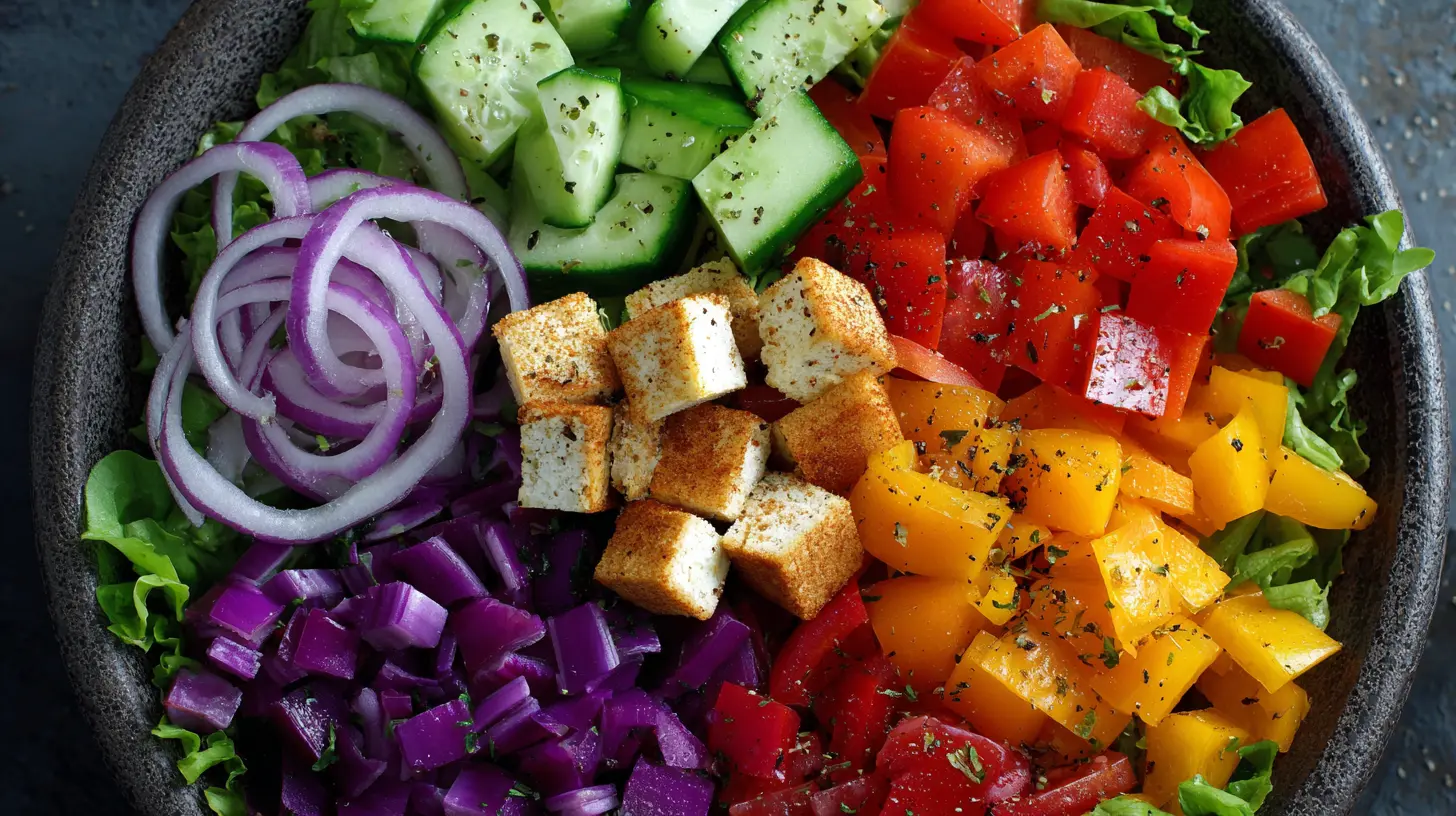
A classic recipe survives for a reason. A Caesar has been on menus for roughly a century because the combination of salty cheese, sharp acid, rich egg yolk, and crunchy croutons hits multiple taste and texture notes at once. A Greek salad works because ripe tomatoes, cucumber, onion, olive oil, oregano, and feta create a balance of sweet, crisp, sharp, and creamy. These are not accidents. They are formulas that satisfy.The problem is that most of us learned these recipes in a rushed, shortcut form. Bottled dressing instead of a real emulsion. Pre-shredded cheese instead of a block you grate yourself. Bagged greens that were washed three days ago. The formula is still sound; the execution has been degraded. Fresh takes on classic salads are less about reinventing the dish and more about restoring the parts that got lost.
There is also a practical argument. Salads are one of the few dishes that let you eat more vegetables without cooking them, which matters for anyone trying to build meals around plants. A good salad also teaches fundamental kitchen skills: balancing acid and fat, layering texture, seasoning raw ingredients properly. Get comfortable with salads and you get better at cooking everything else.
The Four Pillars of a Salad That Actually Works
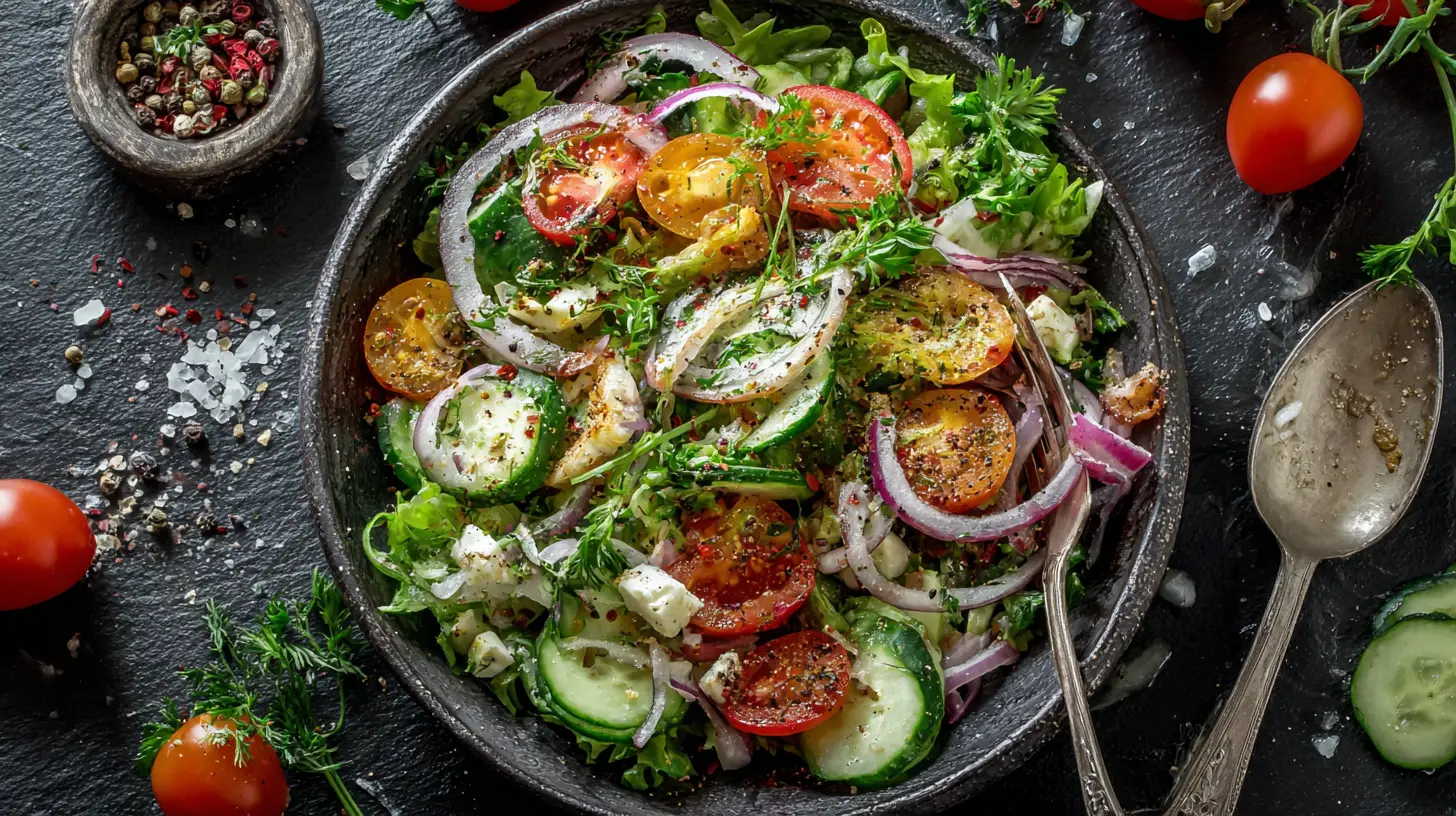
Before touching any specific recipe, it helps to understand what makes a salad satisfying. Almost every great salad balances four things.Seasoning. This is the most common failure. People dress a salad and assume it is seasoned. Salt does not just make food salty; it changes how you perceive everything else. A pinch of salt on raw tomatoes makes them taste more like tomatoes. Without it, even a well-dressed salad tastes flat. Season components as you build, not just at the end.
Acid and fat balance. Acid (lemon, vinegar) wakes up the palate. Fat (oil, cheese, egg, avocado) carries flavor and gives richness. Too much acid and the salad tastes harsh; too much fat and it feels heavy and dull. The right ratio depends on the ingredients. A salad with rich ingredients like bacon or avocado needs more acid. A salad built on mild greens needs a gentler hand.
Texture contrast. A salad of only soft ingredients feels monotonous no matter how good the dressing is. Crunch from toasted nuts, croutons, seeds, or raw vegetables; creaminess from cheese or egg; chew from grains or beans. The best classic salads already have this contrast built in, which is why they endure.
Temperature and timing. Cold salads should be cold, but not ice-cold, which mutes flavor. Dress salads close to serving so greens stay crisp. Warm elements, like grilled chicken or roasted vegetables, work best when they are warm rather than hot, so they do not wilt the greens instantly.
Keep these four pillars in mind and you can evaluate any salad, classic or new, and diagnose what is missing.
Rethinking the Caesar: Small Changes, Big Difference
The Caesar is the most abused classic salad in the repertoire. The bottled version, with its thick, sweet, vaguely chemical dressing, has almost nothing to do with the real thing.The traditional dressing is an emulsion of egg yolk, oil, lemon juice, Worcestershire sauce, garlic, anchovy, and Parmesan, with the egg and oil doing the structural work. Two things matter here. First, anchovy is not optional; it provides the savory depth that makes the dressing taste like more than salty mayonnaise. If you are hesitant, start with a small amount and taste as you go. Second, the emulsion needs to be built slowly. Add oil in a thin stream while whisking, and the dressing turns silky rather than greasy.
A practical shortcut for home cooks is to skip the raw egg and use a small amount of mayonnaise as the base, then whisk in lemon juice, minced anchovy, grated garlic, Worcestershire, and Parmesan. It is not identical, but it is close and removes the food safety concern some people have with raw eggs.
Where the Caesar usually falls short is texture. Romaine is fine, but it should be cold, dry, and torn rather than chopped into uniform pieces, which lets the dressing coat more surface area. Croutons should be made from stale bread torn by hand, tossed in olive oil and salt, and toasted until crunchy but still slightly chewy inside. Pre-grated Parmesan from a shaker is mostly cellulose and salt; grate a block fresh and the difference is immediate.
One common mistake: dressing the salad too early. Caesar dressing is thick, and romaine wilts under it within minutes. Toss just before serving, and use less dressing than you think you need. You can always add more.
A misconception worth clearing up: the Caesar is not a light salad. Between the egg, oil, cheese, and croutons, it is rich. That is fine. Treat it as a substantial dish, pair it with something lean, and do not pretend it is a diet food.
Greek Salad: Getting the Details Right
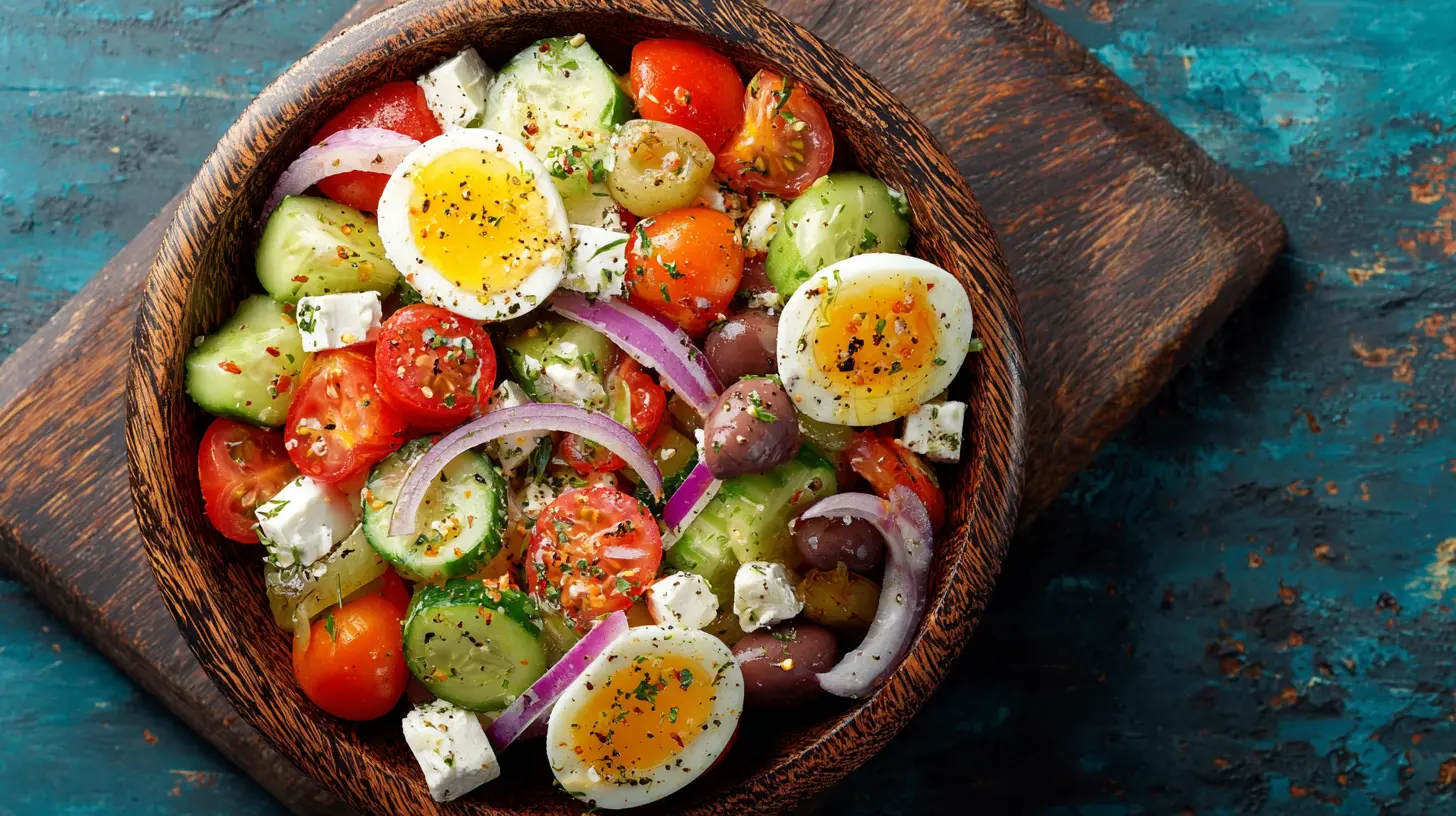
The Greek salad, or horiatiki, is deceptively simple: tomatoes, cucumber, red onion, olives, feta, olive oil, oregano. The reason most versions disappoint is ingredient quality, not technique.Tomatoes carry this salad. Out of season, supermarket tomatoes are mealy and bland, and no amount of good olive oil rescues them. If tomatoes are not at their best, consider a different salad or use cherry tomatoes, which tend to be more reliable year-round. Salt the tomatoes a few minutes before assembling and let them sit; the salt draws out juice that becomes part of the dressing.
Cucumber should be crisp. If the skin is thick or waxy, peel it partially. Some cooks salt cucumber slices and drain them to remove excess water, which keeps the salad from turning soupy. This is optional but useful if you are making the salad ahead.
Red onion is where opinions divide. Raw onion can overpower everything else. Slicing it thin and soaking it in cold water for ten minutes tames the harshness while keeping the flavor. This is a small step that makes a real difference.
Feta should be a block in brine, not pre-crumbled. Crumbled feta is drier and saltier. Break a block into rough chunks and lay it on top rather than tossing it in, so it stays intact and each bite gets a clean piece.
Finally, the dressing is just good olive oil and dried oregano, added at the end. No vinegar. The tomato juice and the feta brine provide the acid and salt. Adding vinegar is a common mistake that makes the salad taste sharp and muddled.
Coleslaw: Beyond the Mayo Pool
Coleslaw has a bad reputation because so much of it is drowned in sweet, thick dressing. The classic creamy slaw can be excellent, but it needs restraint and contrast.The first decision is the cabbage. Green cabbage is crisp and mild; red cabbage adds color and a peppery edge; savoy is tender and works well raw. A mix of green and red gives the best texture and visual appeal. Shred it thin, and salt it lightly, then let it sit for fifteen to twenty minutes and squeeze out the excess water. This step keeps the slaw from becoming watery and makes the cabbage more tender without cooking it.
The dressing is where the balance matters. Mayonnaise provides richness, but it needs acid (cider vinegar or lemon), a little sweetness (sugar or honey, used sparingly), and something sharp (mustard, celery seed, or grated horseradish). Taste as you go. The dressing should be tangy enough to make you want another bite, not sweet enough to taste like dessert.
A vinaigrette-based slaw is a lighter alternative and holds up better at room temperature, which makes it useful for picnics and potlucks. The trade-off is that it lacks the creamy richness some people expect. Neither style is better; they suit different contexts.
Common mistakes: dressing the slaw too far ahead (it gets soggy), using too much dressing (start with less than you think), and skipping salt on the cabbage. A slaw that tastes flat usually just needs salt and acid.
Potato Salad: The Temperature Rule Most People Miss
Potato salad is a classic that lives or dies on one technique: dressing the potatoes while they are still warm.Warm potatoes absorb dressing. If you wait until they are cold, the dressing sits on the surface and the salad tastes disjointed. The classic approach is to slice or cube the cooked potatoes, sprinkle them with vinegar or a little of the dressing while warm, and let them cool slightly before adding the rest.
Potato choice matters. Waxy potatoes, like fingerlings or new potatoes, hold their shape and give a cleaner texture. Starchy potatoes, like russets, break down and become creamy, which suits a mashed-style salad but turns mushy in a chunky one. Choose based on the texture you want, and do not overcook. A knife should slide in with slight resistance.
The creamy dressing question is personal. Mayonnaise, sour cream, or a mix; mustard for tang; celery and onion for crunch; herbs for freshness. The balance rule applies: the dressing should be tangy and seasoned, not just creamy. A splash of pickle brine or vinegar at the end brightens the whole bowl.
One misconception: potato salad must be served cold. It is excellent slightly warm, and many European versions are served that way. If you are serving it cold, take it out of the fridge fifteen minutes before serving so the flavors open up.
Pasta Salad: Fixing the Soggy Reputation
Pasta salad is the dish people love to mock, and often for good reason. The usual version is overcooked pasta, too much bottled dressing, and vegetables that have gone soft.The fix starts with the pasta. Cook it to just past al dente, then rinse it under cold water to stop the cooking and wash off surface starch. Some cooks argue against rinsing because it removes starch that helps dressing cling, but for a cold salad, rinsing prevents clumping and gives a cleaner texture. Toss the drained pasta with a little olive oil immediately.
The dressing should be a vinaigrette rather than a creamy dressing, because vinaigrette coats better and does not weigh the salad down. Add it while the pasta is still slightly warm so it absorbs flavor.
Vegetables should be added with texture in mind. Cherry tomatoes, blanched green beans, roasted peppers, olives, and thin-sliced red onion all work. Hard vegetables like raw broccoli or carrots benefit from a quick blanch or a very thin cut. Cheese and cured meat are optional but add substance.
The biggest mistake is making it too far ahead. Pasta salad is best within a few hours of assembly. If you must make it ahead, keep the dressing separate and toss just before serving, and hold back any delicate herbs until the end.
Dressings: The Real Difference Between Good and Great
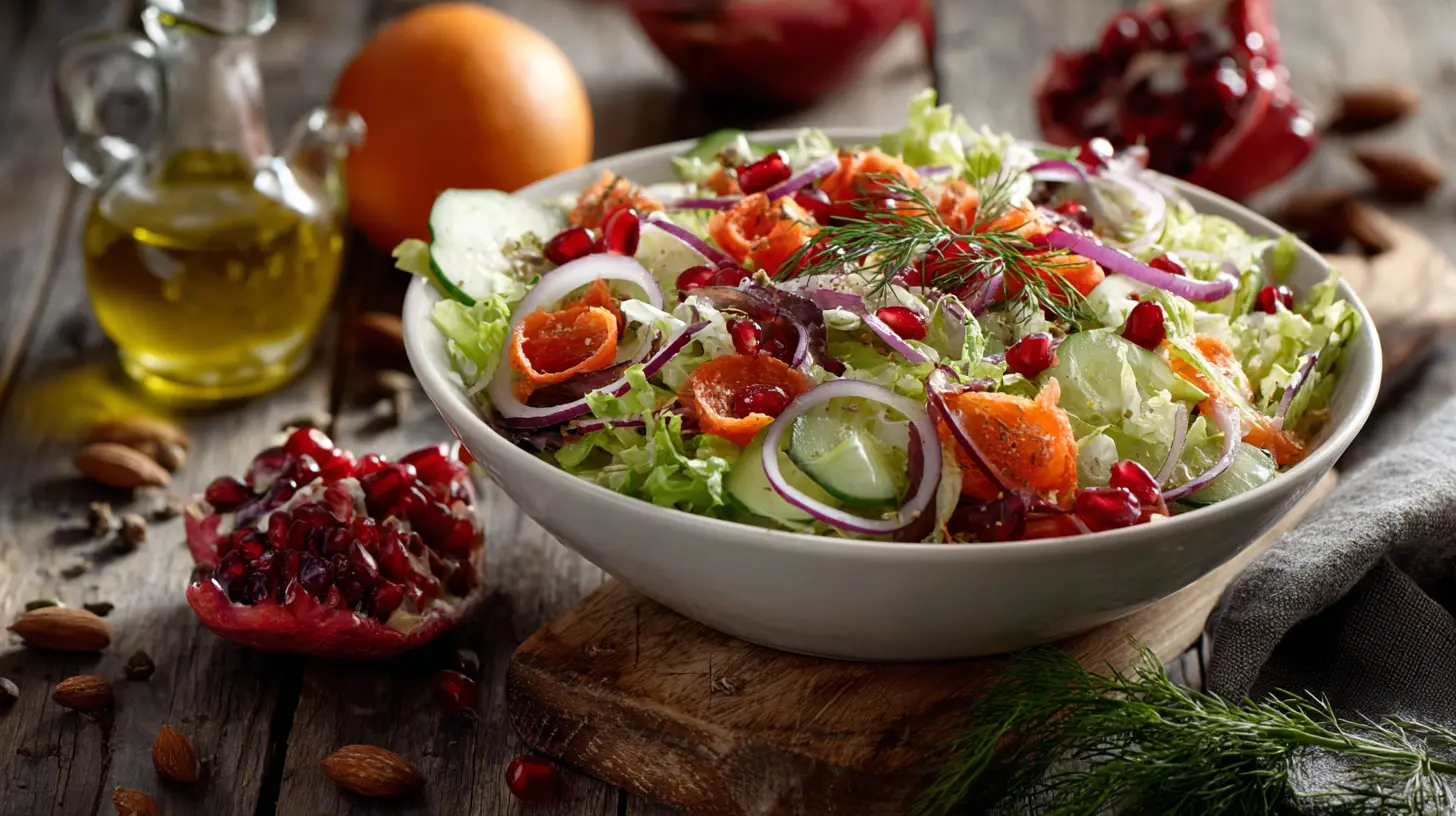
Most salad failures trace back to the dressing. Bottled dressings are convenient, but they are formulated for shelf stability, which usually means more sugar, more salt, and stabilizers that dull flavor. Making dressing at home takes five minutes and gives you control.The basic vinaigrette ratio is roughly three parts oil to one part acid, adjusted to taste. A sharper salad might want closer to two to one. Emulsify by whisking the acid with a little mustard or honey first, then adding oil slowly. Season with salt and pepper, and taste on a leaf of the actual greens you are using, not on a spoon. Dressing tastes different on a spoon than on lettuce.
Creamy dressings follow the same logic with a fat base of mayonnaise, yogurt, or sour cream, thinned with acid or buttermilk. The trap is over-thickening; a dressing should coat the leaves lightly, not glue them together.
A practical tip: make dressing in a jar and shake it. It emulsifies reasonably well and stores easily. Let it come to room temperature before using, since cold oil thickens and does not coat as evenly.
Greens: Selection, Washing, and Drying
The greens are the foundation, and they are often the weakest link. Bagged greens are convenient but are typically washed in a way that leaves them damp, and damp greens do not hold dressing. They also age faster than you think.If you buy bagged greens, empty them into a bowl, pick out any slimy or yellowed leaves, and dry them thoroughly. A salad spinner is the most effective tool, but a clean kitchen towel works. Dry greens are the single biggest upgrade most home salads need. Dressing slides off wet leaves and pools at the bottom of the bowl.
For sturdier salads, consider heartier greens: romaine, kale, radicchio, or cabbage. Kale benefits from massaging with a little oil and salt, which breaks down its toughness. Softer greens like butter lettuce and arugula are best used quickly and dressed lightly.
A common misconception is that all greens are interchangeable. They are not. Delicate greens collapse under heavy dressings; sturdy greens stand up to bold flavors. Match the green to the dressing, not the other way around.
Protein and Substance: Making a Salad a Meal
A salad becomes a meal when it has enough substance to satisfy. That does not mean piling on meat. It means thinking about protein, fat, and fiber together.Grilled chicken, shrimp, salmon, steak, eggs, chickpeas, lentils, tofu, and cheese all work. The key is to season and cook them properly rather than treating them as an afterthought. A grilled chicken breast that is dry and bland will drag down an otherwise good salad. Marinate it, season it, and slice it against the grain.
Plant proteins deserve more attention than they usually get. Roasted chickpeas add crunch and substance. Lentils, dressed while warm, absorb flavor and give a meaty texture. Hard-boiled eggs are one of the most underrated salad additions, providing richness and protein with almost no effort.
Consider the ratio. A salad that is mostly greens with a few pieces of protein will not satisfy. Aim for a balance where the substantial ingredients make up a meaningful portion of the bowl.
Seasonality and Ingredient Quality
The best salad upgrade costs nothing: buy ingredients in season. A tomato in August is a different food from a tomato in January. The same is true of cucumbers, peppers, and corn. Classic salads were built around seasonal produce, and they taste best when made that way.Out of season, adjust. Use roasted vegetables instead of raw, or lean on sturdy ingredients like cabbage, carrots, and root vegetables that store well. A winter salad of shaved Brussels sprouts, apple, and toasted nuts is a legitimate classic in its own right.
This is not about being precious. It is about recognizing that a salad is only as good as its weakest ingredient, and out-of-season produce is often the weakest link.
Common Mistakes and How to Avoid Them
A short list of the errors that show up again and again, with the fix for each.Dressing too early. Greens wilt and the salad becomes soggy. Dress just before serving, or keep dressing separate if making ahead.
Under-seasoning. Salt the components, taste, and adjust. A salad that tastes flat usually needs salt or acid, not more dressing.
Over-dressing. Start with less dressing than you think you need. You can add more, but you cannot take it out.
Wet greens. Dry them thoroughly. This is the most common cause of watery salad.
Ignoring texture. Add something crunchy and something creamy. A salad of uniform texture feels dull.
Using low-quality oil. Olive oil is not just fat; it is flavor. Use an oil you would be happy to taste on its own.
Skipping the rest. Let dressed salads sit for a minute or two before serving so the dressing distributes and the flavors meld, but not longer than that for delicate greens.
Making Salads Ahead Without Ruining Them
Salads are often avoided for entertaining because people assume they cannot be made ahead. They can, with a few rules.Keep wet ingredients separate from dry ones. Dressing, tomatoes, cucumbers, and juicy fruit should be stored separately from greens and crunchy elements, then combined at the last moment. Sturdy salads like coleslaw, potato salad, and kale salads actually improve with a little time, so those can be made hours ahead.
For composed salads, layer in the bowl in order of sturdiness: sturdy ingredients on the bottom, delicate ones on top, dressing on the side. This is how caterers do it, and it works at home.
Final Thoughts
Classic salads are not outdated. They are under-executed. The gap between a forgettable salad and a memorable one is rarely a matter of exotic ingredients or complicated technique. It is seasoning, texture, acid and fat balance, and respecting the ingredients enough to treat them well.Start with one classic this week. Make the Caesar with real dressing and hand-torn croutons. Salt the tomatoes in your Greek salad and skip the vinegar. Dress the potatoes while they are warm. These are small changes, but they compound. Once you taste the difference, the old shortcuts stop feeling like shortcuts and start feeling like compromises you no longer want to make.
all images in this post were generated using AI tools
Category:
Healthy SaladsAuthor:

Jackson Mahoney

