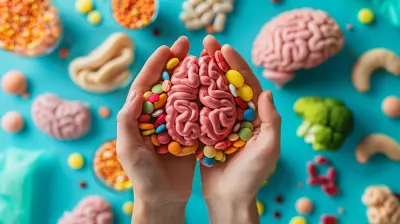
Gut Reset: Signs It’s Time to Detox Your Digestive System
16 November 2025
Let’s talk about something we all deal with daily but rarely give enough attention—our gut. Yep, that hard-working digestive system of yours does more than just process food. It’s at the heart of your overall health, mood, energy, and even skin condition. So when your gut isn’t happy, your body starts waving some serious red flags.
Ever felt constantly bloated, sluggish, or even unusually moody? That’s your gut trying to send you a message—it’s probably time for a reset. A gut detox might sound like a trendy health buzzword, but trust me, it can be a game changer when done right.
Let’s dive deep into the signs it might be time to reset your digestive system, why your gut health matters more than you think, and how a gentle detox can help you feel like yourself again.
Why Gut Health Is a Big Deal
Okay, so what’s all this fuss about the gut?Think of your gut as your body’s command center for wellness. It’s home to trillions (yes, trillions!) of bacteria, both good and bad. This collection of microbes—called the gut microbiome—helps digest food, absorb nutrients, regulate hormones, support your immune system, and even influence your brain function.
Crazy, right? Your gut and brain are literally besties, connected by something called the gut-brain axis. So when your gut is out of whack, it can affect everything from how you think to how you feel physically.
10 Real-Life Signs Your Gut Needs a Detox
Now you might be wondering, “How do I know if my gut’s crying out for help?” Here are some tell-tale signs it’s time to show your digestive system some love with a reset.1. Constant Bloating or Gas
We all get bloated once in a while, especially after a large meal. But if you’re feeling like a balloon after almost every meal, your gut is screaming for attention. Chronic bloating means your digestion isn’t working efficiently, often due to a buildup of bad bacteria, inflammation, or poor food choices.2. Irregular Bowel Movements
Let’s get real for a second—regular, easy bowel movements are a sign of a happy gut. If you’re dealing with constipation, diarrhea, or alternating between the two, it's a red flag that your digestive system is off balance.3. Chronic Fatigue or Low Energy
If your energy levels are hitting empty by mid-morning, your gut could be to blame. Poor digestion means your body isn’t absorbing nutrients properly, which leads to fatigue even if you’re eating "healthy."4. Crazy Sugar Cravings
Ever feel like a cookie monster you just can’t control? That’s not just willpower. An imbalanced gut (especially an overgrowth of bad bacteria or yeast) can send signals to your brain to feed them sugar—and the more you eat, the worse the cycle gets.5. Foggy Brain or Trouble Concentrating
Not being able to focus is frustrating. If you’re finding it hard to get through simple tasks, your gut-brain connection might be disrupted. Toxins from poor digestion can actually mess with your brain chemistry.6. Mood Swings Or Anxiety
Here’s where that gut-brain link gets even deeper. Did you know 90% of your serotonin (the feel-good hormone) is made in the gut? So if you’re feeling anxious, irritable, or unusually down, your gut health might be part of the puzzle.7. Skin Issues
Breakouts that won’t quit? Inflamed or itchy skin? Eczema flaring up? The gut and skin are more connected than you think. Inflammation and toxins in your digestive tract can show up right on your face.8. Bad Breath or Body Odor
This one’s a little embarrassing, but important. If you notice persistent bad breath or strong body odor that doesn’t go away with soap and mints, that could be your gut pushing out toxins it can’t process internally.9. Frequent Illness
Getting sick more often than usual? Your immune system lives largely in your gut! An unbalanced microbiome can weaken that barrier and make you more susceptible to colds, infections, and even allergies.10. Trouble Losing Weight
You’re eating clean, working out, and still not shedding pounds? Something’s up. A toxic gut can slow down your metabolism, increase inflammation, and make it harder to trim stubborn fat.
What Causes Gut Imbalance?
Now that we know what the symptoms look like, let’s get into what causes them in the first place.1. Poor Diet
Processed foods, sugar, artificial sweeteners, and lack of fiber are like poison to your gut flora. These foods feed bad bacteria and starve the good ones.2. Stress & Anxiety
Stress is a silent gut killer. It disrupts digestion, changes bowel habits, and throws your healthy bacteria out of balance.3. Overuse of Antibiotics
While antibiotics can be life-saving, they also kill off both bad and good bacteria, leaving your gut defenseless and vulnerable to imbalances.4. Low Hydration
Water is key for flushing out toxins and keeping your digestive system running smoothly. If you're skimping on H2O, your gut's going to suffer.5. Sedentary Lifestyle
Movement helps digestion. When you’re not moving enough, your digestive system slows down, and toxins can accumulate faster.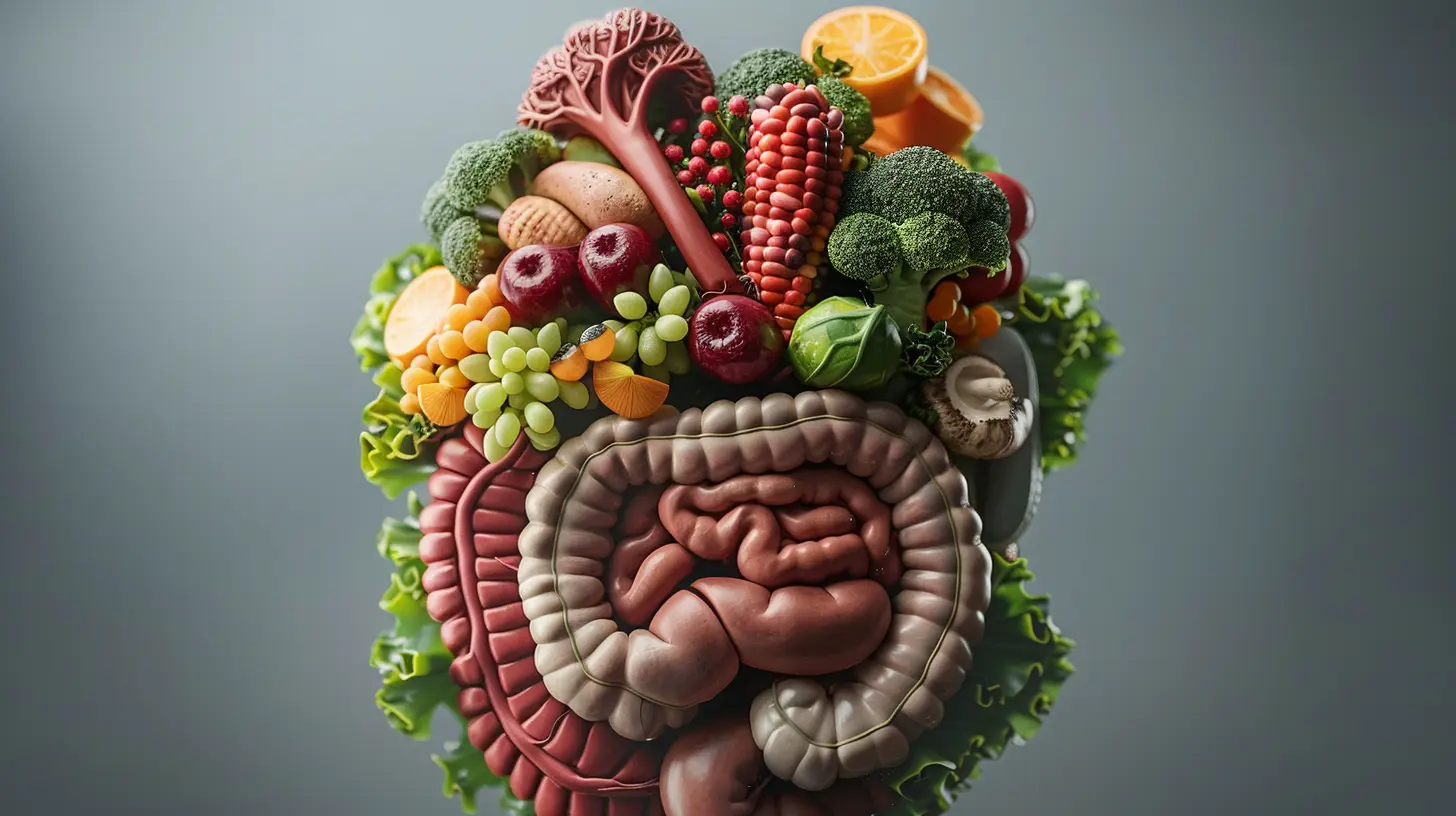
What Is a Gut Reset?
A gut reset—or gut detox—is like hitting the refresh button on your digestive system. It’s not about starving yourself or drinking mystery teas for a week. Real gut detoxing is about:- Eliminating inflammatory foods
- Feeding your microbiome with good bacteria
- Supporting digestive processes
- Giving your gut lining a chance to heal
Think of it like giving your gut a vacation so it can come back stronger, more balanced, and ready to support your body again.
How to Gently Detox Your Gut (Without Starving)
Alright, now the good stuff. Here’s how to help your gut recover and thrive, one step at a time.1. Cut Out the Gut Offenders
Start by eliminating:- Processed foods
- Excessive sugar
- Alcohol
- Dairy (if you're sensitive)
- Gluten (for some people)
Give your gut a break from these known irritants, even if just for a few weeks.
2. Eat More Whole, Fiber-Rich Foods
It’s time to show your gut the love it deserves. Fill your plate with:- Leafy greens
- Colorful veggies
- Berries
- Legumes
- Seeds and nuts
Fiber fuels your good bacteria and helps everything move along smoothly.
3. Boost With Probiotics and Prebiotics
Probiotics bring the good guys in (like the beneficial bacteria), and prebiotics feed them. You can get probiotics from:- Yogurt (unsweetened)
- Sauerkraut
- Kimchi
- Miso
- Kombucha
And prebiotics from:
- Garlic
- Onions
- Bananas
- Asparagus
- Oats
4. Drink Plenty of Water
Hydration helps your body flush out waste and keeps your digestive juices flowing. Aim for at least 8 glasses a day, and more if you’re active.5. Move Your Body Daily
A brisk walk, yoga, or light stretching is enough to stimulate digestion and reduce stress. Movement is medicine for your gut.6. Get Quality Sleep
Your gut regenerates while you rest. Aim for 7-9 hours of uninterrupted sleep to allow your digestive system to heal and reset.7. Add Gut-Supporting Supplements (Optional)
Some helpful supplements for a gut reset:- Digestive enzymes (help break down food)
- L-glutamine (helps heal the gut lining)
- Magnesium (supports regular bowel movements)
But remember—always check with a healthcare provider before starting anything new.
What to Expect During a Gut Reset
Let’s be real for a moment. A gut detox isn’t always smooth sailing. As your body releases built-up toxins, you may go through a short phase called a “healing crisis” where symptoms temporarily get worse before they get better.You might feel:
- More tired than usual
- A little cranky
- Some initial digestive discomfort
But don’t panic—it’s often a sign your body is purging the junk and starting to rebalance. Stick with it. In a few days to a couple of weeks, you’ll likely start feeling lighter, less inflamed, and more energized.
How Long Does a Gut Reset Take?
Every body is different, but a solid gut reset takes anywhere from 7 to 21 days. The key is consistency over perfection. You don’t need to be extreme—just supportive and intentional.Then, after the reset, slowly reintroduce foods one at a time to see what your body likes and what it doesn’t.
Long-Term Gut Health Tips
Once your gut is balanced again, keep it in tip-top shape with these simple habits:- Eat intuitively: Listen to your body’s signals.
- Chew slowly: Digestion starts in your mouth.
- Minimize unnecessary medications: Especially antibiotics.
- Reduce daily stress: Through breathwork, journaling or mindfulness.
- Stay active and hydrated.
Final Thoughts
Your gut isn’t just the place where food gets broken down—it’s where health truly begins. If you’re noticing ongoing bloating, fatigue, cravings, or mood swings, don’t shrug them off. Your gut might be waving a white flag, asking for a reset.The good news? With a few simple changes and a dose of self-care, you can bring your digestive system back into harmony. And when your gut is happy, everything else tends to fall into place.
So go ahead, give your gut the fresh start it’s been craving.
all images in this post were generated using AI tools
Category:
Gut HealthAuthor:

Jackson Mahoney
Discussion
rate this article
1 comments
Angie McDonough
This article effectively highlights the body’s signals for a digestive reset, emphasizing the importance of listening to our gut. By recognizing symptoms like bloating or fatigue, we can take proactive steps toward better gut health. However, it’s crucial to approach detox methods critically and prioritize balanced diets and professional guidance.
November 24, 2025 at 4:25 AM
Jackson Mahoney
Thank you for your insightful comment! It's vital to listen to our bodies and approach detox methods with care while prioritizing balanced nutrition and professional advice. Your feedback reinforces the article's key message!