Habits That Are Damaging Your Teeth
12 August 2026
Let’s face it — we all want that sparkling, movie-star smile. But while you might be brushing and flossing (well, at least most days), there could be sneaky little habits in your daily routine that are quietly sabotaging your pearly whites. Yep, even the most innocent things might be giving your dentist a reason to shake their head.
So, grab your toothbrush, sit back, and let’s dive into the not-so-obvious habits that are damaging your teeth — and what you should do instead!
1. Chewing Ice: Not as Harmless as You Think ❄️
We get it — chomping on ice feels oddly satisfying. It’s cold, crunchy, and kind of fun, right? But your teeth are not built to be mini ice crushers.Why it’s bad:
Ice is hard. Like, really hard. It can chip, crack, or even break your teeth. Not to mention, it wears down enamel and can irritate your gums.
What to do instead:
Crave something cold? Try sipping a chilled drink or munching on soft, cold fruits like watermelon or grapes.
2. Using Your Teeth as Tools ?️
Raise your hand if you’ve ever ripped open a packet with your teeth or popped off a bottle cap. Yep, guilty as charged.Why it’s bad:
Your teeth are for chewing food — not for opening bottles or cutting tape. Using them as tools can lead to cracked teeth, loosened fillings, or even injuries to your jaw.
What to do instead:
Keep actual tools handy. A small pair of scissors or a bottle opener doesn’t take much space in your bag or drawer.
3. Skipping Brushing Before Bed ?️
We know, you're tired, and the idea of brushing your teeth feels like climbing Everest. But skipping your nighttime brush is a one-way trip to plaque city.Why it’s bad:
When you sleep, saliva production decreases — making it prime time for bacteria to party in your mouth. Not brushing before bed lets all that gunk marinate overnight. Gross, right?
What to do instead:
Make it a non-negotiable part of your bedtime routine. Brush, floss, and hop into bed with a clean mouth and guilt-free conscience.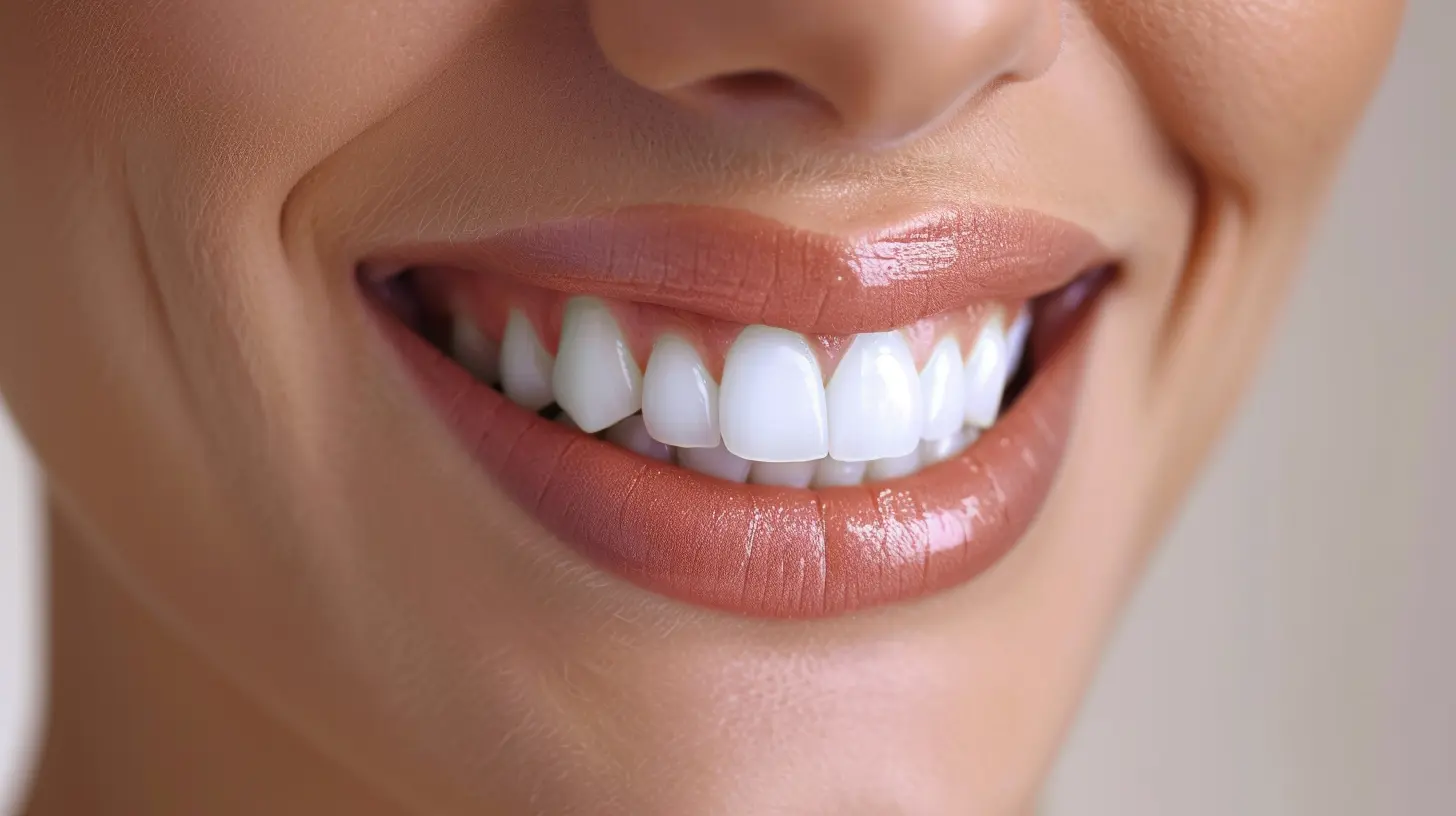
4. Overbrushing: Yes, That’s a Thing ?
Believe it or not, you can have too much of a good thing — even when it comes to brushing.Why it’s bad:
Brushing too hard or too often can wear down enamel and damage your gums. It’s like trying to scrub a delicate flower with a wire brush — not cool.
What to do instead:
Use a soft-bristled toothbrush and gentle circular motions. Two to three times a day is plenty.
5. Sipping Sugary Drinks All Day ?
Whether it’s soda, energy drinks, or even fruit juice, sipping sugary drinks throughout the day is like bathing your teeth in sugar.Why it’s bad:
The sugar feeds bacteria in your mouth, leading to cavities, enamel erosion, and bad breath. And because you're sipping all day, your mouth doesn't get a break.
What to do instead:
Drink sugary beverages with meals rather than sipping them all day. And follow up with water to rinse things out.
6. Grinding or Clenching Your Teeth ?
You might not even know you're doing it, especially if it happens in your sleep. But tooth grinding is no minor habit.Why it’s bad:
It can flatten your teeth, cause jaw pain, lead to fractures, and even mess with your sleep quality.
What to do instead:
Talk to your dentist — they might recommend a night guard. Also, practice stress-reducing techniques during the day like mindfulness, yoga, or chilling out to your favorite playlist.
7. Constant Snacking ?
We’re not here to snack-shame — everyone needs a treat now and then. But grazing all day long? That’s a problem for your teeth.Why it’s bad:
Frequent eating means continuous acid attacks on your enamel. Your saliva doesn’t get a chance to neutralize the acid and repair the enamel.
What to do instead:
Stick to regular meals and limit snacks. If you're going to snack, go for tooth-friendly options like cheese, nuts, or crunchy veggies.
8. Ignoring That Dry Mouth Feeling ?
Dry mouth isn’t just annoying — it’s also bad for your teeth.Why it’s bad:
Saliva helps wash away food and neutralize acids. Without it, your teeth are more prone to decay and gum disease.
What to do instead:
Stay hydrated, chew sugar-free gum to stimulate saliva, and talk to your doctor if it’s persistent — it could be a side effect of medication or a sign of a health issue.
9. Biting Your Nails (Or Pens… Or Anything That’s Not Food) ?️
Stress makes us do weird things — like nibbling on our nails, or chewing on the end of a pen during a long Zoom call.Why it’s bad:
These habits can chip your teeth, mess with your jaw alignment, and introduce nasty bacteria into your mouth.
What to do instead:
Find another outlet for stress — a stress ball, doodling, or even fidget toys. And keep your nails trimmed so there's less to chew on!
10. Forgetting About Your Tongue ?
Your tongue holds onto bacteria like a sponge. If you’re not cleaning it, you’re only doing half the job.Why it’s bad:
Unclean tongues can lead to bad breath and contribute to plaque buildup.
What to do instead:
Use a tongue scraper or just brush your tongue gently each time you brush your teeth. It’s a small step that makes a big difference.
11. Using Whitening Products Too Often ?
Everyone wants that gleaming white smile, but too much whitening can do more harm than good.Why it’s bad:
Overusing whitening products can erode enamel and make teeth super sensitive.
What to do instead:
Use whitening treatments as directed. Better yet, consult your dentist before going full Hollywood smile.
12. Skipping Dental Checkups ?
You know those twice-a-year dentist appointments you keep rescheduling? Yeah, they’re kind of important.Why it’s bad:
Cavities, gum disease, and even oral cancer can sneak up on you without regular checkups.
What to do instead:
Put those appointments on your calendar and keep them. Trust me, future you (and your teeth) will thank you.
13. Guzzling Acidic Drinks Like Coffee and Wine ☕?
We love them too — but they love destroying enamel just as much.Why it’s bad:
Acidic drinks can slowly erode the protective layer of your teeth, leading to sensitivity and staining.
What to do instead:
Sip with a straw (preferably reusable!), rinse your mouth with water after drinking, and avoid brushing your teeth immediately afterward to prevent extra enamel wear.
14. Smoking or Vaping ?
No sugar-coating here: bad news for your lungs, worse news for your smile.Why it’s bad:
Smoking stains your teeth, causes bad breath, increases the risk of gum disease, and even oral cancer.
What to do instead:
There’s never been a better time to quit. Talk to your doctor, try nicotine patches or support groups — your teeth (and entire body) will be better off.
15. Brushing Right After Eating Citrus ?
You think you’re doing a good thing by brushing after eating fruit, right? Not so fast.Why it’s bad:
Acidic foods soften your enamel. Brushing immediately afterward can actually wear it away faster.
What to do instead:
Wait 30 minutes after eating citrus, vinegar, or other acidic foods before brushing. Rinse with water to neutralize the acids in the meantime.
Final Thoughts
Your teeth are kind of like your car — ignore the check engine light long enough, and you’ll be in trouble. The good news? Most habits that damage teeth can be reversed or avoided with just a little bit of awareness and care.So next time you're munching ice, skipping your floss, or using your chompers to open a stubborn package... pause. Think about what you’re actually doing. Then go grab the scissors, floss like a boss, and show your smile some real love.
all images in this post were generated using AI tools
Category:
Healthy TeethAuthor:

Jackson Mahoney
Discussion
rate this article
1 comments
Bryson Patterson
I appreciate this insightful article on dental health. It's eye-opening to see how daily habits can impact our teeth in significant ways. I will definitely be more mindful of my choices moving forward. Thank you for sharing this important information to promote better oral care.
August 22, 2026 at 3:06 AM
Jackson Mahoney
Thank you for your kind words! I'm glad you found the article helpful. Small changes make a big difference in dental health. Keep up the good work!