How Alcohol Consumption Affects Immune Health
15 June 2026
Alcohol and good health? Now, that’s a pairing as unlikely as pineapple on pizza (no offense to pineapple lovers). But let’s be real—grabbing a drink after a long day or celebrating with a cold beer is a ritual many people follow religiously.
However, have you ever stopped to wonder what happens to your body's defense system when you indulge in that extra glass? Is your immune system out there, cape in hand, fighting off invaders, or is it calling in sick?
Let's break it down—minus the medical jargon and scientific mumbo-jumbo—so you can make an informed decision the next time you say, "Just one more!"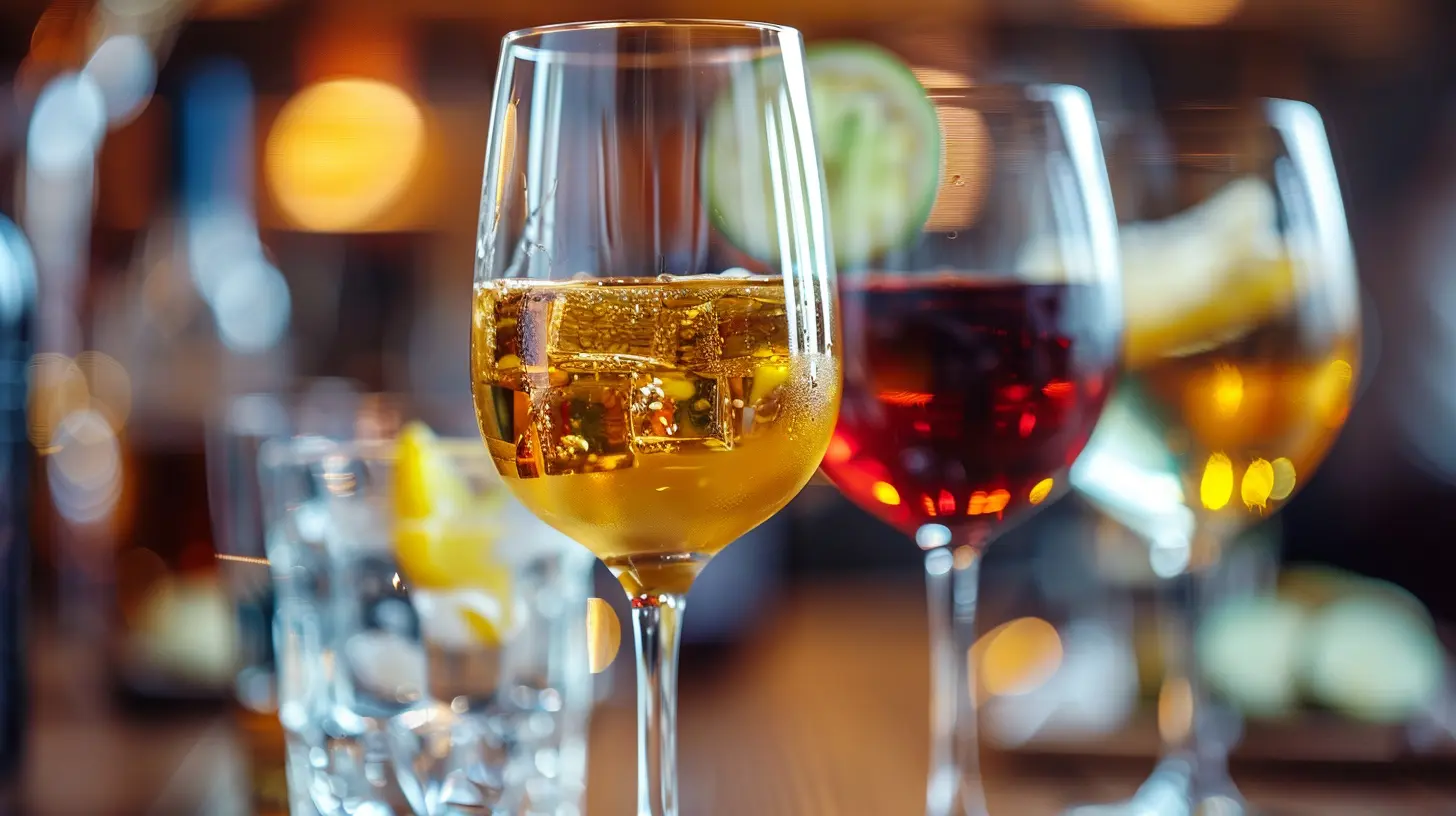
The Immune System: Your Body’s 24/7 Security Guard
Before we dive into what alcohol does to your immune system, let's take a moment to appreciate this unsung hero. Your immune system is like your personal bodyguard—on duty 24/7, rain or shine, ready to fight off any threats that come your way.It’s made up of a complex network of white blood cells, antibodies, and various other defenders who work together to identify and eliminate harmful invaders like bacteria, viruses, and toxins.
So, what happens when alcohol crashes the party?
Alcohol’s First Move: Weakening The Front Line
Picture your immune system as a fortress with layers of protection. When you drink alcohol, it starts by weakening the very first line of defense—your gut and respiratory tract.1. Gut Health Goes Off The Rails
Your gut is home to trillions of bacteria—some good, some troublemakers. A healthy balance keeps your immune system in top shape. But alcohol? Well, it’s like a wrecking ball in a china shop.- It kills off beneficial gut bacteria.
- It allows harmful bacteria to thrive.
- It weakens the gut lining, making it easier for toxins and bad bacteria to sneak into the bloodstream.
Translation? Your immune system has to work overtime to clean up the mess, making you more vulnerable to infections.
2. Respiratory System Takes A Hit
Have you ever noticed that heavy drinkers often catch colds or respiratory infections more easily? That’s because alcohol messes with the tiny, hair-like structures in your airways (called cilia), which help keep harmful pathogens out. With a sluggish defense system, bacteria and viruses have a field day in your respiratory tract.
White Blood Cells: The Struggle Is Real
Your body’s white blood cells (WBCs) play a major role in defending against invaders. But alcohol, like an uninvited guest at a party, slows them down.- Reduced WBC Production – Alcohol lowers the number of WBCs circulating in your blood, making it harder to fight off infections.
- Sluggish Response – Even the WBCs that do exist become lazy and less effective. They take longer to respond to infections and might not even recognize a threat in time.
Imagine firefighters showing up to a burning building three hours late. That’s what alcohol does to your body’s infection-fighting crew.
The Inflammation Dilemma: Too Much Or Too Little?
Your immune system uses inflammation as a tool—like turning up the heat to kill off harmful invaders. But alcohol confuses the system.1. Too Little Inflammation
- When the immune system is too suppressed, it doesn’t launch a proper inflammatory response. This means infections can spread faster than usual before your body even realizes there’s a problem.
2. Too Much Inflammation
- On the flip side, chronic alcohol consumption can actually trigger excessive, unnecessary inflammation, which can lead to tissue damage, autoimmunity, and a host of other issues.
It's like a thermostat that’s either not working at all or blasting heat in the middle of summer—either way, it’s far from ideal.
Long-Term Consequences: Not Just A Hangover
You might assume that an occasional night of drinking isn't a big deal. While moderate alcohol consumption might not wreak havoc, chronic or excessive drinking certainly does.1. More Frequent Infections
Your immune system is constantly fighting battles. But with alcohol dulling its weapons, infections—like pneumonia, tuberculosis, and even simple colds—become harder to fend off.2. Wound Healing Slows Down
Got a cut or scrape? Alcohol delays healing! Your body’s ability to close wounds and rebuild tissues slows dramatically, making injuries take longer to mend.3. Increased Risk of Chronic Diseases
Excessive alcohol intake is linked to:- Liver disease (which further weakens immunity)
- Cancer (since your immune system helps keep rogue cells in check)
- Autoimmune conditions (where an overactive immune system mistakenly attacks healthy cells)
So, while your liver is processing last night’s drinks, your immune system is probably throwing its hands up and saying, “I give up!”
“But I Only Drink Occasionally!” – Does It Still Matter?
Good news! If you're more of a casual drinker than a regular one, your immune system can bounce back. An occasional cocktail or a few beers here and there won’t destroy your defenses altogether. However, binge drinking—even if it’s once in a while—delivers a significant blow to immunity.Studies show that excessive alcohol intake (think five or more drinks in a short time for men or four for women) suppresses immune function for up to 24 hours. So, if you’re binge drinking on the weekends but living healthy during the week, you might still be compromising your ability to fight off infections.
Can Alcohol & A Strong Immune System Co-Exist?
If you love the occasional drink but also care about your health, here are a few things to keep in mind:1. Stick To Moderation
The CDC defines moderate drinking as:- Up to one drink per day for women
- Up to two drinks per day for men
Sticking within these limits is less likely to cause significant immune suppression.
2. Stay Hydrated
Alcohol dehydrates you, which affects your immune response. For every alcoholic drink, alternate with a glass of water.3. Support Gut Health
Since alcohol disrupts gut bacteria, load up on fermented foods like yogurt, kimchi, and kombucha to help restore balance.4. Prioritize Sleep & Nutrition
Alcohol messes with sleep, and poor sleep directly harms immunity. Eating a nutrient-rich diet and getting plenty of rest will help counteract some of its effects.The Bottom Line
Alcohol and immune health have a complicated relationship—it’s like trying to text your ex after a few drinks… rarely ends well!While a drink here and there isn’t the end of the world, chronic or excessive alcohol consumption can weaken your immune system, making you more susceptible to illnesses, infections, and long-term health complications.
So, the next time you pick up that drink, just ask yourself—does your immune system deserve a break today? Or are you okay with making it work overtime?
Cheers (responsibly)!
all images in this post were generated using AI tools
Category:
Healthy Immune SystemAuthor:

Jackson Mahoney
Discussion
rate this article
1 comments
Rebecca Flores
What if your nightly drink is silently shifting your body's defenses? Uncover the hidden truths behind alcohol and immune health...
June 25, 2026 at 4:29 AM
Jackson Mahoney
Great point! Alcohol can impact immune health in surprising ways, often weakening defenses and making us more vulnerable. It's essential to understand these effects for better health choices.