How Microbiome Research Is Reshaping Health by 2027
14 September 2026
The human microbiome has moved from a niche academic curiosity to one of the most consequential areas of medical science. Within the next few years, the way clinicians diagnose infections, prescribe diets, and even treat cancer will be shaped by what we know about the trillions of microorganisms living on and inside us. By 2027, this shift will not be a distant promise. It will be embedded in hospitals, pharmacies, and everyday health decisions in ways that most people have not yet fully absorbed.
This article examines what is genuinely changing, what remains speculative, and how readers can separate real progress from marketing noise. The goal is not to hype the field but to explain where it is heading, why certain approaches work, and what practical choices make sense today.
Why the Microbiome Matters More Than Most People Realize
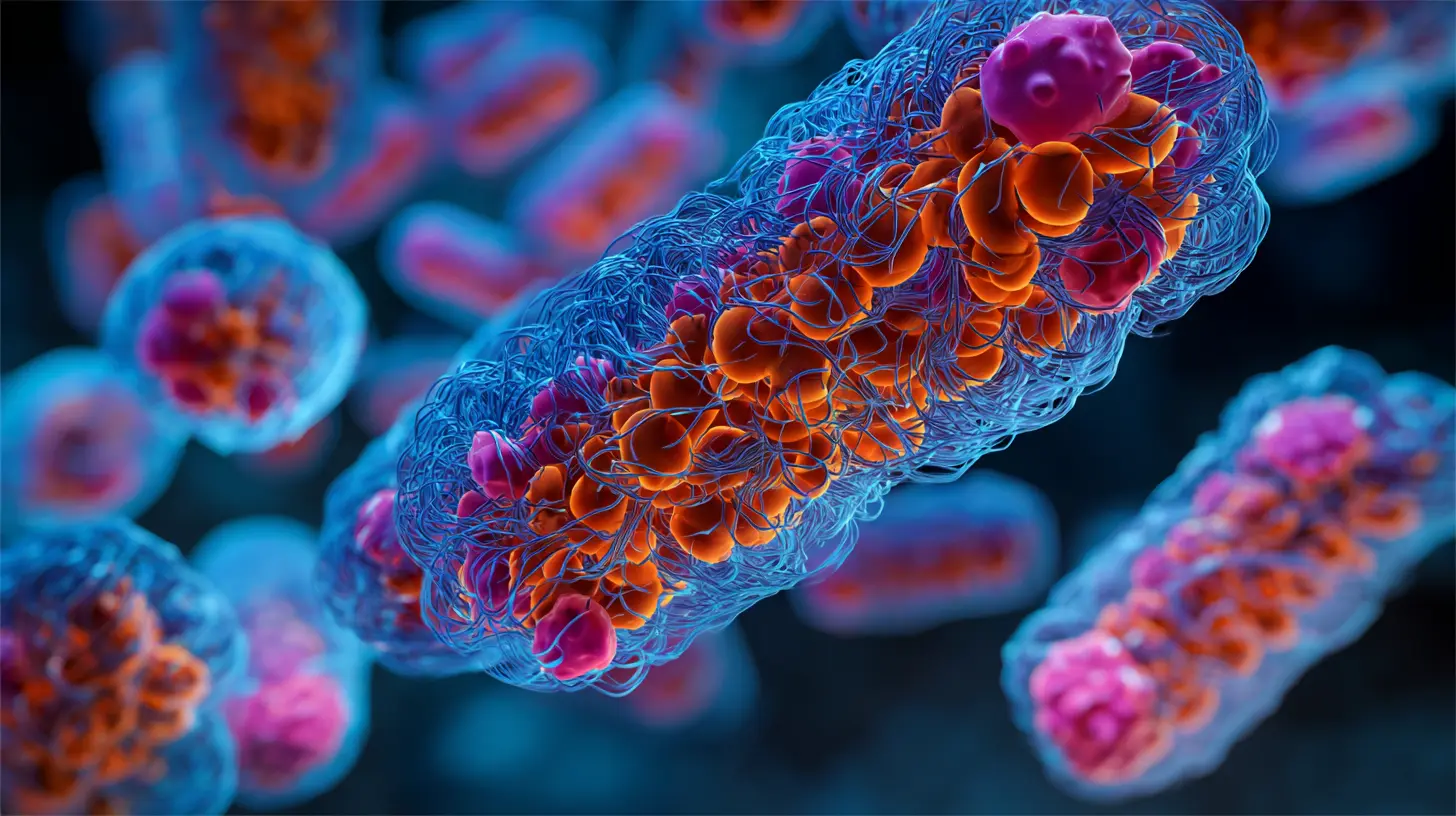
The microbiome is not a single entity. It is a collection of bacteria, fungi, viruses, and archaea that colonize the skin, mouth, gut, lungs, and reproductive tract. The gut alone hosts an estimated tens of trillions of microbial cells, and their collective genetic material dwarfs the human genome by a wide margin. These organisms are not passive passengers. They break down dietary fiber into short-chain fatty acids, synthesize certain vitamins, train the immune system, and influence how the brain regulates mood and appetite.What makes this field so disruptive is the realization that many chronic conditions once attributed solely to human genetics or lifestyle are also shaped by microbial communities. Inflammatory bowel disease, type 2 diabetes, obesity, allergies, and even some neurological conditions show consistent associations with altered microbial composition. Association is not causation, and this distinction matters enormously. But the volume of evidence pointing in the same direction has become difficult to dismiss.
The practical consequence is that medicine is gradually moving from a germ-killing mindset to an ecosystem-management mindset. Instead of simply eradicating pathogens, clinicians are starting to ask how to restore balance, diversify function, and support the communities that keep us healthy.
From Correlation to Causation: What Changed
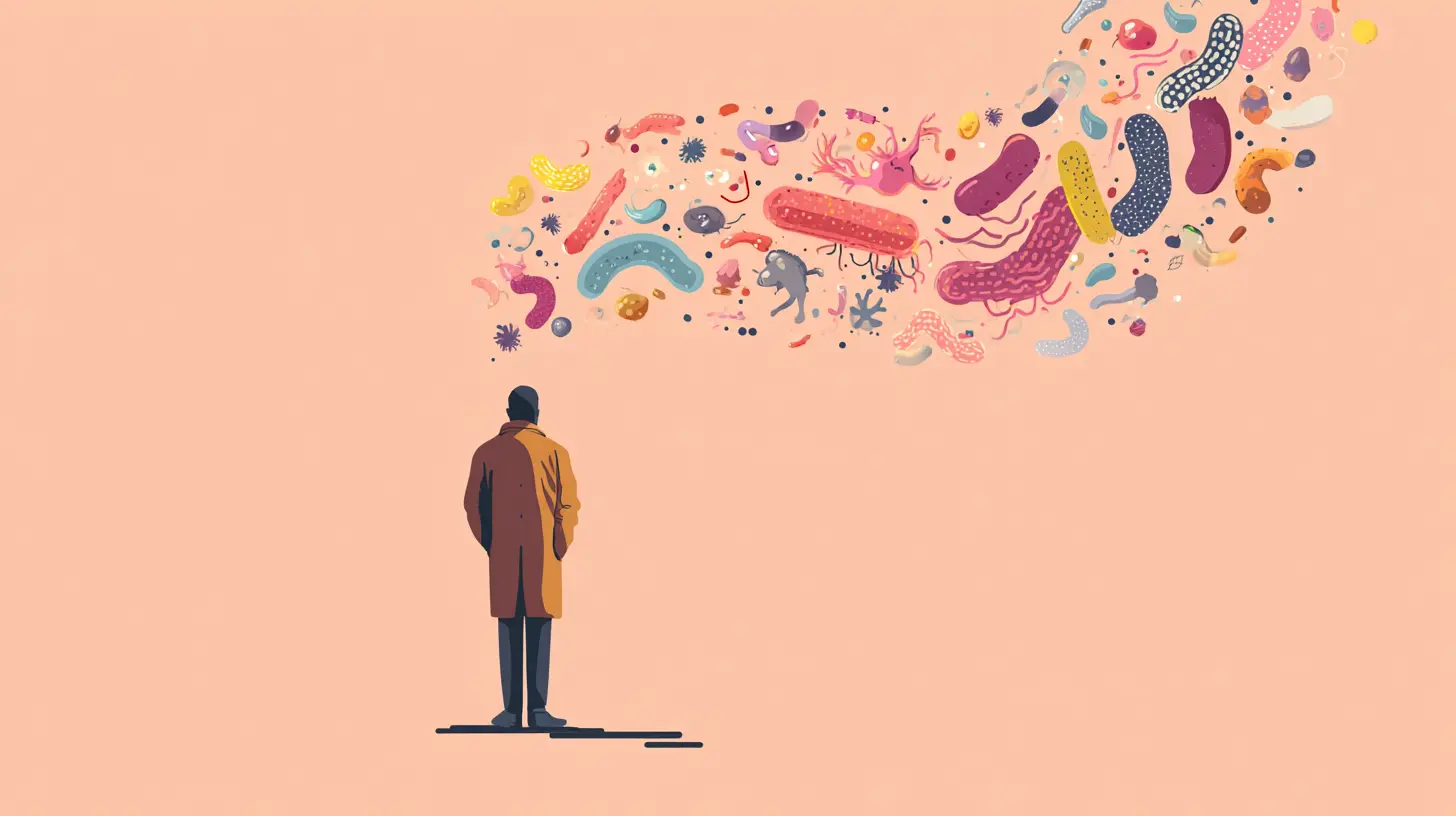
For years, critics rightly pointed out that most microbiome studies were observational. They found differences between sick and healthy people but could not prove the microbes caused the disease. That criticism is now being addressed through several converging lines of research.First, germ-free animal models allow scientists to study what happens when a specific microbe or community is introduced into an organism with no pre-existing microbiome. These experiments have shown that transferring microbiota from obese mice to lean mice can induce weight gain, and that certain bacterial strains can provoke or suppress inflammation.
Second, human fecal microbiota transplantation (FMT) has provided causal evidence in specific contexts. The most dramatic example is recurrent Clostridioides difficile infection, where FMT restores a healthy gut community and resolves infections that antibiotics could not. This is no longer experimental in many jurisdictions. It is standard care, and it demonstrates that manipulating the microbiome can produce measurable clinical outcomes.
Third, longitudinal studies that track people over time are beginning to distinguish cause from consequence. If a microbial shift precedes disease onset rather than following it, the case for causality strengthens. Several large cohort studies now suggest that specific microbial signatures can predict conditions such as colorectal cancer and metabolic syndrome years before symptoms appear.
By 2027, expect more of these causal studies to mature. The result will be a clearer map of which microbes and functions are truly driving disease, and which are merely bystanders.
Diagnostics: The Rise of Microbiome Testing
Direct-to-consumer microbiome tests have been available for years, but their clinical value has been limited. Most provide a snapshot of bacterial abundance without functional context, and results can vary widely between labs and even between samples from the same person. This variability is not a minor technical issue. It reflects genuine biological fluctuation and methodological inconsistency.That is changing. By 2027, several developments will improve the usefulness of microbiome diagnostics.
Standardization Efforts
Consortia of researchers and regulators are working on reference standards, common protocols, and validated bioinformatics pipelines. When labs use the same methods, results become comparable. This is essential for clinical use, because a doctor cannot make decisions based on a test that gives different answers depending on which company processed the sample.Functional Profiling
Instead of simply listing which bacteria are present, newer tests measure what those bacteria are doing. Metagenomic sequencing can reveal genes for producing beneficial metabolites or toxins. Metabolomic panels can detect the actual molecules microbes produce in the gut. This functional view is more clinically actionable because it tells you whether a community is likely to help or harm, regardless of its exact species composition.Host-Microbe Integration
The most promising diagnostics combine microbial data with host markers such as inflammatory proteins, blood glucose, and genetic risk scores. A microbiome result in isolation is often ambiguous. A microbiome result alongside host data can be genuinely predictive.When Testing Makes Sense
Microbiome testing is most useful when there is a specific clinical question. Examples include recurrent gut infections, unexplained chronic bloating, or evaluating response to a dietary intervention. It is least useful as a general wellness scan for asymptomatic people, because the results often lead to unnecessary worry or expensive supplements with no clear benefit.
Therapeutics: Beyond Probiotics
The word probiotic has become so diluted by marketing that it barely conveys scientific meaning. Many commercial products contain strains that have never been tested for the conditions they claim to help. By 2027, the therapeutic landscape will look quite different.Live Biotherapeutic Products
Regulators have created a new category called live biotherapeutic products (LBPs). These are defined, characterized bacterial strains developed as drugs, not supplements. They must go through clinical trials and demonstrate safety and efficacy for a specific indication. Several LBPs are already in late-stage trials for conditions such as recurrent C. difficile infection, eczema, and certain cancers.The advantage of LBPs is rigor. The disadvantage is cost and narrow indication. A supplement can be sold broadly with weak evidence. An LBP must prove itself, which means it may be expensive and available only for specific diagnoses.
Defined Consortia
Rather than a single strain, some therapies use a defined mix of several bacteria. This approach tries to recreate the functional benefits of a diverse community without the variability of donor stool. Early results in ulcerative colitis and metabolic disease are encouraging but not yet definitive.Postbiotics and Metabolites
Sometimes the benefit of bacteria comes from the molecules they produce, not the bacteria themselves. Postbiotics are preparations of these beneficial metabolites, such as butyrate or specific cell wall components. They can be dosed more precisely and stored more easily than live organisms. Expect to see more postbiotic products in clinical trials and eventually on shelves, though the evidence base will vary by product.Phage Therapy
Bacteriophages are viruses that infect bacteria. They offer a way to target specific pathogens without disrupting the entire microbiome, which is a major limitation of broad-spectrum antibiotics. Phage therapy is already used in some countries for antibiotic-resistant infections, and research is expanding. By 2027, phage-based products may reach broader clinical use, particularly for skin, wound, and gut infections.Diet and the Microbiome: What Actually Works
Diet is the most powerful tool most people have for shaping their microbiome. It is also the area with the most misinformation. The core principle is simple: microbes respond to what you feed them. The details are where things get complicated.Fiber Diversity Matters More Than Fiber Quantity
A common mistake is to focus only on total grams of fiber. Different fibers feed different bacteria. Inulin, beta-glucan, resistant starch, and pectin each support distinct groups. A diet with a wide variety of plant foods tends to produce a more diverse microbiome than a diet with a large amount of a single fiber supplement.Practical approach: aim for a broad range of vegetables, fruits, legumes, whole grains, nuts, and seeds across the week. Variety is not a slogan here. It is a biological requirement for a resilient community.
Fermented Foods Have Real Benefits
Fermented foods such as yogurt with live cultures, kefir, sauerkraut, kimchi, and tempeh can increase microbial diversity and reduce markers of inflammation. A notable Stanford study found that a diet rich in fermented foods increased microbiome diversity and decreased inflammatory markers more effectively than a high-fiber diet alone. The two approaches are not mutually exclusive, and combining them is reasonable.Caveat: not all fermented foods contain live cultures. Many shelf-stable products are pasteurized or filtered. Check labels for live and active cultures if that is your goal.
What About Probiotic Supplements?
Probiotic supplements can be useful in specific situations, such as after antibiotic treatment or for certain digestive conditions. But they are not a general fix for a poor diet. Many strains do not colonize the gut permanently. They may provide transient benefits while passing through. For most healthy people, fermented foods and a diverse diet are more effective and less expensive.Personalized Nutrition
By 2027, expect more tools that use microbiome data to guide dietary recommendations. Some studies show that predicting blood glucose response to specific foods improves when microbial data is included. However, these tools are still maturing. They can be helpful, but they should complement, not replace, general principles of healthy eating.
The Immune System and Inflammation
The microbiome trains the immune system from birth. It teaches tolerance to harmless substances and readiness against pathogens. When this education goes wrong, allergies, autoimmunity, and chronic inflammation can follow.One leading explanation is the hygiene hypothesis, now more accurately called the biodiversity hypothesis. Reduced exposure to diverse microbes in early life, due to urban living, cesarean delivery, formula feeding, and antibiotic overuse, may impair immune regulation. This does not mean we should abandon hygiene. It means we should preserve beneficial exposures where possible.
Practical Implications
- Avoid unnecessary antibiotics, especially in young children, when a doctor confirms they are not needed.- Support vaginal birth and breastfeeding when feasible, as these transfer beneficial microbes.
- Allow children to play outdoors and interact with animals, within reasonable safety limits.
- Use fermented foods and fiber to support immune balance in adults.
These are not guarantees. They are risk reducers. Genetics and environment still matter.
Cancer and the Microbiome
The relationship between microbes and cancer is one of the most active research areas. Certain bacteria, such as specific strains of Fusobacterium and Bacteroides, are associated with colorectal cancer. Others may influence response to immunotherapy.Immunotherapy Response
Checkpoint inhibitors, a type of cancer immunotherapy, work better in some patients than others. Research suggests that gut microbial composition partly explains this difference. Patients with diverse microbiomes and certain bacterial species tend to respond better. Trials are now testing whether fecal transplants or defined consortia can improve responses in non-responders.Screening and Early Detection
Microbial signatures in stool are being developed as early detection tools for colorectal cancer. Some are already commercially available as adjuncts to colonoscopy. By 2027, these tests may become more accurate and more widely used, though colonoscopy remains the gold standard for diagnosis and polyp removal.Cautions
Do not interpret this as a claim that probiotics prevent cancer. The evidence does not support that. The realistic near-term impact is in treatment response and early detection, not prevention through supplements.
Mental Health and the Gut-Brain Axis
The gut-brain axis is a bidirectional communication system involving the vagus nerve, immune signaling, and microbial metabolites. Some bacteria produce neurotransmitters such as serotonin and GABA, though their direct effect on brain function is complex and not fully understood.What Is Reasonable to Expect
- Some probiotic strains may modestly reduce symptoms of depression or anxiety in certain populations, but effects are small and strain-specific.- Dietary patterns that support a healthy microbiome, such as the Mediterranean diet, are associated with better mental health, though causality is difficult to prove.
- Psychobiotics, a term for probiotics with mental health benefits, are an emerging category. Expect more research but also more exaggerated claims.
What Is Not Reasonable
- Assuming a probiotic will replace therapy or medication for serious mental illness.- Believing that gut health alone explains depression or anxiety.
The gut-brain axis is real and important, but it is one factor among many.
Antibiotics and the Cost of Disruption
Antibiotics are lifesaving. They are also the most disruptive force on the microbiome. A single course can reduce diversity for months, and repeated courses can cause lasting changes.Best Practices
- Use antibiotics only when a bacterial infection is confirmed or strongly suspected.- Ask whether a narrower-spectrum antibiotic is appropriate.
- Consider whether a probiotic or fermented food strategy is right for your situation, especially during and after treatment.
- Do not demand antibiotics for viral infections such as colds or flu.
Trade-Offs
Probiotics during antibiotic treatment may reduce antibiotic-associated diarrhea, but some evidence suggests they can also delay microbiome recovery. The timing and strain matter. A reasonable approach is to discuss with a clinician and consider starting probiotics after the antibiotic course, or using them during if there is a specific risk of diarrhea.
Common Mistakes and Misconceptions
1. Believing all probiotics are the same. They are not. Strain, dose, and delivery matter.2. Assuming more diversity is always better. Diversity is generally good, but context matters. Some infections involve overgrowth of specific bacteria, and adding more microbes does not fix that.
3. Thinking the microbiome is fixed. It shifts with diet, sleep, stress, and medication. You have more influence than you might think.
4. Trusting a single test result. Microbiomes fluctuate. One snapshot is not a diagnosis.
5. Expecting rapid change. Significant shifts can take weeks to months of consistent dietary change.
6. Ignoring the host. Your genetics, immune system, and environment interact with microbes. The microbiome is not the whole story.
What to Expect by 2027
By 2027, several trends will likely be visible:- More validated microbiome diagnostics, especially for gut infections and cancer screening.
- At least a few approved live biotherapeutic products for specific conditions.
- Wider use of fecal microbiota transplantation for recurrent C. difficile and possibly other conditions.
- Better integration of microbiome data into personalized nutrition and preventive care.
- Continued consumer confusion, because marketing will outpace evidence.
The key shift is from promise to practice. The field is moving from "this is interesting" to "this is clinically useful" in specific, well-defined areas.
Practical Recommendations
- Eat a diverse range of plant foods. Aim for variety, not just quantity.- Include fermented foods with live cultures if you tolerate them.
- Use antibiotics only when necessary and as prescribed.
- Be skeptical of expensive microbiome tests and supplements without clear evidence.
- If you have a chronic condition, ask your doctor whether microbiome-related approaches are relevant to your case.
- Prioritize sleep, stress management, and physical activity. These influence the microbiome too.
- Avoid extreme diets that eliminate entire food groups without medical reason, as they can reduce microbial diversity.
The Bottom Line
Microbiome research is not a passing trend. It is a fundamental shift in how we understand health and disease. By 2027, it will influence diagnosis, treatment, and prevention in ways that are both exciting and grounded in evidence. The most important thing readers can do is stay informed without being swept up by hype. Focus on the basics that are well-supported: diet diversity, fermented foods, judicious antibiotic use, and a healthy lifestyle. These are not glamorous, but they are effective. And they are available today, not in some distant future.
all images in this post were generated using AI tools
Category:
Health TrendsAuthor:

Jackson Mahoney