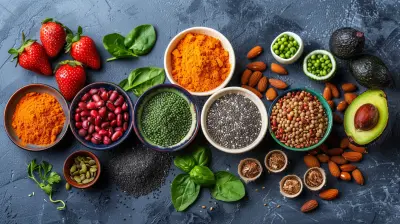
How Smart Eating Habits Can Transform Your Daily Life
24 August 2026
Most people think changing the way they eat is about willpower. They imagine a strict diet, a list of forbidden foods, and a constant battle against cravings. That approach rarely works for long. The truth is that lasting change comes from building smart eating habits, not from following rules you resent. Smart eating is not about eating less. It is about eating with more intention, more awareness, and more consistency. When you get that right, the effects ripple through every part of your day: your energy, your mood, your focus, your sleep, and even your relationships with other people.
This article is not a diet plan. It is a framework for thinking about food differently. You will learn why certain habits work, what mistakes to avoid, and how to make choices that fit your real life, not some idealized version of it.
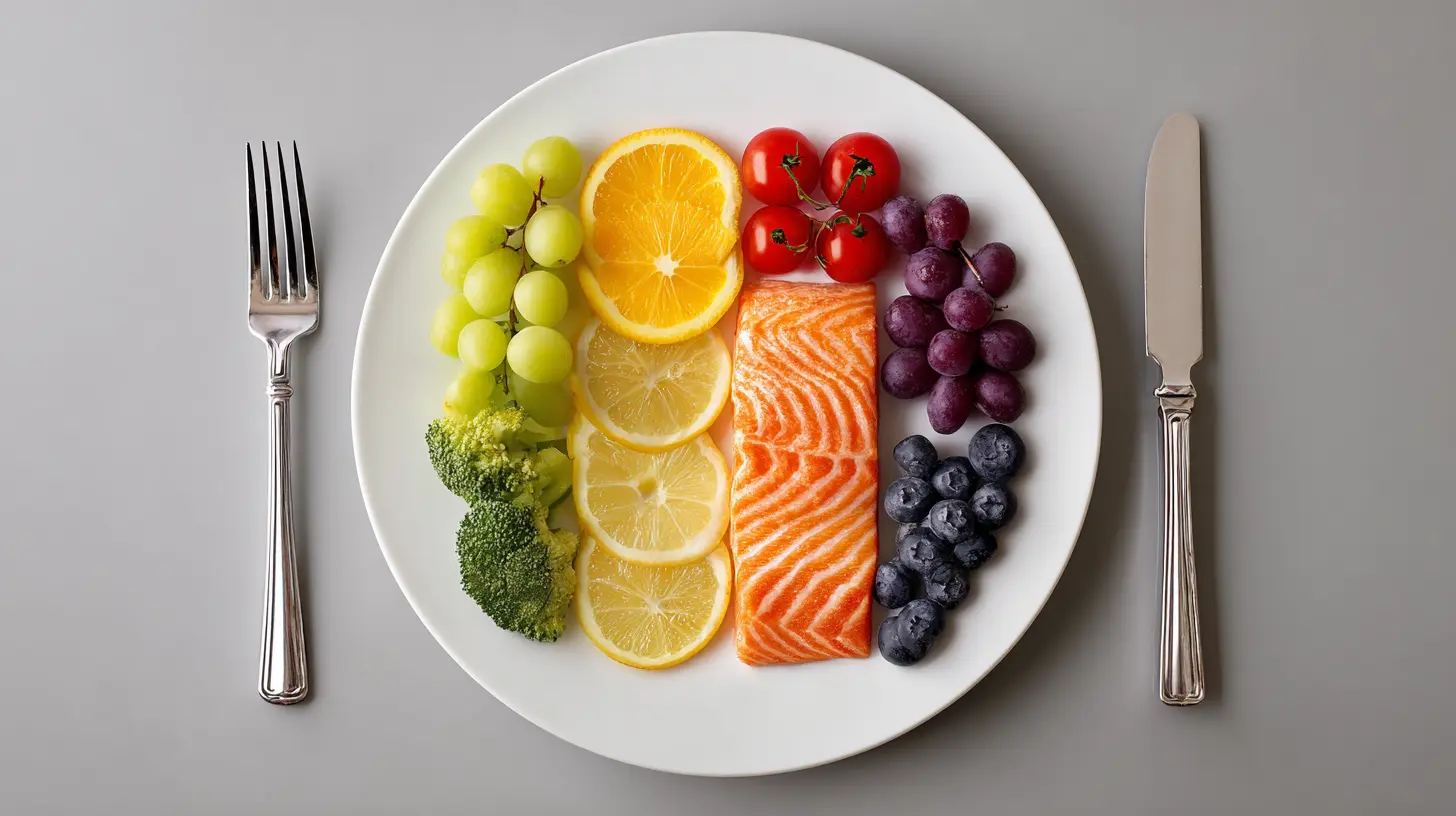
What Does Smart Eating Actually Mean?
Smart eating is a set of practical, repeatable behaviors that help you nourish your body without turning food into a source of stress. It is not about perfection. It is about making better decisions more often, and understanding the reasons behind those decisions.A smart eater does not follow a single trend. They do not cut out entire food groups because a celebrity said so. Instead, they pay attention to how food affects them personally. They notice that a heavy lunch makes them sluggish at 2 PM. They notice that skipping breakfast makes them irritable by noon. They use that information to adjust.
The core of smart eating is awareness. It is the opposite of mindless eating, where you finish a bag of chips while watching TV and barely taste any of it. When you eat mindfully, you give the food your full attention. You taste it, you chew it, and you stop when you are satisfied, not stuffed. That single shift can change your entire relationship with food.
The Energy Connection: Why Your Food Choices Dictate Your Focus
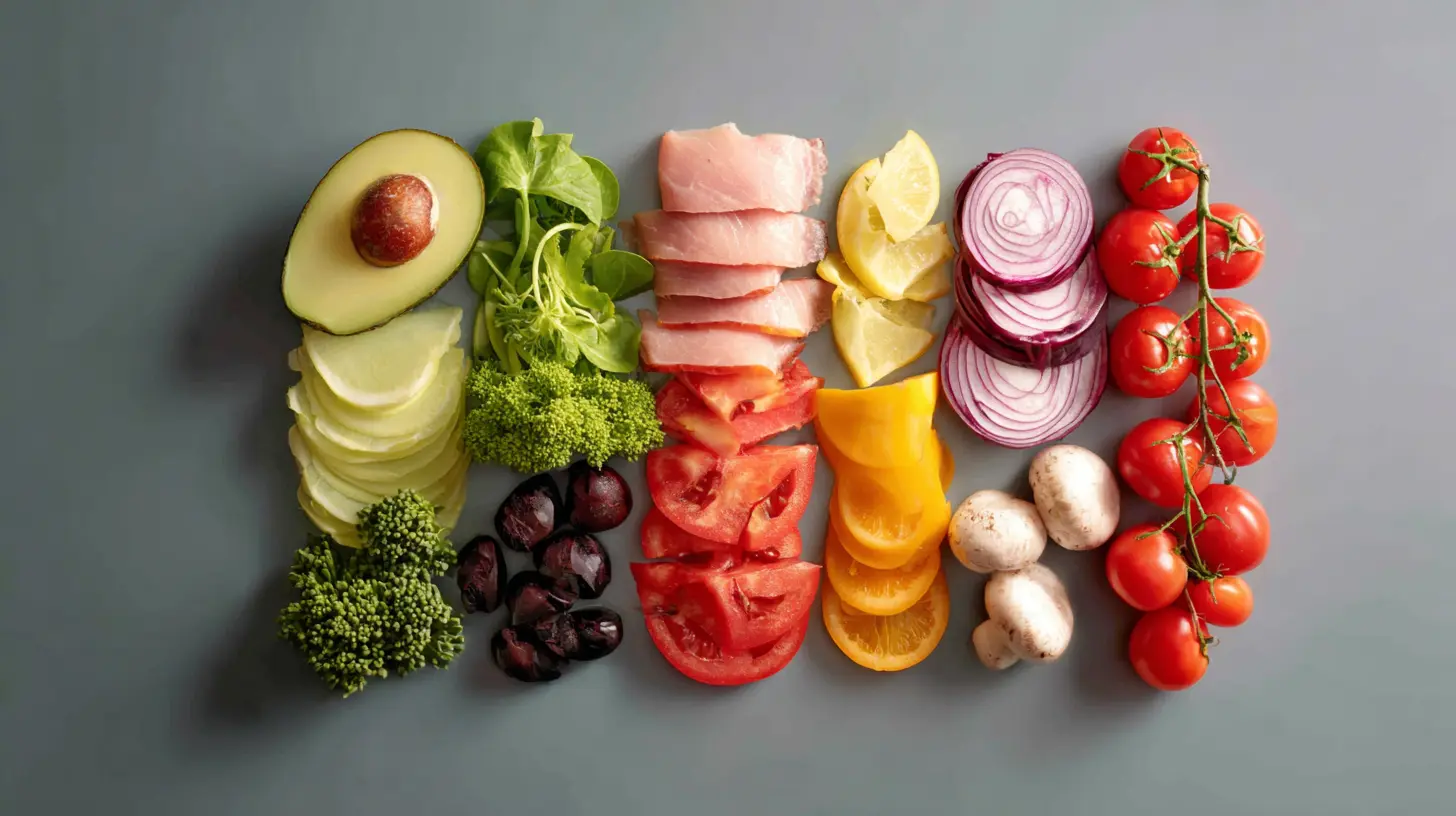
Your brain runs on glucose, but not all glucose is created equal. When you eat a sugary donut, your blood sugar spikes quickly and then crashes just as fast. That crash is what makes you feel foggy, jittery, and desperate for another hit of sugar. It is a cycle that keeps you on a rollercoaster all day.Smart eating smooths out that curve. Instead of a donut, you choose something with protein, fiber, and a little fat. A bowl of oatmeal with nuts and berries, for example, releases energy slowly. Your blood sugar stays steady, and your brain gets a constant supply of fuel. The result is sustained focus that lasts for hours, not minutes.
The practical takeaway is simple: every meal should have a balance of macronutrients. That means protein, carbohydrates, and fat. You do not need to measure grams or count calories. Just make sure each plate has something from each category. A salad with grilled chicken, avocado, and a handful of quinoa is a great example. It has everything your body needs to function well.
If you find yourself reaching for coffee every afternoon just to stay awake, look at your lunch first. A meal that is mostly refined carbs, like a white bread sandwich with chips, is a recipe for the 3 PM slump. Swap the white bread for whole grain, add a hard boiled egg, and watch your afternoon energy change.

How Smart Eating Regulates Your Mood
Food and mood are deeply connected. The gut is often called the second brain because it produces a large portion of your body's serotonin, the chemical that helps regulate mood. When your gut is healthy, you feel more stable emotionally. When it is not, you may feel anxious, irritable, or low for no obvious reason.Fermented foods like yogurt, kefir, sauerkraut, and kimchi introduce beneficial bacteria into your gut. These bacteria help with digestion and also support the production of mood-regulating chemicals. You do not need to eat them every day, but adding a serving a few times a week can make a noticeable difference over time.
On the flip side, highly processed foods with lots of additives and preservatives can disrupt your gut flora. They feed the less helpful bacteria, which can lead to inflammation. Chronic inflammation is not just a physical problem. It is linked to mood disorders as well. So the same foods that make you feel tired also make you feel down.
The smart move is not to eliminate all processed foods. That is unrealistic. But you can shift the balance. Make whole foods the default, and let processed foods be the occasional exception. Over time, you will notice that your mood is more even, and your reactions to stress are less extreme.

The Hidden Danger of Skipping Meals
Intermittent fasting is popular, and for some people it works well. But many people skip meals without a plan, thinking they are saving calories. That usually backfires. When you skip a meal, your blood sugar drops. Your body releases stress hormones like cortisol to bring it back up. You feel hungry, shaky, and cranky. Then when you finally eat, you are so hungry that you overeat.The result is a cycle of deprivation and bingeing that is hard on your body and your mental state. Smart eating does not mean never feeling hungry. It means not letting yourself get to the point of ravenous hunger where rational choices go out the window.
If you are not hungry in the morning, that is fine. You do not have to force breakfast. But you should have a plan for when you will eat next. Keep a piece of fruit and a handful of nuts at your desk or in your bag. That way, when hunger hits, you have a good option ready. The problem is not skipping a meal. The problem is skipping a meal and then having nothing good to eat when hunger arrives.
Portion Control Without Obsessive Measuring
Portion control gets a bad reputation because people associate it with tiny salads and constant hunger. But real portion control is about understanding your body's signals, not about following a chart. One of the simplest tricks is to use your hand as a guide. A portion of protein is about the size of your palm. A portion of vegetables is about the size of your fist. A portion of carbs is about the size of your cupped hand. A portion of fat is about the size of your thumb.These are not exact measurements, and they do not need to be. They are a starting point. The goal is to build awareness of what a reasonable serving looks like. Most restaurant portions are two to three times larger than what you actually need. When you eat out, you can ask for a to go box right away and put half the meal in it before you start eating. That way, you are not relying on willpower to stop halfway through. You have already made the decision.
Another useful trick is to eat slowly. It takes about twenty minutes for your brain to register that your stomach is full. If you eat in ten minutes, you will likely eat more than you need because your brain has not caught up. Put your fork down between bites. Chew thoroughly. Talk to the people you are eating with. The slower you eat, the less you need to feel satisfied.
The Role of Hydration in Appetite Control
Thirst is often mistaken for hunger. You feel a pang in your stomach, and you assume you need food. But sometimes you just need water. The brain region that handles thirst and hunger overlap, so the signals can get mixed up. A simple habit is to drink a glass of water before you reach for a snack. Wait ten minutes. If you are still hungry, eat something. If the hunger fades, you were probably just thirsty.Hydration also affects your energy and digestion. Even mild dehydration can make you feel tired and unfocused. It can also slow down your metabolism, making it harder to maintain a healthy weight. The standard advice to drink eight glasses a day is a good baseline, but your needs vary based on your size, activity level, and climate. A better guide is the color of your urine. Pale yellow means you are well hydrated. Dark yellow means you need more water.
Carrying a reusable water bottle helps. You are more likely to sip throughout the day if the water is right there. Add a slice of lemon or cucumber if plain water feels boring. Herbal teas count toward your fluid intake as well. Just be careful with sugary drinks. A bottle of sweet tea or soda can easily contain thirty or forty grams of sugar, which is more than your body needs in an entire day.
Why Meal Prep Works and How to Do It Without Burning Out
Meal prep is one of the most effective smart eating habits, but it fails for many people because they try to do too much. They spend a whole Sunday cooking elaborate meals for the week, and by Wednesday they are tired of eating the same thing. Then they give up entirely.The better approach is to prep components, not full meals. Cook a batch of rice, roast a tray of vegetables, grill a few chicken breasts, and hard boil a half dozen eggs. Then during the week, you mix and match these components to create different meals. One day you have chicken with rice and broccoli. The next day you have the same chicken in a wrap with lettuce and tomatoes. The day after that, you chop the chicken and add it to a salad.
This approach gives you variety without requiring hours of cooking every day. It also saves money because you are less likely to order takeout when you have food ready to go. The key is to keep it simple. You do not need fancy containers or a dedicated prep day. You just need to spend twenty or thirty minutes a few times a week putting together basic ingredients.
If meal prep feels overwhelming, start with one thing. Cook a big batch of oatmeal on Sunday and portion it out for the week. That covers breakfast. Then add lunch prep later. Small wins build momentum.
Common Misconceptions About Healthy Eating
There are many myths about healthy eating that do more harm than good. One of the biggest is that you have to cut out carbs to lose weight. Carbohydrates are not the enemy. The problem is refined carbs like white bread, pastries, and sugary cereals, which spike your blood sugar. Complex carbs like oats, brown rice, and sweet potatoes are packed with fiber and nutrients. They keep you full and give you steady energy. Cutting them out entirely often leads to cravings and fatigue.Another misconception is that fat makes you fat. Dietary fat is essential for hormone production, brain function, and absorbing certain vitamins. The issue is trans fats and excessive saturated fats found in fried foods and processed snacks. Healthy fats like those in olive oil, avocados, nuts, and fatty fish are beneficial. They help you feel full and satisfied, which actually makes it easier to eat less overall.
A third misconception is that healthy food is always more expensive. It can be, if you buy pre-cut vegetables and specialty superfoods. But staples like beans, lentils, eggs, oats, and frozen vegetables are very affordable. They also last longer, so you waste less. Eating healthy is more about planning than about spending a lot of money.
The Trade-Offs of Popular Diet Trends
Many people jump from one diet trend to another, hoping for a quick fix. Keto, paleo, vegan, and Mediterranean all have their merits, but they also have trade-offs you should understand before committing.The keto diet, which is very low in carbs and high in fat, can lead to rapid weight loss. But it is hard to sustain, and some people experience the keto flu, a period of fatigue, headache, and brain fog as their body adjusts. It also restricts many fruits and whole grains, which are important sources of fiber and antioxidants.
The paleo diet eliminates processed foods and grains, which is good, but it also cuts out legumes and dairy, which are healthy for many people. You can eat paleo in a healthy way, but you have to be careful to get enough calcium and fiber from other sources.
A vegan diet can be very healthy, but it requires careful planning to get enough vitamin B12, iron, and omega-3 fatty acids, which are found mainly in animal products. Without proper planning, you can end up deficient.
The Mediterranean diet is often cited as one of the healthiest ways to eat. It emphasizes vegetables, fruits, whole grains, fish, and olive oil, with moderate amounts of dairy and wine. It is more of a lifestyle than a restrictive diet, which is why people tend to stick with it.
The smart approach is not to pick a label. It is to take the best elements from different approaches and apply them to your own life. Eat more vegetables. Choose whole grains over refined. Include healthy fats. Limit added sugar. Those principles work regardless of which specific diet you follow.
Eating Out Without Derailing Your Progress
Restaurants are designed to make food taste good, often by adding extra butter, salt, and sugar. That does not mean you have to avoid eating out. It means you need a strategy.Before you go, look at the menu online. Decide what you will order before you get there. This prevents the impulse to choose something just because it sounds good on the spot. When you order, ask for sauces and dressings on the side. That way, you control how much you use. Choose grilled, baked, or steamed options over fried ones. Swap fries for a side salad or extra vegetables.
Do not be afraid to ask questions. You can ask if the chicken is marinated in butter or if the soup has cream in it. Most restaurants are happy to accommodate reasonable requests. You do not need to be difficult. You just need to be informed.
If you go out for a special occasion and overeat, do not panic. One meal will not ruin your progress. What matters is what you do next. Get back on track with your next meal. Beating yourself up only leads to more stress and more overeating.
The Social Side of Eating
Food is social. Sharing a meal with family or friends is one of life's great pleasures. But social settings can also be a source of pressure. You might feel obligated to eat what others are eating, or you might worry about being judged for your choices.The smart eater handles this by setting boundaries in a respectful way. If someone offers you a second helping, you can say, "That was delicious, but I am full." You do not need to explain yourself. If you are at a party where the only options are chips and dip, eat a small portion and then focus on the conversation. The point is not to be perfect. The point is to make reasonable choices that you feel good about.
It also helps to eat something before you go to a social event. If you arrive hungry, you are more likely to overeat. A small snack like an apple with peanut butter takes the edge off and helps you make better choices.
Building Habits That Last
Habits are built through repetition, not through motivation. Motivation fades, but habits stick. The best way to build a new eating habit is to start small and make it easy. Instead of saying, "I will eat healthy every day," say, "I will add one serving of vegetables to my lunch." That is specific and achievable. Once that becomes automatic, add another change, like drinking water before your afternoon snack.It also helps to connect a new habit to an existing one. If you always have coffee in the morning, use that as a trigger. When you make coffee, also prepare a bowl of oatmeal or cut up some fruit. The existing habit anchors the new one.
Expect setbacks. There will be days when you eat too much cake or skip a meal because you are busy. That is normal. The goal is not to be perfect. The goal is to be consistent over time. If you eat well eighty percent of the time, you will see real benefits. The other twenty percent is not a failure. It is part of being human.
The Long-Term Payoff
Smart eating habits are not about a quick fix. They are about building a foundation that supports you for the rest of your life. Over time, you will notice that you have more energy in the morning. You will think more clearly at work. You will sleep better at night. You will feel more confident in your body. You will be less reactive to stress and more able to enjoy the moments that matter.These changes do not happen overnight. They happen gradually, one meal at a time. But they are real, and they are lasting. When you eat smart, you are not just feeding your body. You are investing in your future self.
Start today with one small change. Drink a glass of water before your next meal. Add a vegetable to your plate. Eat one meal without looking at your phone. These small actions add up. That is the power of smart eating habits.
all images in this post were generated using AI tools
Category:
Balanced DietAuthor:

Jackson Mahoney
Discussion
rate this article
1 comments
Sheena Blair
This article is a great reminder of how small changes in our eating habits can lead to significant improvements in our daily lives. Smart eating not only nourishes the body but also boosts mood and energy. Excited to start implementing these tips and feel the difference!
August 30, 2026 at 2:35 AM
Jackson Mahoney
Thanks for your thoughts! I'm glad you found the tips inspiring. Small changes can truly make a big impact. Enjoy your journey to smarter eating!