How Smart Homes Will Monitor Your Health by 2027
5 September 2026
Picture this: you wake up at 7:15 AM, and your bathroom mirror has already checked your skin tone, your toilet has analyzed your urine, and your bed has reported that you only got six hours and forty-two minutes of sleep, with a suspicious amount of tossing after 3 AM. Your coffee maker knows your blood pressure trend from the last three mornings and decides to make you a decaf instead of the usual double shot. You are not in a sci-fi movie. You are in a house that treats your body like a piece of infrastructure, quietly running diagnostics while you argue with your toaster about bagel settings.
By 2027, the smart home will not just turn off your lights or play your playlist. It will become an ambient health monitor, a passive but persistent observer of your biological patterns. The shift is not about adding more gadgets to your nightstand. It is about embedding sensors into the surfaces you already touch, sit on, and sleep in. The result is a continuous stream of health data that you never have to actively collect. The question is not whether this will happen. It is whether you are ready for a house that knows you are getting a cold before you do.
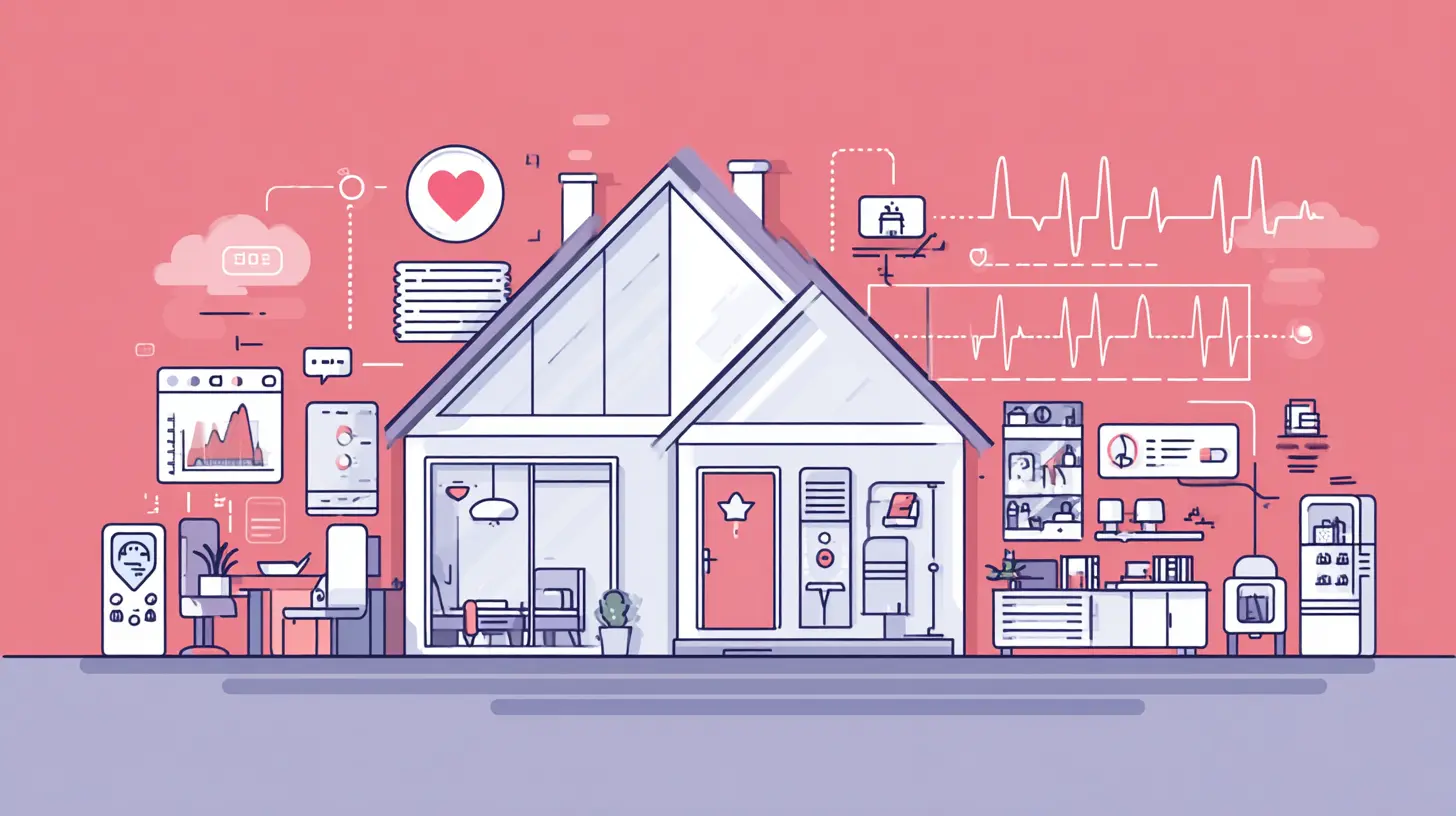
The Bathroom: Your Most Honest Room
Let us start where privacy goes to die: the bathroom. By 2027, the smart toilet will be as common as a heated seat in upper-middle-class homes. This is not a speculative fantasy. Researchers have already demonstrated toilets that analyze urine for glucose, protein, and pH levels. They can track hydration, detect early signs of urinary tract infections, and even flag markers associated with kidney disease. The technology works by using optical sensors and chemical test strips built into the bowl, combined with computer vision that identifies the user by their unique "seat print" (yes, that is a real concept, and no, you cannot unthink it).The mirror is next. Smart mirrors with embedded cameras and spectral imaging can assess your skin for signs of dehydration, jaundice, or unusual moles. Some prototypes use near-infrared light to measure blood flow in your face, which correlates with heart rate and stress levels. By 2027, these mirrors will likely offer a daily "vitals glance" that takes less than ten seconds. You brush your teeth, and the mirror quietly notes that your resting heart rate is up by eight beats per minute compared to your weekly average. It does not alarm you. It just logs it.
The trade-off here is obvious: you are trading a level of bodily privacy that most people take for granted. The toilet knows more about your metabolic health than your doctor does after a yearly blood draw. The mirror sees your face before you put on your social mask. If this data stays on your local network, encrypted, that is one thing. If it syncs to a cloud service that shares de-identified data with insurance companies, that is another. By 2027, expect a major consumer backlash against any device that transmits health data without explicit, granular consent. The best products will give you local processing options, where the analysis happens on a chip inside the device and only a summary reaches your phone.
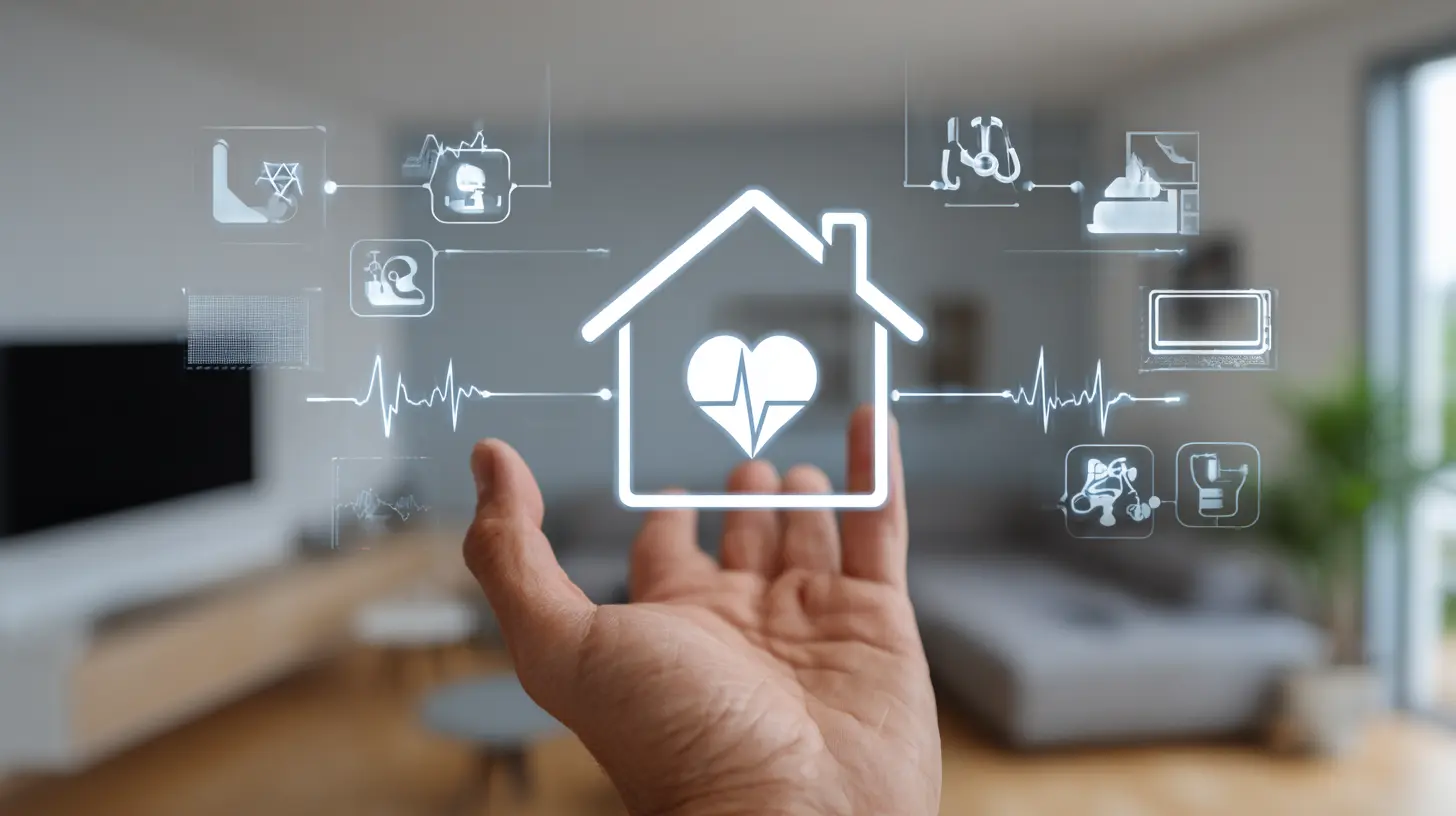
The Bedroom: Sleep as a Diagnostic Goldmine
Your bed is the most underutilized health sensor in your home. By 2027, sleep tracking will move from wristbands to the mattress itself. Pressure sensors embedded in the mattress can measure your breathing rate, heart rate, and even subtle movements that indicate restless leg syndrome. Some advanced systems use a technique called ballistocardiography, which measures the tiny vibrations your body makes with each heartbeat. This is not science fiction. It is already used in hospital monitoring. The innovation is making it cheap enough and thin enough to fit in a standard mattress pad.The real breakthrough will be sleep apnea detection. Currently, diagnosing sleep apnea requires an overnight stay in a sleep lab with wires glued to your scalp and a mask over your face. By 2027, your bed will be able to detect apneic events, periods where you stop breathing for ten seconds or more, with reasonable accuracy. It will not replace a formal diagnosis, but it will tell you that you have a pattern worth investigating. This is genuinely useful because sleep apnea is massively underdiagnosed and contributes to heart disease, stroke, and daytime fatigue.
But here is the nuance: a smart bed that tracks sleep is only useful if you act on the data. The common mistake is to obsess over nightly sleep scores, which are notoriously noisy and influenced by alcohol, stress, and room temperature. The better approach is to look at weekly trends. If your bed says you are consistently getting less deep sleep on weekdays, that is a signal to change your evening routine, not to buy a new pillow. Also, beware of the false precision trap. A bed that claims to measure sleep stages with 95 percent accuracy is lying. Consumer devices typically have an accuracy of 70 to 80 percent compared to polysomnography. That is fine for spotting trends, but it is not a medical device.
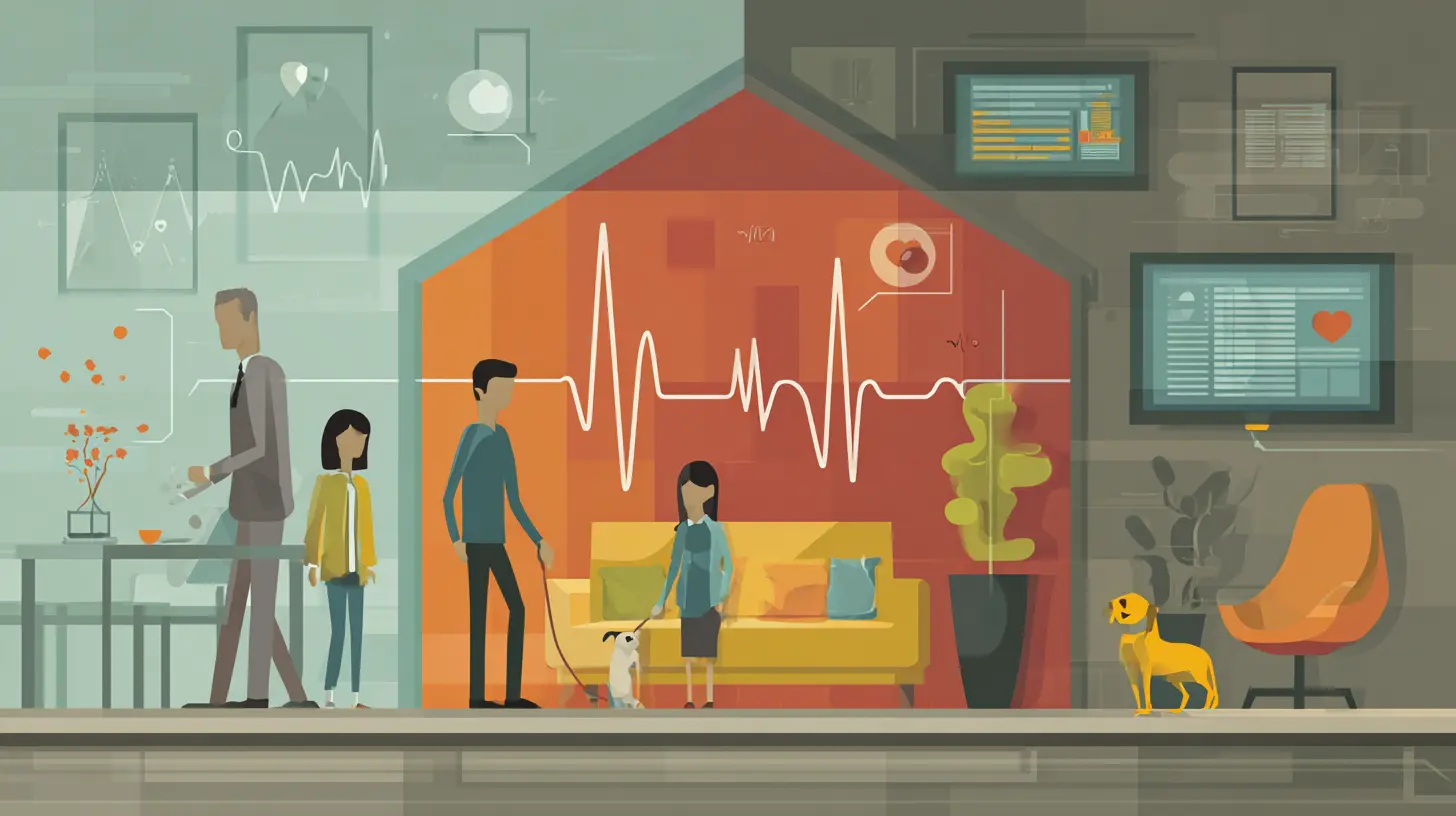
The Kitchen: The Food Police Arrive
The kitchen will become the most controversial room in the smart health home. By 2027, countertop sensors will be able to scan your food and estimate its macronutrient content. You place a bowl of oatmeal under a scanner, and it tells you the approximate grams of protein, carbs, and fiber. Some systems will use spectroscopy to analyze the chemical composition of your meal. Others will simply use a camera and a database of foods, which is less accurate but cheaper.The refrigerator will also evolve. It will not just tell you when the milk is expired. It will track your eating habits and correlate them with your glucose monitor or your bathroom scale. If you have a continuous glucose monitor, which many non-diabetics will wear by 2027 for metabolic optimization, your fridge might suggest a snack based on your current glucose trend. This is where things get paternalistic. Do you want a fridge that tells you not to eat the leftover cheesecake at 10 PM? Some people will find this helpful. Others will feel judged by an appliance.
The practical advice here is to set boundaries. You should have full control over what the kitchen tracks and what it suggests. A good system will let you turn off all nutritional coaching and just use the scanner for basic logging. The worst systems will try to gamify every meal, giving you a "food score" that makes you feel guilty for eating a burger. That approach backfires. Guilt-based health tracking leads to anxiety and disordered eating patterns, not better health. The best systems focus on data, not judgment. They show you what you ate and how it affected your body, but they do not scold you.
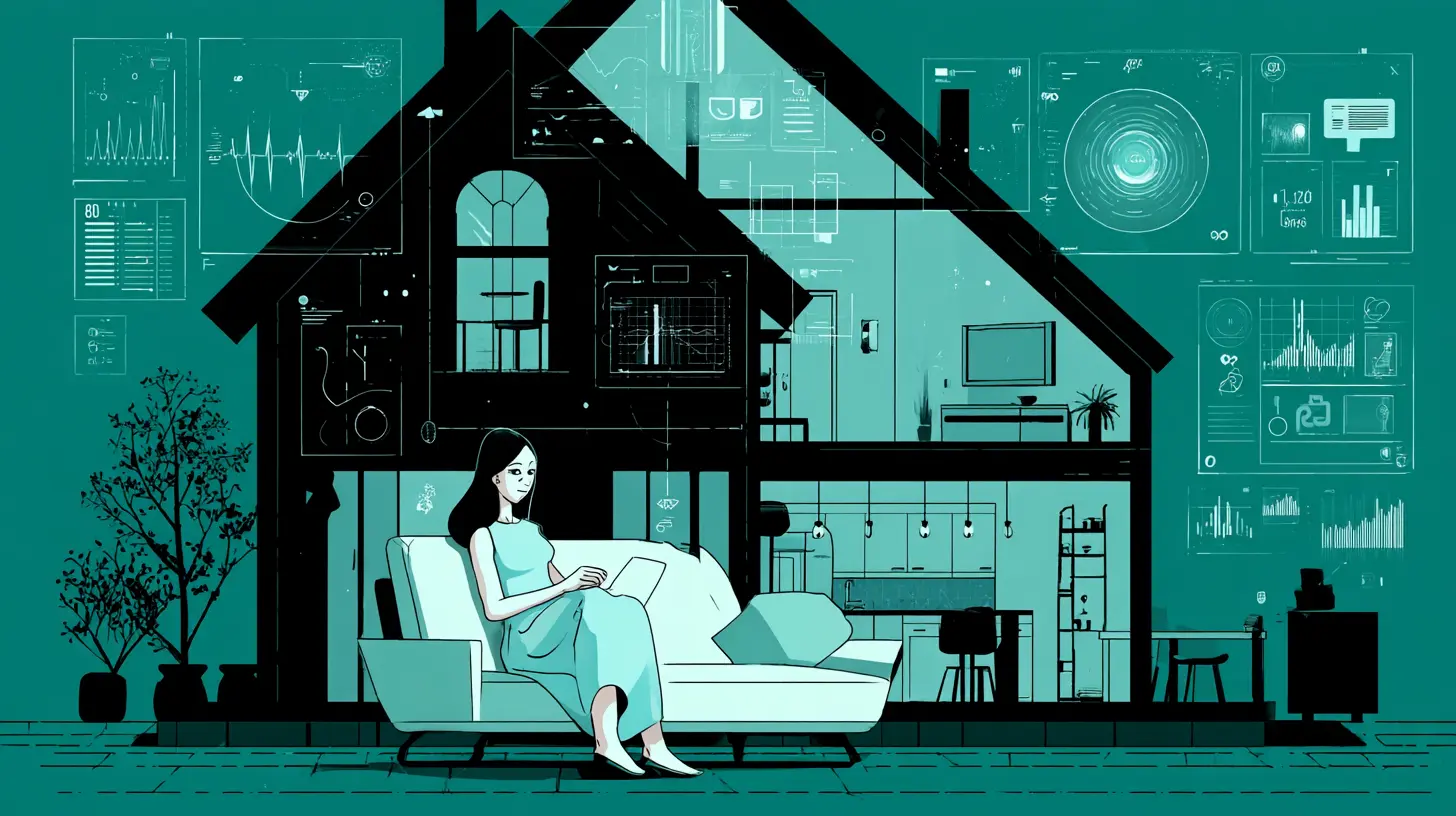
The Living Room: Passive Cardiovascular Surveillance
Your living room couch will not just be a place to watch Netflix. By 2027, many sofas will include embedded sensors that measure your heart rate and respiratory rate while you sit. This is not about monitoring you during a workout. It is about capturing baseline data during sedentary periods, which is actually more informative for cardiovascular health. A resting heart rate that creeps up over weeks can indicate stress, overtraining, or the onset of illness. A couch that tracks this passively gives you a long-term trend without any effort.The television will also play a role. Some smart TVs will use a low-power radar sensor to detect your breathing rate from across the room. This sounds invasive, and it can be, but it also has practical applications. For elderly people living alone, a TV that can detect a fall or a sudden change in breathing pattern could be a lifesaver. By 2027, expect to see "ambient fall detection" as a standard feature in senior-focused smart homes. This is one of the clearest use cases for the technology because it addresses a real problem: many older adults do not wear emergency pendants, and a fall can leave them on the floor for hours.
The trade-off with living room monitoring is the creep factor. A camera that watches you watch TV is unsettling. Radar-based sensors are less intrusive because they do not capture images, just motion and breathing patterns. If you are considering this technology, look for devices that use radar or thermal sensors instead of cameras. They are less accurate for some tasks, but they preserve more privacy. Also, check whether the data is processed locally. A radar sensor that does all its analysis on the device and only sends an alert when something is wrong is far better than one that streams raw data to a cloud server.
The Home Hub: The Unseen Coordinator
All these sensors need a central brain. By 2027, your smart home hub will not just manage your thermostat and locks. It will aggregate health data from your bed, toilet, mirror, and couch, then present it in a unified dashboard. This is where the real value emerges. A single data point, like a high resting heart rate, is not very useful. But when the hub combines that with poor sleep quality, a drop in bathroom scale weight, and an elevated stress score from your mirror, it can paint a coherent picture. You might be getting sick. Or you might be overtraining. Or you might be drinking too much coffee after 4 PM.The best hubs will not just show you charts. They will provide contextual insights. For example, the hub might notice that your sleep quality drops on nights when the bedroom temperature is above 72 degrees Fahrenheit. It can then suggest adjusting your thermostat. That is a concrete, actionable recommendation based on your own data, not a generic wellness tip. This is the difference between a smart home that collects data and one that actually helps you live better.
However, there is a major pitfall: data integration is hard. Different manufacturers use different protocols, and your toilet might not talk to your bed if they are from competing brands. By 2027, expect the industry to consolidate around a few standards, but expect some friction in the meantime. My advice is to choose a hub that supports open protocols like Matter or Thread, which allow devices from different manufacturers to communicate. Avoid proprietary ecosystems that lock you into one brand for everything. You do not want to replace your perfectly good toilet just because your bed company decides to stop supporting third-party integrations.
The Data Privacy Minefield
Let us address the elephant in the room, or rather, the elephant in your bedroom. Your health data is the most sensitive personal information you possess. It is more revealing than your search history, your credit card statements, or your social media posts. By 2027, this data will be incredibly valuable to insurance companies, employers, and advertisers. The risk is not that your smart toilet will judge you for eating too much cheese. The risk is that your insurance premium will go up because your bed detected a pattern of poor sleep that correlates with higher health claims.The common misconception is that privacy laws like HIPAA protect all health data. They do not. HIPAA only applies to healthcare providers, insurers, and their business associates. A smart home device manufacturer is not covered by HIPAA unless they are acting on behalf of a healthcare provider. This means your smart bed data is essentially unregulated. The company can use it for marketing, sell it to data brokers, or share it with your employer, unless their privacy policy explicitly prohibits that.
What can you do? First, read the privacy policy before you buy. Look for devices that offer local processing and do not require cloud sync for basic functionality. Second, use a separate network for your smart home devices, so that a breach of your smart TV does not expose your health data. Third, consider buying from companies that have a clear track record on privacy and are willing to sign a data processing agreement. This is rare in the consumer space, but it exists. Finally, be skeptical of any device that offers free cloud storage for your health data. If the service is free, you are the product.
The Doctor Will See You Now, Virtually
By 2027, the smart home will not replace your doctor, but it will change the conversation you have with them. Instead of walking into an appointment with vague complaints like "I have been feeling tired," you will bring a six-month trend of sleep data, resting heart rate, and activity levels. Your doctor will have a much better sense of what is normal for you, which is more useful than comparing you to population averages. This is the promise of personalized medicine, and it is genuinely exciting.However, there is a risk of over-reliance on consumer data. A smart bed is not a medical device. It can miss conditions that require actual clinical tests. If your bed data suggests you might have sleep apnea, you still need a formal sleep study for a diagnosis. If your toilet detects blood in your urine, you still need a lab test to confirm and find the cause. The smart home is a screening tool, not a diagnostic tool. The best approach is to share your smart home data with your doctor as a supplement to, not a replacement for, standard medical care.
Another consideration is the digital divide. By 2027, smart health homes will be a luxury. The wealthy will have continuous monitoring that catches problems early. The poor will still rely on episodic care, where diseases are often detected later, when they are harder and more expensive to treat. This is not a technical problem. It is a policy problem. If you are in a position to influence your company's health benefits or your community's public health programs, push for equitable access to these technologies. Otherwise, we will create a two-tiered health system where the rich get prevention and the poor get emergency rooms.
Practical Steps for the Next 24 Months
If you want to be ready for the smart health home of 2027, you do not need to buy everything today. Start with a single, high-quality sensor and learn how to interpret its data. A good sleep tracking mattress pad is a reasonable first purchase because sleep affects everything else. Next, add a smart scale that measures body composition, not just weight. Then, consider a continuous glucose monitor if you are interested in metabolic health, even if you are not diabetic. These devices are becoming more affordable and are excellent for understanding how your body responds to different foods.Avoid the mistake of buying cheap, gimmicky devices that promise to track everything but deliver inaccurate data. A $30 fitness band that claims to measure blood oxygen is not comparable to a medical-grade pulse oximeter. Look for devices that have published validation studies or at least cite independent testing. The consumer health tech market is full of products that are more marketing than engineering. Do your research, read reviews from actual users, and be willing to pay more for accuracy.
Finally, set realistic expectations. Your smart home will not make you healthy. It will give you information. The hard part is acting on that information. A bed that tells you to sleep earlier is useless if you ignore it. A mirror that notices your stress is useless if you do not change your schedule. The technology is a tool, not a solution. The solution is still you, making decisions about your habits, your environment, and your priorities. By 2027, the house will be a great assistant. But you are still the boss.
all images in this post were generated using AI tools
Category:
Health TrendsAuthor:

Jackson Mahoney
Discussion
rate this article
1 comments
Ramona Simon
This article paints an exciting picture of the future. The potential for smart homes to actively monitor our health is both intriguing and reassuring. It's great to think about how technology can support our well-being and help us live healthier lives. I look forward to seeing how this evolves in the coming years.
September 12, 2026 at 3:09 AM