How Smoking Affects Your Oral Health
2 August 2026
Smoking is one of those habits that harms nearly every part of your body. While most people know about its effects on the lungs and heart, few realize just how devastating it can be to your oral health. Your mouth is the first point of contact for cigarette smoke, meaning the damage starts before it even reaches your lungs.
If you're struggling with tobacco use or thinking about quitting, understanding how smoking affects your mouth might give you the push you need. So, let's dive deep into the hidden dangers of smoking on your teeth, gums, and overall oral health.
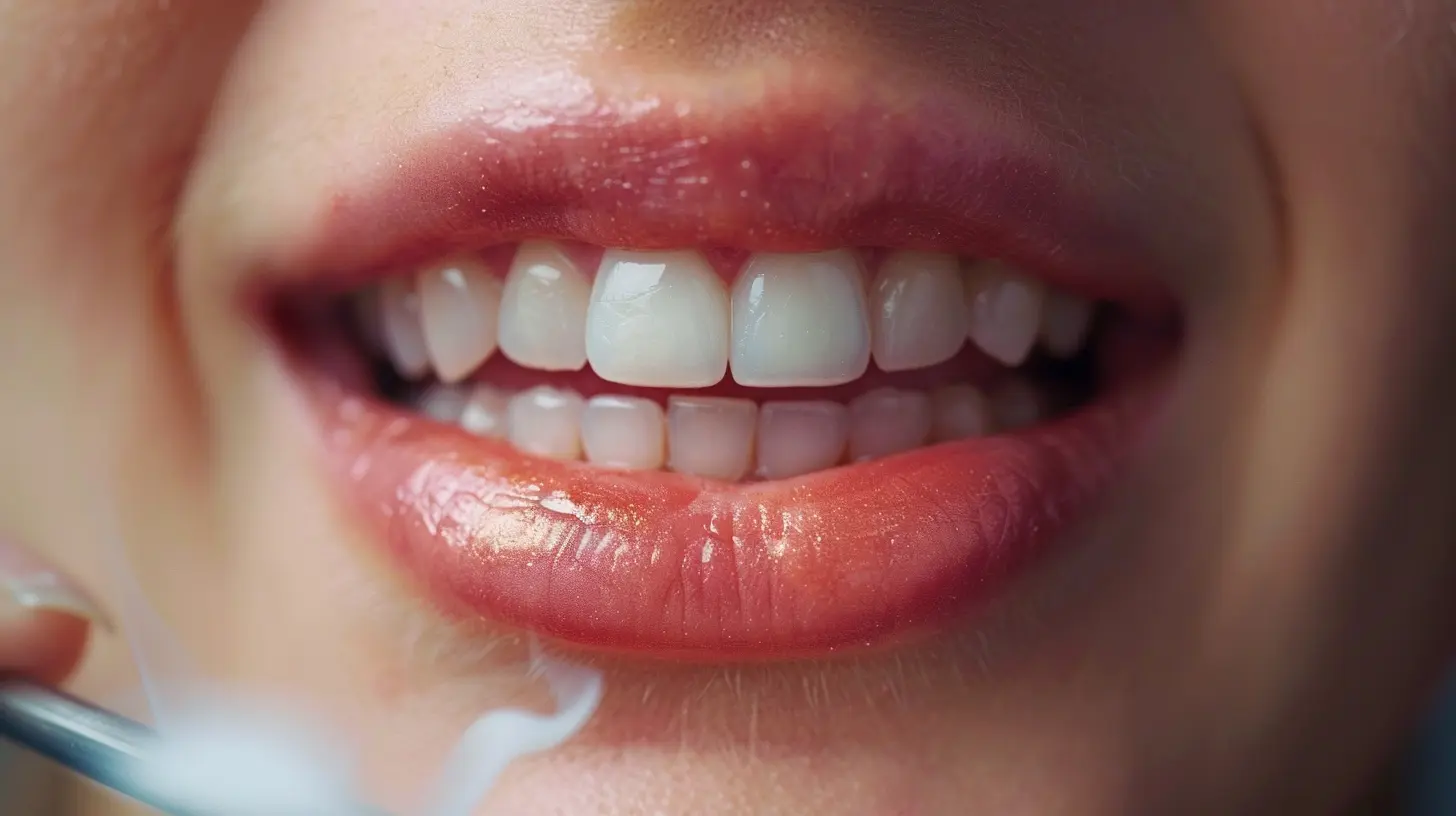
The Immediate Effects of Smoking on Your Mouth
From the moment you inhale cigarette smoke, your mouth starts to suffer. Tobacco contains harmful chemicals that coat your teeth, tongue, and gums, leading to several noticeable issues:1. Bad Breath (Smoker’s Breath)
Ever noticed how smokers often have persistent bad breath? That’s because the chemicals in tobacco linger in your mouth long after you've finished a cigarette. Smoking dries out the mouth, reducing saliva production, which is essential for washing away bacteria. Without enough saliva, bacteria thrive, leading to chronic bad breath.2. Stained Teeth
Nicotine and tar in cigarettes leave behind stubborn yellow or brown stains on your teeth. Over time, these stains sink deeper into the enamel, making them nearly impossible to remove with regular brushing. Many long-term smokers struggle with discoloration, often requiring professional teeth whitening treatments.3. Dulled Taste and Smell
Smoking dulls your senses, particularly taste and smell. It may take a while to notice, but over time, cigarettes damage the taste buds, making food seem bland. Unfortunately, this might lead you to reach for saltier or sugary foods, which can worsen oral health issues.
How Smoking Leads to Severe Gum Disease
If you think brushing and flossing are enough to protect your gums from smoking, think again. Cigarettes weaken your immune system, making it harder for your body to fight off infections, including gum disease (periodontitis).4. Increased Plaque and Tartar Build-up
Smoking changes the composition of your saliva, making it easier for plaque to stick to your teeth. This sticky film of bacteria hardens into tartar, which can only be removed by a dentist. Tartar buildup leads to swollen, bleeding gums—one of the first signs of gum disease.5. Slow Healing After Gum Infections
Since smoking reduces blood flow to the gums, it slows down the healing process. This means that if you develop an infection or undergo dental work (like a tooth extraction or gum surgery), your mouth will take much longer to recover.6. Higher Risk of Tooth Loss
Gum disease is the leading cause of tooth loss, and smokers are twice as likely to suffer from it. As the gums weaken, they can no longer hold onto teeth firmly. Eventually, teeth become loose and may even fall out on their own.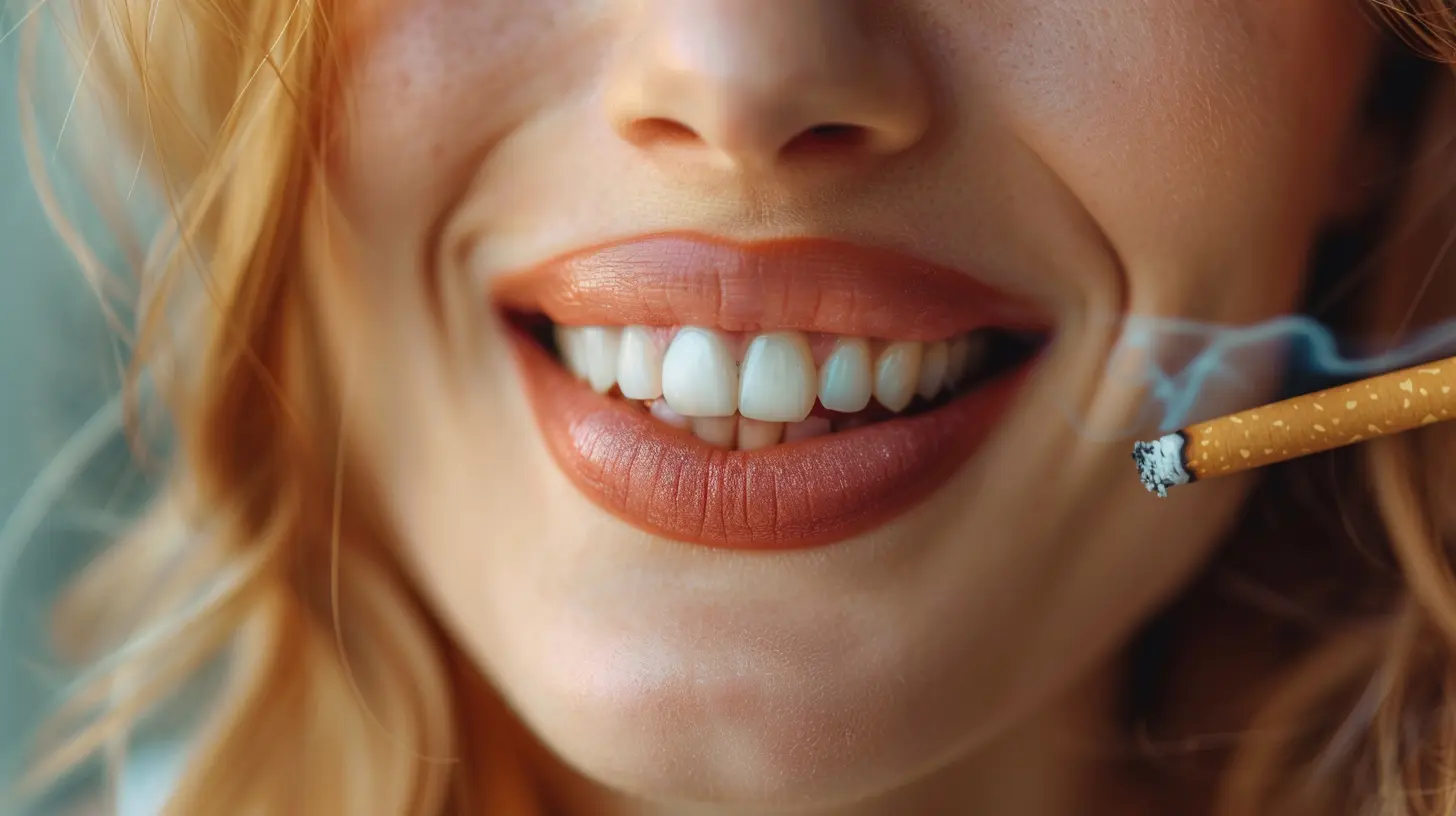
Smoking and Oral Cancer: A Deadly Connection
Perhaps the most serious risk of smoking is oral cancer. Studies show that smokers are six times more likely to develop cancer of the mouth, lips, tongue, or throat compared to non-smokers.7. How Smoking Causes Oral Cancer
Cigarettes contain thousands of chemicals, many of which are carcinogenic. When you inhale smoke, these harmful substances pass over delicate tissues in your mouth repeatedly, increasing the chances of abnormal cell growth. Over time, this can develop into cancerous lesions.8. Warning Signs of Oral Cancer
Early detection is crucial in treating oral cancer. If you smoke, watch out for these symptoms:- Persistent mouth sores
- White or red patches inside the mouth
- Difficulty chewing or swallowing
- A lump or thickening in the cheek
- Numbness in the tongue or mouth
If you notice any of these signs, consult a dentist or doctor immediately.

The Effects of Smoking on Dental Treatments
Smokers often face more complications when undergoing dental work. Whether it's getting braces, implants, or dentures, tobacco use makes everything more challenging.9. Dental Implant Failures
Thinking about getting a dental implant? If you're a smoker, your chances of success are much lower. Smoking hinders proper bone and gum healing, increasing the risk of implant failure. Many dentists even refuse to perform implants on active smokers.10. Complications with Braces or Invisalign
Braces and clear aligners require healthy gums and teeth to be effective. Since smoking weakens the gums, it can lead to more inflammation, slow healing, and even compromise treatment results.11. Dentures and Their Fit
If you've lost teeth due to smoking and use dentures, you're not in the clear. Smoking continues to damage gum tissues, making it harder for dentures to fit properly. Over time, this can lead to discomfort and frequent adjustments.Can Quitting Smoking Reverse Oral Damage?
The good news? Yes, quitting smoking can significantly improve your oral health! The sooner you quit, the better your chances of reversing some of the damage.12. Healing Begins Immediately
Within just 24 hours of quitting, your body starts to repair itself. Saliva production increases, helping to wash away bacteria more effectively.13. Improved Blood Circulation to the Gums
After a few weeks, your gums will receive more oxygen and nutrients, helping them recover from smoking-related damage.14. Whiter Teeth and Fresher Breath
Without constant exposure to nicotine and tar, your teeth will naturally start to lose some of their stains. Plus, your breath will be noticeably fresher.15. Lower Risk of Oral Cancer
The risk of oral cancer drops significantly the longer you stay smoke-free. After 10-15 years, your risk can be almost as low as that of a non-smoker.
Tips to Quit Smoking for Better Oral Health
Quitting smoking isn't easy, but it's one of the best things you can do for your oral and overall health. Here are some tips to help you kick the habit:- Find Your Motivation – Whether it's whiter teeth, fresh breath, or a lower cancer risk, remind yourself why quitting matters.
- Use Nicotine Replacements – Consider nicotine gums, patches, or prescription medications to ease withdrawal symptoms.
- Seek Support – Join a support group, talk to loved ones, or consult a doctor for guidance.
- Replace Smoking with Healthier Habits – Chewing sugar-free gum, drinking water, or exercising can help reduce cravings.
- Avoid Triggers – Stay away from situations that make you want to smoke, like coffee breaks or social settings with smokers.
Final Thoughts
Smoking might seem like just a bad habit, but it takes a serious toll on your oral health. From bad breath and stained teeth to gum disease and oral cancer, the risks are too high to ignore. The good news? It's never too late to quit. Your mouth (and the rest of your body) will thank you for it.If you're serious about protecting your smile, consider taking that first step toward a smoke-free life today. You deserve a healthier, brighter future—one cigarette-free day at a time.
all images in this post were generated using AI tools
Category:
Healthy TeethAuthor:

Jackson Mahoney
Discussion
rate this article
1 comments
Fallon McIlroy
Great article! It's eye-opening to see how smoking impacts oral health. Quitting can lead to significant improvements. Remember, every small step counts toward a healthier smile and overall well-being. Keep it up!
August 5, 2026 at 3:36 PM
Jackson Mahoney
Thank you for your kind words! I'm glad you found the article insightful. Every step towards quitting truly makes a difference.