How Stress Affects Your Teeth and Gums
8 July 2026
We all know stress can wreak havoc on our bodies—causing headaches, stomach issues, and even sleepless nights. But did you know that stress can also take a serious toll on your teeth and gums? Yep, that’s right! Your mental health and oral health are more connected than you might think.
Stress doesn’t just mess with your mood; it can lead to some major dental issues, from grinding your teeth to developing painful mouth sores. So, let’s dive into how stress affects your teeth and gums—and what you can do to protect that beautiful smile!
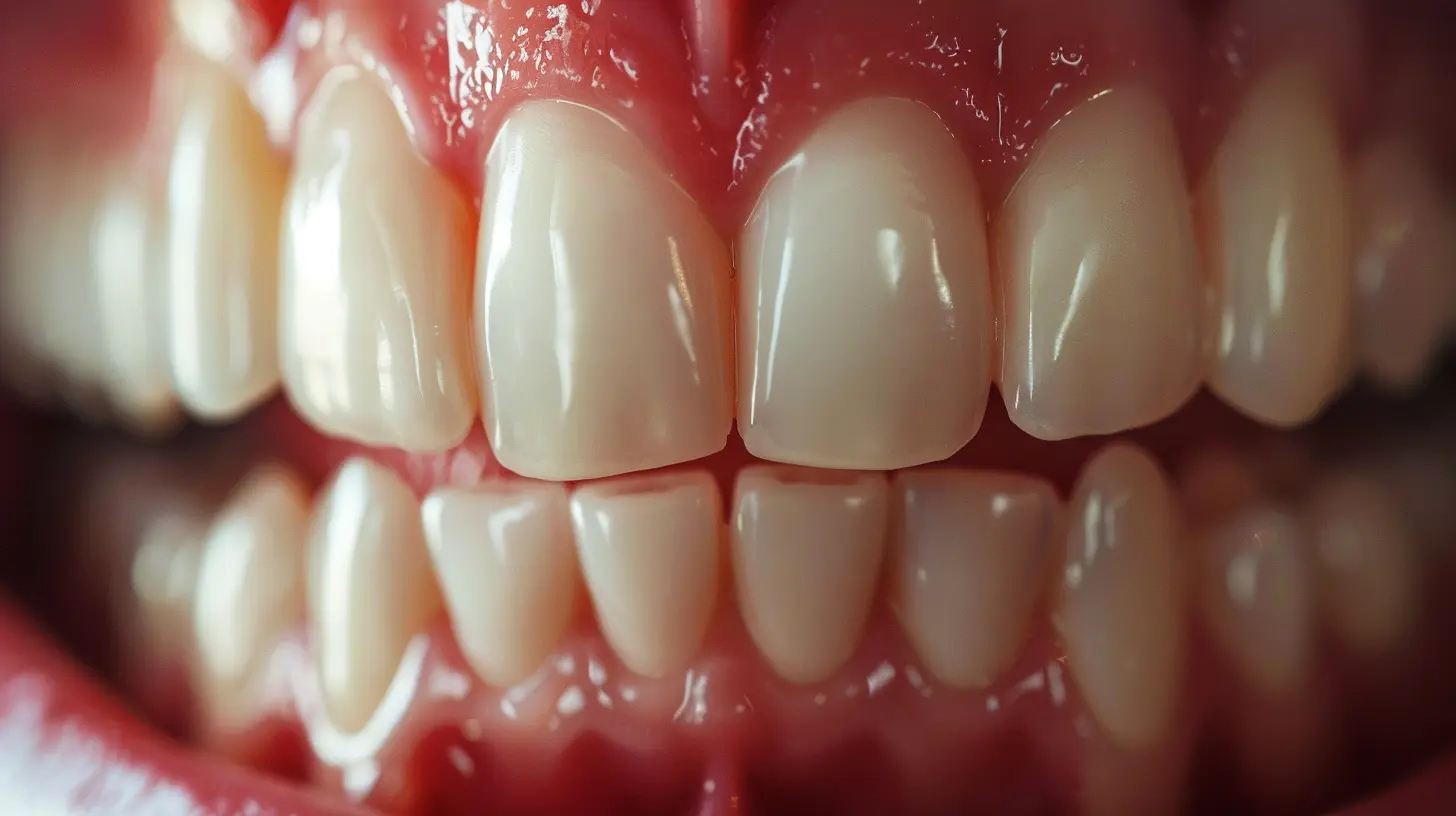
The Hidden Connection Between Stress and Oral Health
Stress triggers a chain reaction in your body. When you're stressed, your body releases cortisol—the so-called "stress hormone." While cortisol is helpful in small amounts (think of it as your body's built-in alarm system), too much of it can be harmful.High cortisol levels weaken your immune system, making it harder for your body to fight off infections—including gum disease. And that’s just the tip of the iceberg. Stress can also lead to bad habits that negatively impact your teeth and gums.
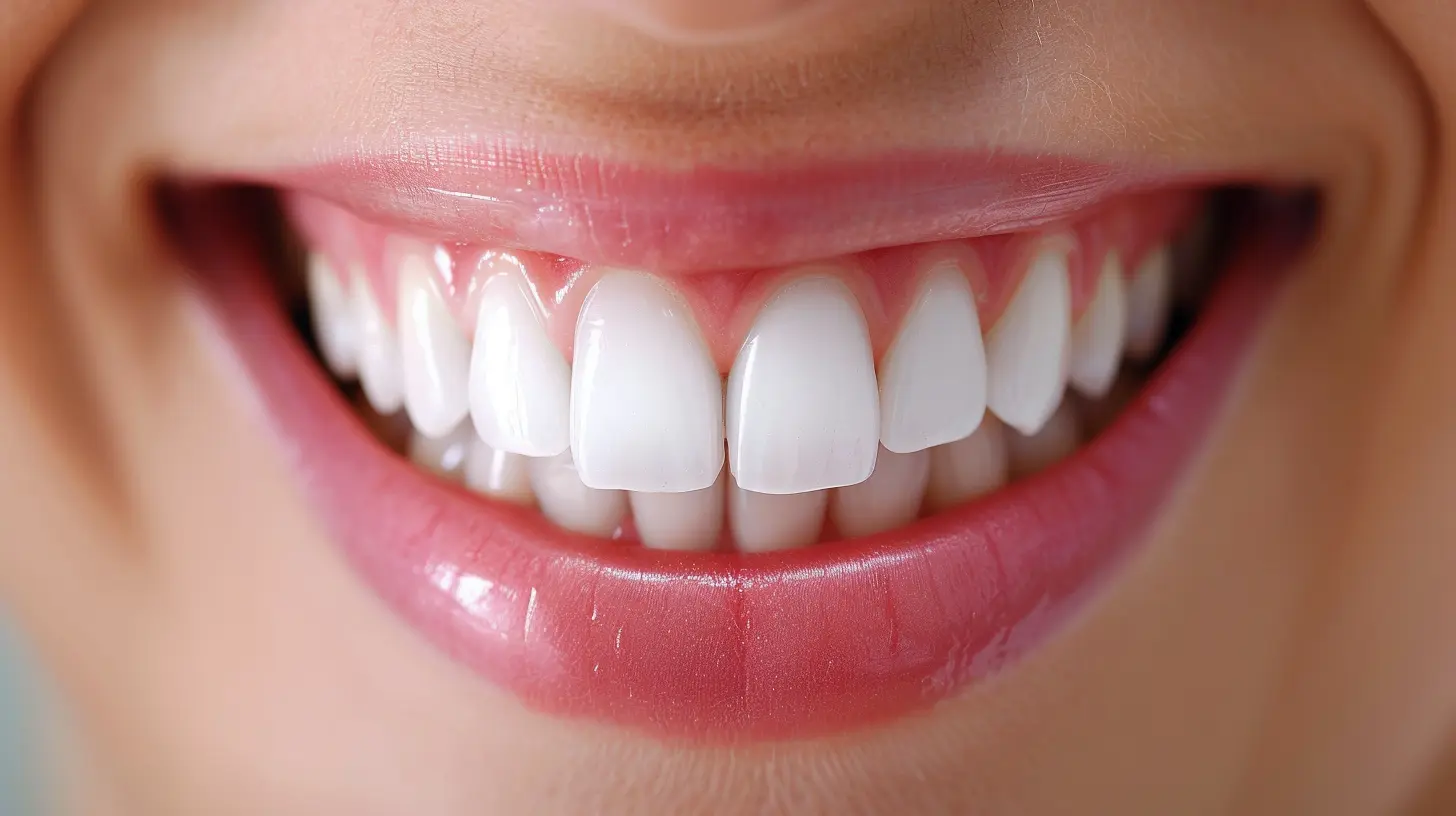
1. Teeth Grinding (Bruxism) – A Silent Destroyer
Ever wake up with jaw pain or a headache? You might be grinding your teeth in your sleep without even realizing it! This condition, known as bruxism, is a common response to stress and anxiety.? How does bruxism affect your teeth?
- Wears down your enamel (the protective outer layer of your teeth)
- Increases tooth sensitivity
- Leads to jaw pain and headaches
- Can cause cracked or chipped teeth
If left unchecked, grinding your teeth can cause serious damage. A custom nightguard from your dentist can be a lifesaver!
2. Gum Disease (Periodontal Disease) – Stress Weakens Your Defenses
Your immune system is your body's first line of defense against bacteria. But when stress weakens your immune system, your gums become more susceptible to infections, leading to gingivitis (early-stage gum disease) and, if untreated, periodontitis (a more advanced stage).? Signs of gum disease caused by stress:
- Red, swollen, or bleeding gums
- Bad breath that doesn’t go away
- Receding gumline
- Loose teeth in severe cases
Keeping up with your oral hygiene routine—brushing, flossing, and regular dental check-ups—can help keep those gums healthy, even during stressful times.
3. Dry Mouth – A Lesser-Known but Serious Side Effect
Have you ever noticed your mouth gets super dry when you're nervous? That’s because stress can reduce saliva production. Saliva is essential—it helps wash away bacteria and neutralize acids in your mouth.A dry mouth isn't just uncomfortable; it can lead to:
✔️ Increased risk of cavities
✔️ Bad breath
✔️ A higher chance of gum disease
Staying hydrated, chewing sugar-free gum, and avoiding caffeine or alcohol can help keep your mouth moist.
4. Stress-Related Canker Sores – Ouch!
Canker sores are those tiny but painful ulcers that pop up inside your mouth, often during stressful times. While they're not contagious, they can be incredibly annoying.Why do they appear? While the exact cause isn’t known, stress, along with a weakened immune system, poor diet, and even biting your cheek, can trigger canker sores.
The good news? They usually heal on their own within a week or two. In the meantime, avoid spicy or acidic foods, use a mild mouth rinse, and apply over-the-counter topical treatments to ease discomfort.
5. Poor Oral Hygiene – When Stress Distracts You From Self-Care
Let’s be real—stress can throw your entire routine off track. When you’re overwhelmed, things like brushing and flossing might take a backseat. You might find yourself reaching for sugary snacks or drinking more coffee to stay energized—both of which can harm your teeth.Making oral hygiene a non-negotiable habit, no matter how busy you are, can prevent long-term damage. Set reminders, invest in an electric toothbrush, and keep floss handy to stay on top of your oral care routine.
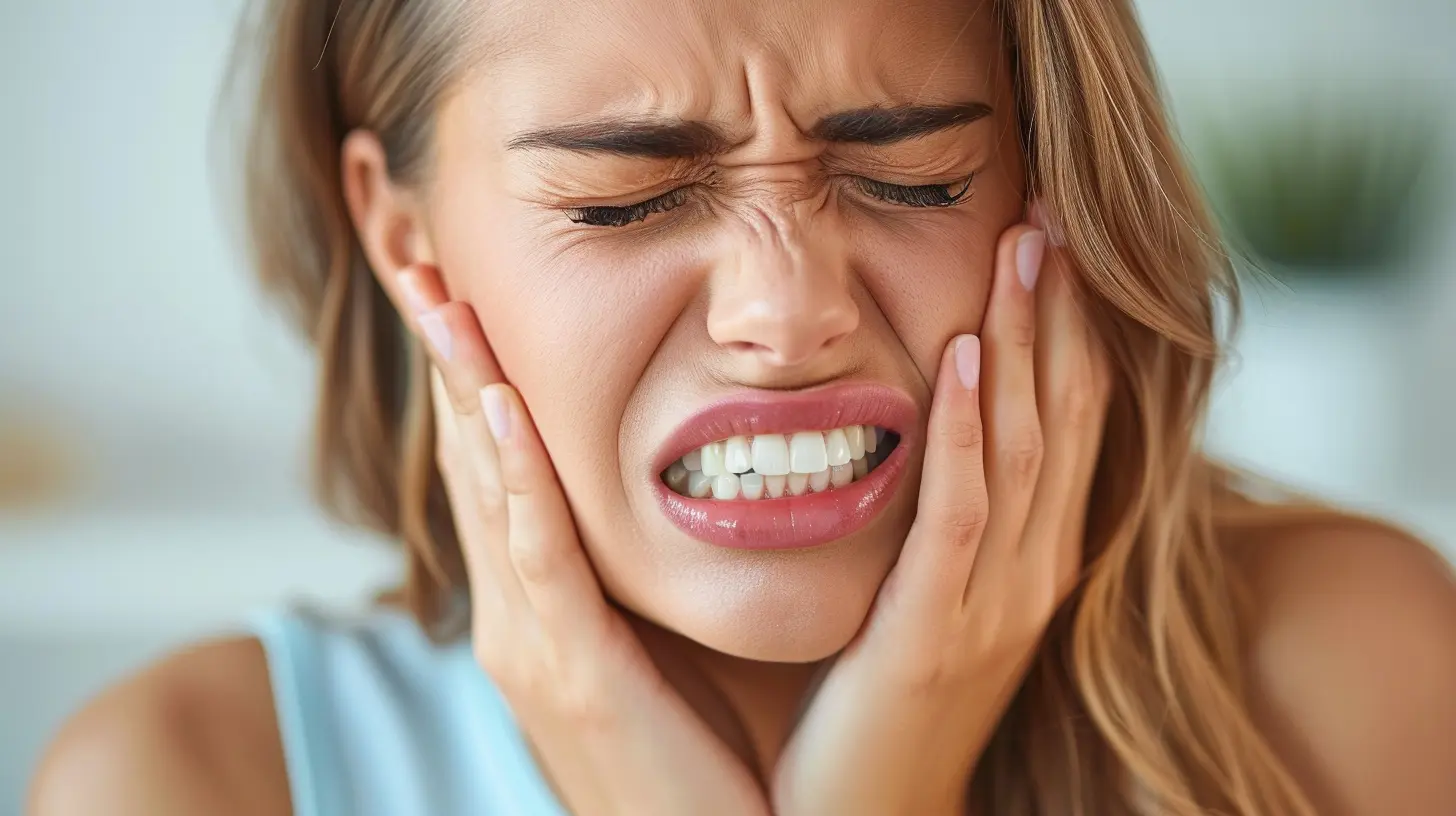
How to Protect Your Teeth and Gums from Stress-Related Damage
The good news? While stress can impact your oral health, there are simple steps you can take to protect your teeth and gums. Here’s how:✅ Practice Stress-Relief Techniques
Managing stress is crucial—not just for your mental well-being but for your dental health. Try:- Deep breathing exercises – A few minutes can do wonders
- Meditation or yoga – Helps calm the nervous system
- Exercise – Releases feel-good endorphins that counter stress
- Listening to music or reading a book – A great way to unwind
✅ Stick to a Solid Oral Hygiene Routine
No matter how busy or stressed you are, don’t neglect your teeth! Follow these basics:- Brush twice a day for at least two minutes
- Floss daily to remove plaque and food particles
- Use fluoride toothpaste to strengthen enamel
- Rinse with mouthwash to kill bacteria
✅ Get a Mouthguard (If You Grind Your Teeth)
If you suspect you're grinding your teeth at night, talk to your dentist about getting a custom mouthguard. It can protect your teeth from damage and ease jaw discomfort.✅ Keep Hydrated & Eat a Balanced Diet
Drinking enough water and eating foods rich in vitamins and minerals can keep your mouth healthy. Go for foods high in calcium (like dairy), vitamin C (like citrus fruits), and crunchy veggies that help clean your teeth naturally!✅ Schedule Regular Dental Check-Ups
Your dentist can spot early signs of stress-related damage before they become major problems. Don't skip your routine check-ups—your smile will thank you!
Final Thoughts
Stress is a part of life, but it shouldn’t come at the cost of your oral health. By recognizing the signs and taking proactive steps, you can keep your teeth and gums healthy—even during stressful times.So, next time life gets a little hectic, take a deep breath, smile, and remember—you have the power to protect your pearly whites!
all images in this post were generated using AI tools
Category:
Healthy TeethAuthor:

Jackson Mahoney
Discussion
rate this article
1 comments
Alisha McGonagle
Great article! Managing stress can truly benefit oral health. Regular check-ups are essential too.
July 9, 2026 at 2:39 AM
Jackson Mahoney
Thanks for your feedback! I'm glad you found the article helpful. Stress and regular check-ups really do go hand in hand for a healthy smile.