How to Build a Sustainable Diet for Long-Term Health
30 August 2026
Most people do not fail at eating healthy because they lack willpower. They fail because they design a diet that is impossible to maintain. The problem is not the food. The problem is the approach. A sustainable diet is not a short burst of perfection. It is a long-term system that works with your life, your preferences, and your biology, not against them.
This article walks through the real mechanics of building a way of eating that you can actually stick with for decades. It covers the mental shifts, the practical structures, the common traps, and the specific trade-offs you will face. If you are tired of starting over every Monday, this is for you.
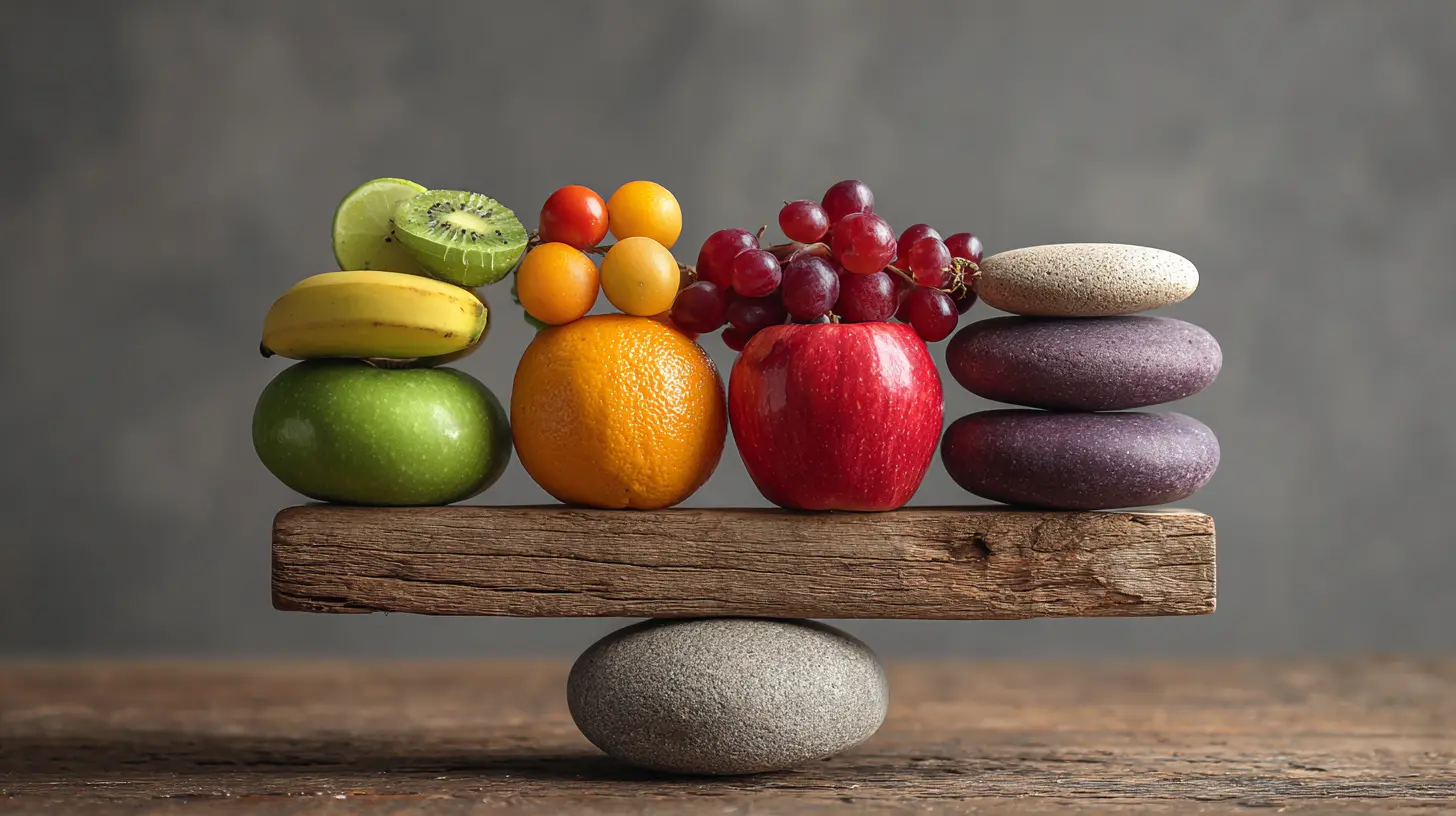
Why Most Diets Fail Before They Start
The average person has tried at least three different diets by the time they reach their thirties. The pattern is always the same. You get motivated, you cut out entire food groups, you eat tiny portions, you feel miserable, and then you quit within three to six weeks. That is not a character flaw. That is a design flaw.Diets fail because they are built on restriction and urgency. They ask you to ignore hunger, avoid social situations, and treat food as the enemy. No human being can sustain that mindset forever. Your brain is wired to resist deprivation. When you tell yourself you cannot have something, that thing becomes more attractive. This is called the scarcity effect, and it is one of the strongest drivers of binge eating.
A sustainable diet flips this entirely. Instead of asking what you need to cut out, it asks what you need to add in. Instead of demanding perfection, it allows for flexibility. Instead of treating food as a moral issue, it treats food as fuel, pleasure, and culture all at once.
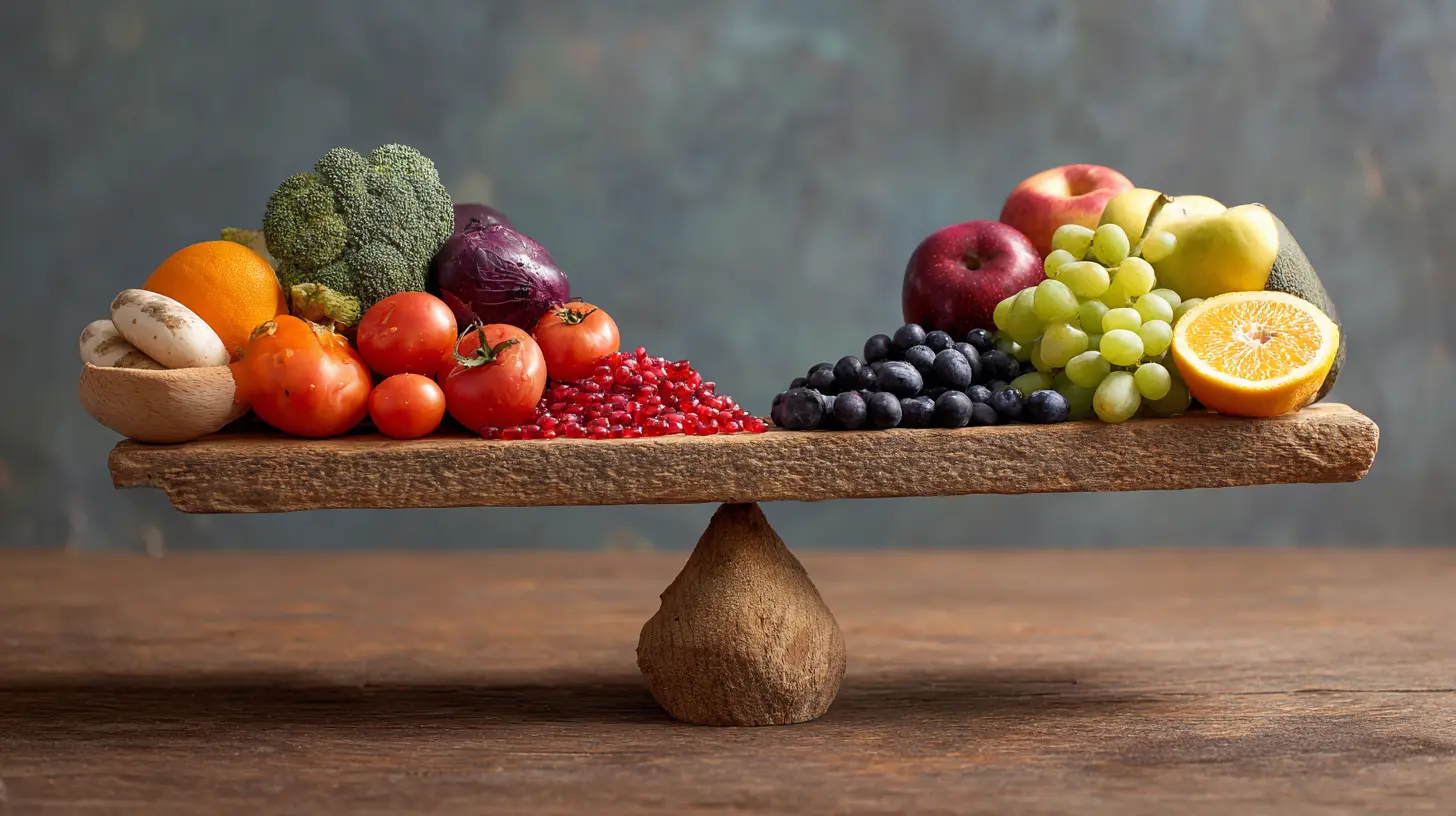
The Core Principle: Consistency Beats Intensity
If you eat a moderately healthy diet 80 percent of the time, you will be healthier than someone who eats a perfect diet 20 percent of the time and then crashes. This is not an opinion. This is how human metabolism works. The body responds to patterns, not isolated events. One bad meal does not make you unhealthy, just like one good meal does not make you healthy. What matters is the average of what you do over months and years.So the first rule of a sustainable diet is this: choose foods and habits that you can repeat without feeling deprived. If a food makes you miserable, it does not belong in your long-term plan. If a schedule is too rigid, it will break. The goal is to find the easiest version of healthy eating that still moves the needle.
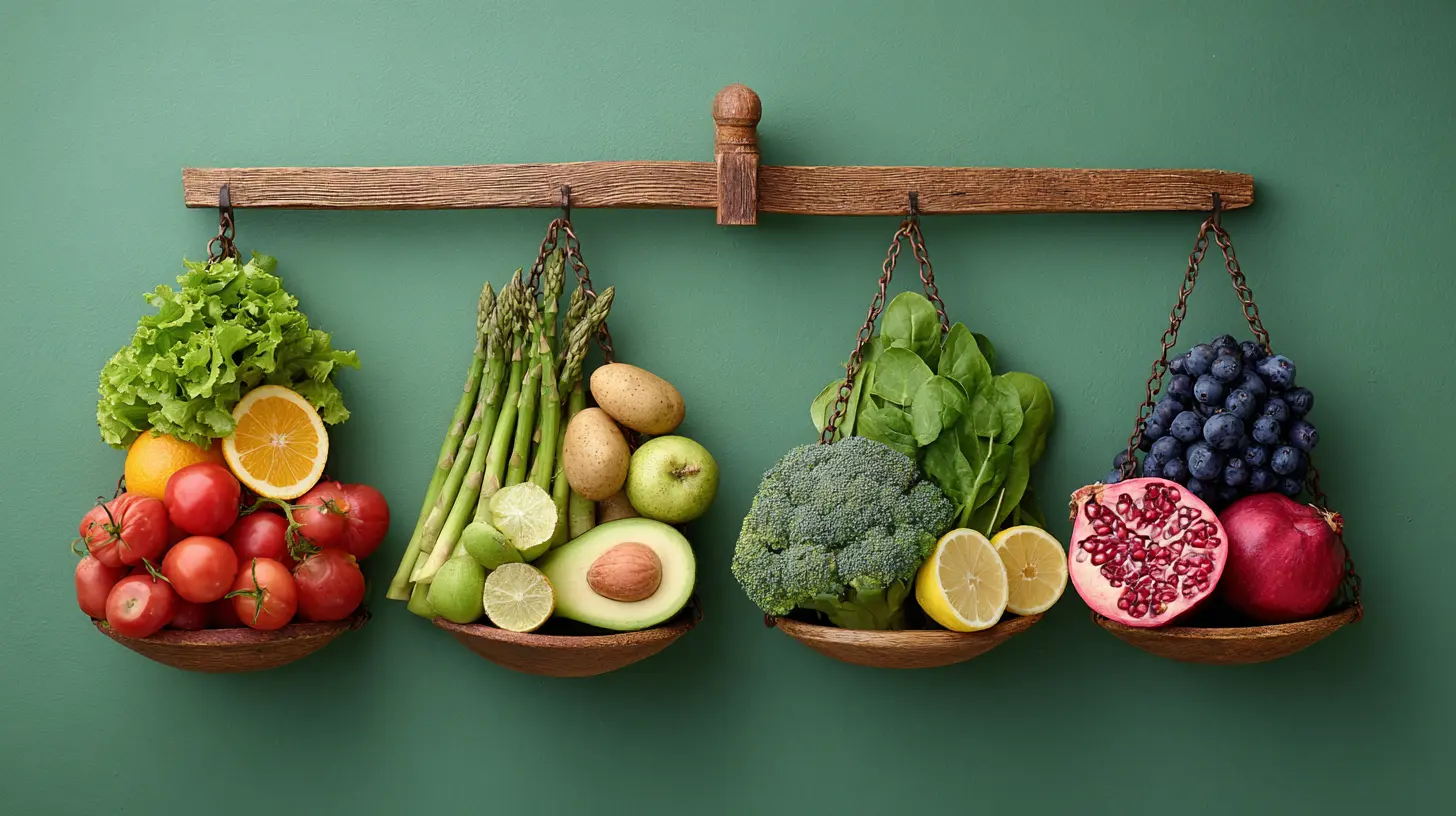
Build Around Foods You Actually Like
This sounds obvious, but almost everyone ignores it. People choose a diet based on what is trendy or what worked for a friend, not based on what they enjoy eating. Then they wonder why they cannot stick with it.Take a piece of paper and write down ten foods that you genuinely love. Not foods you think you should love. Foods that make you happy when you eat them. Now look at that list. Most of those foods can be made healthier with small adjustments. If you love pasta, you can use whole grain pasta and load it with vegetables. If you love tacos, you can use corn tortillas, lean meat, and lots of salsa. If you love ice cream, you can make a version with Greek yogurt and frozen fruit.
The point is not to replace your favorite foods with sad substitutes. The point is to upgrade them slightly so they fit into a healthy pattern without losing the joy. When food tastes good and makes you feel good, you do not need willpower to eat it.
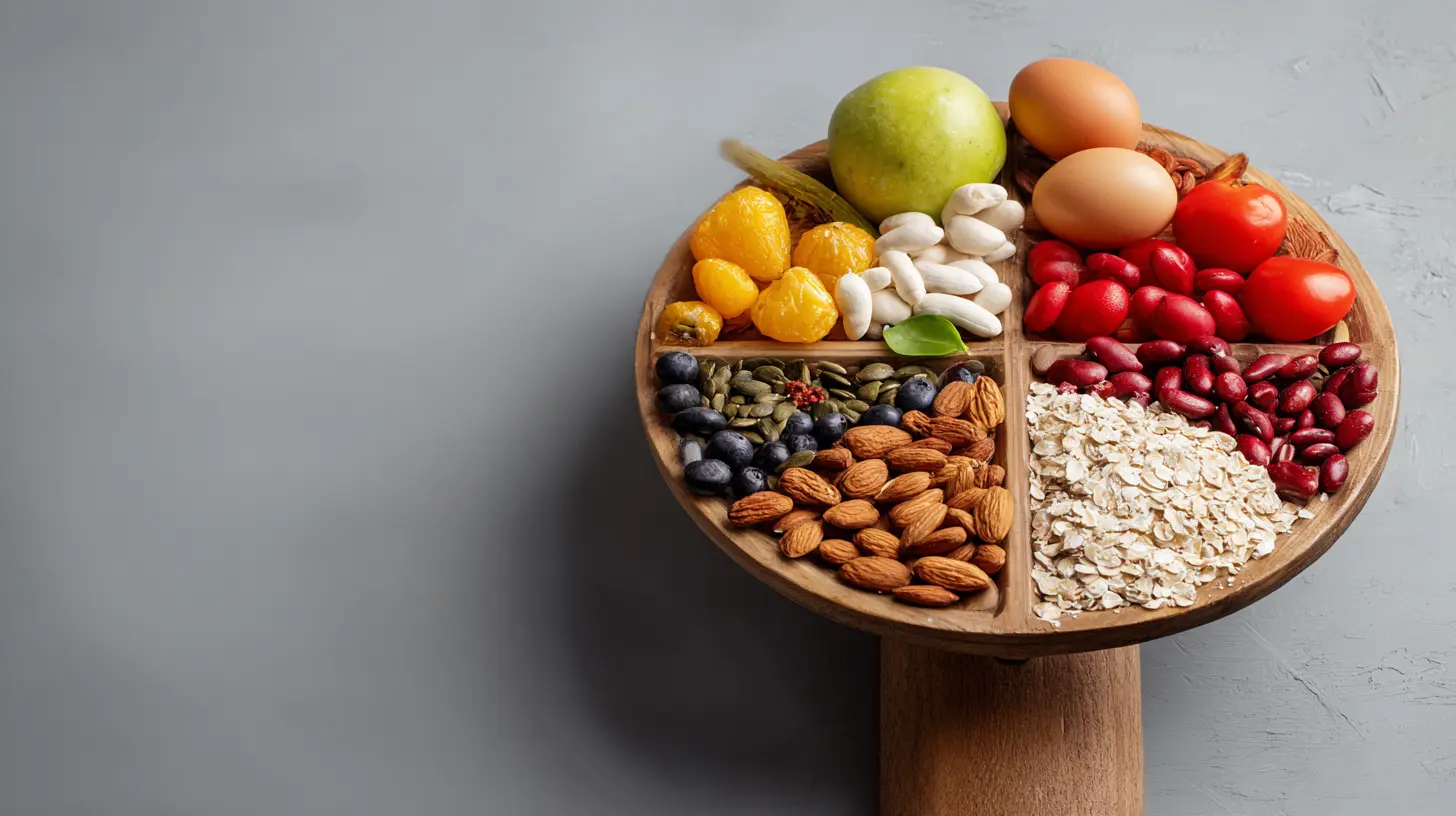
The 80/20 Rule in Practice
The 80/20 rule is a simple framework that works for most people. Eat nutrient-dense, whole foods about 80 percent of the time. Leave 20 percent for flexibility, social events, treats, and cravings. This is not a license to eat junk food daily. It is a buffer that keeps you from feeling trapped.Here is how that looks in real life. During the week, you eat balanced meals with protein, vegetables, whole grains, and healthy fats. You cook at home most nights. You pack lunch for work. On the weekend, you go out to dinner with friends and order whatever you want. You have dessert. You do not apologize for it. Then you go back to your normal pattern on Monday.
The key is that the 20 percent does not turn into 40 percent. If you notice that your flexible meals are happening more often than your healthy meals, you need to tighten the structure. But if you are holding the line at 80 percent, you are doing better than most people ever will.
Protein: The Anchor of Every Meal
Protein is the single most important nutrient for a sustainable diet. It keeps you full, it preserves muscle mass, and it stabilizes blood sugar. When you eat enough protein, you naturally eat fewer calories without trying. When you skip protein, you get hungry an hour later and reach for whatever is nearby.Most people do not eat enough protein at breakfast. They eat toast, cereal, or a pastry, and then they wonder why they are starving by ten in the morning. A sustainable diet starts with a protein-rich breakfast. Eggs, Greek yogurt, cottage cheese, or a protein smoothie are all good options. If you do not like breakfast foods, eat leftovers from dinner. There is no rule that says breakfast must be breakfast food.
Aim for roughly 20 to 30 grams of protein per meal. That is about three to four eggs, a cup of Greek yogurt, or a palm-sized portion of meat, fish, or tofu. Spread it across the day rather than eating all your protein at dinner. This keeps your energy steady and reduces cravings.
Vegetables: Volume Without Boredom
Vegetables are the most reliable way to add volume to your meals without adding many calories. They are full of fiber, water, and micronutrients. But the standard advice to eat more vegetables fails because people do not know how to make them taste good.Boiled broccoli is not appealing. Raw carrots get boring. The solution is to cook vegetables in ways that bring out their flavor. Roast them with olive oil and salt. Saute them with garlic and chili flakes. Grill them until they char. Add them to sauces, soups, and stir-fries. The goal is to make vegetables the most flavorful part of the meal, not the punishment you eat before the main course.
A practical trick is to prepare vegetables in bulk. On Sunday, roast a large tray of mixed vegetables. Store them in the fridge. During the week, add them to every meal. This removes the friction of cooking vegetables from scratch every night. When healthy food is easy, you eat it.
Carbohydrates: Not the Enemy
Carbohydrates have been demonized for decades, but they are not inherently bad. The problem is not carbs. The problem is the type and the amount. Refined carbs like white bread, sugary drinks, and pastries spike your blood sugar and leave you hungry. Whole food carbs like oats, rice, potatoes, beans, and fruit provide steady energy and important nutrients.A sustainable diet includes carbohydrates. Cutting them out completely leads to low energy, poor mood, and intense cravings. Instead of eliminating carbs, shift the balance. Choose whole food sources most of the time. Save refined carbs for the 20 percent flexibility window.
If you are active, you need more carbs. If you are sedentary, you need fewer. Listen to your body. If you feel sluggish, you may need more carbs, not fewer. If you feel bloated, you may need to adjust portions. There is no universal carb number that works for everyone.
Fats: Quality Over Quantity
Dietary fat is essential for hormone production, brain function, and the absorption of fat-soluble vitamins. The fear of fat that dominated the 1990s was based on flawed science. Low-fat products often replaced fat with sugar, which made things worse.The goal is not to eat as little fat as possible. The goal is to eat the right kinds of fat. Olive oil, avocados, nuts, seeds, and fatty fish are excellent sources. Processed seed oils and trans fats are less ideal, but even those are not worth obsessing over if your overall diet is good.
A simple approach is to cook with olive oil or avocado oil, add nuts and seeds to meals, and eat fatty fish a couple of times a week. You do not need to measure fat grams. Just be mindful of portions, because fat is calorie-dense. A handful of nuts is great. A whole bag is not.
The Role of Meal Timing
There is a lot of debate about intermittent fasting, eating windows, and meal frequency. The truth is that meal timing matters less than what you eat overall. Some people do well with three meals a day. Others prefer five small meals. Some thrive on intermittent fasting. Others feel terrible when they skip breakfast.The sustainable approach is to find a schedule that fits your hunger signals and your daily routine. If you are not hungry in the morning, do not force breakfast. If you get hungry every three hours, plan snacks. The only universal rule is to avoid long periods of extreme hunger, because that leads to overeating later.
One practical tip is to eat your largest meal earlier in the day if you can. Many people find that a substantial lunch and a lighter dinner improves sleep and digestion. But if your schedule does not allow that, do not force it. The best schedule is the one you can maintain without stress.
Hydration: The Overlooked Variable
Thirst is often mistaken for hunger. When you feel a craving, drink a glass of water first and wait ten minutes. If the craving disappears, you were thirsty. If it remains, you are actually hungry.Most people do not drink enough water. They rely on coffee, soda, or juice, which do not hydrate as well. Aim for at least two to three liters of water per day, more if you are active or live in a hot climate. Keep a water bottle on your desk. Drink a glass before each meal. These small habits add up.
Herbal tea and sparkling water count toward your intake. If you do not like plain water, add lemon, cucumber, or mint. The goal is to make hydration easy and automatic, not another chore.
Grocery Shopping: The Foundation of Good Eating
You cannot eat what you do not buy. The grocery store is where sustainable diets are won or lost. If your pantry is full of chips and cookies, you will eat chips and cookies. If your fridge is full of prepared vegetables and cooked grains, you will eat those instead.The key is to shop with a plan. Make a list before you go. Stick to the perimeter of the store where fresh foods are usually located. Buy in bulk for staples like rice, oats, and beans. Avoid shopping when you are hungry, because hunger makes you impulsive.
A useful strategy is to buy ingredients that can be combined in multiple ways. A rotisserie chicken, a bag of salad greens, a container of cooked quinoa, and a jar of salsa can become three different meals. This reduces boredom and prevents the urge to order takeout.
Meal Prep That Actually Works
Meal prep does not mean spending Sunday cooking ten identical containers of chicken and rice. That works for some people, but it is boring and unsustainable for most. Instead, focus on prepping components, not full meals.Cook a large batch of grains. Roast a tray of vegetables. Grill a few portions of protein. Hard boil some eggs. Wash and chop salad greens. Store everything in separate containers. When it is time to eat, you assemble a meal in five minutes. This approach gives you variety while keeping the convenience of prepared food.
If you hate meal prep, do not force it. You can still eat well by cooking simple meals from scratch every night. The goal is to reduce friction, not to follow a strict system. Find the method that feels easy for you.
Eating Out and Social Situations
Social eating is one of the biggest challenges for a sustainable diet. You cannot control the menu at a restaurant or a friend's dinner party. The pressure to eat what everyone else is eating is real. But you can navigate these situations without derailing your progress.Before going out, decide what your non-negotiables are. Maybe you will skip the bread basket but have dessert. Maybe you will order a salad as a starter and a protein-rich main. Maybe you will allow yourself to eat freely and simply get back on track the next day. Any of these approaches is fine. The problem is not having a plan at all.
At restaurants, look for dishes that are grilled, baked, or roasted rather than fried. Ask for sauces on the side. Swap fries for a side salad. Do not be afraid to make special requests. Most restaurants are happy to accommodate.
At social events, fill your plate with vegetables and protein first. Then add a small portion of the indulgent items. This way you get to enjoy the event without feeling stuffed and guilty.
The Problem with Cheat Days
The concept of a cheat day is popular, but it is often counterproductive. A cheat day implies that your normal diet is punishment and that you need to escape from it. This mindset creates a cycle of restriction and bingeing that is hard to break.Instead of cheat days, think in terms of flexible eating. You do not need to earn a treat. You can have a treat whenever you want, as long as it fits within the 80/20 framework. This removes the emotional charge from food. When nothing is forbidden, you do not crave it as intensely.
If you do have a day where you overeat, do not panic. Do not fast the next day to compensate. Do not do extra cardio as punishment. Just go back to your normal pattern. One day does not matter. What matters is the trend over weeks and months.
Common Mistakes and How to Avoid Them
The first mistake is going too extreme too fast. Cutting out all sugar, all carbs, and all processed food on day one is a recipe for failure. Start with one or two changes. Add more as those become habits.The second mistake is ignoring hunger. A sustainable diet does not require you to be hungry all the time. If you are constantly hungry, you are not eating enough protein or fiber. Adjust your meals to include more of both.
The third mistake is comparing yourself to others. Your friend may thrive on a vegan diet. Your coworker may do well on keto. That does not mean those diets are right for you. Your body, your preferences, and your lifestyle are unique. Build a diet that fits you, not someone else.
The fourth mistake is relying on willpower. Willpower is a finite resource. It runs out by the end of the day. Instead of relying on willpower, change your environment. Remove tempting foods from your house. Keep healthy snacks visible. Make the healthy choice the easy choice.
The Psychological Side of Eating
Your relationship with food is just as important as the food itself. If you feel guilty every time you eat, you will never be satisfied. If you label foods as good or bad, you will create anxiety around eating.A healthier approach is to see food as neutral. Some foods are more nutritious than others, but no food is evil. You can eat a burger and still be healthy. You can eat cake and still be healthy. The context and frequency matter more than any single food.
Mindful eating is a useful tool. Slow down when you eat. Put your phone away. Chew your food thoroughly. Pay attention to taste and fullness. When you eat mindfully, you naturally eat less and enjoy it more. This is not a diet. It is a way of being present with your food.
Long-Term Maintenance: What Happens After You Reach Your Goal
Many people focus all their energy on losing weight or hitting a health milestone. They reach the goal and then have no plan for what comes next. This is why so many people regain weight after a diet.A sustainable diet is not a temporary phase. It is a permanent shift in how you relate to food. Once you reach your goal, you do not go back to your old habits. You continue with the same framework, but you may allow more flexibility.
Maintenance is actually harder than weight loss because the motivation is gone. You no longer see the scale moving. You have to find other reasons to keep going. Focus on how you feel, your energy levels, your sleep, your mood, and your confidence. These are the rewards that keep you going.
Realistic Expectations and Patience
Your body did not change overnight, and it will not change overnight. Sustainable change takes time. You may not see visible results for weeks or even months. That is normal. The scale is not the only measure of progress. Your clothes fitting better, your skin clearing up, your energy improving, and your cravings decreasing are all signs that things are working.Do not expect perfection. You will have weeks where you eat poorly. You will have days where you skip the gym. You will have moments where you give in to a craving. That is all part of being human. What matters is that you keep going.
Putting It All Together: A Simple Framework
Here is a practical summary of what a sustainable diet looks like.Eat protein at every meal. Fill half your plate with vegetables. Choose whole food carbs most of the time. Use healthy fats for cooking and flavor. Drink water throughout the day. Keep treats within a flexible 20 percent window. Cook at home as often as possible. Prepare components in advance to save time. Eat mindfully and without guilt. Adjust your plan based on how you feel.
That is it. There is no magic food, no perfect schedule, no secret supplement. Just consistent, moderate, enjoyable eating that you can maintain for the rest of your life.
Final Thoughts
The best diet is not the one that gives you the fastest results. It is the one that you can live with happily. It is the one that allows you to celebrate birthdays, enjoy holidays, and share meals with people you love. It is the one that makes you feel good in your body and your mind.Stop looking for the perfect plan. Start building a plan that works for you. Make small changes. Be patient. Be kind to yourself. And remember that health is not a destination. It is a way of living.
all images in this post were generated using AI tools
Category:
Balanced DietAuthor:

Jackson Mahoney
Discussion
rate this article
1 comments
Juliet Pratt
Building a sustainable diet is an exciting journey! It empowers you to nourish your body while caring for the planet. Let's celebrate every healthy choice you make toward long-term wellness!
September 2, 2026 at 4:32 PM
Jackson Mahoney
Thanks for the encouragement! Every small step counts in creating a healthier, more sustainable future. Let's keep making those mindful choices together!