How to Choose the Best Water Bottle for Your Lifestyle in 2027
16 September 2026
A water bottle used to be a simple thing. You filled it, drank from it, washed it, and repeated the process until the plastic cracked or the paint chipped off. That era is over. Walk into any sporting goods store or scroll through an online marketplace and you will find hundreds of options claiming to keep water cold for a full day, survive a drop from a cliff, filter bacteria from a mountain stream, or track your hydration through a phone app. The sheer variety can paralyze even a decisive person.
The problem is not that there are too many bottles. The problem is that most buying guides treat the decision as a simple checklist: pick a size, pick a color, done. That approach ignores the real question, which is not "which bottle is best" but "which bottle fits the way I actually live." A bottle that works beautifully for a desk worker in a temperate office may be a poor choice for a trail runner in Arizona. A bottle that survives a construction site may be overkill for someone who mostly drinks tap water at home.
This guide takes a different approach. Instead of ranking products, it walks through the decisions that matter, explains why each one matters, and helps you match a bottle to your real habits, not your aspirational ones. By the end, you should be able to walk into any store or website and know exactly what to look for and what to ignore.

Start With How You Will Actually Use It
Before you look at materials, insulation, or lids, you need an honest inventory of your daily routine. Most people buy bottles based on how they imagine their life, not how it actually unfolds. They picture themselves hiking every weekend and buy a rugged, heavy bottle, then spend 95 percent of their time carrying it between a car and an office, where the weight becomes an annoyance.Ask yourself a few concrete questions:
- Where will the bottle spend most of its time? In a bag, on a desk, in a cup holder, in a gym locker, or in your hand?
- How long will water need to stay at the right temperature? An hour, four hours, or a full workday?
- Will you refill it from taps, water coolers, fountains, or natural sources?
- How much water do you realistically drink in a day?
- Will you carry it in a backpack, a tote, a bike cage, or by a handle?
The answers narrow your options dramatically. Someone who refills from an office water cooler three times a day does not need a two-liter bottle. Someone who spends eight hours in a delivery van in summer does. Someone who commutes by subway and walks the last mile needs something light and leakproof, not something built for a glacier expedition.
The Difference Between Hydration Needs and Bottle Capacity
There is a common misconception that a bigger bottle means better hydration. In practice, the opposite is often true. A bottle that is too large becomes heavy, awkward, and unpleasant to carry, so people leave it at home or in the car. A bottle that is slightly too small encourages refilling, which is usually easy in urban and office settings.A useful rule of thumb: choose the largest bottle you are genuinely willing to carry every day, not the largest one you can imagine needing. For most people in temperate climates with regular access to water, a bottle in the 500 to 750 milliliter range (roughly 17 to 25 ounces) hits the sweet spot. For hot climates, long commutes, or intense exercise, 1 liter or more makes sense, but only if you will actually carry it.
Material Choices and What They Really Mean
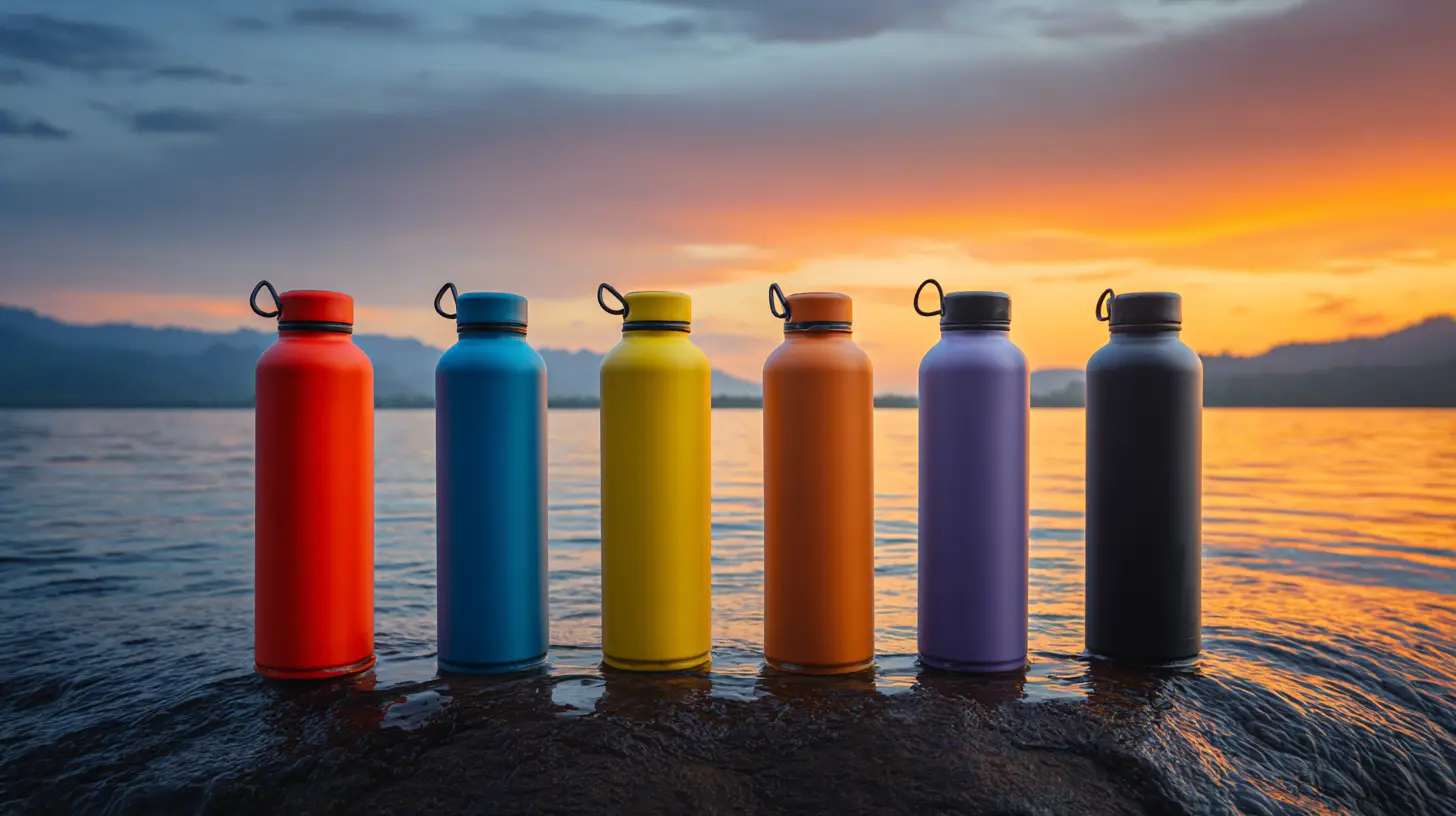
The material of your bottle affects weight, durability, taste, insulation, and cost. Each option involves trade-offs, and there is no universally superior choice.Stainless Steel
Stainless steel is the default recommendation for insulated bottles, and for good reason. It is durable, does not retain flavors, and pairs well with vacuum insulation to keep drinks cold for many hours or hot for a long time. It resists dents better than plastic and does not leach chemicals into water.The drawbacks are weight and cost. A good insulated stainless bottle typically weighs between 300 and 500 grams empty, which is noticeable in a backpack or handbag. It also cannot go in a microwave, and if it is not dishwasher safe, cleaning the narrow interior can be tedious.
One nuance many people miss: not all stainless steel is the same. Bottles made from 18/8 or 18/10 food-grade stainless steel resist corrosion and flavor transfer well. Lower-grade steel may develop a metallic taste over time, especially with acidic drinks. If you plan to use your bottle for anything other than plain water, this distinction matters.
Plastic
Plastic bottles are light, cheap, and widely available. They are a reasonable choice for short outings, gym sessions, or situations where weight matters and insulation does not.The concern with plastic is chemical leaching, particularly from older or lower-quality bottles containing BPA. Most reputable modern bottles are BPA-free, and many are also free of BPS and other substitutes that may carry similar concerns. If you choose plastic, look for bottles labeled BPA-free and ideally made from Tritan or a similar copolyester, which tends to be more durable and less likely to retain odors than basic polycarbonate.
Plastic also scratches over time, and scratches can harbor bacteria if cleaning is inconsistent. For daily long-term use, many people eventually switch to steel or glass for this reason.
Glass
Glass is the most inert material available. It does not leach, does not hold flavors, and does not react with anything you put in it. For people who are sensitive to taste or concerned about chemical exposure, glass is appealing.The obvious downside is fragility. A glass bottle that falls off a desk or out of a bag can shatter. Many glass bottles come with silicone sleeves to reduce this risk, but they are still not ideal for hiking, gym use, or anywhere a drop is likely. Glass is best for home, office, and gentle commuting.
Aluminum
Aluminum bottles are lightweight and often lined with a protective coating to prevent the metal from contacting your drink. They can be a good middle ground between plastic and steel. The key consideration is the lining. If the interior coating scratches or wears away, the aluminum underneath can react with acidic drinks and impart a metallic taste. Inspect the interior periodically and replace the bottle if the lining is compromised.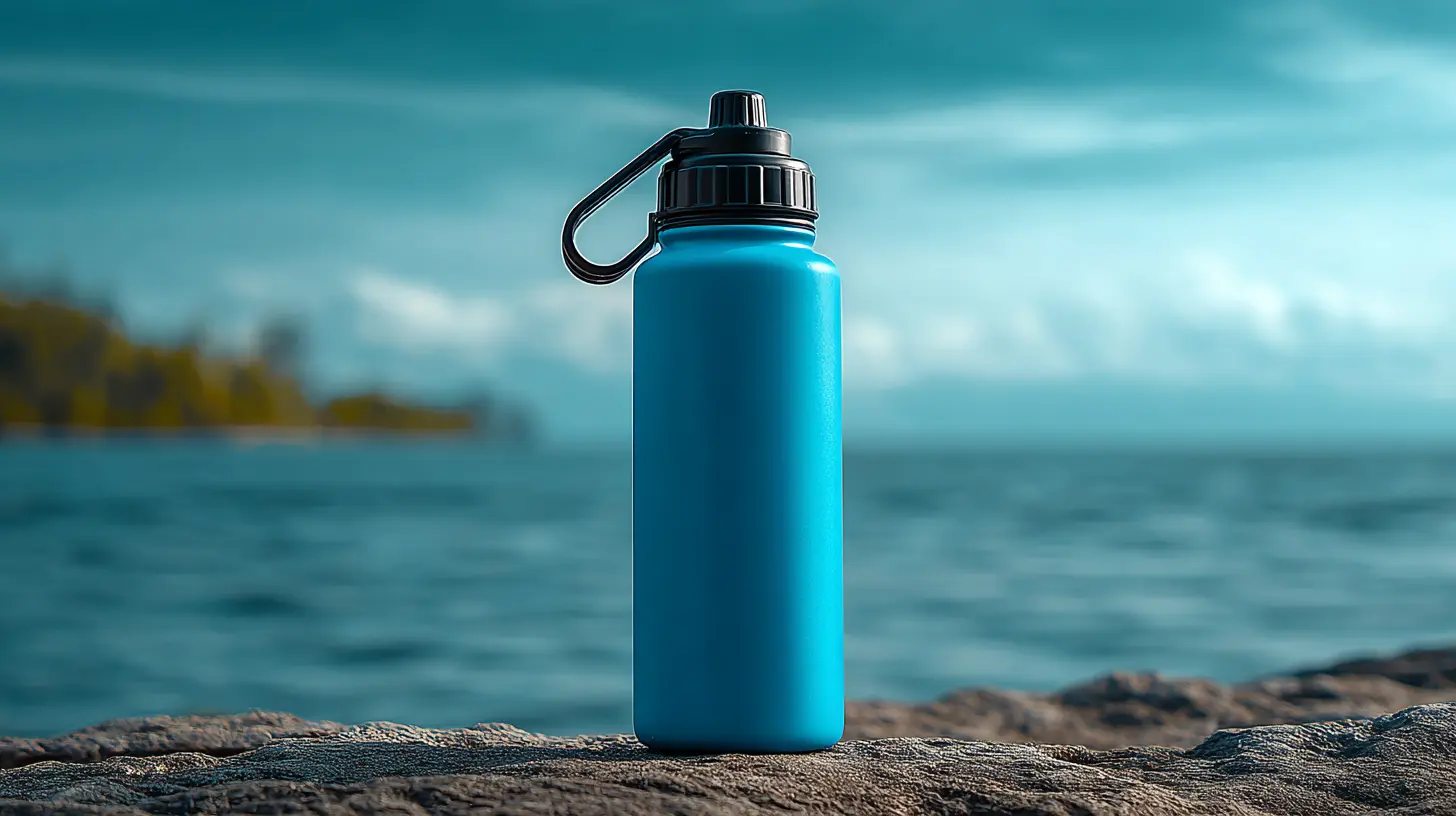
Insulation: When It Matters and When It Does Not
Double-wall vacuum insulation is one of the most marketed features in the bottle world, and it genuinely works. A vacuum between two walls of steel slows heat transfer dramatically, which is why a good insulated bottle can keep ice for a full day in moderate conditions.But insulation adds weight, bulk, and cost. If you drink your water within an hour or two of filling it, insulation is largely unnecessary. If you work outdoors, commute in a hot car, or want cold water at the end of a long day, it becomes valuable.
There is also a practical limit to insulation claims. A bottle rated for 24 hours of cold retention will not keep water icy in a parked car in Phoenix in July. Real-world performance depends on starting temperature, how often you open the bottle, and ambient conditions. Treat manufacturer claims as best-case scenarios and plan accordingly.
Hot beverages deserve a separate note. Insulated bottles can handle tea or coffee, but you should avoid sealing very hot liquids in a bottle with a tight lid, because pressure can build and cause the lid to release suddenly when opened. Let hot drinks cool slightly before sealing.
Lids, Caps, and Drinking Mechanisms
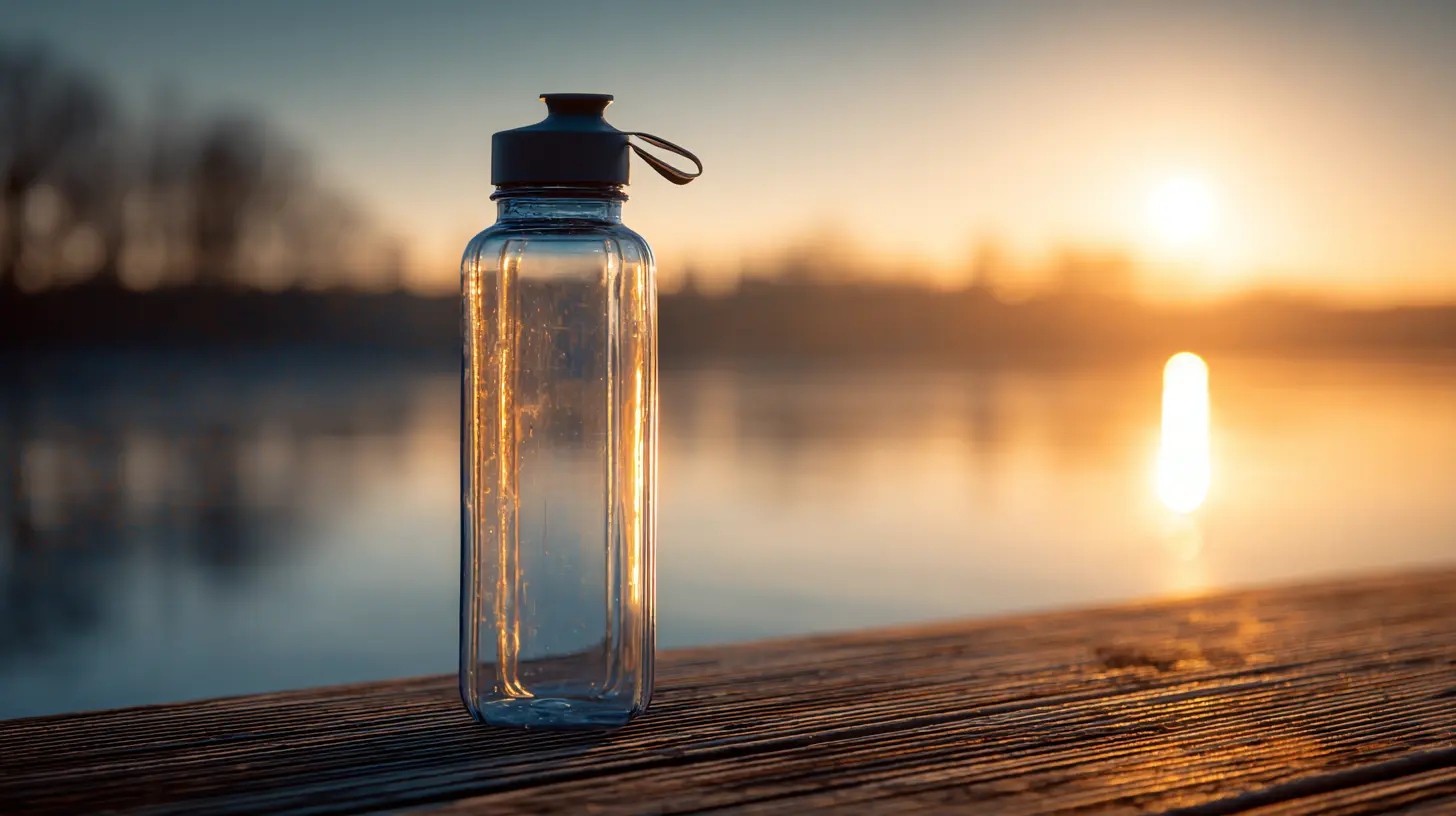
The lid is the part you interact with most, and it is where many bottles succeed or fail in daily use. There is no single best lid, only lids that suit different situations.Screw Caps
Simple screw caps are the most leak-resistant and easiest to clean. They are ideal for carrying in a bag where leaks would be disastrous. The trade-off is convenience. You have to unscrew the cap every time you drink, which is fine at a desk but annoying during a run or a bike ride.Flip Tops and Straw Lids
Flip tops and straw lids make drinking effortless, which encourages hydration. They are popular for gym use, kids, and desk work. The downside is that the mechanism has more parts, which can harbor bacteria if not cleaned thoroughly, and the seals can wear out over time. If you choose this style, prioritize lids that disassemble for cleaning.Sport Caps and Bite Valves
Sport caps with bite valves are designed for movement. They let you drink without stopping or using your hands extensively. They are excellent for running and cycling but tend to be the hardest to clean and the most prone to developing odors if neglected.Wide Mouth vs Narrow Mouth
Wide-mouth bottles are easier to fill, add ice to, and clean. Narrow-mouth bottles are easier to drink from without spilling and often fit standard cup holders and bike cages. If you use ice regularly, wide mouth is usually the better choice. If you drink while moving, narrow mouth or a sport cap is often more practical.A hybrid approach works well for many people: a wide-mouth bottle with an interchangeable lid system, so you can switch between a screw cap for travel and a sport cap for exercise.
Size, Weight, and Portability
Bottle size affects every other decision. A larger bottle holds more but weighs more, takes up more space, and may not fit in cup holders, side pockets, or bike cages. A smaller bottle is easier to carry but requires more refills.Consider the specific constraints of your daily environment:
- Car cup holders typically fit bottles up to about 3 inches in diameter. Many wide bottles do not fit.
- Backpack side pockets often struggle with bottles over 1 liter.
- Bike cages are designed for standard 750 milliliter bottles with a specific diameter.
- Airline carry-on rules allow empty bottles of any size, but a full bottle must meet liquid limits.
- Gym lockers and small bags favor slim profiles.
If you switch between contexts, a mid-size bottle with a slim profile is often the most versatile. If you have one dominant context, optimize for it.
Cleaning, Maintenance, and Longevity
A bottle is only as good as your ability to keep it clean. Bacteria and mold thrive in warm, moist environments, especially in lids, straws, and narrow openings. A bottle that is hard to clean will eventually become unpleasant, no matter how well it performs otherwise.Look for these features:
- A wide opening that allows a bottle brush to reach the bottom.
- A lid that disassembles without tools.
- Dishwasher-safe components, if you prefer convenience over hand washing.
- Smooth interior surfaces without crevices where residue can collect.
Cleaning frequency matters more than most people assume. If you use your bottle daily, rinse it daily and wash it thoroughly at least every few days. If you use it for anything other than water, such as coffee, juice, or sports drinks, wash it after each use. Sugary and acidic drinks leave residue that promotes bacterial growth and can damage some materials over time.
Drying is equally important. Storing a bottle with the lid sealed while still damp is one of the most common causes of musty smells. Let the bottle and lid air dry separately.
Common Mistakes and Misconceptions
Several myths and habits lead people to buy the wrong bottle or use a good bottle poorly.Myth: More expensive always means better
Price correlates with materials and brand, but not always with suitability. A premium insulated bottle may be worse for your needs than a simple plastic one if you mostly drink water at your desk and want something light.Myth: Any bottle can handle any liquid
Carbonated drinks build pressure in sealed bottles and can cause lids to pop. Acidic drinks can degrade certain linings and plastics. Hot liquids can create pressure and burn risk. Always check what your bottle is designed to handle.Myth: Bottles do not expire
Plastic bottles degrade over time, especially with repeated washing and sun exposure. Stainless steel can develop interior rust spots if the surface is damaged. Lids and seals wear out. Replacing a bottle every few years, or sooner if it shows damage, is normal maintenance, not waste.Mistake: Ignoring the lid
Many people spend time comparing bottle bodies and treat the lid as an afterthought. In practice, the lid determines whether the bottle leaks, whether it is easy to drink from, and whether it is easy to clean. Choose the lid as carefully as the bottle.Mistake: Buying for a fantasy version of yourself
The most common and costly mistake is buying for the life you wish you had. A heavy, rugged bottle is a poor daily companion for someone who mostly sits at a desk. A tiny, ultralight bottle is frustrating for someone who spends long days outdoors. Be honest about your routine.
Matching Bottles to Specific Lifestyles
Different lives call for different bottles. Here is how the trade-offs play out across common scenarios.The Office and Commute
Priorities: light weight, leak resistance, easy cleaning, fits in a bag or cup holder. A 500 to 750 milliliter insulated or plastic bottle with a screw cap or flip top works well. Insulation is optional unless you want cold water hours after filling.The Gym and Fitness
Priorities: easy drinking during movement, durable, decent capacity. A 750 milliliter to 1 liter bottle with a sport cap or straw lid is practical. Insulation helps if you dislike warm water, but weight matters during workouts.Hiking and Outdoor Adventure
Priorities: durability, capacity, insulation, and sometimes filtration. A 1 liter or larger insulated stainless bottle is a solid default. If you rely on natural water sources, consider a bottle with an integrated filter, but understand that filtration does not remove all contaminants and is not a substitute for proper treatment in questionable water.Travel
Priorities: leak resistance, portability, and compliance with security rules. A collapsible or lightweight bottle is convenient for flights. Insulated bottles are fine but add weight to a carry-on.Kids and Schools
Priorities: durability, easy cleaning, spill resistance, and manageable size. Flip tops and straw lids are popular but require diligent cleaning. Avoid glass entirely.Extreme Climates
Priorities: insulation and material stability. In cold climates, insulated steel prevents freezing for longer, though no bottle prevents freezing indefinitely. In hot climates, insulation and reflective exteriors help, but shade and refill access matter more than any bottle feature.Sustainability and Long-Term Value
Reusable bottles are often framed as an environmental choice, and they can be, but only if you actually use them consistently. A bottle that sits in a cabinet has no environmental benefit. The most sustainable bottle is the one you use every day for years.From a value perspective, durability and repairability matter. A bottle with replaceable lids and seals can last much longer than one with a proprietary, non-replaceable top. If a brand sells replacement parts, that is a sign the product is designed to last.
Consider also how the bottle fits into your existing habits. If you already carry a bag, adding a bottle is easy. If you travel light, a heavy bottle may end up left behind. Matching the bottle to your routine is not just a comfort issue; it is what determines whether you get years of use or a few weeks of good intentions.
A Practical Decision Framework
If you want a simple way to decide, work through these steps in order:1. Identify your primary use case. Be specific and honest.
2. Choose a capacity based on how long you go between refills and how much you are willing to carry.
3. Choose a material based on weight, durability, and taste preferences.
4. Decide whether insulation is necessary for your climate and routine.
5. Pick a lid that matches how and when you drink.
6. Check the practical details: cup holder fit, bag fit, cleaning, and replacement parts.
7. Set a realistic budget and prioritize the features that affect daily use over the ones that only matter in rare situations.
If you follow this sequence, you will usually end up with a bottle that costs less than the flashiest option and works better for you than the one with the longest list of features.
Final Thoughts
The best water bottle in 2027 is not the one with the most advanced insulation or the most rugged shell. It is the one you reach for without thinking, the one that fits your bag, your hand, and your day. That bottle might be a simple plastic model or a premium insulated steel one. What matters is that the choice was made deliberately, based on how you actually live, not on how marketers suggest you should.Take ten minutes to think through your routine before you buy. It will save you from a drawer full of abandoned bottles and lead you to one you will use for years.
all images in this post were generated using AI tools
Category:
HydrationAuthor:

Jackson Mahoney