How to Combat Stress with Nutrition
24 January 2026
Let’s be real—stress is a part of life. Whether it’s deadlines at work, family responsibilities, or just the chaos of everyday living, stress sneaks in and takes its toll. But here’s the kicker: while we can’t always avoid stress, we can manage it better. And one super underrated tool in our anti-stress toolkit? Nutrition.
Yep, what you eat directly messes with (or helps!) your mood, energy, sleep—everything. Think of your body like a car. You wouldn’t pour soda in the gas tank and expect it to run smooth, right? The same goes for your body. If you feed it junk, it’ll sputter. But if you give it the right fuel? You’ll cruise through stressful times like a boss.
So grab a snack (maybe a healthy one 😉) and let’s dive into how to combat stress with nutrition.
Understanding Stress and Its Impact on the Body
Before we get into the food game, let’s talk about what stress actually does to your body.When you're stressed out, your body goes into “fight or flight” mode. It starts producing cortisol (a stress hormone) and adrenaline. These hormones are great if you’re being chased by a bear. But if you’re just trying to finish your taxes…not so helpful.
Long-term (aka chronic) stress keeps those hormone levels high, which can lead to:
- Fatigue
- Anxiety
- Weight gain (especially belly fat)
- Digestion problems
- Weakened immune system
So, managing stress isn't just about feeling better emotionally—it's about protecting your whole body from burnout.
Why Nutrition Matters for Stress
Now, let’s connect the dots. When you’re stressed, your nutrition habits usually go out the window. You skip meals, crave sugar and caffeine, binge on comfort foods, or even forget to eat altogether.But here's the science: certain nutrients help regulate those stress hormones, balance your mood, improve brain function, and calm the nervous system. In short, food is a powerful weapon against stress—if you use it right.
The Best Foods to Fight Stress
Alright, time for the good stuff. Let’s break down foods that actively help your body and brain chill out.1. Complex Carbs = Mood Magic
When you're feeling blue or anxious, carbs might seem like the enemy. But not all carbs are created equal.Why they work: Complex carbs (like oats, brown rice, quinoa, and whole-grain bread) help increase serotonin—your feel-good brain chemical. They also keep your blood sugar stable, preventing those hangry crashes.
Try this: Start your day with oatmeal topped with berries and a sprinkle of cinnamon. It’s comforting, slow-digesting, and stress-busting.
2. Omega-3 Fatty Acids for Brain Calm
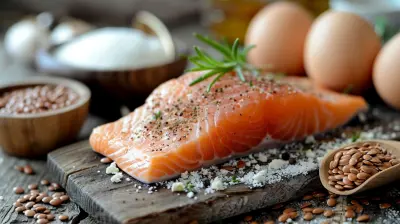
Omega-3s are like yoga for your brain. They reduce inflammation, boost mood, and even help with depression and anxiety.Where to get them:
- Fatty fish (like salmon, tuna, and sardines)
- Flaxseeds
- Chia seeds
- Walnuts
Pro tip: Aim for 2–3 servings of fatty fish per week. Not a fish fan? Consider an omega-3 supplement.
3. Leafy Greens and Veggies Galore
Spinach, kale, broccoli—your mom was right. Eat your greens.Why they matter: Leafy greens are packed with magnesium, a mineral that plays a role in regulating cortisol. Low magnesium = higher stress.
Other stress-slaying veggies: Sweet potatoes, bell peppers, and avocados.
Quick fix: Whip up a green smoothie with spinach, banana, almond butter, and oat milk. It’s like a hug in a glass.
4. Protein Keeps You Grounded
Protein isn’t just for gym bros—it’s vital for mental clarity and keeping your mood steady.Good sources:
- Eggs
- Chicken
- Greek yogurt
- Lentils
- Tofu
Protein helps produce dopamine and norepinephrine—neurotransmitters involved in focus and alertness.
Snack swap: Instead of chips, grab a boiled egg or a handful of turkey slices with hummus.
5. Fermented Foods for Gut-Brain Harmony
You’ve heard it before: your gut is your second brain. And when your gut’s happy, your head follows.Fermented foods to try:
- Greek yogurt with live cultures
- Kimchi
- Sauerkraut
- Miso
- Kefir
These foods help build good bacteria in the gut, which has been linked to lower anxiety and even depression.
The Worst Foods for Stress
Okay, so we’ve covered the superheroes. Let’s call out the villains.1. Sugar Bombs
That donut might give you a quick hit of pleasure, but it’ll send your blood sugar on a rollercoaster—and your mood with it.2. Caffeine Overload
Caffeine in moderation? No biggie. But in high doses, it can crank up anxiety, mess with your sleep, and spike cortisol.Hate to break it to you: Energy drinks, multiple cups of coffee, or super strong black tea might be making your stress worse—not better.
3. Alcohol
A glass of wine can feel relaxing in the moment, but alcohol messes with your sleep and dehydrates you, which increases stress over time.4. Ultra-Processed Foods
Think chips, frozen dinners, sugary cereals. These are often full of additives, unhealthy fats, and refined sugars that throw your mood and hormones out of whack.Hydration and Stress: Don’t Sleep on Water
This one’s simple: if you’re dehydrated, you’re more likely to feel tired, irritable, and anxious. Aim for 6–8 glasses of water a day. Herbal teas like chamomile or lemon balm can also help you unwind.Stress-hack tip: Carry a reusable water bottle everywhere. If it’s in your hand, you’ll sip it without even thinking.
Supplements That May Help (But Talk to Your Doc!)
While real food should always be your go-to, there are a few supplements that have been shown to help reduce stress:- Magnesium: Helps regulate the nervous system
- Ashwagandha: An adaptogen that may lower cortisol
- B-complex vitamins: Support energy and brain function
- L-theanine: Found in green tea, promotes calm without drowsiness
- Vitamin D: Low levels are linked to mood issues
Always check with your healthcare provider before adding new supplements to your routine—especially if you’re on medication.
Create a Stress-Busting Eating Routine
It’s not just what you eat—it’s how you eat that matters.1. Don’t Skip Meals
Skipping meals can cause blood sugar crashes, which spike cortisol and make you even more stressed. Prioritize regular, balanced meals.2. Practice Mindful Eating
Put down the phone, turn off the TV, and really focus on your food. Savor it. This helps activate your parasympathetic nervous system (aka the rest-and-digest mode).3. Plan and Prep Ahead
Meal prepping isn’t just for bodybuilders. Having healthy options on hand when you're busy can prevent stress-eating junk out of convenience.Your Sample Stress-Soothing Meal Plan
Let’s tie it all together with a simple daily plan to nourish your body and chill your brain:Breakfast: Oatmeal with walnuts, chia seeds, and blueberries
Snack: Greek yogurt with honey and a small handful of pumpkin seeds
Lunch: Grilled salmon salad with mixed greens, avocado, tomatoes, and quinoa
Snack: Apple slices with almond butter
Dinner: Stir-fried tofu with broccoli, bell peppers, and brown rice
Bedtime treat: Chamomile tea and a square of dark chocolate (yes, dark chocolate is allowed—and encouraged!)
Final Thoughts: Eat Your Way to a Calmer Mind
Stress isn’t going anywhere—but how you respond to it is totally in your hands. Nutrition doesn’t have to be complicated or restrictive. Just focus on whole, nutrient-dense foods that support your mood, brain, and body.And remember, every healthy meal is a little act of self-care. So next time life feels overwhelming, skip the vending machine and show your body some love with a stress-busting snack.
You’ve got this—one bite at a time.
all images in this post were generated using AI tools
Category:
NutritionAuthor:

Jackson Mahoney
Discussion
rate this article
2 comments
Carmen Kearns
Feeling stressed? Nourish your body with tasty, healthy foods! A little munching can do wonders for your mood. You've got this!
February 19, 2026 at 5:58 AM
Jackson Mahoney
Thank you for your encouraging comment! Nourishing our bodies truly can make a positive impact on stress levels. Let's prioritize healthy foods!
Miriam McNeely
Great article! Nutrition plays such a vital role in how we manage stress. It's amazing how simple changes in our diet can lead to big improvements in our mood and well-being. Thanks for sharing these tips!
January 28, 2026 at 4:31 AM
Jackson Mahoney
Thank you! I'm glad you found the tips helpful—small dietary changes can truly make a big difference in managing stress.