How to Make Your Home an Immune-Friendly Environment
26 May 2026
When it comes to staying healthy, we typically focus on things like eating clean, exercising, and drinking plenty of water. But what if I told you that your home—yes, the very place you retreat to for comfort—might be affecting your immune system? Yep, your humble abode could either be boosting your defenses against illness or silently working against them. The good news is, with a few intentional changes, you can transform your home into an immune-friendly sanctuary. Ready to dive in? Let’s explore some super-practical tips to optimize your home for your health. 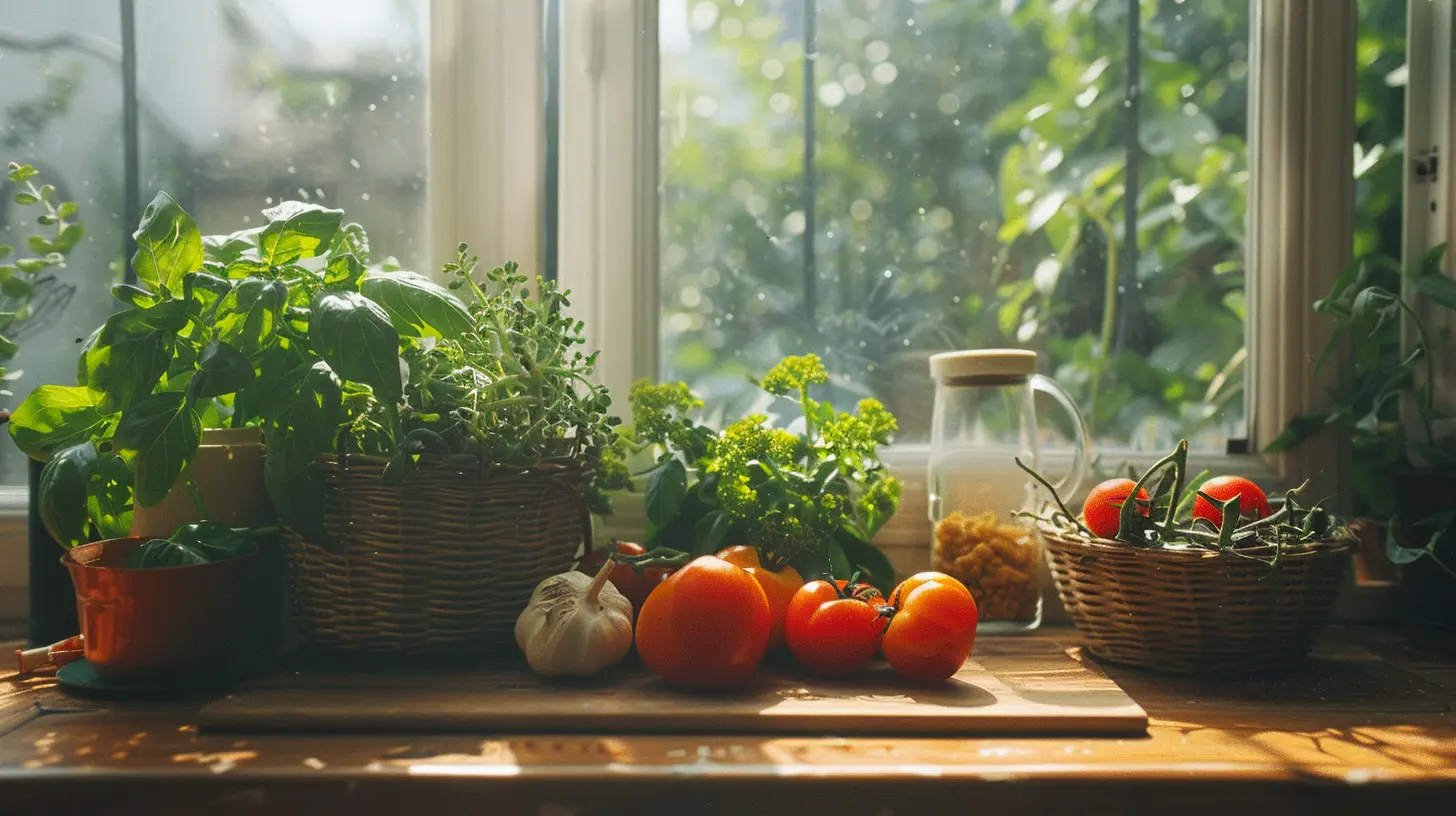
Why Your Environment Matters for Immunity
First things first, let’s address the obvious: your immune system doesn’t just rely on fresh fruits and veggies. It’s influenced by your surroundings too. Breathing stale air, being exposed to hidden toxins, or even constant stress at home can take a toll on your body. Think of your living space as a partner in crime for your wellness journey. If your environment is working against you, your immune system has to work overtime to keep up. But if your home is in harmony with your health needs? You’ll feel better, sleep better, and definitely get sick less often.
1. Improve Your Indoor Air Quality
Ever heard of the phrase, "You are what you breathe"? It’s spot-on. Indoor air can sometimes be more polluted than the air outside (wild, right?). Dust, pet dander, mold, and even chemicals from cleaning products all float around indoors. Breathing that stuff in every day can suppress your immune function over time.Simple Steps to Breathe Easier
- Get an Air Purifier: These devices are like a knight in shining armor for your lungs. They zap allergens and pollutants, keeping the air fresh.- Crack Open a Window: Yes, it’s that easy. Ventilating your living space brings in clean outdoor air and flushes out the bad stuff.
- Add Some Greens: Certain indoor plants (like snake plants or peace lilies) act as natural air purifiers. Plus, they’re pretty to look at!
- Vacuum Regularly: Especially if you have pets or allergies. Use a vacuum with a HEPA filter for extra protection.

2. Focus on Natural Light
Do you feel more sluggish when you’re stuck indoors all day? That’s no coincidence. Natural light is like a secret weapon for your body. It helps regulate your circadian rhythm, boosts vitamin D production, and even improves your mood. Without it, your immune system might not fire on all cylinders.Lighten Up Your Space
- Pull Back the Curtains: Let the sunshine flood your rooms. It’s free, and it’s fantastic for your health.- Add Mirrors: Strategically placed mirrors can bounce light around a room, making it feel brighter.
- Consider Daylight Bulbs: If your home doesn’t get enough sunlight, especially in the winter months, use daylight-simulating light bulbs to mimic the sun’s rays.
3. Reduce Clutter (Yes, It Matters!)
Clutter doesn’t just mess with your feng shui—it can actually stress you out. And as we all know, chronic stress weakens the immune system. A cluttered home constantly signals your brain that there’s work to be done, which can trigger low-level anxiety.Here’s How to Tackle It
- Take It One Room at a Time: Decluttering your entire home sounds overwhelming, so break it into manageable chunks.- Adopt the “One In, One Out” Rule: Every time you bring something new into your home, get rid of something you no longer use.
- Donate or Repurpose Items: That pile of clothes or stack of old books? Someone else could benefit from them!
4. Mind Your Cleaning Products
You might think that cleaning your home is automatically good for your health. But some cleaning products are full of harsh chemicals that can irritate your respiratory system or disrupt your hormones. Yikes!Choose Healthier Options
- Go Natural: Opt for vinegar, baking soda, or essential oil-based cleaners. They’re better for you and the environment.- Skip the Air Fresheners: Many are packed with artificial fragrances that can be toxic. Instead, use natural alternatives like diffusing essential oils.
- Read Labels: If your cleaning products contain ingredients you can’t pronounce, it’s time to rethink them.
5. Optimize Your Bedroom for Better Sleep
Did you know that quality sleep is like rocket fuel for your immune system? Your body repairs itself and fights off pathogens while you snooze. But if your bedroom isn’t set up for good sleep, you’re probably not reaping the full benefits.Sleep-Optimizing Tips
- Invest in Blackout Curtains: They can block out light that might disrupt your sleep.- Keep It Cool: A slightly chilly room (around 65°F or 18°C) is ideal for deep sleep.
- Ditch the Screens: Blue light from your phone or TV can mess with your body’s melatonin production.
- Wash Your Bedding Often: Dust mites and allergens love bedding, so clean your sheets weekly in hot water.
6. Manage Humidity Levels
Too dry, and your nasal passages become irritated. Too humid, and mold and bacteria can thrive. Either extreme can lead to a weakened immune response. So, what’s the sweet spot? Aim for a humidity level of around 30-50%.How to Stay Balanced
- Invest in a Humidifier or Dehumidifier: Depending on your local climate, one of these gadgets can make a world of difference.- Keep an Eye on Mold: Bathrooms and basements are prime spots for mold growth. Address leaks and clean thoroughly with vinegar or mold-specific products.
7. Use Immune-Boosting Scents
Who doesn’t love a home that smells amazing? But instead of synthetic sprays, opt for scents that actually support your immune system. Certain essential oils, like eucalyptus or tea tree oil, are known for their antimicrobial properties.Scents That Do More Than Smell Good
- Diffuse Essential Oils: Lavender for relaxation, eucalyptus for clearing airways, or tea tree for purifying the space.- Make a DIY Room Spray: Mix distilled water, a few drops of essential oil, and a splash of witch hazel in a spray bottle.
8. Create a Stress-Free Zone
Let’s be real, life gets chaotic. But your home should be your safe haven, not another source of stress. Chronic stress can suppress your immune system, so creating a calming environment is essential for your health.Here’s How to Chill Out
- Set Up a Cozy Corner: Think blankets, pillows, a good book, and maybe a candle. Instant serenity.- Play Relaxing Music: Soft tunes or nature sounds can help lower your cortisol levels.
- Consider Aromatherapy: Scents like lavender and chamomile can work wonders for stress relief.
9. Encourage Movement Inside Your Home
Physical activity is a no-brainer when it comes to immune health. And while hitting the gym is great, you can also make your home a place that encourages you to move.Get Active at Home
- Create a Workout Space: Even if it’s just a yoga mat in the corner, having a designated spot can motivate you to exercise.- Take Stretch Breaks: Set a timer to stand up and stretch every hour, especially if you work from home.
- Get Creative: Turn household chores like vacuuming or gardening into mini workouts!
10. Keep Hydration Top of Mind
This one might seem basic, but it’s often overlooked. Staying hydrated is crucial for flushing out toxins and supporting overall immune health. But how you store and consume water matters too.Hydration Tips
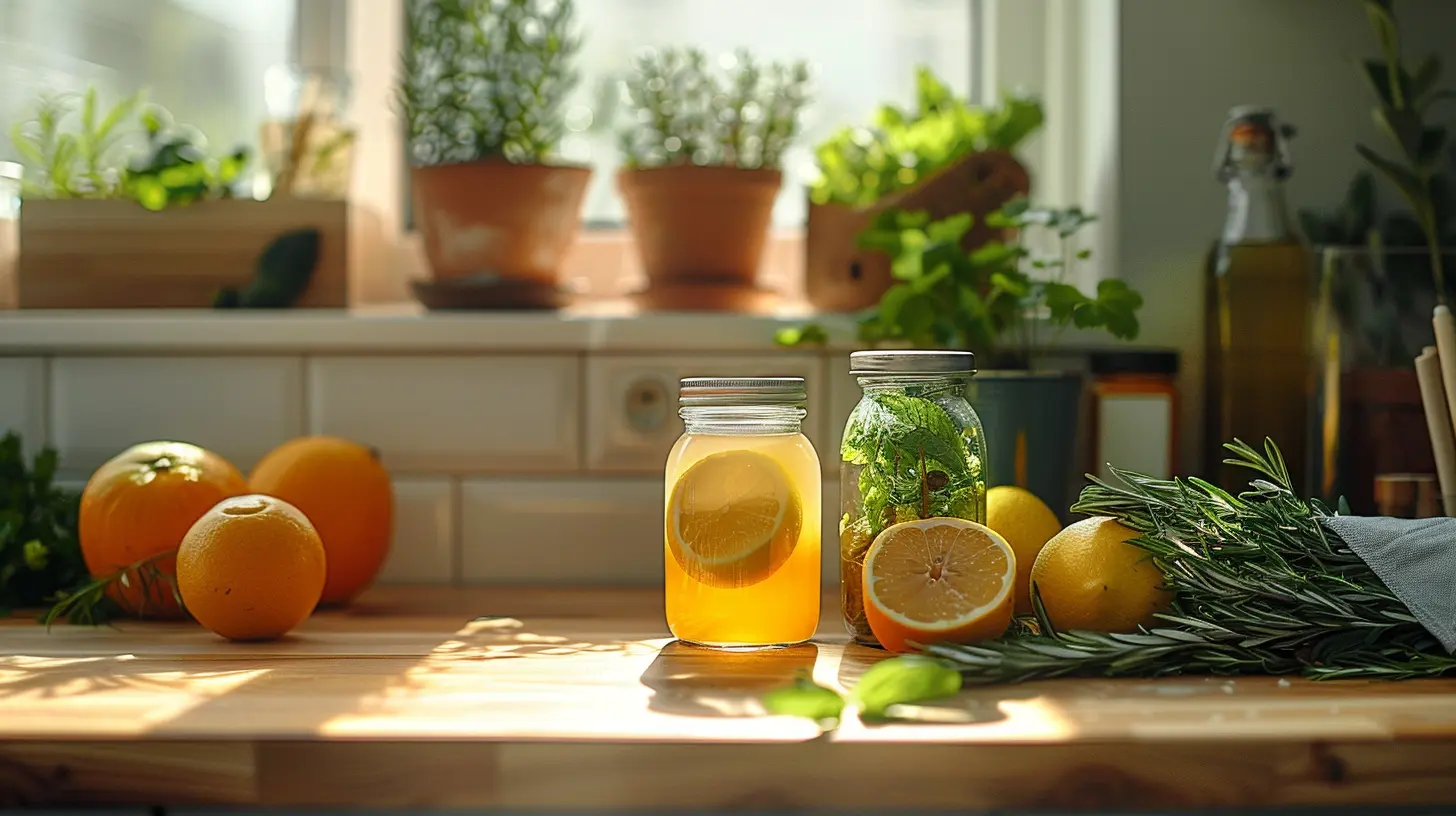
- Use a Water Filter: Tap water can sometimes contain contaminants that you don’t want in your system.- Infuse Your Water: Add slices of lemon, cucumber, or mint for a refreshing twist that encourages you to drink more.
- Keep Water Accessible: Place water bottles or pitchers around the house to remind yourself to stay hydrated.
Wrapping It Up
Your home is more than just a place to eat, sleep, and binge-watch your favorite shows. It’s an essential part of your health ecosystem. By making a few small tweaks, you can turn your living space into a fortress of wellness that supports your immune system 24/7. From cleaner air to better sleep and stress-free zones, these changes don’t have to break the bank, but they can make a world of difference for your health. So why not start today? Your body (and mind) will thank you.all images in this post were generated using AI tools
Category:
Healthy Immune SystemAuthor:

Jackson Mahoney
Discussion
rate this article
2 comments
Idris McAndrews
Great tips! Simple changes can boost your immunity effectively.
August 22, 2026 at 3:20 PM
Jackson Mahoney
Thanks for your feedback! I'm glad you found the tips helpful. Small changes really can make a big difference.
Aria Walker
Creating an immune-friendly home is easier than you think. Focus on clean air, a balanced diet, and reducing stress. Small changes can make a big difference in health.
May 31, 2026 at 4:03 AM
Jackson Mahoney
Absolutely! Even simple adjustments can enhance your immune health significantly. It's all about consistency.