How to Master the Art of Layered Salads
4 November 2026
Layered salads have become a popular dish for their aesthetic appeal and versatility. They offer a fresh approach to traditional salads, allowing for creativity and a variety of flavors and textures. This article delves into how to master the art of layered salads, providing you with insights, practical advice, and expert tips.
What is a Layered Salad?
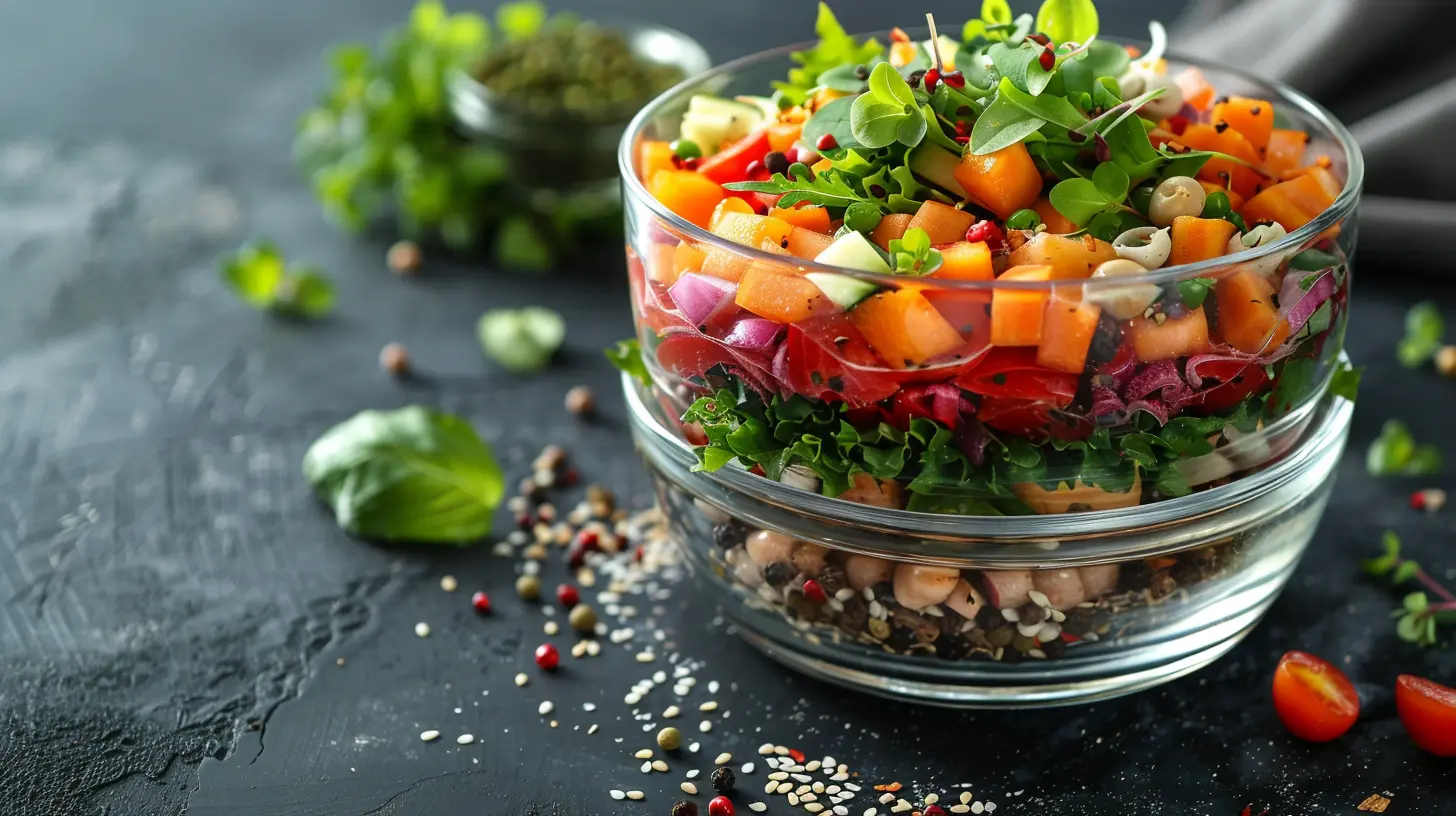
A layered salad is a dish that consists of various ingredients arranged in layers, typically in a clear glass container to showcase its colorful composition. This format not only enhances visual appeal but also allows for a balance of flavors and textures. The basic premise is to create a salad that is both beautiful and functional, allowing the flavors to meld together while providing an enjoyable eating experience.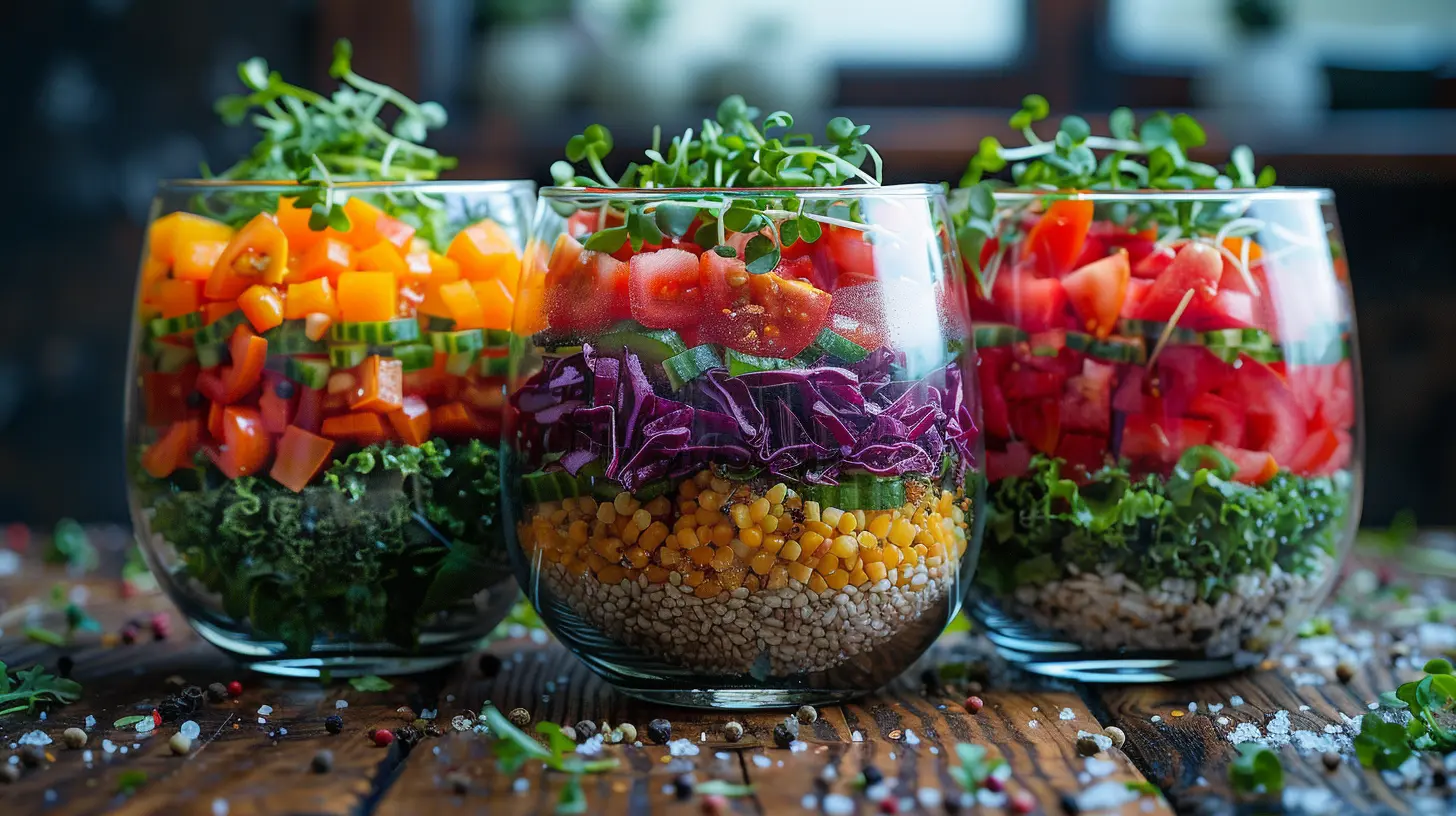
The Benefits of Layered Salads
Visual Appeal
One of the most significant advantages of layered salads is their presentation. A well-crafted layered salad can serve as a centerpiece for gatherings, making it perfect for parties, picnics, or potlucks. The vibrant colors and textures are visually enticing, encouraging people to dig in.Flavor and Texture Harmony
Layering ingredients allows for a unique flavor experience. Each layer can contain different elements that contribute to a balanced taste profile. For instance, creamy dressings can be paired with crunchy vegetables, while savory flavors can complement sweet ones. This variety ensures that each bite is interesting and satisfying.Meal Prep and Convenience
Layered salads are excellent for meal prep. They can be made in advance and stored in the refrigerator, making them a convenient option for busy lifestyles. When layered correctly, they can stay fresh for several days, allowing you to enjoy a nutritious meal without the daily hassle of preparation.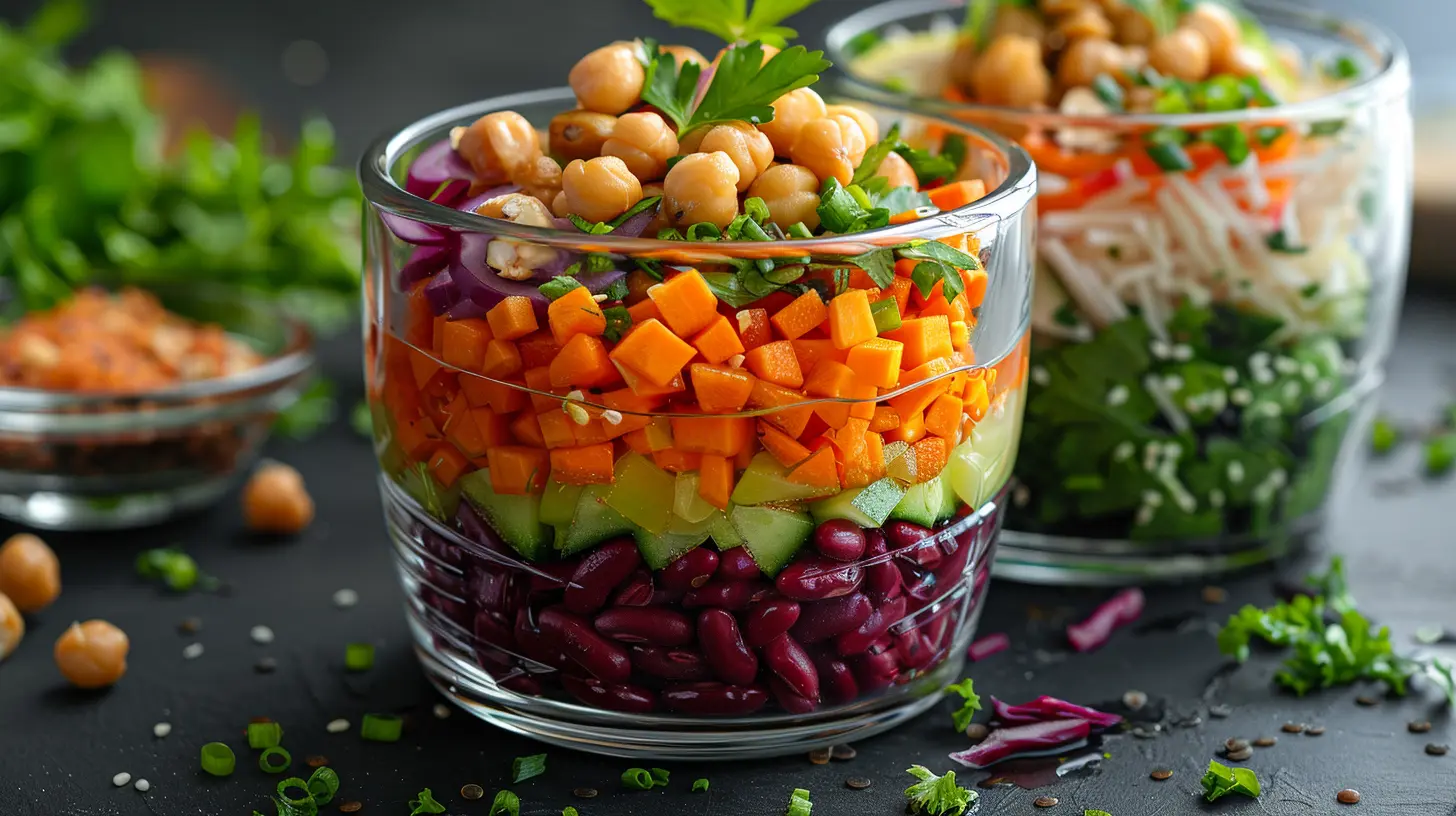
Key Components of a Layered Salad
Base Layer: Greens
The foundation of any layered salad usually consists of greens. Leafy vegetables such as romaine, spinach, or kale serve as the base. They provide a crisp texture and a nutritional boost. When choosing greens, consider their sturdiness. For example, romaine holds up well, while delicate greens like arugula may wilt faster when combined with heavier ingredients.Middle Layers: Vegetables and Proteins
The middle layers can include a variety of vegetables, proteins, grains, and legumes. Here are some options:- Vegetables: Choose colorful options like bell peppers, cucumbers, cherry tomatoes, and carrots. These not only add flavor and nutrition but also enhance the visual appeal.
- Proteins: Grilled chicken, tofu, beans, or hard-boiled eggs can be added for protein. Consider marinating proteins beforehand for added flavor.
- Grains: Quinoa, brown rice, or farro can be incorporated to make the salad more filling. These grains provide a hearty texture and make the salad a complete meal.
Top Layer: Dressing and Garnishes
The top layer typically features the dressing and any garnishes. It is crucial to choose a dressing that complements the other ingredients. Creamy dressings can be drizzled on top, while vinaigrettes can be layered below to prevent sogginess. Consider garnishes such as nuts, seeds, cheese, or herbs to add an extra layer of flavor.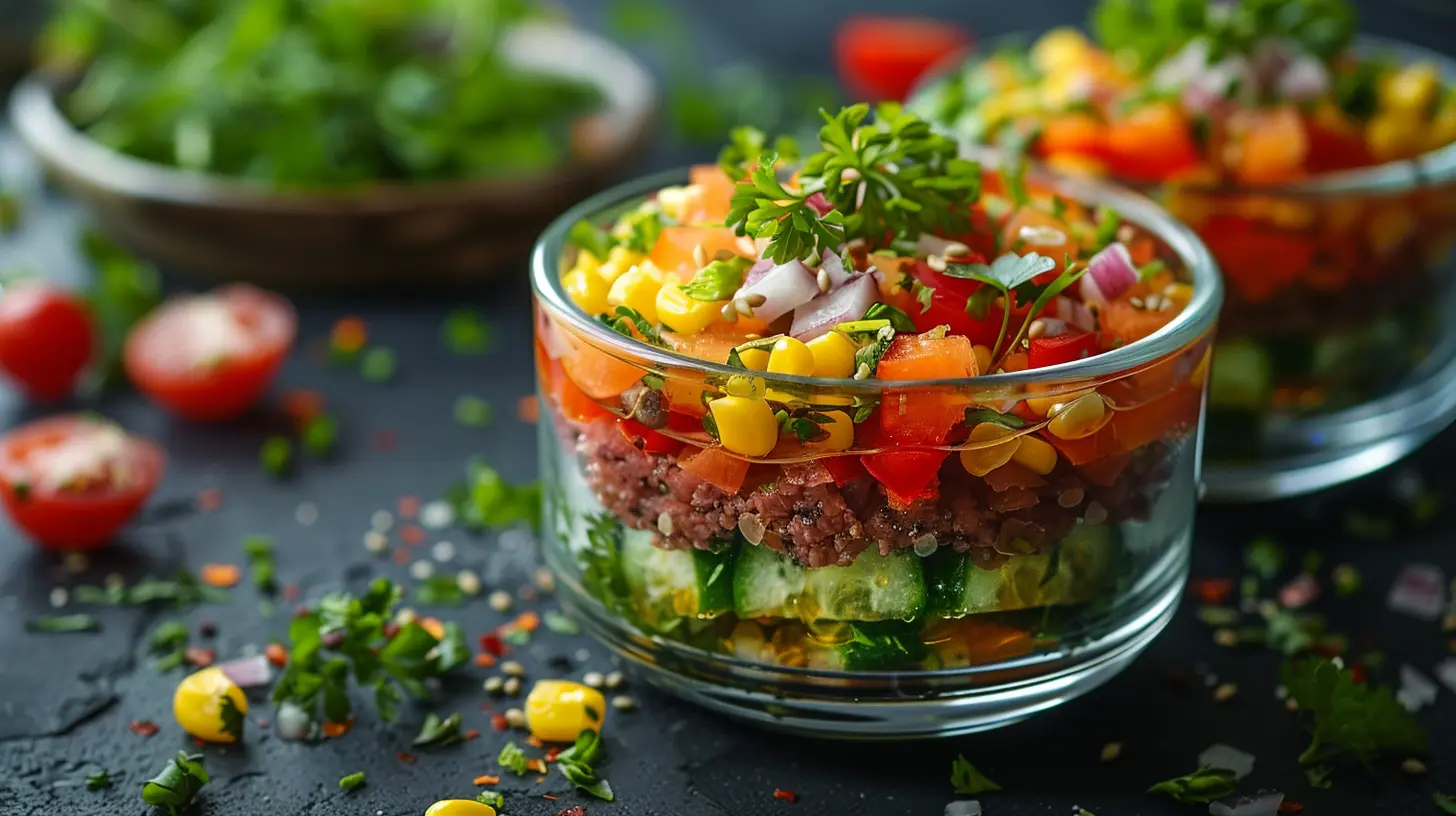
Constructing Your Layered Salad
Step-by-Step Process
1. Select a Container: Choose a clear glass jar or bowl to showcase your layers. The size will depend on the number of servings you need.2. Start with the Dressing: Begin by adding a small amount of dressing to the bottom of the container. This helps prevent the greens from wilting.
3. Add Greens: Layer your greens next. Pack them tightly to form a solid base, which will support the upper layers.
4. Incorporate Vegetables and Proteins: Alternate between vegetables and proteins, creating distinct layers. This not only helps with presentation but also ensures an even distribution of flavors.
5. Finish with Grains: If using grains, add them after the proteins and before the dressing or garnishes.
6. Top with Dressing and Garnishes: Finally, add a drizzle of dressing on top and sprinkle your choice of garnishes.
Common Mistakes to Avoid
- Overcomplicating Layers: While variety is essential, too many different ingredients can overwhelm the flavors. Focus on a few complementary options for a more cohesive taste.- Using Soggy Ingredients: Avoid adding overly wet ingredients at the bottom layer, as this can cause your salad to become soggy. Always keep heavier, moisture-rich ingredients higher up.
- Neglecting the Dressing: The dressing should enhance, not overpower, the salad. Choose a dressing that aligns with the flavor profiles of your ingredients.
Best Practices for Layered Salads
Balancing Flavors
When selecting components for your layered salad, aim for a balance of flavors. Combine sweet, savory, tangy, and spicy elements to create a harmonious dish. For example, pairing roasted sweet potatoes with tangy feta cheese and a spicy dressing can elevate the overall taste.Textural Variety
Incorporating different textures adds interest to your salad. Include crunchy vegetables, creamy dressings, and tender proteins to create a well-rounded mouthfeel. Adding nuts or seeds can also introduce an enjoyable crunch.Seasonal Ingredients
Utilizing seasonal ingredients can enhance the freshness and taste of your salad. In summer, opt for vibrant tomatoes and cucumbers; in fall, consider roasted squash and apples. Seasonal produce not only tastes better but often costs less and supports local agriculture.Portion Control
Layered salads can be quite filling, especially when containing grains and proteins. Consider portion sizes based on your dietary needs and the context in which you are serving the salad. A smaller portion can be a side dish, while a larger one can serve as a main course.
Flavor Combinations to Try
Mediterranean Layered Salad
- Ingredients: Romaine lettuce, cherry tomatoes, cucumbers, red onion, olives, feta cheese, grilled chicken, and a lemon-olive oil dressing.- Why It Works: This combination offers a balance of freshness from the vegetables and richness from the cheese and dressing. The acidity of the lemon cuts through the richness, creating a well-rounded flavor.
Southwest Layered Salad
- Ingredients: Mixed greens, black beans, corn, diced bell peppers, avocado, shredded cheese, and a cilantro-lime dressing.- Why It Works: The creaminess of the avocado pairs beautifully with the crunch of the peppers, while the cilantro-lime dressing adds a zesty kick, making it vibrant and satisfying.
Asian-Inspired Layered Salad
- Ingredients: Napa cabbage, shredded carrots, edamame, bell peppers, grilled chicken or tofu, sesame seeds, and a sesame-ginger dressing.- Why It Works: The crunch of the cabbage and carrots contrasts with the tender protein. The sesame-ginger dressing ties the flavors together, providing a delightful umami experience.
Storing and Serving Layered Salads
Storage Tips
When storing layered salads, the key is to keep the ingredients fresh for as long as possible. Here are some tips:- Use Airtight Containers: Store your salads in airtight jars or containers to prevent exposure to air, which can lead to wilting.
- Keep Dressings Separate: If possible, store dressings in a separate container to maintain the integrity of the ingredients. Add the dressing just before serving.
- Refrigerate: Layered salads are best kept in the refrigerator to stay crisp. Most salads can last for up to five days, depending on the ingredients used.
Serving Suggestions
When it comes time to serve, consider the following:- Gently Toss Before Serving: For a more uniform flavor throughout the salad, gently toss the ingredients together before serving. This helps distribute the dressing and ensures that each bite is flavorful.
- Pair with Sides: Layered salads can be complemented with various sides, such as bread, grilled vegetables, or a light soup, making for a well-rounded meal.
Conclusion
Mastering the art of layered salads involves understanding the components and how they interact. With careful selection of ingredients, attention to layering techniques, and an eye for presentation, anyone can create a stunning and delicious layered salad. Whether for a casual lunch or a festive gathering, these salads can be a showstopper that delights both the eyes and the palate.Investing time in crafting your layered salad will not only elevate your culinary skills but also promote healthier eating habits. So gather your ingredients, experiment with flavors, and enjoy the process of creating this vibrant dish.
all images in this post were generated using AI tools
Category:
Healthy SaladsAuthor:

Jackson Mahoney