How to Recognize and Deal with Estrogen Dominance
14 May 2026
Estrogen—the hormone that plays a crucial role in a woman's reproductive system—is often referred to as the "feminine hormone." While it's essential for overall health, too much of it can throw your body off balance, leading to a condition called estrogen dominance. If you've been feeling off lately—bloated, moody, or struggling with stubborn weight gain—you might be dealing with this hormonal imbalance.
But don't worry! In this guide, we'll break down how to recognize, understand, and naturally manage estrogen dominance so you can reclaim your health and vitality.
What Is Estrogen Dominance?
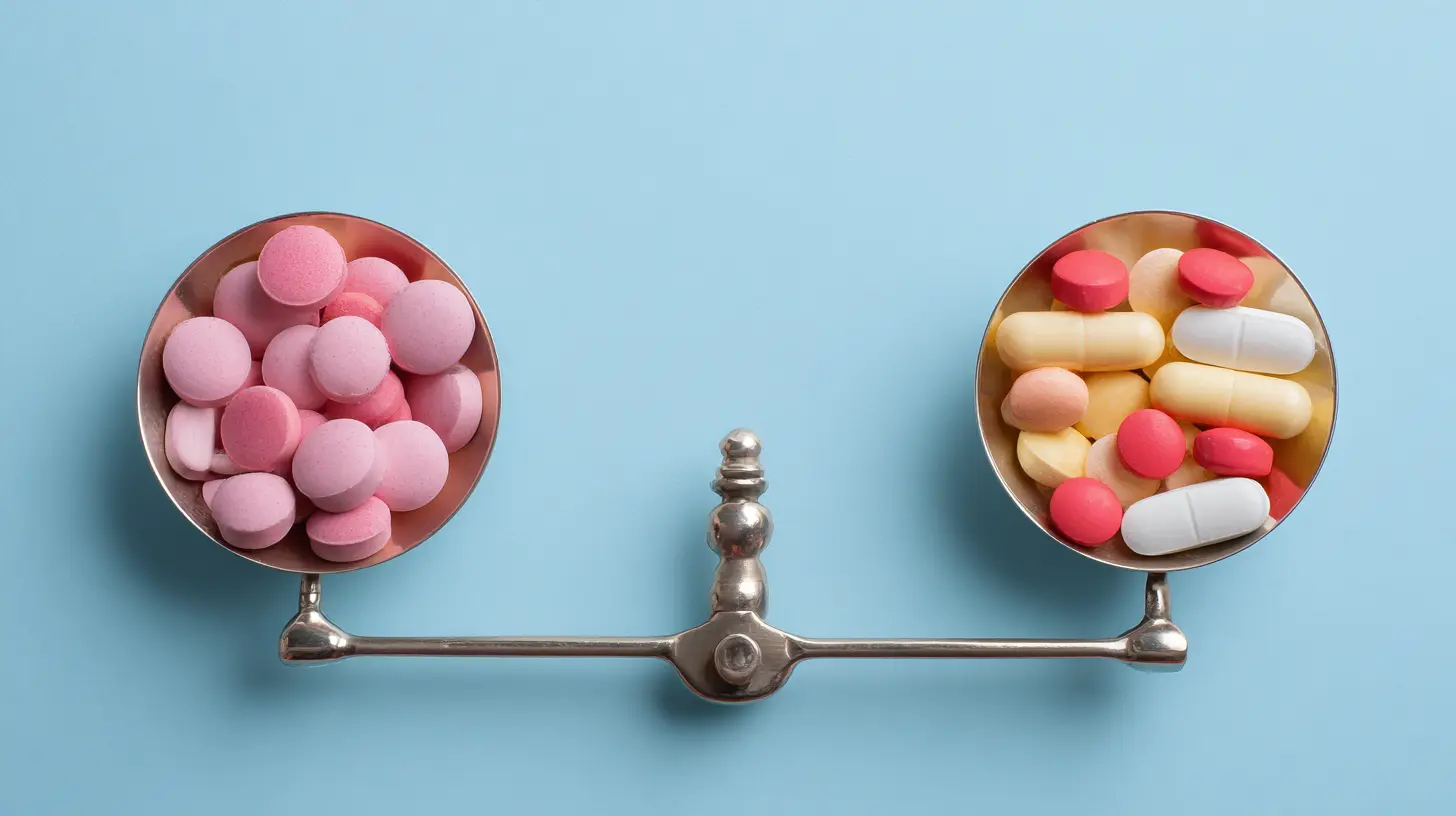
Estrogen dominance happens when the body has too much estrogen relative to progesterone. These two hormones are like dance partners—when they're in sync, everything flows smoothly. But if estrogen takes the lead and progesterone lags behind, it can create a hormonal storm in your body.Both men and women need estrogen, but women are more susceptible to its fluctuations. Estrogen dominance isn't just about having high estrogen levels; it can also occur if progesterone levels drop too low, making estrogen the "dominant" hormone in your system.

Symptoms of Estrogen Dominance
So, how do you know if you have estrogen dominance? Your body speaks to you in subtle (and sometimes not-so-subtle) ways. Here are some common symptoms to watch out for:1. Unexplained Weight Gain
If you're eating well, exercising, and still struggling with weight—especially around your hips, thighs, and belly—estrogen dominance might be the culprit. Estrogen encourages fat storage, and too much of it can make losing weight feel impossible.2. Mood Swings, Anxiety, and Depression
Ever feel like you're on an emotional rollercoaster? Estrogen affects the brain's neurotransmitters, including serotonin (the "feel-good" hormone). Too much estrogen can lead to mood swings, irritability, and even anxiety or depression.3. Irregular Menstrual Cycles
If your periods are heavy, painful, or unpredictable, estrogen dominance could be to blame. It can also contribute to PMS symptoms, breast tenderness, and severe cramps.4. Fatigue and Low Energy
Do you wake up tired even after sleeping 8 hours? Hormonal imbalances, including estrogen dominance, can make you feel exhausted, sluggish, and mentally foggy.5. Bloating and Digestive Issues
Estrogen can cause water retention and bloating, making you feel puffy and uncomfortable, especially around your midsection.6. Headaches or Migraines
Many women experience headaches or migraines linked to their menstrual cycle. If you're noticing headaches that align with your period, estrogen dominance could be the reason.7. Hair Loss or Thinning Hair
Excess estrogen, coupled with imbalanced progesterone, can trigger hair thinning or hair loss, something no one wants to experience.8. Low Libido
A sudden drop in sex drive? Too much estrogen can mess with testosterone levels, which play a role in desire and sexual function.If some (or many) of these symptoms sound familiar, your body might be waving a red flag about estrogen dominance. But the good news? You can fix it! 
Causes of Estrogen Dominance
Understanding what causes estrogen dominance is half the battle. Here are some common culprits behind the hormonal imbalance:1. Chronic Stress
Stress is a major hormone disruptor. When you're constantly stressed, your body produces more cortisol (the stress hormone), which can deplete progesterone levels—leading to estrogen dominance.2. Poor Liver Function
Your liver detoxifies estrogen and removes excess from the body. If your liver is overworked due to alcohol, processed foods, or toxins, estrogen can build up.3. Xenoestrogens (Environmental Estrogens)
Xenoestrogens are fake estrogens found in plastics, personal care products, pesticides, and even household cleaners. They mimic estrogen in the body and contribute to hormonal overload.4. Birth Control Pills and Hormone Therapy
Oral contraceptives and hormone replacement therapy (HRT) can increase estrogen levels, potentially leading to imbalance over time.5. Poor Gut Health
Your gut plays a big role in estrogen metabolism. If you have an imbalanced gut microbiome, your body may struggle to eliminate excess estrogen properly.6. Excess Body Fat
Fat cells produce estrogen. The more fat you have, the higher your estrogen levels can be, creating a vicious cycle of weight gain and hormonal imbalance.
How to Naturally Reduce Estrogen Dominance
Now that we know what causes estrogen dominance, let's talk about how to restore balance naturally.1. Eat a Hormone-Balancing Diet
What you eat has a huge impact on your hormones. Focus on:- Cruciferous Vegetables – Broccoli, cauliflower, kale, and Brussels sprouts support liver detoxification.
- Fiber-Rich Foods – Flaxseeds, chia seeds, and leafy greens help eliminate excess estrogen.
- Healthy Fats – Avocados, coconut oil, and olive oil support hormone production.
- Organic Foods – Reduce exposure to pesticides and hormones found in non-organic produce and meat.
2. Support Your Liver
Your liver is your body's detox powerhouse, and it needs the right nutrients to flush out excess estrogen. Try:- Dandelion tea or milk thistle supplements to support liver function.
- Lemon water in the morning to stimulate detoxification.
- Cutting back on alcohol and processed foods, which overwork the liver.
3. Manage Stress
Chronic stress depletes progesterone, letting estrogen take over. Combat stress with:- Meditation or deep breathing exercises.
- Yoga, stretching, or gentle movement to calm the nervous system.
- Prioritizing sleep—aim for 7-9 hours of quality rest each night.
4. Reduce Exposure to Xenoestrogens
Limit environmental estrogens by:- Switching to glass or stainless steel containers instead of plastic.
- Using natural skincare and cleaning products.
- Avoiding scented candles, air fresheners, and non-organic cosmetic products.
5. Improve Gut Health
A healthy gut helps properly metabolize estrogen. Support digestion by:- Eating fermented foods like sauerkraut, kimchi, and yogurt.
- Taking a high-quality probiotic to restore gut bacteria balance.
- Drinking plenty of water and herbal teas to flush out toxins.
6. Exercise Smartly
Exercise is crucial for hormone health, but overdoing intense workouts can backfire. Try:- Strength training to boost metabolism and lower estrogen.
- Walking, yoga, or pilates for gentle movement.
- Avoiding excess cardio, which can raise cortisol and worsen hormonal imbalances.
Final Thoughts
Estrogen dominance can be frustrating, but it's absolutely manageable with the right lifestyle changes. By eating clean, managing stress, avoiding toxins, and supporting liver and gut health, you can bring your hormones back into balance.Listen to your body—it’s always speaking to you. And most importantly, be patient with yourself. Healing is a journey, and small steps every day can lead to big, long-lasting changes in your overall health and well-being.
all images in this post were generated using AI tools
Category:
Hormonal BalanceAuthor:

Jackson Mahoney
Discussion
rate this article
2 comments
Zayne Stewart
Stay informed, listen to your body.
July 26, 2026 at 4:19 PM
Melissa Walker
Estrogen dominance lurks in the shadows, quietly influencing your well-being. Understanding its signs can be the first step to reclaiming balance in your body. What if the answers are hidden in plain sight, waiting for you to connect the dots...
May 14, 2026 at 4:39 PM
Jackson Mahoney
You're right. Recognizing the signs is crucial. Let's explore how to identify and address this imbalance together.