How to Set Achievable Health Goals for 2026 and Beyond
17 April 2026
Let’s be honest—how many times have you scribbled “get healthy” on a fresh January list, only to find that vague promise crumpled in the back of a drawer by March? You’re not alone. We’ve all been there, armed with tremendous enthusiasm but a plan that’s about as sturdy as a paper umbrella in a rainstorm. The problem isn’t your willpower; it’s your blueprint.
Setting health goals for the distant horizon—like 2026 and beyond—isn’t about sheer grit. It’s about smart architecture. It’s building a lifestyle, not just sprinting toward a finish line that keeps moving. So, how do we construct goals that don’t just look good on paper but actually become the bedrock of your future? Let’s ditch the all-or-nothing mindset and build something that lasts.
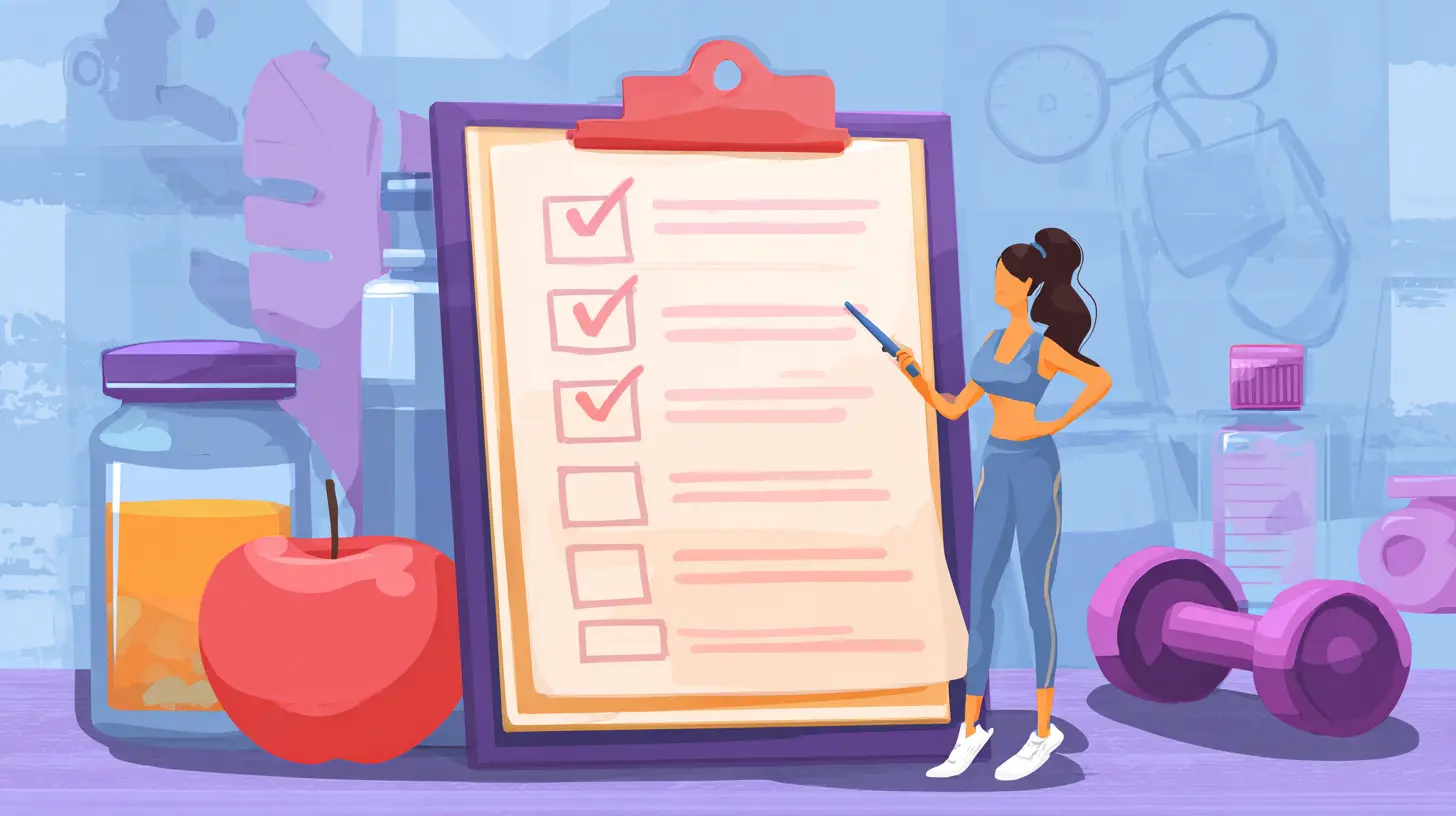
Why Your Past Goals Might Have Fizzled Out (And How to Fix It)
First, a little reflection. Think of your past goals. Were they things like “lose 20 pounds,” “eat cleaner,” or “exercise more”? On the surface, they seem perfect. But underneath, they’re riddled with pitfalls. They’re often outcome-based, not behavior-based. What’s the difference?An outcome goal is the destination: the weight on the scale, the dress size, the blood pressure number. A behavior goal is the vehicle that gets you there: the daily walk, the act of cooking dinner at home, the consistent bedtime. When you focus solely on the destination, every bump in the road feels like a failure. When you focus on steering the vehicle well, you enjoy the journey and the destination takes care of itself.
The other classic killer? The “Extreme Makeover” mentality. We go from 0 to 100 overnight—kale smoothies, two-a-day gym sessions, no sugar, no fun. Our brains and bodies rebel against this sudden shock. It’s like trying to run a marathon without ever training; you’re going to burn out, and probably pull a muscle. Sustainable change is a gentle slope, not a cliff face.
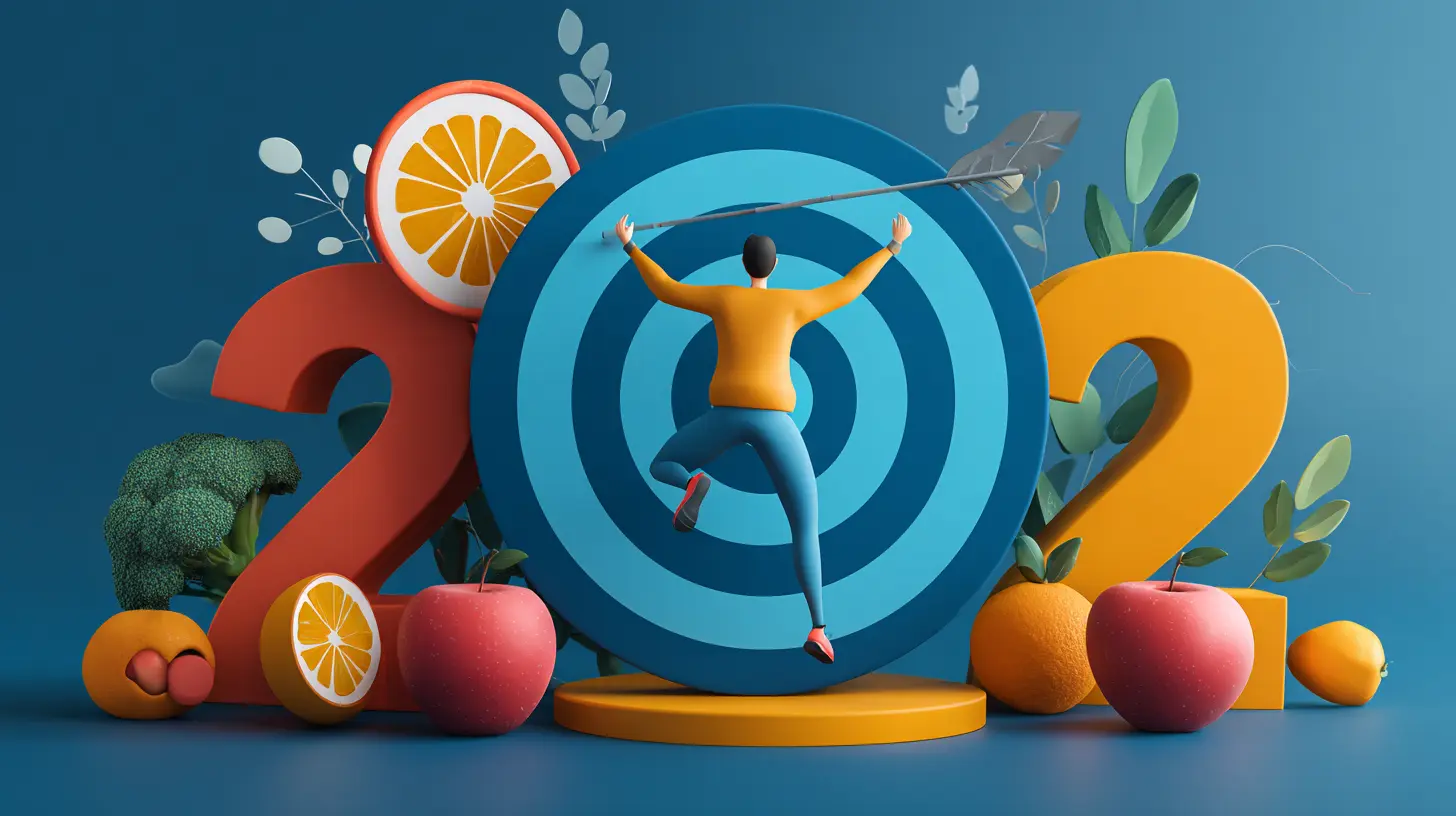
The SMART Framework: Your Goal-Setting Compass
You’ve probably heard of SMART goals. But in the context of long-term health, they’re not just a corporate buzzword—they’re your survival guide. Let’s break them down with a health lens.* S – Specific: “Get fit” is a dream. “Walk for 30 minutes after dinner on Monday, Wednesday, and Friday” is a plan. Vagueness is the enemy of action. Your brain needs a clear, unambiguous instruction.
* M – Measurable: How will you know you’re succeeding? If your goal is to “drink more water,” track it. Use a marked bottle or an app. Data isn’t cold; it’s feedback. It tells the story of your progress.
A – Achievable: Is this goal realistic for your* current life? Aiming to meditate for 30 minutes daily when you’ve never tried it might be a stretch. Starting with 5 minutes is achievable. Success breeds motivation, not the other way around.
R – Relevant: Does this goal truly matter to you*? Not to your doctor, your social media feed, or your well-meaning aunt. Does it connect to your deeper values, like having more energy to play with your kids or feeling strong in your own body? If it’s not relevant, you won’t stick with it.
* T – Time-bound: “Someday” is a procrastinator’s paradise. For 2026, we need to think in layers. What’s your 3-year vision? What does that break down into this year? This quarter? This month? This week? Today? Time frames create urgency and structure.
The Power of “Why”: Digging to Your Core Motivation
Here’s where we go deeper. Ask yourself why you want this goal. And then ask why again. And again. I want to lose weight.* Why?
To feel more confident in my clothes.* Why?
To feel better about myself in social situations.* Why?
To connect with people without self-consciousness and live more fully.*
See the difference? The first answer is surface-level. The final answer touches on a core human desire: connection and vitality. That is your true north. On the hard days—and there will be hard days—you won’t get out of bed for “lose 10 pounds.” You might get out of bed for “live more fully.” Write this deep “why” down. Put it on your mirror. Let it be your anchor.

Building Your 2026 Health Vision: A Three-Phase Approach
Thinking three years ahead can feel abstract. Let’s make it tangible by working backwards.Phase 1: The 2026 Vision (The Big Picture)
Close your eyes. It’s a random Tuesday in 2026. What does your health feel like? Don’t just see a number. Feel the energy you have throughout the day. Imagine the ease with which you move—playing, gardening, climbing stairs. Picture your relationship with food: is it peaceful, nourishing, enjoyable? Sense your mental clarity and resilience to stress. Describe this vision in vivid, sensory detail. This is your guiding star.Phase 2: The Annual Checkpoints (The Milestones)
Now, bridge the gap. If 2026 is about feeling energetic and strong, what does 2024 need to be about? Perhaps it’s “The Year of Consistency”—simply building the non-negotiable habits. 2025 could be “The Year of Strength”—adding intensity or new skills. 2026 then becomes “The Year of Integration,” where it all feels like second nature. Assign a theme or a primary focus to each year to make the progression logical and less overwhelming.Phase 3: The Quarterly & Monthly Sprints (The Action)
This is where the rubber meets the road. Break your annual theme into 90-day sprints. A quarter is long enough to see real progress but short enough to stay focused. For example, if 2024 is your “Year of Consistency,” your Q1 goal might be: “Establish a consistent 3-days-per-week movement routine I enjoy.” Your January action step is simply: “Research and try three different types of exercise (e.g., yoga video, brisk walking, bodyweight circuit) to see what I like.”The Essential Pillars of Holistic Health Goals
True, lasting health isn’t just about diet and exercise. It’s a mosaic. When setting your goals for 2026, consider these pillars to build a resilient, joyful life:* Movement & Fitness: Shift from “I have to exercise” to “I get to move.” Find what brings you joy—dancing, hiking, swimming, weightlifting. Your goal isn’t punishment; it’s celebration of what your body can do.
* Nutrition & Nourishment: Move beyond “good” and “bad” foods. Think in terms of addition, not subtraction. Can you add one more serving of vegetables to your day? Can you learn to cook one new, nutritious recipe per month? Make your goal about feeding your body with intention and pleasure.
* Sleep & Recovery: This is the secret sauce. A goal to “be in bed by 10:30 PM on weeknights” might do more for your health than any diet. Your body heals, consolidates memory, and regulates hormones during sleep. Don’t neglect this foundational pillar.
* Mental & Emotional Wellbeing: Health happens above the shoulders, too. Goals here could be “practice 10 minutes of mindfulness daily,” “establish a digital sunset one hour before bed,” or “schedule one social connection activity per week.” A calm mind is a healthy body’s best friend.
* Social Connection: We are wired for community. Isolating yourself in the name of health is counterproductive. A health goal could be “join a walking group or a recreational sports league” to fuse social connection with movement.
Mastering the Art of Habit Stacking and Environment Design
Willpower is a finite resource. The goal is to make the healthy choice the easy choice—almost automatic. Habit Stacking: Take a habit you already do (like brewing your morning coffee) and “stack” a new, tiny habit onto it. “After I pour my coffee, I will take three deep breaths.” “After I finish my lunch, I will fill my water bottle.”* These micro-habits, anchored to existing routines, compound into massive change over three years.
* Environment Design: Want to eat more fruit? Wash it and put it in a bowl on the counter. Want to read before bed instead of scrolling? Charge your phone in another room and leave a book on your nightstand. Want to exercise in the morning? Lay out your clothes and shoes the night before. You are a product of your environment. Design it to serve your 2026 self.
Navigating Setbacks: The Circle of Progress, Not Perfection
You will miss a workout. You will have a stressful week and eat takeout three nights in a row. This is not failure; this is data. It’s life.The key is your response. Drop the “well, I’ve blown it” script. Instead, adopt a neutral, curious mindset. “Hmm, I didn’t walk this week. What happened? Oh, work was insane. Okay, what’s one tiny thing I can do to get back on track tomorrow? A 10-minute walk at lunch?” Treat setbacks as detours, not dead ends. Progress is never a straight line; it’s a messy, beautiful, upward spiral.
Your First Step Starts Today (Not January 1st)
The best time to plant a tree was 20 years ago. The second-best time is today. You don’t need to wait for a new year, a new month, or even a new Monday.Your action, right now, is this: Grab a notebook. Write “My Health in 2026” at the top. Spend 10 minutes on your vision. Then, ask yourself: “What is one small, specific, achievable thing I can do this week that points me in that direction?”
That’s it. That’s how you build a future of health—not with a grand, sweeping declaration, but with a single, deliberate step. Then another. And another. Before you know it, you’ll look up in 2026 and realize you’ve built a life you don’t need a vacation from. You’ve built a life you love, from the inside out. Let’s get started.
all images in this post were generated using AI tools
Category:
Health GoalsAuthor:

Jackson Mahoney
Discussion
rate this article
2 comments
Michelle McSweeney
Empower yourself with achievable health goals! Small, consistent steps today pave the way for a healthier, happier you in 2026 and beyond!
April 26, 2026 at 3:37 AM
Jackson Mahoney
Absolutely! Those small steps really add up. Let's focus on making progress together!
Violet McIlwain
Cheers to setting realistic health goals! Small steps lead to big changes—let's make 2026 our healthiest year yet!
April 19, 2026 at 4:28 AM
Jackson Mahoney
Absolutely! Small, consistent changes can have a huge impact. Let's do this together!