How to Use Adaptogens to Support Your Immune Response
24 May 2026
Let’s face it—life can be a rollercoaster. Between juggling work, family, and a to-do list that never seems to end, your body takes a hit. One of the first systems to suffer under constant stress? Yep, your immune system. That’s where adaptogens step in like the calm-in-the-storm herbal sidekicks you never knew you needed.
In this article, we’ll break down what adaptogens are, how they work, and how you can use them to support and supercharge your immune response. So grab your favorite cup of herbal tea and let’s dive in.
What Are Adaptogens, Anyway?
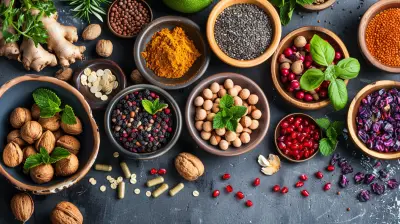
Think of adaptogens as nature’s stress shields. These are herbs and natural substances that help your body adapt (hence the name) to stressors—emotional, physical, or environmental. They don’t work like a magic potion, but they certainly help bring your body back into balance.They're sort of like that one friend who never freaks out during chaos—they stay cool, collected, and keep everyone else in check. That’s basically what adaptogens do for your body systems, including the immune system.
Some common adaptogens you might’ve heard of include:
- Ashwagandha
- Rhodiola Rosea
- Holy Basil (Tulsi)
- Ginseng (Panax and Siberian)
- Astragalus
- Licorice Root
- Cordyceps and Reishi mushrooms
Each has its own unique benefits, but many of them share a common trait—they boost your resilience, help regulate your stress hormones, and in turn, support your immune response.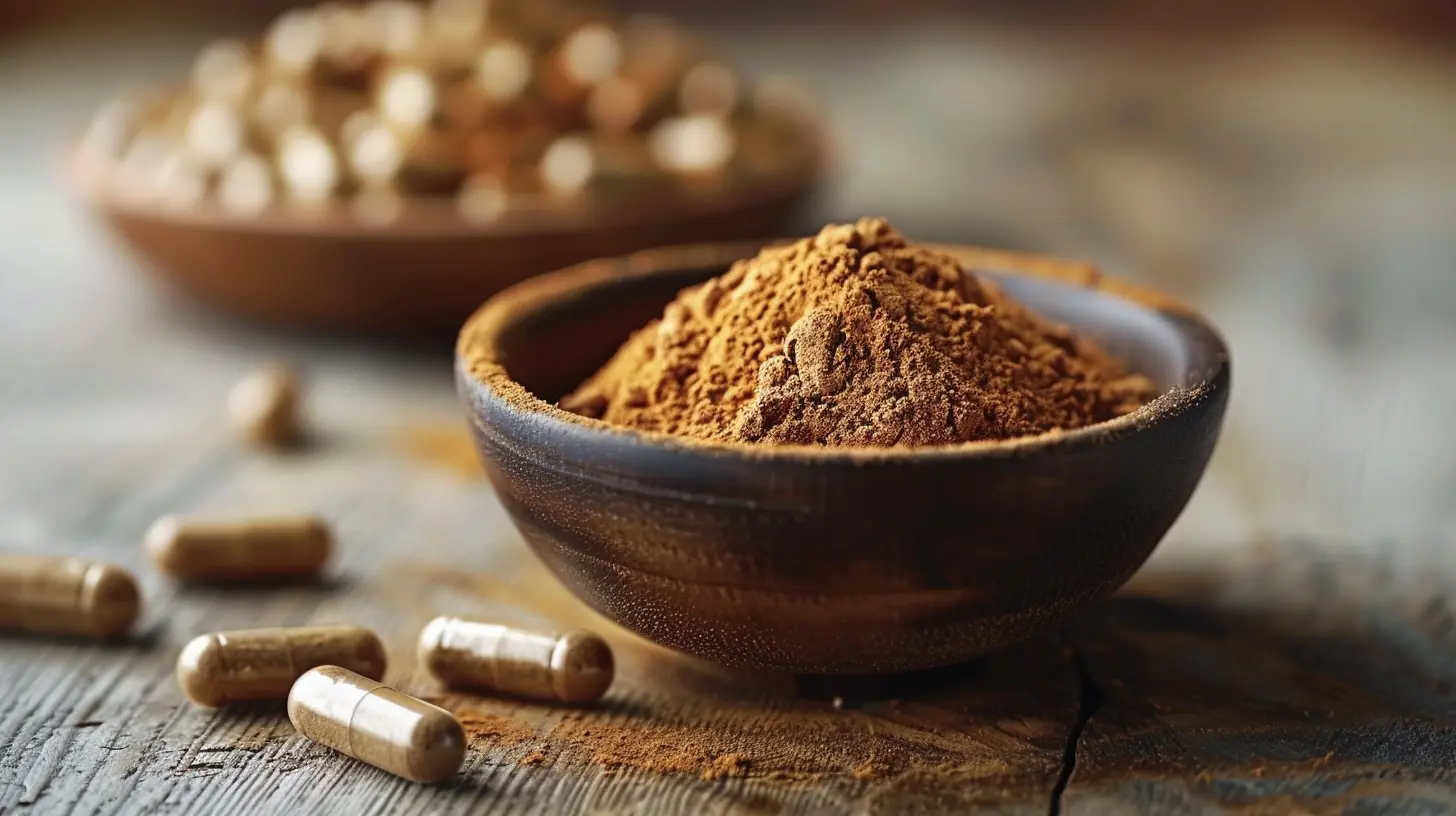
Why Your Immune System Needs Support (More Than Ever)
Let’s talk immune system. It’s your body's personal army, always on standby to fight off bacteria, viruses, and anything else that threatens your well-being. But when you’re constantly stressed or burned out, your immune response takes a nosedive.You know those times when you’re juggling too much and suddenly catch a cold? That’s no coincidence. Chronic stress ramps up your cortisol levels, suppresses immune function, and leaves you open to illness.
Adaptogens step in to help regulate your body's stress response, which takes pressure off your adrenal glands and helps your immune system get back on track.
How Adaptogens Influence Immunity
Here’s where it gets interesting. Adaptogens interact with the hypothalamic-pituitary-adrenal (HPA) axis and the sympathoadrenal system—two major players in your body’s stress response.By calming the nervous system and reducing cortisol (your main stress hormone), adaptogens reduce inflammation and support the immune system in doing what it does best: fight off invaders.
Let’s break it down by effect:
- Regulating cortisol: Chronic high cortisol weakens your immune system. Adaptogens like ashwagandha help normalize cortisol levels.
- Reducing inflammation: Herbs like turmeric and holy basil are natural anti-inflammatories, giving your immune system a break.
- Enhancing immune cells: Some adaptogens, like astragalus and cordyceps, actually stimulate the production and function of immune cells, like T-cells and macrophages.
Best Adaptogens for Immune Support
Let’s take a look at some MVP adaptogens that are especially good for immune health.1. Ashwagandha
Ashwagandha is the Swiss Army knife of adaptogens. It helps balance cortisol, boosts mood, and supports immune functioning. It’s been used for centuries in Ayurvedic medicine for a reason.- How it helps: Lowers stress hormones, reduces inflammation, and improves sleep—all of which strengthen immunity.
- How to use: Capsules, powders (great in smoothies), or tinctures. Best taken daily.
2. Astragalus Root
This one’s a powerhouse when it comes to immunity. Astragalus has long been used in Traditional Chinese Medicine to prevent colds and strengthen overall immunity.- How it helps: Stimulates the production of white blood cells and enhances the body’s ability to resist infections.
- How to use: Often found in teas or capsules. You can also simmer the root in soups or stews.
3. Reishi Mushroom
They don’t call it the "Mushroom of Immortality" for nothing. Reishi is calming, immune-supportive, and anti-inflammatory, making it ideal for long-term immune resilience.- How it helps: Modulates the immune response—meaning it balances under or overactive immune function.
- How to use: Tea, tincture, or powdered extract (works great in coffee or hot chocolate).
4. Rhodiola Rosea
Need more energy and better immune function? Rhodiola might be your thing. It's especially helpful if your immune system is suffering due to mental or emotional stress.- How it helps: Reduces fatigue, sharpens focus, and minimizes cortisol spikes.
- How to use: Capsules work best for a consistent daily dose.
5. Holy Basil (Tulsi)
Holy Basil is like a warm hug for your immune system. It’s calming, detoxifying, and has antimicrobial properties.- How it helps: Supports respiratory health, lowers stress levels, and improves immune resilience.
- How to use: Delicious as an herbal tea, or available as capsules and tinctures.
Choosing the Right Adaptogen for You
Here’s the deal—not all adaptogens are created equal, and what works for your friend might not work for you. Your body is unique. Some adaptogens are energizing (like Rhodiola), while others are calming (like Ashwagandha).Ask yourself questions like:
- Am I constantly tired or wired?
- Do I struggle with falling asleep—or sleeping too much?
- Is my stress more physical (workouts, lack of sleep) or emotional (anxiety, burnout)?
Pair these answers with your goals. If stress is your biggest immune enemy, go for calming adaptogens. If energy is lacking, choose stimulating ones.
Still unsure? Start low and go slow. Begin with one adaptogen and observe how your body reacts over a couple of weeks.
How to Incorporate Adaptogens Into Your Daily Routine
Now that you’ve got the gist, you’re probably wondering how to actually make adaptogens a part of your life. No worries—it’s easier than you think.Morning Boost
Start your day with a warm adaptogen latte. Mix powdered reishi or ashwagandha with almond milk and a splash of honey. Coffee lover? You can find adaptogen coffee blends that slide right into your morning routine without skipping a beat.Afternoon Reset
Feeling energy dip mid-day? A Rhodiola capsule or an adaptogen-infused green smoothie can give you that second wind—without the jitters.Evening Wind-Down
Holy basil tea or an ashwagandha supplement before bed can help wind you down while simultaneously supporting immune health as you rest and recover during sleep.Other Lifestyle Habits That Support Immunity
Adaptogens are powerful, but they’re not miracle workers on their own. To really support your immune system, you need a well-rounded approach that includes:- Sleep: Aim for 7–9 hours a night.
- Hydration: Water helps flush toxins and keeps systems running smoothly.
- Movement: Daily light exercise boosts immunity and reduces stress.
- Whole Foods: Eat more fruits, veggies, healthy fats, and lean proteins.
- Mindfulness: Meditation, journaling, or even mindful walks can help keep stress in check.
Think of adaptogens as teammates—not the whole team.
Things to Keep in Mind
Before diving into the world of adaptogens, remember:- Talk to your doctor, especially if you're pregnant, breastfeeding, or on medication.
- Not all adaptogens are suitable for everyone.
- Quality matters—opt for brands that are third-party tested and transparent about sourcing.
Long-Term Benefits
Here’s the beautiful part—adaptogens are gentle enough to use long-term. The longer you're consistent, the more noticeable the effects. Think of it like building a stronger foundation. Over time, you’ll likely notice:- Fewer colds and flus
- Better stress resilience
- Improved energy and mental clarity
- More restful sleep
- Balanced mood
It’s all connected. A supported stress response means a supported immune system. And a supported immune system? Well, it makes everything in life a little bit easier.
Final Thoughts
Using adaptogens to support your immune response is like giving your body a well-deserved break—letting it breathe, recover, and defend itself the way it was designed to. By adding these natural allies to your daily routine and combining them with healthy habits, you’ll be building a more resilient, balanced life.So whether you’re sipping a cup of reishi tea or tossing some ashwagandha into your smoothie, remember this: small, consistent steps lead to big health wins.
Your immune system doesn’t need to be perfect—it just needs a little help sometimes. And adaptogens? They’re the gentle push in the right direction.
all images in this post were generated using AI tools
Category:
Healthy Immune SystemAuthor:

Jackson Mahoney
Discussion
rate this article
2 comments
Isaac West
I love the idea of using adaptogens for immune support. It's fascinating how nature offers us these powerful herbs. I'm eager to learn more about which adaptogens work best and how to incorporate them into my routine.
August 27, 2026 at 4:47 AM
Rylan McWilliams
Adaptogens can be a powerful ally for boosting your immune response. Incorporating them into your routine may enhance resilience and overall wellness. Give them a try!
June 7, 2026 at 2:32 AM
Jackson Mahoney
Thanks for your insight! Adaptogens really can make a difference in supporting immunity and wellness. Excited to see more people trying them out.