Hydration and a Plant-Based Diet: Best Practices
14 January 2026
When you're embracing a plant-based diet, you're already making a health-conscious choice. But have you ever thought about how hydration fits into the equation? You might assume that eating a diet rich in fruits and vegetables means you’re automatically hydrated. While plant-based foods do contain water, proper hydration goes beyond just what’s on your plate.
Let’s dive into the best practices for staying optimally hydrated while eating a plant-based diet. We'll cover how much water you really need, the best hydrating foods, and how to tell if you're getting enough fluids.
Why Hydration is So Important
Water isn’t just something you drink when you feel thirsty—it’s essential for nearly every function in your body. It helps regulate temperature, aids digestion, transports nutrients, and cushions your joints. Even mild dehydration can leave you feeling fatigued, foggy, and sluggish.For those following a plant-based lifestyle, hydration plays a crucial role in nutrient absorption. Many plant foods contain fiber, which requires adequate water intake to move smoothly through the digestive tract. Without enough hydration, that fiber can slow things down, leading to bloating and discomfort.
How Much Water Do You Really Need?
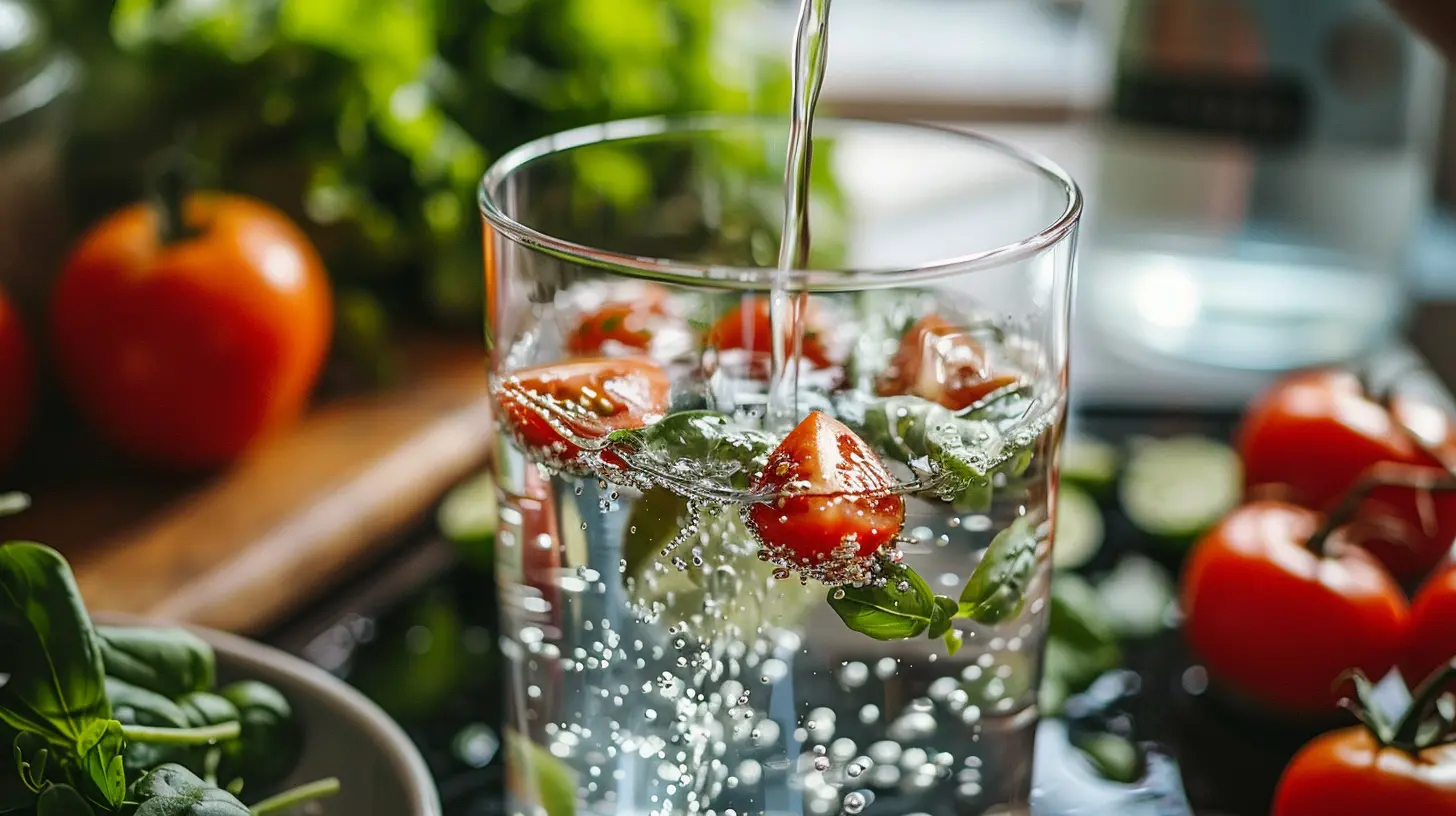
You’ve probably heard the old "8 glasses a day" rule, but hydration needs differ from person to person. Factors like activity level, climate, and diet all play a role. A better guideline? Aim for half your body weight in ounces of water daily.For example, if you weigh 150 pounds, you should aim for around 75 ounces of water a day. But don’t forget—hydration isn’t just about plain water. Your body gets hydration from many sources, including water-rich foods and herbal teas.
Best Hydrating Foods for a Plant-Based Diet
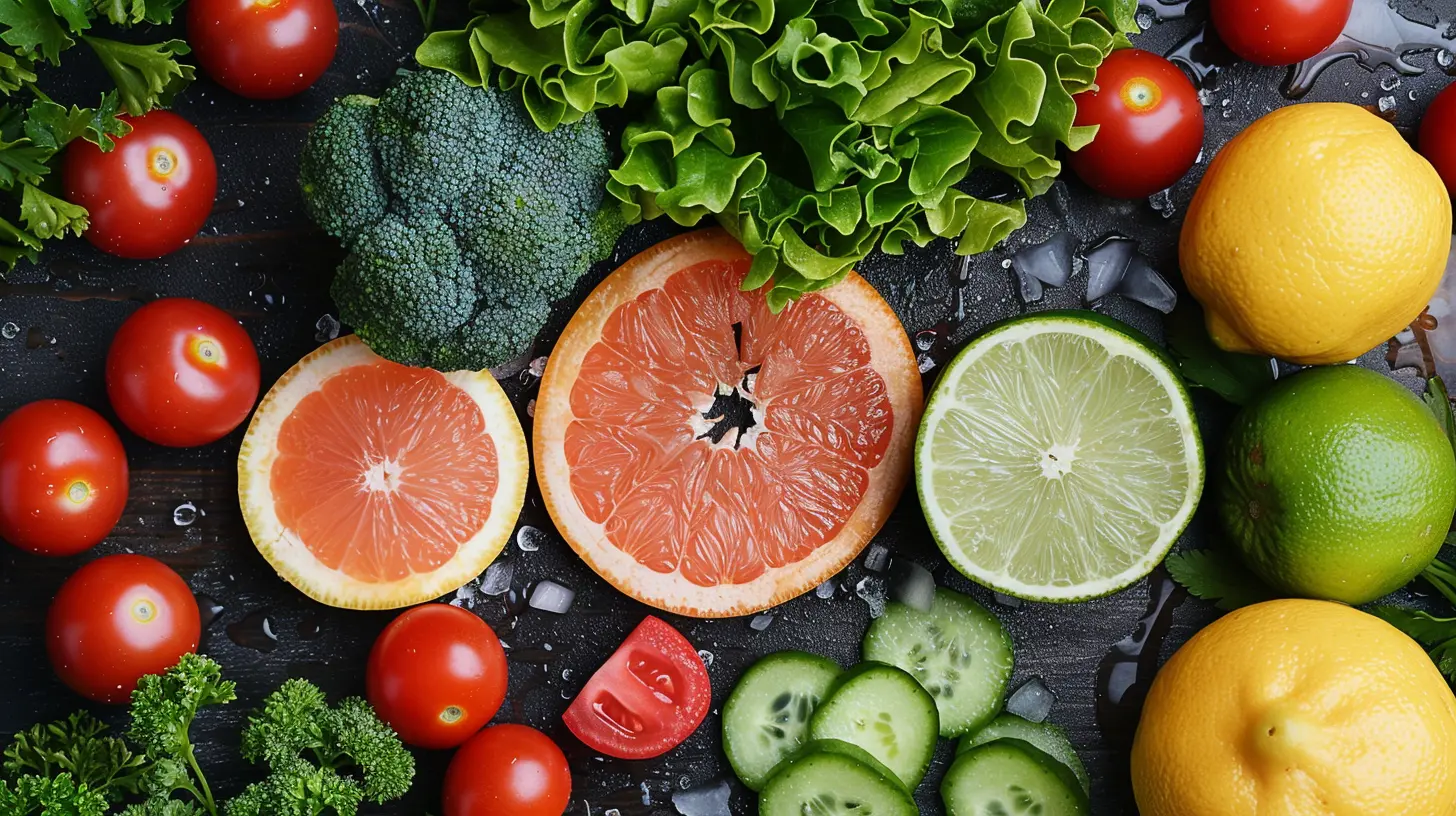
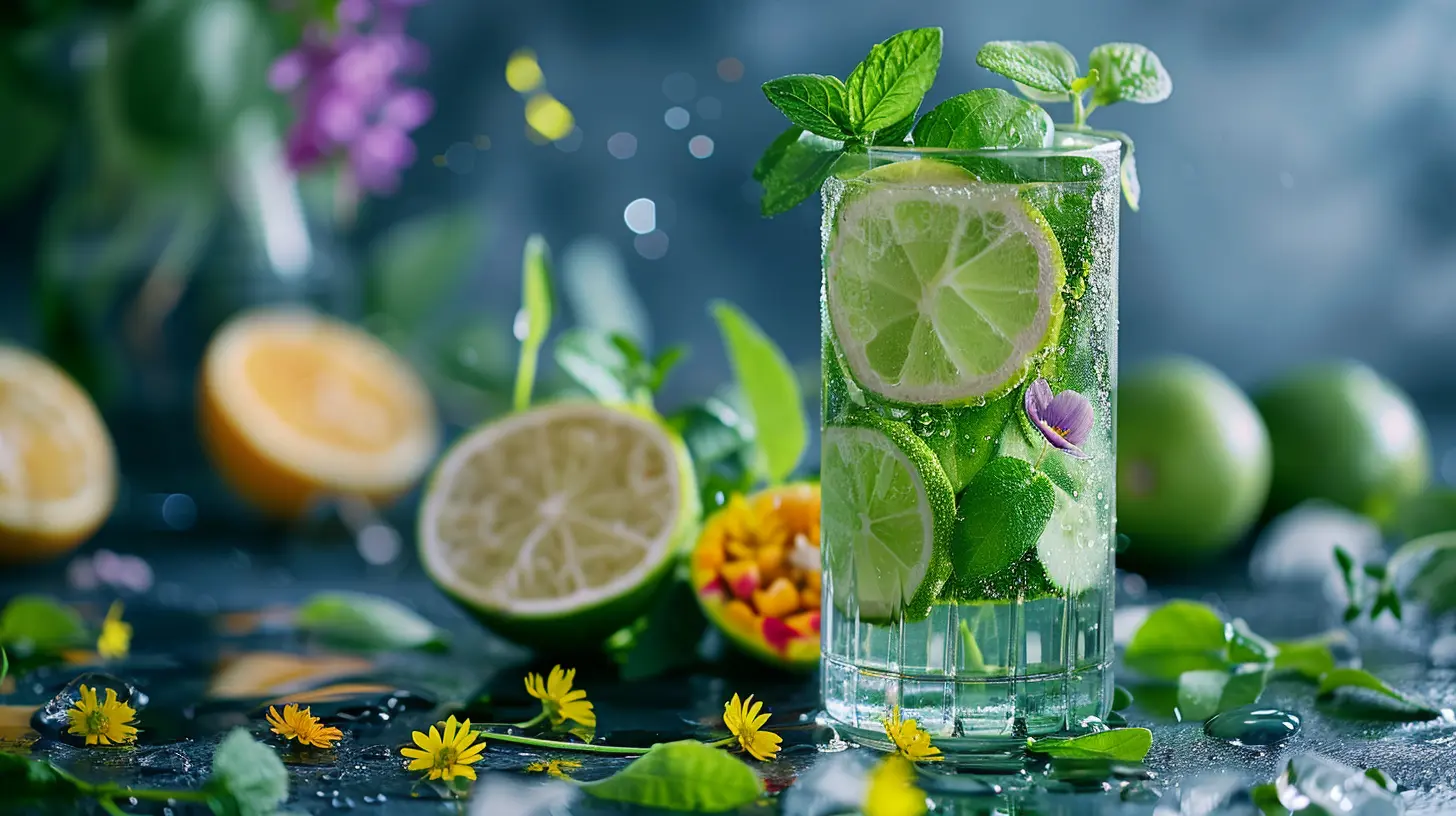
One of the big perks of eating plant-based is that you’re already consuming foods that help keep you hydrated. Many fruits and vegetables have high water content, meaning you’re getting fluids without even thinking about it.Here are some of the top hydrating foods to include in your diet:
1. Cucumbers (96% Water)
Crisp, refreshing, and nearly all water, cucumbers are one of the most hydrating veggies out there. Add them to salads, blend them into smoothies, or snack on them plain.2. Watermelon (92% Water)
The name says it all! Watermelon is packed with water, electrolytes, and a touch of sweetness that makes it the perfect snack for hydration. Bonus: It’s also rich in antioxidants like lycopene.3. Celery (95% Water)
Celery doesn’t just crunch—it hydrates too. With tons of water and fiber, celery is great for digestion while keeping your fluid levels up.4. Oranges (86% Water)
Citrus fruits aren’t just delicious—they’re loaded with vitamin C and hydration-boosting properties. They also help support your immune system while keeping you refreshed.5. Strawberries (91% Water)
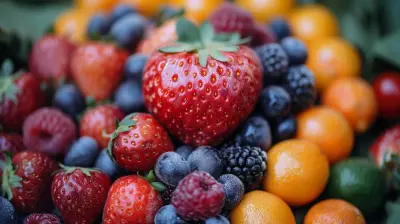
Strawberries are juicy, sweet, and incredibly hydrating. Toss them into your morning oatmeal, blend them in a smoothie, or just eat them fresh.6. Lettuce (96% Water)
Think of lettuce as nature’s version of a water bottle. Whether it’s romaine, iceberg, or butter lettuce, these leafy greens contribute to your daily hydration needs.7. Tomatoes (94% Water)
Juicy and full of flavor, tomatoes add hydration and nutrients to your meals. Whether eaten raw, roasted, or blended into sauces, they’re a hydration powerhouse.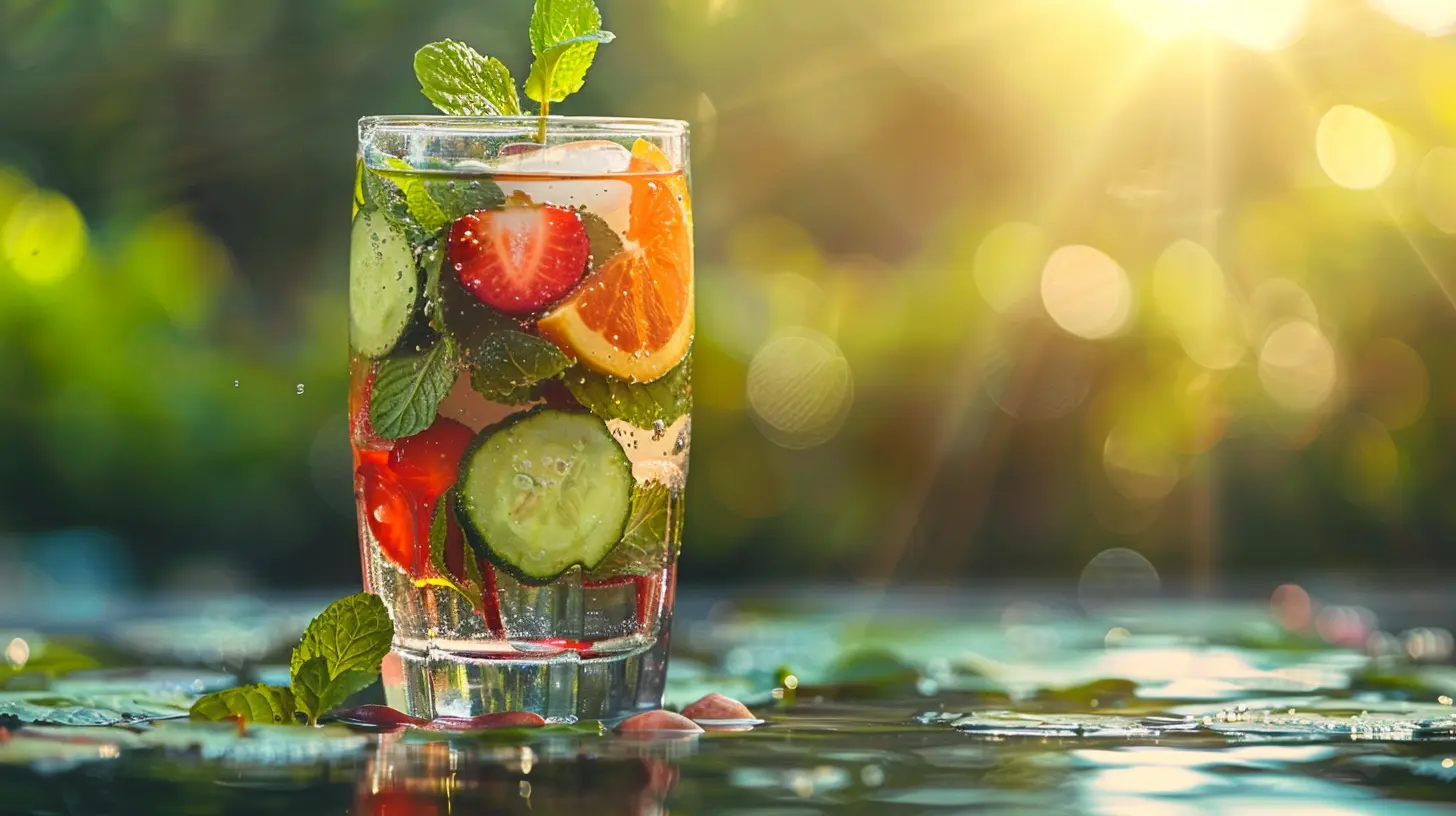
Signs You Might Be Dehydrated
Even with a diet rich in water-based foods, dehydration can sneak up on you. Here are some signs your body might be begging for more water:- Dry mouth and lips
- Fatigue or dizziness
- Dark yellow urine (a well-hydrated body produces pale yellow urine)
- Headaches
- Muscle cramps
- Hunger (sometimes thirst disguises itself as hunger!)
Listening to your body is key. If you’re experiencing any of these symptoms, it’s time to up your water intake.
Best Drinks to Stay Hydrated on a Plant-Based Diet
While plain water is the gold standard, there are plenty of other ways to meet your hydration needs without getting bored.1. Coconut Water
Nature’s sports drink! Coconut water is packed with electrolytes like potassium and magnesium, making it great for replenishing fluids after exercise.2. Herbal Teas
Chamomile, hibiscus, peppermint—herbal teas are caffeine-free and hydrating. They can also offer added benefits like soothing digestion or reducing inflammation.3. Freshly Squeezed Juices (In Moderation!)
Juicing fruits and vegetables can be a tasty way to hydrate, but be mindful of excessive sugar intake. Mixing veggies like cucumbers and celery with hydrating fruits like oranges can make a balanced, refreshing drink.4. Plant-Based Milks
Almond, oat, soy, or cashew milk all contain water and can contribute to your daily intake. Just watch out for added sugars in store-bought versions.5. Infused Water
If you find plain water boring, infuse it with slices of lemon, cucumber, or berries for a refreshing twist.
Common Hydration Mistakes (And How to Fix Them)
Even if you’re drinking lots of water, you might not be hydrating as well as you think. Here are some common mistakes and easy fixes:Mistake #1: Drinking Too Much Water at Once
Guzzling large amounts of water all at once can actually lead to poor absorption. Instead, sip throughout the day to keep your body steadily hydrated.Mistake #2: Ignoring Electrolytes
When you sweat, you lose not just water but also essential electrolytes like sodium, potassium, and magnesium. If you're sweating a lot, consider adding a pinch of sea salt to your water or sipping coconut water.Mistake #3: Relying on Caffeinated Drinks
While coffee and black tea do contribute to your fluid intake, excessive caffeine can act as a diuretic, leading to more fluid loss. Balance your caffeine intake with plenty of water.Mistake #4: Not Eating Enough Hydrating Foods
Remember, hydration isn’t just about drinking—it’s also about eating! Incorporate water-rich foods like cucumbers, oranges, and leafy greens into your meals.Final Thoughts
Hydration and a plant-based diet go hand in hand. Eating plenty of water-rich fruits and vegetables naturally helps keep your body hydrated, but drinking enough fluids is still essential. Pay attention to your body's signals, sip water consistently, and don’t forget about electrolytes.By making hydration a priority alongside your nutritious plant-based meals, you’ll enjoy better digestion, increased energy, and overall improved well-being. So, grab a glass of water (or maybe a hydrating cucumber smoothie) and drink up!
all images in this post were generated using AI tools
Category:
Plant Based DietAuthor:

Jackson Mahoney
Discussion
rate this article
2 comments
Zariah Rivera
This article brilliantly highlights the essential link between hydration and a plant-based diet. Emphasizing water-rich foods and proper fluid intake can significantly enhance overall health and well-being. A must-read!
February 15, 2026 at 5:53 AM
Jackson Mahoney
Thank you for your kind words! I'm glad you found the article helpful in connecting hydration with a plant-based diet. Your feedback is appreciated!
Jax Reynolds
Excited to explore hydration tips for plant-based living!
January 15, 2026 at 5:53 AM
Jackson Mahoney
Thank you! Staying hydrated is essential for a thriving plant-based lifestyle. Enjoy the tips!