Hydration Mistakes You Might Be Making
10 December 2025
Water, the elixir of life, flows through our veins like a river carving its path through the earth. Yet, despite our best efforts, many of us unwittingly make hydration mistakes that leave our bodies yearning for more. Dehydration sneaks in like a silent thief, robbing us of energy, focus, and vitality.
But fear not! Today, we uncover the common hydration blunders people make and how to quench your thirst the right way. Are you ready to dive in? Let’s go!

1. Drinking Water Only When You're Thirsty
Thirst is like an alarm—by the time you hear it, dehydration has already set in. If you wait until you're parched, your body is already running on reserves. A well-hydrated body doesn’t rely on desperate sips; it maintains consistent intake throughout the day.💡 The Fix: Sip water regularly—don’t just wait for thirst. Keep a bottle handy and take small gulps frequently!
2. Chugging Water Too Fast
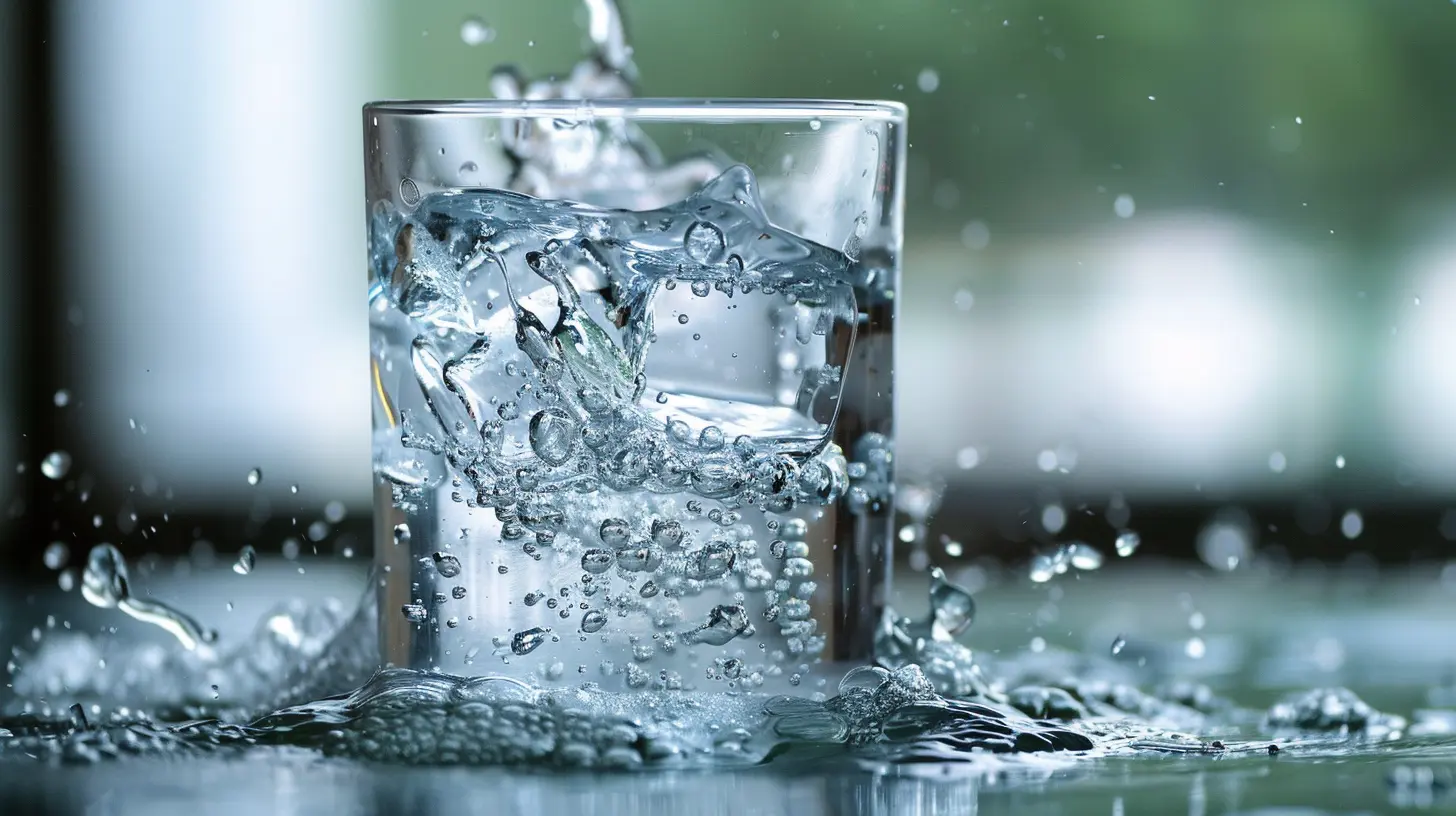
Ever guzzled down a whole bottle of water in one go and felt bloated? That’s because your body can only absorb so much at once. Drinking water too fast can actually flush out essential electrolytes, throwing your hydration levels off balance.💡 The Fix: Slow and steady wins the race. Sip, don’t chug. Give your body time to absorb and use the water efficiently.

3. Ignoring Electrolytes
Water alone isn’t always enough. Your body also needs essential minerals like sodium, potassium, and magnesium to keep things running smoothly. Without them, too much water can dilute your system, leading to imbalances that make you feel weak and fatigued.💡 The Fix: Incorporate electrolyte-rich foods like bananas, coconut water, or a pinch of salt in your water after an intense workout!

4. Relying Only on Water for Hydration
Think water is the only way to stay hydrated? Think again! Fruits, veggies, and other beverages contribute to your hydration levels, too. Hydration isn’t just about drinking; it's about eating the right foods as well.💡 The Fix: Munch on cucumbers, watermelon, oranges, and leafy greens—hydration can be delicious!
5. Drinking Too Much Water
Yes, too much of a good thing can be bad. Overhydration, or water intoxication, dilutes sodium levels in your blood, causing cells to swell—a dangerous condition known as hyponatremia.💡 The Fix: Stick to an optimal amount—around 8-10 glasses per day, adjusting based on weather, activity levels, and your body’s needs.
6. Ignoring Morning Hydration
After hours of sleep, your body wakes up dehydrated. Skipping water in the morning is like trying to start a car with no fuel. Coffee might give you a jolt, but it won’t replenish the lost fluids.💡 The Fix: Start your day with a glass of water before anything else. Your body will thank you!
7. Depending Too Much on Caffeinated Drinks
Coffee, tea, and energy drinks might keep you awake, but they are also diuretics, meaning they make you lose fluids faster. Relying on them for hydration is like trying to fill a leaking bucket.💡 The Fix: Balance is key—pair every caffeinated drink with a glass of water!
8. Not Adjusting Water Intake for Activity Levels
A marathon runner and an office worker don’t need the same amount of water. If you’re active, sweating, or under the sun, your hydration needs increase. Sticking to a fixed amount of water regardless of your activity level can leave you parched.💡 The Fix: Listen to your body—drink more when you sweat more!
9. Drinking Ice-Cold Water Too Often
That frosty gulp might feel refreshing, but ice-cold water can sometimes shock your system, slow digestion, and even cause headaches. Traditional health practices often recommend drinking water at room temperature for better absorption.💡 The Fix: Opt for lukewarm or room-temperature water when possible, especially during meals!
10. Not Drinking Enough Water During Winter
It’s easy to remember hydration on a hot, sweaty summer day. But come winter, when you’re bundled up, the thirst signal weakens, and many unknowingly drink less water. Dry indoor heating further depletes moisture levels, leaving skin parched and energy drained.💡 The Fix: Stay consistent. Hydration matters all year round!
11. Thinking All Beverages Hydrate You
Soda, alcohol, and sugary juices might contain water, but they can also dehydrate you more than they hydrate. Some drinks act like sponges, pulling water out of your system instead of replenishing it.💡 The Fix: Stick to water, herbal teas, and naturally hydrating beverages for true hydration.
12. Using Plastic Bottles That Leach Chemicals
Ever left a plastic water bottle in a hot car and noticed a weird taste? That’s because heat can cause certain plastics to break down, releasing harmful chemicals into your water.💡 The Fix: Invest in stainless steel or glass bottles for a safer, healthier sip!
13. Not Paying Attention to Urine Color
Your body leaves clues, and urine color is one of them. Dark yellow? You’re dehydrated. Clear? You might be overhydrated. Light straw color? Perfect balance.💡 The Fix: Let your urine guide you—aim for a pale yellow shade!
14. Skipping Water-Rich Foods
Eating dry, processed foods without enough hydration can zap your body’s moisture levels. Your meals should contribute to hydration instead of stealing it away.💡 The Fix: Include soups, smoothies, and juicy fruits in your diet for extra H2O!
15. Forgetting to Hydrate When Sick
When you’re feeling under the weather, hydration often takes a backseat. But fever, vomiting, diarrhea, and even a common cold can dehydrate you faster than you realize.💡 The Fix: Sip on water, broths, and herbal teas to keep fluids up while your body fights back.
Final Thoughts
Hydration isn’t just about drinking water—it’s about how you drink it, what you pair it with, and when you consume it. Avoid these common hydration mistakes, and your body will reward you with energy, clear skin, and sharp focus.So, the next time you reach for a glass of water, ask yourself—am I drinking smart? Stay hydrated, stay healthy!
all images in this post were generated using AI tools
Category:
HydrationAuthor:

Jackson Mahoney
Discussion
rate this article
2 comments
Eva Mahoney
Great insights! Staying hydrated is crucial for our health. It's easy to overlook simple mistakes; being mindful of our hydration habits can make a big difference. Keep up the good work!
January 13, 2026 at 5:04 AM
Jackson Mahoney
Thank you for your thoughtful comment! Staying mindful of hydration is indeed essential for our health. Appreciate your support!
Gwen Wolfe
Staying properly hydrated is crucial for overall health, yet many people make common mistakes. These include relying solely on thirst as a guide, ignoring the impact of caffeine and alcohol, and underestimating water needs based on activity level or climate. Awareness and adjustment can significantly improve hydration habits.
December 16, 2025 at 4:23 AM
Jackson Mahoney
Thank you for your insightful comment! Staying aware of these common hydration pitfalls can indeed lead to better health outcomes.