Immune-Boosting Benefits of Fermented Foods
14 July 2026
Ever wonder why some people seem to fight off every cold while others are constantly reaching for tissues? It might not just be luck—it could be their gut health. Yup, your belly plays a huge role in your immune system. And one of the most natural ways to supercharge your gut and, in turn, your immunity? Fermented foods.
Let’s dive deep into how these tangy, funky, and sometimes fizzy foods can become your immune system’s best friend.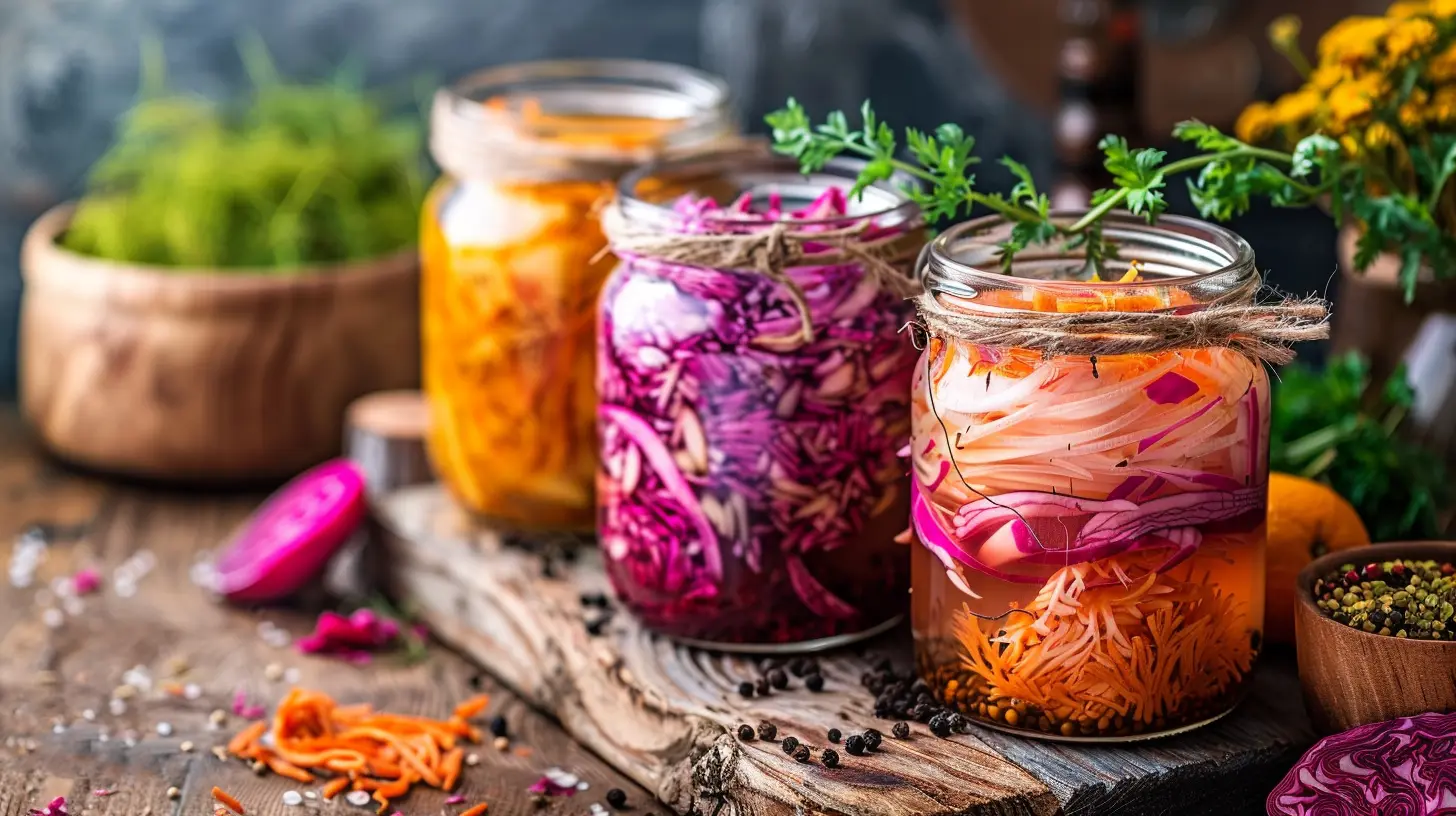
What Are Fermented Foods, Anyway?
Before we get into the nitty-gritty on immune benefits, let’s clear up what “fermented” even means. Fermented foods are those that have gone through a natural process where microorganisms like bacteria or yeast convert sugars and starches into beneficial compounds—things like acids, alcohol, or gases.Think of it as the food being “alive.” Sounds weird, right? But this process actually enhances the food, turning it into a probiotic powerhouse. Some popular fermented foods include:
- Yogurt
- Sauerkraut
- Kimchi
- Kefir
- Kombucha
- Miso
- Tempeh
- Pickles (the kind naturally fermented, not just soaked in vinegar)
These aren’t just tasty add-ons—they’re ancient health staples. Cultures around the globe have been fermenting for thousands of years as a way to preserve food and boost nutrition.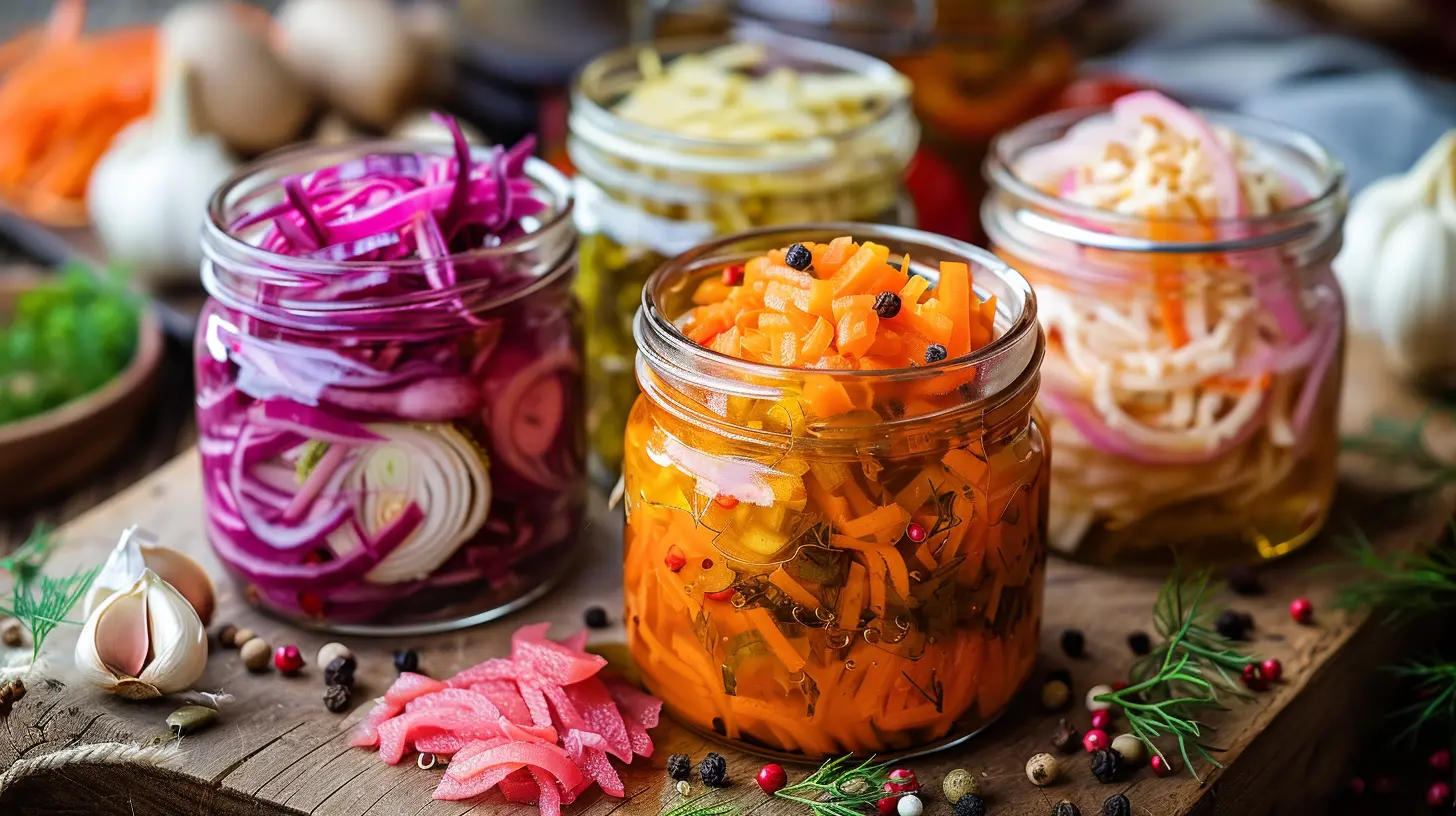
Why Gut Health and Immunity Go Hand-in-Hand
Let’s talk about your gut—specifically, the trillions of bacteria that call it home. It’s often referred to as the “second brain” or your internal ecosystem. Here’s the kicker: Around 70% to 80% of your immune system is actually housed in your gut.When your gut's in balance (meaning it has more good bacteria than bad), your immune defenses rise. But when things are off—maybe you’ve been on antibiotics, eating processed junk, or stressed out—your immune system can take a hit too.
That’s where fermented foods come in. They’re rich in probiotics, which are those helpful little bacteria that can replenish and support your gut microbiome. Think of them as reinforcements for your gut army.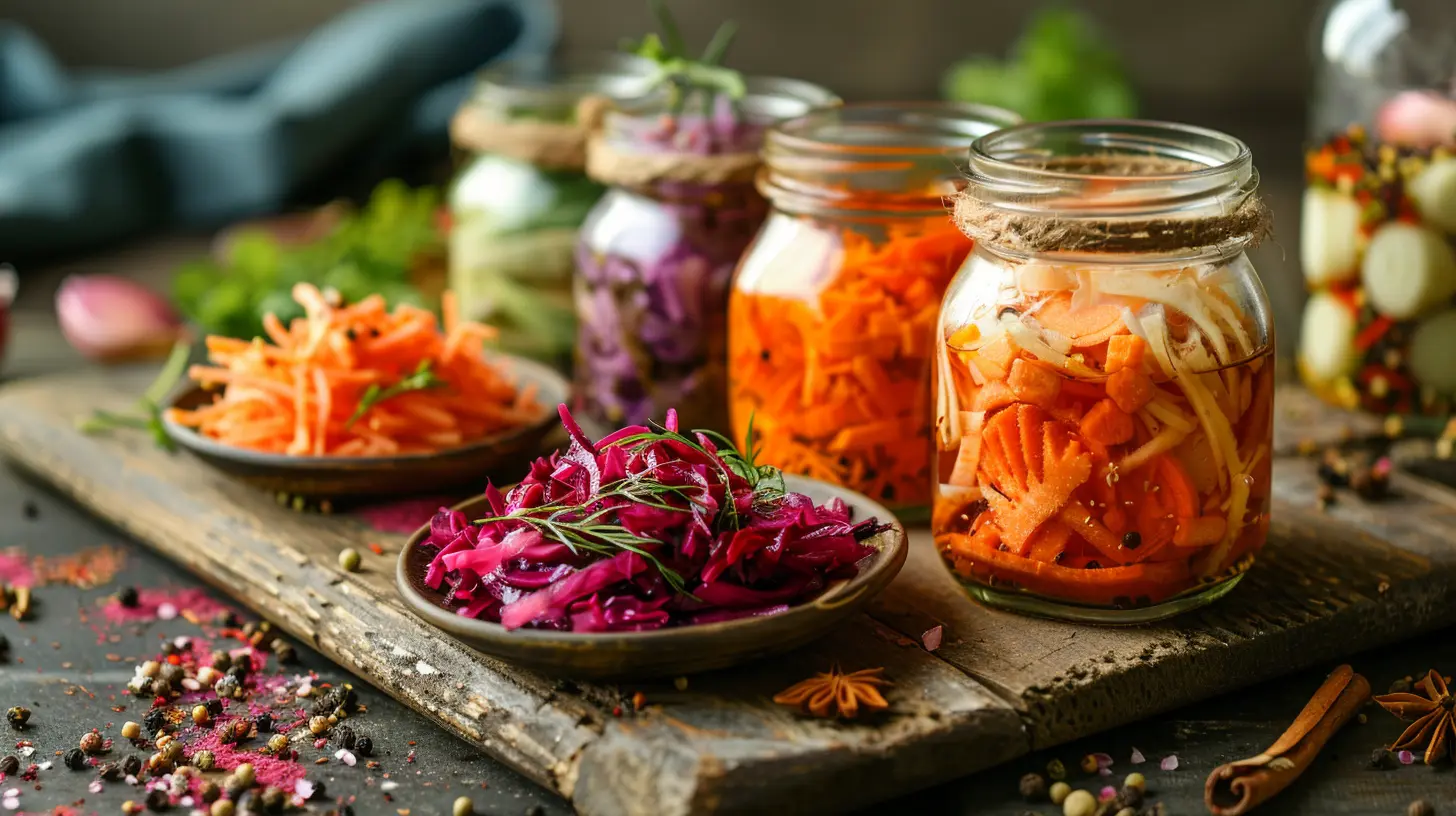
Top Immune-Boosting Benefits of Fermented Foods
Let’s break it down. Here's how munching on fermented foods can give your immune health a real edge.1. They Rebuild and Fuel Your Gut Microbiome
Fermented foods are packed with live probiotics. These good bacteria populate your gut and help maintain the balance of your microbiome. The more diverse your gut flora, the better your body is at defending against harmful pathogens.Imagine your gut microbiome as a garden. Probiotics are like nutrient-rich compost—they help plants (good bacteria) thrive while keeping weeds (bad bacteria) in check.
2. They Enhance Nutrient Absorption
It’s not just what you eat—it’s what your body can absorb that counts. Fermentation breaks down nutrients into more bioavailable forms. That means your body gets maximum benefit from vitamins and minerals like B vitamins, calcium, magnesium, and zinc—all of which are critical for immune function.For example, fermented dairy like yogurt or kefir makes it easier for people (especially those sensitive to lactose) to absorb calcium and probiotics at the same time.
3. They Produce Natural Immune-Supporting Compounds
During fermentation, certain byproducts are created that directly support the immune response. One standout? Short-chain fatty acids (SCFAs). These help reduce inflammation in the gut and improve the gut lining’s integrity. A strong gut barrier means fewer toxins and pathogens slip into your bloodstream.Another plus? Some fermented foods are rich in antimicrobial peptides—natural compounds that can fight off harmful bacteria.
4. They Can Reduce Chronic Inflammation
Chronic, low-grade inflammation is at the root of many modern diseases—and a weakened immune system. Fermented foods help dial down inflammation by promoting a healthy gut barrier and supplying anti-inflammatory microbes.Kimchi, for instance, doesn’t just spice up your plate—it contains compounds that actively reduce inflammation markers in the body.
5. They Help Regulate Immunity, Not Just Boost It
Sometimes, the immune system needs more than just a booster—it needs balance. Overactive immune responses can lead to problems like autoimmune diseases. Probiotics found in fermented foods help your immune system stay smart. They train it to react appropriately—kicking into high gear when there’s a threat and calming down when there isn’t.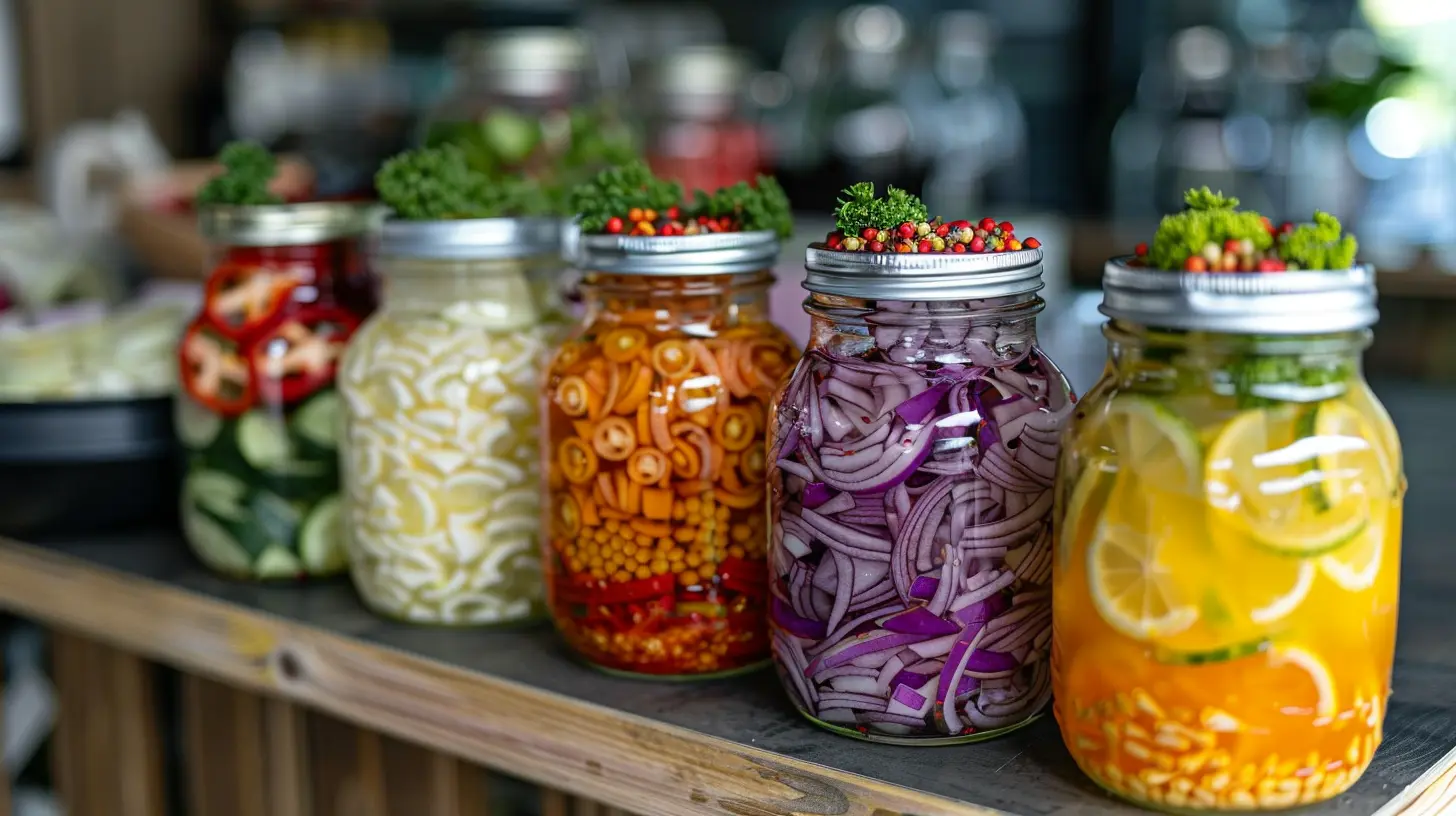
Popular Fermented Foods and Their Specific Immune Benefits
So, which fermented foods are worth adding to your daily routine? Here’s a quick round-up of the immunity all-stars:? Yogurt
High in Lactobacillus strains, yogurt supports gut flora, enhances white blood cell activity, and can even reduce the risk of upper respiratory infections.?️ Kimchi
Loaded with vitamins A, B, and C, plus lactic acid bacteria, kimchi offers both immune and antibacterial benefits. It’s like a flavorful flu fighter on your fork!✨ Kombucha
This fizzy tea not only satisfies that soda craving but also brings antioxidants and probiotics to the table, supporting liver detoxification and gut health.? Sauerkraut
Cabbage is already nutritious, but when fermented, it becomes a probiotic-rich food that supports digestion and vitamin C absorption—both crucial for staying healthy.? Miso
A staple in Japanese cuisine, miso is fermented soybean paste. It’s rich in nutrients and has been linked to reduced inflammation and better immune markers.? Tempeh
Fermented soy loaded with plant-based protein and probiotics. It also contains isoflavones, which have antioxidant properties that combat oxidative stress.Best Practices for Adding Fermented Foods to Your Diet
Okay, so you're ready to try? Awesome. But don’t go all-in overnight. Your gut might need some time to adjust. Here's how to ease in and make the most out of it:- Start small: A few spoonfuls of sauerkraut or half a cup of yogurt per day is a great beginning.
- Read labels: Choose fermented products with live and active cultures. Avoid those with tons of added sugar or preservatives.
- Rotate: Don’t stick to just one type. Mix it up to introduce different strains of probiotics.
- Pair with prebiotics: Prebiotics are the “food” for your probiotics. Foods like garlic, onions, bananas, and oats help your good bacteria thrive.
- Stay consistent: Just like exercise, you’ll get better results with regular consumption.
Fermented Foods vs. Probiotic Supplements
You might be wondering, “Why not just take a probiotic pill?” Good question.While supplements can be helpful (especially in certain medical situations), fermented foods offer a broader range of microbial diversity, plus added nutrients and enzymes. They’re more than just bacteria—they’re complete nutritional packages.
Eating fermented foods is kind of like listening to a live concert instead of the studio version: You’re getting the full, raw, authentic experience.
Who Should Be Careful with Fermented Foods?
For most people, fermented foods are totally safe. But if you:- Have a histamine intolerance
- Are immunocompromised
- Have digestive disorders like SIBO (small intestine bacterial overgrowth)
...then chat with your healthcare provider before loading up on kombucha and kimchi.
Also, if you’re new to fermented foods, start slow. A sudden introduction can cause gas, bloating, or digestive discomfort. Let your gut adapt gradually.
Conclusion: Fermented Foods Are Nature’s Immune Booster
Your immune system is your body’s first line of defense. And supporting it doesn't require high-tech supplements or complicated routines. Sometimes, the secret lies in what humans have been doing for centuries—fermenting foods.So the next time someone offers you a jar of homemade sauerkraut or a glass of kefir, don’t wrinkle your nose. Your immune system might just throw you a thank-you party.
Eating fermented foods regularly isn’t just a trend—it’s a lifestyle shift that promotes better immunity, gut health, and overall well-being. Give it a try, your body (and belly) will thank you.
all images in this post were generated using AI tools
Category:
Healthy Immune SystemAuthor:

Jackson Mahoney
Discussion
rate this article
1 comments
Astralis Forbes
I never knew how powerful fermented foods could be for my health. This article inspired me to incorporate them into my diet.
August 2, 2026 at 2:28 PM