Immune System and Sleep: The Critical Connection
11 April 2026
Let’s be real — when life gets busy, sleep is usually the first thing we sacrifice. Late-night Netflix binges, endless scrolling through social media, or just trying to squeeze in more work — whatever the reason, most of us are guilty of cheating our sleep. But here’s the thing: your immune system is watching, and it’s not happy about it.
Turns out, the connection between sleep and the immune system isn’t just a small detail in the bigger picture of health. It’s the whole canvas. The quality and quantity of your sleep can make or break your body’s ability to fight off disease, recover from illness, and keep internal chaos at bay.
Ready to dig into why sleep is one of the unsung heroes of a strong immune system? Let's break it down.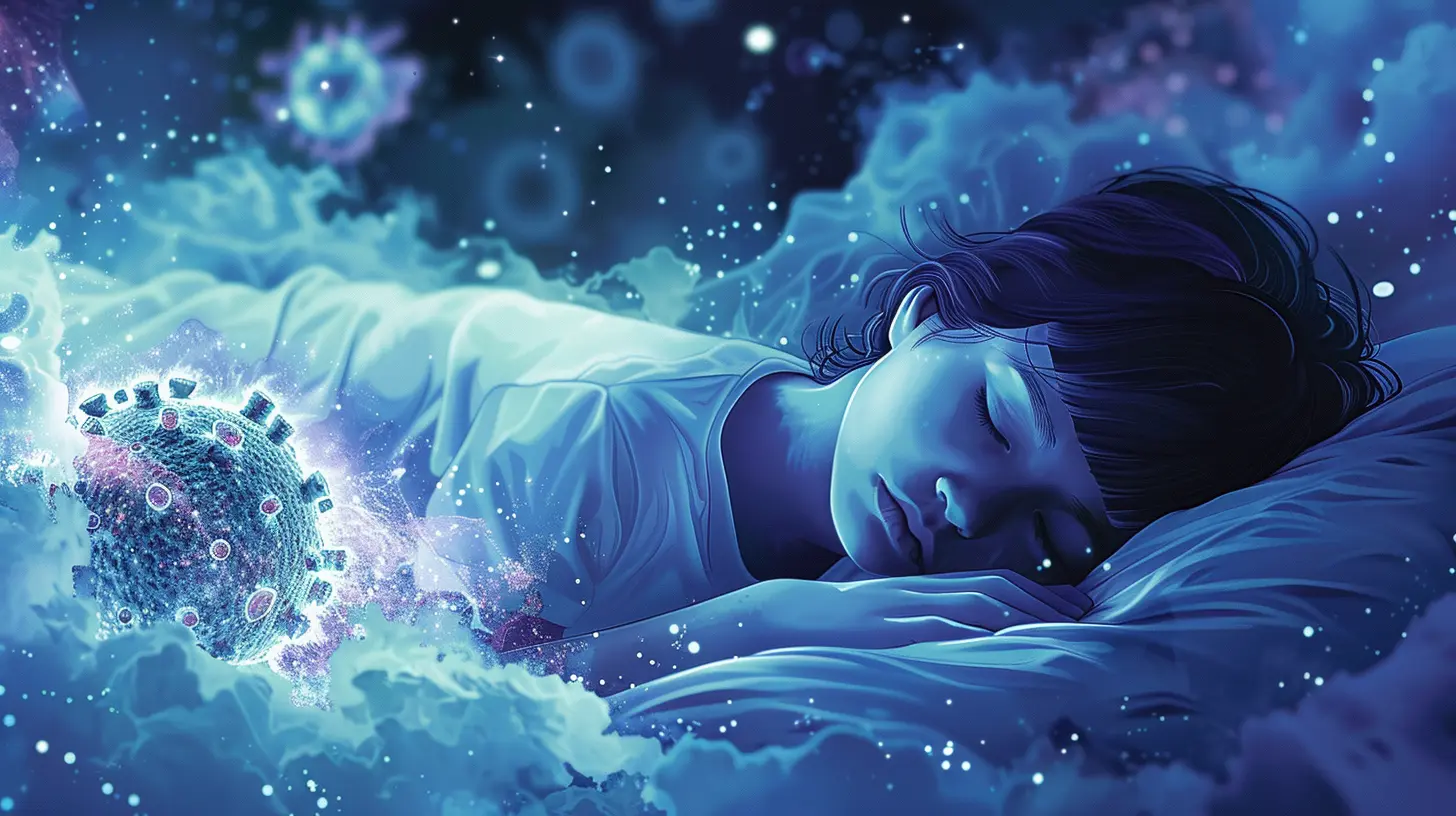
Why Sleep is More Than Just Rest
First, let's rethink sleep. It's not just a time when your body “shuts off.” In fact, it’s doing the opposite — repairing, recharging, and resetting.While you're snoozing, your body is hard at work:
- Producing cytokines (proteins that help regulate the immune response)
- Creating new immune cells
- Rebalancing hormones that influence immune strength
- Removing toxins from the brain
- Reducing inflammation
You might think of sleep as your body’s overnight maintenance team. And let’s be honest — if you skip maintenance long enough, even the strongest machine will wear down.
How Lack of Sleep Wrecks Your Immune System
So what exactly happens when you skimp on sleep?1. Fewer Infection-Fighting Warriors
During sleep, your body releases cytokines, a type of protein that targets infection and inflammation. Less sleep = fewer cytokines. That means your immune system is underprepared when viruses or bacteria show up at the party uninvited.Ever notice how you're more likely to catch a cold when you're running on fumes? Yep — there’s science behind that.
2. Vaccine Responses Get Weaker
Let’s talk vaccines. Did you know people who sleep well after getting a vaccination tend to develop a stronger immune response? Your body needs sleep to build memory — not just mental memory, but immune memory. If you’re sleep-deprived, your body doesn't “remember” how to fight off future infections as well.3. Inflammation Goes Through the Roof
Chronic sleep loss doesn’t just make you groggy — it lights a fire of inflammation in your body. And long-term inflammation isn’t just linked to colds or flu — it's tied to serious stuff like heart disease, diabetes, autoimmune conditions, and even cancer.Think of it like this: poor sleep is like adding fuel to a fire that should’ve been put out.
The Science of Sleep and Immunity
Let’s get a bit geeky (don’t worry, I’ll keep it simple).Your immune system has two main parts:
- Innate immunity: The first line of defense. It reacts quickly to invaders but lacks precision.
- Adaptive immunity: The smart arm of your defense. It learns and remembers specific pathogens for future fights.
Sleep supports both systems big time.
Research has shown that during deep (slow-wave) sleep, the communication between your immune system and brain kicks into high gear. This is when immune memory is built — kind of like saving a cheat code for fighting off the same virus next time.
Also, melatonin — the hormone that helps regulate sleep — has anti-inflammatory and antioxidant properties. So yeah, it’s doing double duty!
How Much Sleep Do You Really Need?
Simple answer? Most adults need between 7 to 9 hours per night.But let’s zoom in a bit:
- Teens: 8–10 hours
- Adults (18-64): 7–9 hours
- Older adults (65+): 7–8 hours
But it’s not just about how much sleep you get. It’s also about the quality of that sleep.
If you’re tossing and turning all night, or waking up feeling like you ran a marathon in your dreams, your sleep might not be restorative. And your immune system feels that, loud and clear.
Tips to Improve Sleep and Boost Immunity
Okay, now that we know how crucial sleep is, the big question is: how do we get better sleep?These aren’t just fluffy tips. They’re science-backed and immune-system-approved.
1. Create a Sleep-Friendly Environment
Think cool, dark, and quiet. Your bedroom should feel like a cave — but the cozy kind.Use blackout curtains, white noise machines, and keep the temperature around 60–67°F (15–19°C). Your body sleeps better in slightly cooler temps.
2. Stick to a Schedule
Aim to go to bed and wake up at the same time every day — yes, even on weekends. Your internal clock loves consistency.3. Power Down Before Bed
Blue light from phones, tablets, and TVs messes with melatonin production. Try cutting off screen time an hour before bed.Instead? Read a book, do some light stretching, or journal your thoughts. It’s like giving your brain an easy landing.
4. Watch What (and When) You Eat
Big meals or caffeine right before bed can sabotage your sleep. Try to finish eating at least 2–3 hours before hitting the pillow. And go easy on the caffeine after 2 p.m.5. Move Your Body
Exercise during the day (not too close to bedtime) helps your body naturally wind down at night. Plus, moving your body boosts both your mood and your immune function. Win-win!Special Note: Sleep and Autoimmune Conditions
If you live with an autoimmune disease, sleep isn’t just important — it’s mission-critical.Autoimmune conditions like lupus, rheumatoid arthritis, and multiple sclerosis involve an overactive immune system that attacks the body’s own tissues. And guess what? Poor sleep makes it worse.
Lack of sleep can heighten immune system confusion, increasing flare-ups and worsening symptoms. On the flip side, consistent, quality sleep often means fewer (and less intense) flare-ups.
So if you’re living with an autoimmune disorder, think of sleep as part of your treatment plan — not just a lifestyle choice.
The Immune-Sleep Feedback Loop
This is important: sleep and your immune system don’t just influence each other — they work in a loop.- Sleep helps your immune system fight off illness.
- When you’re sick, your immune system makes you sleepy so your body can heal.
- If you ignore sleep, your immune function weakens.
- Weakened immunity makes you more likely to get sick again.
It’s like a two-way street with a lot of traffic. If either side gets blocked, the whole system jams up.
Shift Work, Night Owls, and Sleep Challenges
What if your lifestyle doesn’t exactly allow for ideal sleep? You’re not alone.Shift workers, parents of young kids, night owls, and people with insomnia often struggle to get enough quality sleep. Here are a few power tips if you fall into that camp:
- Use blackout curtains even during the day.
- Try short naps (20–30 minutes) to supplement lost sleep.
- Use melatonin only under guidance to reset your body clock.
- Avoid alcohol and sleeping pills — they disrupt natural sleep cycles.
- Engage in calming rituals to cue your body that it’s time for rest.
Final Thoughts: Sleep as Immune Insurance
We always think of boosting immunity in terms of supplements, superfoods, and workouts. But truthfully? None of that matters if you don’t get enough sleep.Think of sleep as your body’s nightly reboot. It’s when your immune system recalibrates, arms itself, and prepares for battle. Without it, even the best health habits can fall flat.
So the next time you’re tempted to stay up late finishing that one last episode or replying to one more email, ask yourself — is it worth the immune hit?
Because when it comes to your health, sleep isn't a luxury. It’s your foundation.
all images in this post were generated using AI tools
Category:
Healthy Immune SystemAuthor:

Jackson Mahoney
Discussion
rate this article
2 comments
Troy O'Brien
Sleep: the immune system's secret ninja – fighting germs while you snooze!
April 20, 2026 at 3:50 PM
Jackson Mahoney
Absolutely! Sleep plays a crucial role in boosting our immune response. It's amazing how our bodies work while we rest.
Rosalind McGovern
Great insights! Prioritizing sleep truly boosts our immune health. Thank you for sharing!
April 17, 2026 at 2:30 AM
Jackson Mahoney
Thank you! I’m glad you found the insights helpful. Sleep is indeed vital for a strong immune system!