Immunity Boost Strategies Gaining Momentum by 2026
6 September 2026
The conversation around immunity has shifted dramatically over the last few years. What once was a vague concept tied to vitamin C tablets and chicken soup has become a data-driven, deeply personalized field of health optimization. By 2026, the strategies gaining real traction are not about quick fixes or miracle supplements. They are about understanding the immune system as a complex, dynamic network that responds to how we sleep, move, eat, think, and even how we time our daily activities.
This article is not a list of trendy potions. It is an expert breakdown of the protocols, habits, and interventions that are actually moving the needle, backed by physiological reasoning, practical application, and a clear-eyed look at what works, what is overhyped, and what might be a waste of your money.
The Shift from Reactive Support to Proactive Resilience
For decades, the average person approached immunity reactively. You felt a tickle in your throat, so you doubled up on zinc. You heard about a flu outbreak, so you started taking elderberry syrup. The new paradigm, however, is about building a baseline of resilience that functions regardless of what pathogen is circulating.This shift is driven by a better understanding of immune tolerance and immune training. The goal is not to have an immune system that is always "on high alert," which leads to chronic inflammation and autoimmunity. The goal is to have an immune system that responds quickly and appropriately to a genuine threat, then returns to a calm, surveillance state.
By 2026, the most effective strategies are those that modulate the system, not just stimulate it. This is a critical distinction. Many older supplements were designed to "boost" activity non-specifically. That approach is flawed. A constantly stimulated immune system is like a car engine that is always revving; it burns out faster and causes damage. The new strategies focus on training the system to recognize threats faster and resolve inflammation more efficiently.
Chrono-Immunology: Timing Your Defenses
One of the most fascinating developments gaining momentum is chrono-immunology, the study of how our circadian rhythm governs immune function. Your immune system does not operate at the same intensity 24 hours a day. It has a schedule.Why Your Sleep Schedule Is Your First Line of Defense
During deep sleep, your body releases growth hormone and decreases cortisol, which allows for the proliferation of immune cells that target infected or malignant cells. More importantly, sleep is when your body produces and releases cytokines, specifically pro-inflammatory cytokines that help fight off infection. If you are sleep-deprived, this production is blunted.The practical advice here is not just "get eight hours." It is about consistency. Going to bed and waking up at the same time every day, including weekends, trains your suprachiasmatic nucleus (your internal clock) to anticipate stress. When your clock is stable, your immune cells know when to patrol and when to repair.
By 2026, the trend is moving toward "sleep banking" before known stressors, like travel or major work deadlines. This means deliberately extending your sleep by 30 to 60 minutes for several nights before a high-stress event. This is not a luxury; it is a physiological buffer that improves vaccine response and reduces the severity of viral infections.
The Cortisol Awakening Response and Morning Light
Another emerging tactic is managing the cortisol awakening response. Cortisol naturally spikes in the first 30 minutes after waking. This spike is anti-inflammatory and helps prime immune cells for the day. However, if you wake up to an alarm and immediately check your phone, you are adding a layer of psychological stress to this natural spike, which can dysregulate the response.The strategy gaining traction is simple: get bright light exposure within 15 minutes of waking. This does not just help with alertness; it sets the phase of your circadian clock, ensuring that cortisol peaks and falls at the right time. This prevents the "evening cortisol slump" that leads to late-night cravings and poor sleep, which indirectly weakens immune surveillance.
Metabolic Immunity: The Glucose Connection
We have known for years that high blood sugar impairs immune function. What is new is how aggressively the wellness community is targeting glucose variability, not just average blood sugar. The immune cells, particularly macrophages and T-cells, rely on glucose for energy to perform their functions. However, when glucose spikes and crashes, it creates oxidative stress that damages these cells.The Continuous Glucose Monitor (CGM) for Non-Diabetics
The use of Continuous Glucose Monitors by people without diabetes is one of the biggest trends heading into 2026. The data from these devices is revealing that many "healthy" foods cause massive glucose spikes that blunt immune efficiency for hours.The logic is straightforward: if you eat a high-carb breakfast and your glucose spikes to 160 mg/dL, your neutrophils (the first responders) become less effective at phagocytosis, which is the process of engulfing and destroying pathogens. They essentially become sluggish.
The strategy is not necessarily low-carb eating. It is about order and composition. Eating fiber, fat, or protein before carbohydrates significantly flattens the glucose curve. This is often called the "veggie starter" approach. By sequencing your meal to prevent a spike, you maintain the metabolic flexibility needed for immune cells to switch fuel sources efficiently.
The Danger of Overtraining
On the flip side, metabolic immunity also involves not starving your immune system. Overtraining without adequate carbohydrate intake leads to a state of low glycogen, which elevates cortisol and adrenaline. This creates an immunosuppressive environment. The "train fasted" trend is dangerous for immunity if done too frequently.The best practice for 2026 is periodization. You cannot train intensely every day and expect a robust immune system. You need to cycle high-intensity days with low-intensity movement and rest. If you are feeling run down, a brisk walk is better than a HIIT session. Walking supports lymphatic circulation without the catabolic stress that breaks down muscle and suppresses immune markers.
The Microbiome-Immune Axis: Beyond Probiotics
The gut microbiome is no longer a fringe topic; it is central to immunity. But the conversation has moved past simply taking a probiotic pill. The new focus is on microbial diversity and the metabolites those microbes produce, specifically short-chain fatty acids (SCFAs) like butyrate.Butyrate: The Master Regulator
Butyrate is produced when gut bacteria ferment dietary fiber. It is the primary fuel for colonocytes (cells lining the colon) and, critically, it regulates the differentiation of T-regulatory cells. These are the cells that keep the immune response from attacking your own body. Low butyrate levels are linked to increased allergic responses and autoimmune conditions.The strategy for 2026 is not just "eat more yogurt." It is about feeding the existing bacteria what they need to produce butyrate. This means eating resistant starch (cooled potatoes, green bananas, oats) and a variety of plant fibers. The goal is to consume 30 to 40 different types of plant foods per week. This is a high bar, but it is the most effective way to ensure microbial diversity.
The Overlooked Role of Polyphenols
Polyphenols are plant compounds that are poorly absorbed in the small intestine. They travel to the colon, where gut bacteria metabolize them into anti-inflammatory compounds. Foods like berries, dark chocolate, olive oil, and green tea are rich in these.The mistake many people make is consuming polyphenol-rich foods at the same time as dairy. Casein in milk can bind to polyphenols, reducing their availability to the gut bacteria. If you are serious about this, separate your green tea from your breakfast yogurt by at least an hour. This is a small tweak with a significant impact on the anti-inflammatory potential of your diet.
Nutritional Strategies That Are Actually Evolving
The supplement industry is full of noise. However, certain nutritional strategies are gaining momentum because they address specific gaps in the modern diet, not because they are magical.The Return of Vitamin D with a Partner
Vitamin D is well-known, but the nuance for 2026 is the co-factors. Vitamin D is fat-soluble and requires magnesium and vitamin K2 to be utilized properly. Taking high doses of vitamin D without magnesium can lead to calcium deposition in soft tissues and does not effectively raise active vitamin D levels.The best practice is to get a blood test to see your 25-hydroxyvitamin D level. Aim for a level between 40 and 60 ng/mL, not just the "normal" range of 30. If you are deficient, you need a loading dose under medical supervision, not a daily maintenance dose. The momentum is shifting toward testing and targeted repletion rather than blanket supplementation.
Zinc: The Dosage and Duration Problem
Zinc lozenges are popular for colds, but the science is specific. Zinc works by binding to the viral capsid in the throat, preventing replication. This only works if the zinc is in the mouth and throat, not swallowed. high-dose zinc (over 75 mg per day) for more than a week can cause copper deficiency, which leads to anemia and impaired immune function.The 2026 strategy is short-term, high-frequency lozenges (every 2-3 hours) at the first sign of a scratchy throat, for a maximum of 3 to 5 days. Do not use zinc nasal gels; they have been linked to permanent loss of smell. This is a case where more is definitely not better.
The Rise of Selenium and Viral Defense
Selenium is often overlooked, but it is crucial for the production of selenoproteins, which are involved in antioxidant defense and thyroid function. More importantly, selenium deficiency allows certain viruses to mutate more rapidly and become more virulent. This was observed with Coxsackievirus and is a theoretical concern with influenza.The best source is Brazil nuts. Eating just two to three Brazil nuts per day provides the recommended daily allowance of 55 micrograms. Do not eat a whole bag; selenium toxicity can cause garlic breath, hair loss, and brittle nails. This is a precise, food-first strategy that is gaining traction for its simplicity and effectiveness.
Mind-Body Interventions: The Nervous System Link
The link between stress and immunity is not psychosomatic; it is physiological. The sympathetic nervous system (fight or flight) releases norepinephrine, which can suppress the activity of natural killer cells. The parasympathetic nervous system (rest and digest) does the opposite.Breathwork as a Vaccine Adjuvant
This sounds strange, but there is emerging evidence that slow, deep breathing techniques can influence the immune response to vaccines. When you breathe slowly at a rate of about 6 breaths per minute, you increase heart rate variability and stimulate the vagus nerve. This vagal tone is associated with reduced inflammation and improved antibody response.The practical application is to perform 10 minutes of box breathing (inhale for 4, hold for 4, exhale for 4, hold for 4) immediately before and after receiving a vaccine. This is a low-cost, zero-risk intervention that may improve the efficacy of the shot. It is also useful during the actual cold and flu season to prevent the stress-induced dip in immunity that often follows a stressful week.
Cold Exposure: The Nuance of Hormesis
Cold plunges are everywhere, but the immune benefits are often misunderstood. Cold exposure is a form of hormesis, a mild stressor that triggers an adaptive response. It increases the production of norepinephrine and beta-endorphins, which can transiently increase the number of immune cells in the blood.However, the timing matters. Doing a cold plunge immediately after a workout blunts the muscle-building response. More importantly, if you are already sick, cold exposure is a bad idea. It adds stress to an already stressed system.
The best protocol is to do cold exposure in the morning, separate from your workout, and only when you are healthy. Start with 30 seconds of cold water at the end of a shower, not a full plunge. The goal is to feel a shock but not to shiver uncontrollably for minutes afterward. Shivering is a sign you have gone too far, and it releases cortisol, which is counterproductive.
Common Misconceptions and Mistakes to Avoid
There is a lot of bad advice circulating. Here are the most common mistakes people make when trying to boost their immunity.Mistake 1: The "More is Better" Supplementation Fallacy
Taking 1000 mg of vitamin C, 50 mg of zinc, and 5000 IU of vitamin D every day is not a strategy; it is a gamble. Fat-soluble vitamins like A, D, and E can accumulate to toxic levels. Water-soluble vitamins like C are excreted, but high doses can cause kidney stones and gastrointestinal distress.The immune system is a balance. Over-supplementing can actually cause a cytokine storm, an excessive inflammatory response that damages tissue. More is not better. More is just more expensive urine and potential organ stress.
Mistake 2: Ignoring the Nasal Mucosa
Most respiratory pathogens enter through the nose. The nasal mucosa is a first-line defense, producing antimicrobial peptides and trapping pathogens in mucus. Many people focus on gut health but neglect the nasal passages.The strategy gaining momentum is nasal hygiene. Using a saline rinse or a simple nasal spray with xylitol can help maintain moisture and clear out viral particles. In dry environments, the nasal mucosa dries out and cracks, creating an entry point for viruses. Keeping the nasal passages moist, especially during winter or on airplanes, is a simple and effective defense that is often overlooked.
Mistake 3: The "Detox" Myth
You cannot "detox" your immune system with a juice cleanse. Your liver and kidneys do that. What you can do is support the liver's detoxification pathways by eating cruciferous vegetables and staying hydrated. However, aggressive fasting or juicing can deprive your body of the protein and calories needed to produce antibodies and immune cells.If you are feeling unwell, the last thing you need is a caloric deficit. You need energy to mount a fever and produce white blood cells. The "fast to kill the infection" advice is dangerous and not supported by evidence for acute viral infections.
Real-World Application: Building Your 2026 Protocol
So, what does a comprehensive immunity strategy look like in practice? It is not a single pill. It is a daily pattern of behavior.Morning Routine
Wake up at the same time. Get outside for 10 minutes of sunlight. Do not look at your phone for the first 20 minutes. Eat a breakfast that prioritizes protein and fiber, not sugar. If you have coffee, drink it after breakfast to avoid a cortisol spike on an empty stomach.Midday
Take a walk after lunch. This helps with glucose disposal and lymphatic flow. If you are at a desk, stand up every hour. Sedentary behavior reduces blood flow and impairs immune cell circulation. Do not eat a large meal at your desk; this leads to poor digestion and a postprandial glucose spike.Evening
Stop eating at least three hours before bed. This allows your body to focus on repair and immune surveillance rather than digestion. Reduce bright light exposure two hours before bed. This preserves melatonin production, which is not just a sleep hormone; it is a potent antioxidant that supports immune function.Strategic Supplementation
Only supplement what you cannot get from food. For most people, this is Vitamin D in the winter and possibly magnesium. Get a blood test first. Do not guess. If you are an athlete, consider a high-quality omega-3 supplement to manage exercise-induced inflammation.The Role of Vaccines and Adaptive Immunity
No strategy is complete without addressing vaccines. The 2026 approach is to view vaccines as a scheduled training session for your immune system. The goal is to have a high baseline of antibodies before the season hits.The nuance here is timing. If you are chronically sleep-deprived or under severe stress, your vaccine response will be blunted. It is better to delay a vaccine by a week to ensure you are well-rested and hydrated. The immune system needs energy and protein to build a robust antibody response. Eating a high-protein meal before and after a vaccine is a practical step that is often ignored.
Conclusion: The Future is Personalized and Consistent
The immunity strategies gaining momentum by 2026 are not revolutionary in their components, but they are revolutionary in their integration. We are moving away from the idea of a magic bullet and toward the idea of a lifestyle that supports the immune system's natural rhythms.The most important takeaway is consistency. You cannot sleep well for one night and expect to be bulletproof. You cannot eat a salad once and expect your microbiome to change. The immune system is a reflection of your cumulative habits.
Start with the basics: stabilize your sleep schedule, manage your glucose spikes, eat a diverse range of plants, and do not overtrain. These are the pillars. Supplements and cold plunges are the fine-tuning. If you get the pillars right, the fine-tuning is just a bonus. If you get the pillars wrong, no supplement will save you.
The future of immunity is not about doing more. It is about doing the right things, at the right time, consistently. That is the strategy that will carry you through 2026 and beyond.
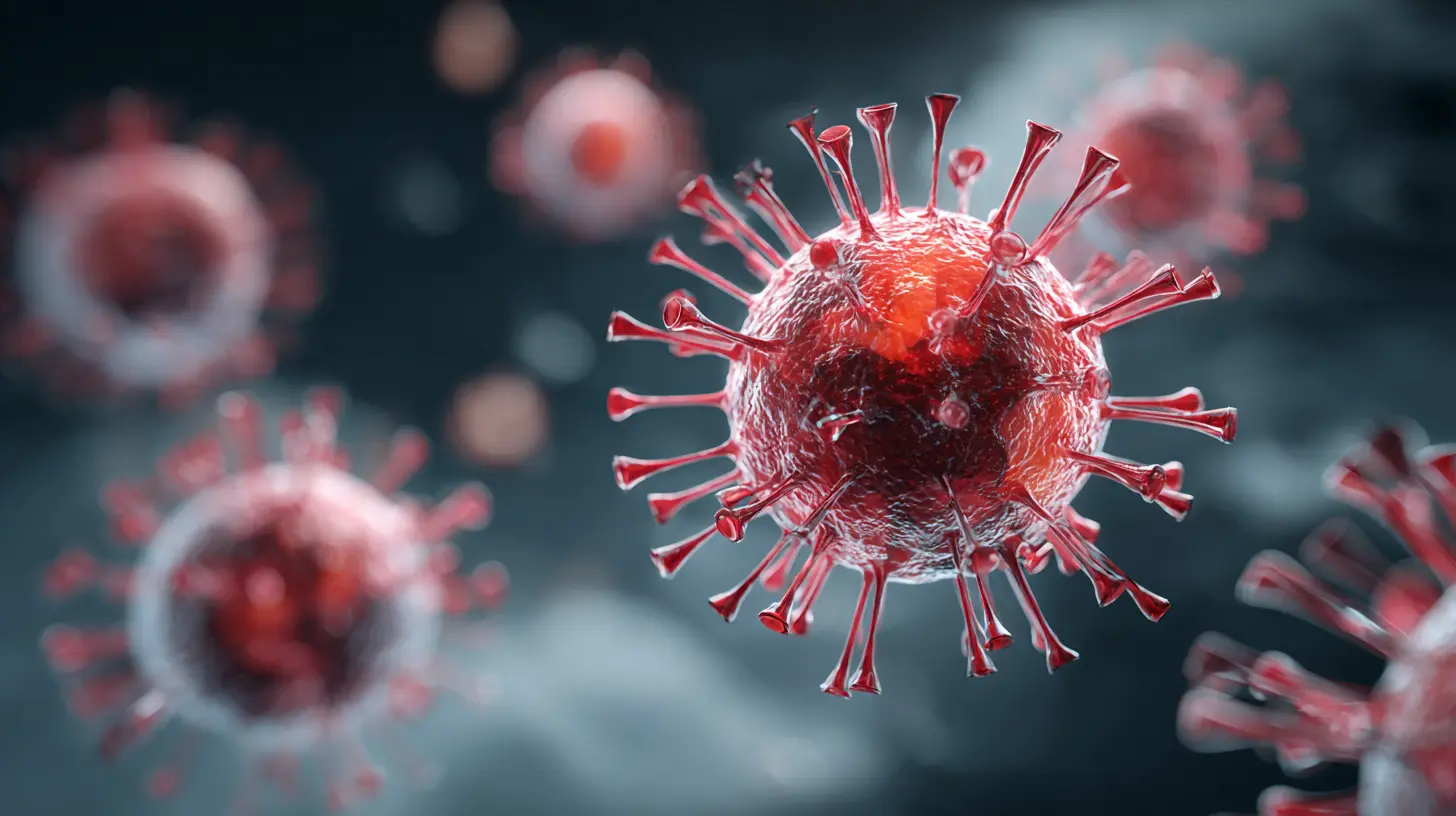
all images in this post were generated using AI tools
Category:
Health TrendsAuthor:

Jackson Mahoney
Discussion
rate this article
1 comments
Calaris Kline
Immunity is not just a buzzword; it's a necessity. As we head into 2026, the strategies to boost our defenses will redefine health culture. Don't wait for trends to catch on. Make proactive choices today. Your body deserves the strength to face whatever comes next. Embrace the change now!
September 8, 2026 at 4:19 PM