Lesser-Known Symptoms of Ovarian Cancer Every Woman Should Know
31 October 2025
Ovarian cancer is often called the "silent killer" because it rarely shows obvious symptoms in its early stages. By the time many women realize something is wrong, the disease has already taken hold. While bloating, pelvic pain, and frequent urination are well-known warning signs, there are other, more subtle symptoms that often go unnoticed.
In this article, we’re diving deep into those overlooked signals your body might be giving you. If something feels off, don’t ignore it. Your body speaks—you just need to listen.
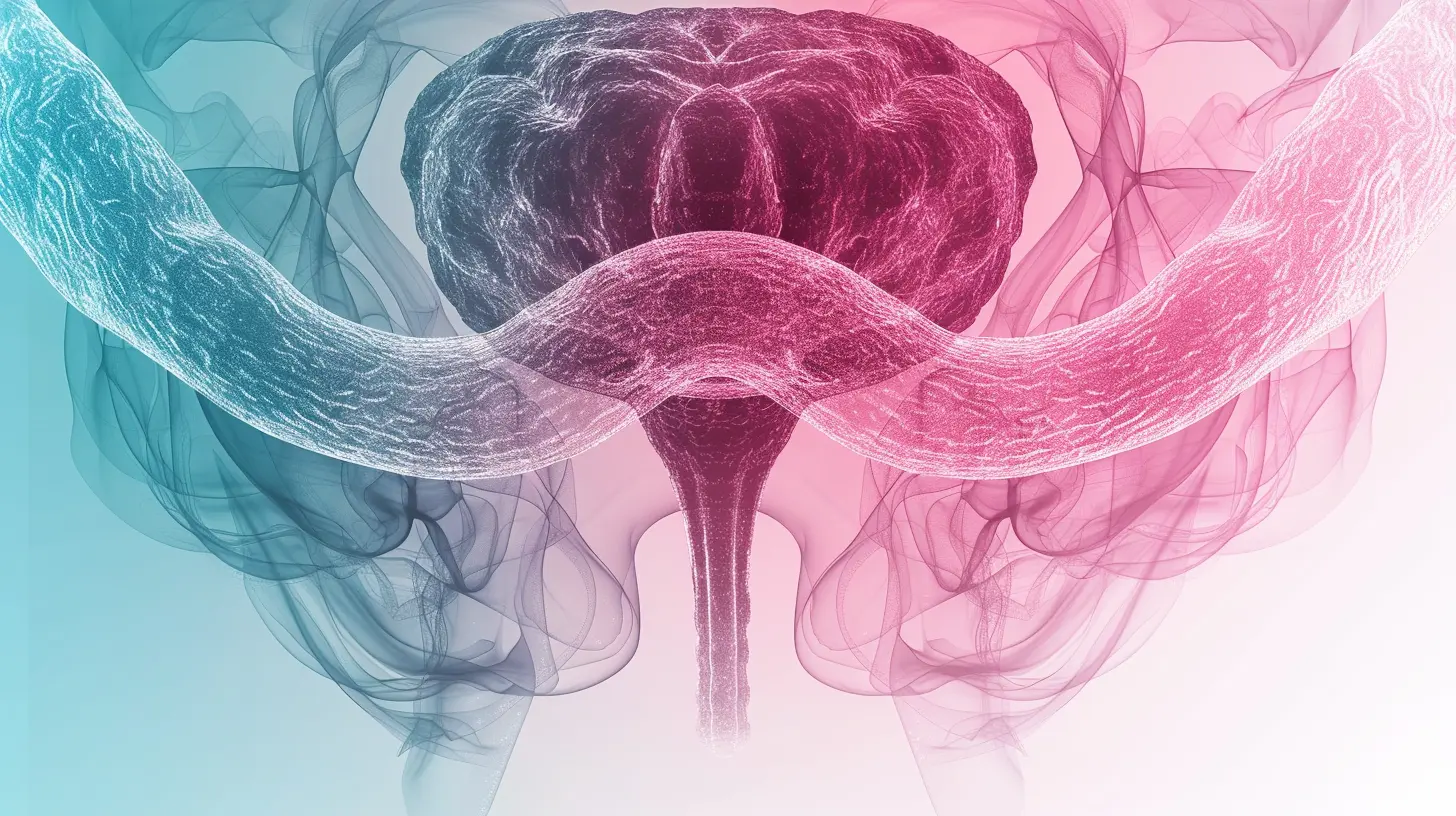
Why Is Ovarian Cancer So Hard to Detect?
Unlike some cancers, ovarian cancer lacks routine screening tests like a mammogram for breast cancer or a Pap test for cervical cancer. This makes it incredibly difficult to detect in its early stages. To make matters worse, the symptoms are often vague and easily mistaken for everyday issues like digestive problems, stress, or aging.The key to early detection? Being informed and recognizing subtle changes in your body.

The Lesser-Known Symptoms You Shouldn’t Ignore

1. Persistent Fatigue That Won’t Quit
Sure, life is exhausting. Between work, family, and everything in between, who isn’t tired? But ovarian cancer-related fatigue is different. It’s the kind that doesn’t improve with rest, lingers for weeks, and makes even the simplest tasks feel overwhelming.If you find yourself unusually drained without a clear reason, take notice. Constant fatigue can be a result of your body fighting something much bigger beneath the surface.
2. Unexplained Weight Loss or Gain
Dropping pounds without sweating it out at the gym might sound like a dream come true—until you realize it could be a warning sign. On the flip side, some women notice sudden weight gain or bloating that won’t go away.Ovarian cancer can cause fluid buildup in the abdomen (ascites), leading to unexplained weight gain and a distended stomach. If your weight fluctuates noticeably without any lifestyle changes, it's worth bringing up with your doctor.
3. Changes in Bowel Habits
Ovarian cancer doesn’t just affect the reproductive system—it can mess with your digestion too. Many women report unexpected constipation, diarrhea, or sudden urges to go more often.If your bathroom habits have changed dramatically and persist beyond a few days, don't brush it off. The ovaries and digestive tract are closely linked, and disruptions could point to something serious.
4. Loss of Appetite or Feeling Full Too Quickly
Do you feel full after just a few bites, even though you used to have a healthy appetite? This isn’t just a random quirk—it could be one of the earliest signs of ovarian cancer.The tumor can press against the stomach, making you feel full faster than usual. If you're skipping meals not because you want to, but because you physically can't eat much, it’s time to pay attention.
5. Abnormal Menstrual Cycles or Postmenopausal Bleeding
Any changes in your period—whether it's heavier, lighter, or irregular—should never be ignored. And if you’re postmenopausal and notice any spotting or bleeding? That’s a red flag.Hormonal changes related to ovarian cancer can disrupt the menstrual cycle. If your period suddenly behaves differently and you can’t explain why, talk to your doctor.
6. Persistent Back Pain
Aching backs are common, especially if you sit all day or have poor posture. But when back pain appears out of nowhere, lingers, and doesn’t improve with rest or movement, it could be a warning sign.Ovarian cancer can put pressure on nerves in the lower back, leading to persistent discomfort. If you can’t link your pain to an injury or strain, don’t ignore it.
7. Pain During Intimacy
Pain during intercourse, also known as dyspareunia, shouldn’t be brushed off as “normal.” Sure, there can be other explanations like vaginal dryness or infections, but persistent pain could indicate ovarian cancer.Cancerous growths can press against reproductive organs, making intimacy uncomfortable or even unbearable. If something feels off, speak up—your health is too important to ignore.
8. Shortness of Breath
Believe it or not, ovarian cancer can even affect your breathing. When fluid builds up in the abdomen, it can put pressure on the diaphragm, making it harder to take deep breaths.If you find yourself winded after simple activities that never used to tire you out, don’t just attribute it to being “out of shape.” There could be a deeper reason behind it.
9. Frequent Urination or Feeling Like You Can’t Empty Your Bladder
Bladder changes are another sneaky symptom. Some women feel the urge to pee constantly, even when they’ve just gone. Others feel like their bladder never fully empties.Since ovarian cancer can press against the bladder, it might mimic the symptoms of a urinary tract infection (UTI) without actually being one. If antibiotics don’t help and the symptoms persist, it’s time to dig deeper.

When to See a Doctor
The tricky thing about ovarian cancer is that these symptoms don’t always mean cancer. They could be caused by something much less serious. But if any of these signs persist for more than two weeks, especially if they appear suddenly and without an obvious cause, don’t wait—schedule an appointment with your doctor.Listen to your body. If something feels wrong, trust your instincts. Early detection saves lives. Stay informed, stay aware, and most importantly—speak up for your health.
all images in this post were generated using AI tools
Category:
Womens HealthAuthor:

Jackson Mahoney
Discussion
rate this article
1 comments
Lanae Blair
Unseen signs often whisper danger. Explore the subtle, lesser-known symptoms of ovarian cancer—knowledge could save a life.
November 12, 2025 at 5:03 AM
Jackson Mahoney
Thank you for emphasizing the importance of awareness! Recognizing these subtle symptoms can indeed be crucial for early detection and better outcomes.