Meal Prep Made Easy for a More Balanced Week
12 November 2026
Meal prepping is an excellent way to ensure balanced meals throughout the week while saving time and reducing stress. By dedicating a little effort upfront, you can create a nutritious and varied menu that meets your dietary needs and preferences. This article will guide you through the ins and outs of meal prep, offering practical advice, best practices, and common pitfalls to avoid.
Understanding Meal Prep: What It Is and Why It Matters
What Is Meal Prep?
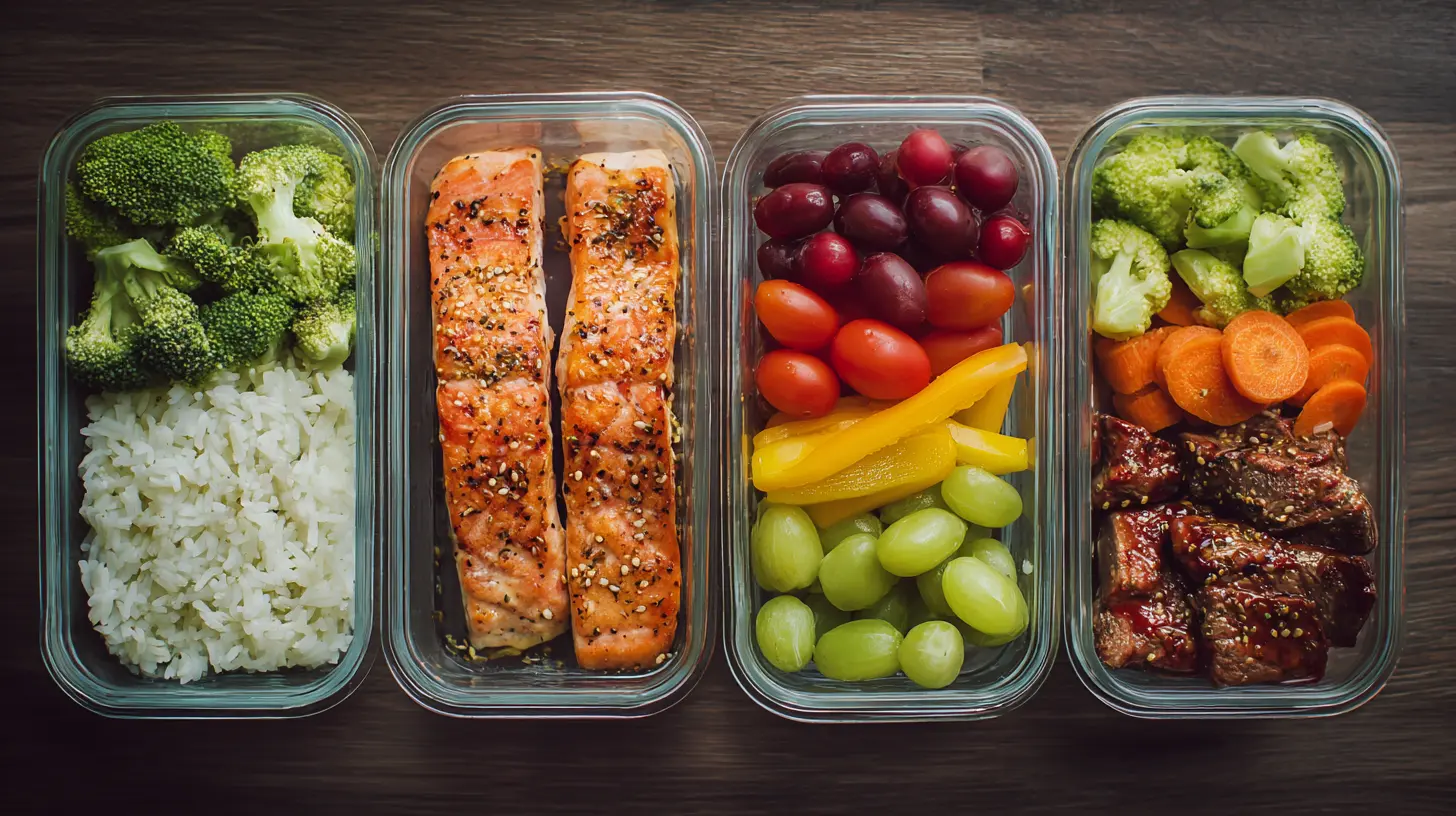
Meal prep refers to the process of preparing meals in advance. This can involve cooking entire meals that are portioned out for the week, preparing ingredients for quick assembly, or simply planning your meals so that you have everything you need on hand.Why Is Meal Prep Important?
1. Time Efficiency: By preparing meals in advance, you save time during the week. This can be particularly helpful for busy individuals or families who struggle to find time to cook daily.2. Cost-Effective: Planning meals can reduce food waste and save you money by allowing you to buy ingredients in bulk and use them effectively.
3. Healthier Choices: When you meal prep, you have better control over your ingredients and portion sizes. This can lead to healthier eating habits.
4. Stress Reduction: Having meals ready to go can alleviate the daily stress of deciding what to eat or rushing to cook after a long day.
Getting Started with Meal Prep
Assess Your Needs and Goals
Before diving into meal prep, take some time to assess your dietary needs, preferences, and goals. Consider the following questions:- Are you cooking for just yourself or for a family?
- Do you have any dietary restrictions or preferences, such as vegetarian, gluten-free, or low-carb?
- What is your cooking skill level?
Understanding these factors will help guide your meal prep strategy.
Choose Your Meal Prep Style
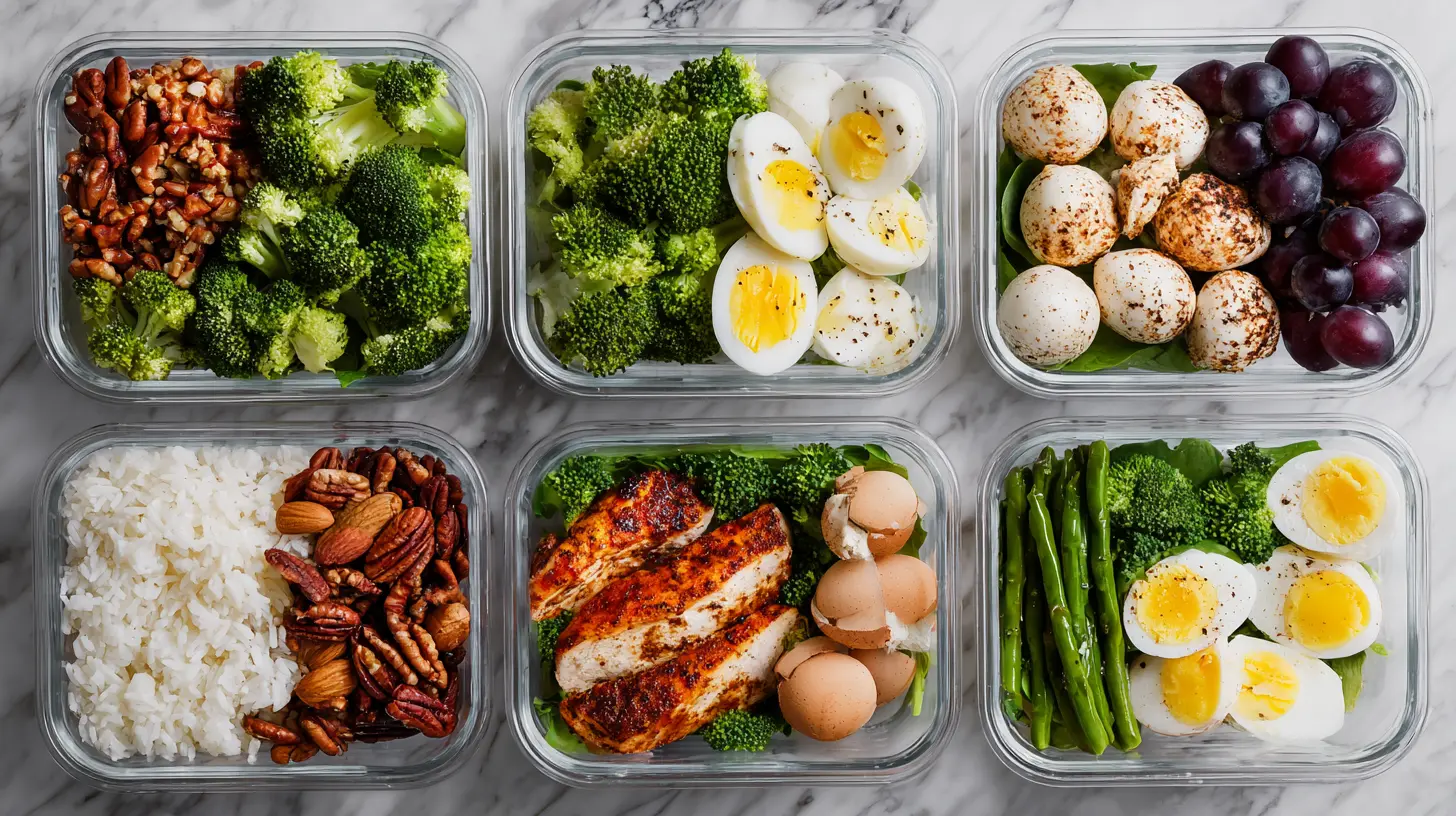
There are several approaches to meal prep. Here are three common styles:1. Batch Cooking: Preparing large quantities of one or two meals that can be eaten multiple times throughout the week. This is ideal for individuals or families who enjoy repetitive meals.
2. Ingredient Prep: Chopping, cooking, or marinating ingredients that can be mixed and matched throughout the week for different meals. This style allows for variety and flexibility.
3. Portioning: Cooking meals in advance and dividing them into individual portions, ready for quick reheating. This is especially useful for those with busy schedules.
Each approach has its advantages and can be tailored to fit your lifestyle.
Planning Your Meals
Create a Weekly Menu
Having a structured meal plan is a cornerstone of effective meal prep. Here's how to create a menu that works for you:1. Choose a Theme for Each Day: This can be anything from "Meatless Monday" to "Taco Tuesday." Themes can simplify your planning and help you incorporate a variety of foods.
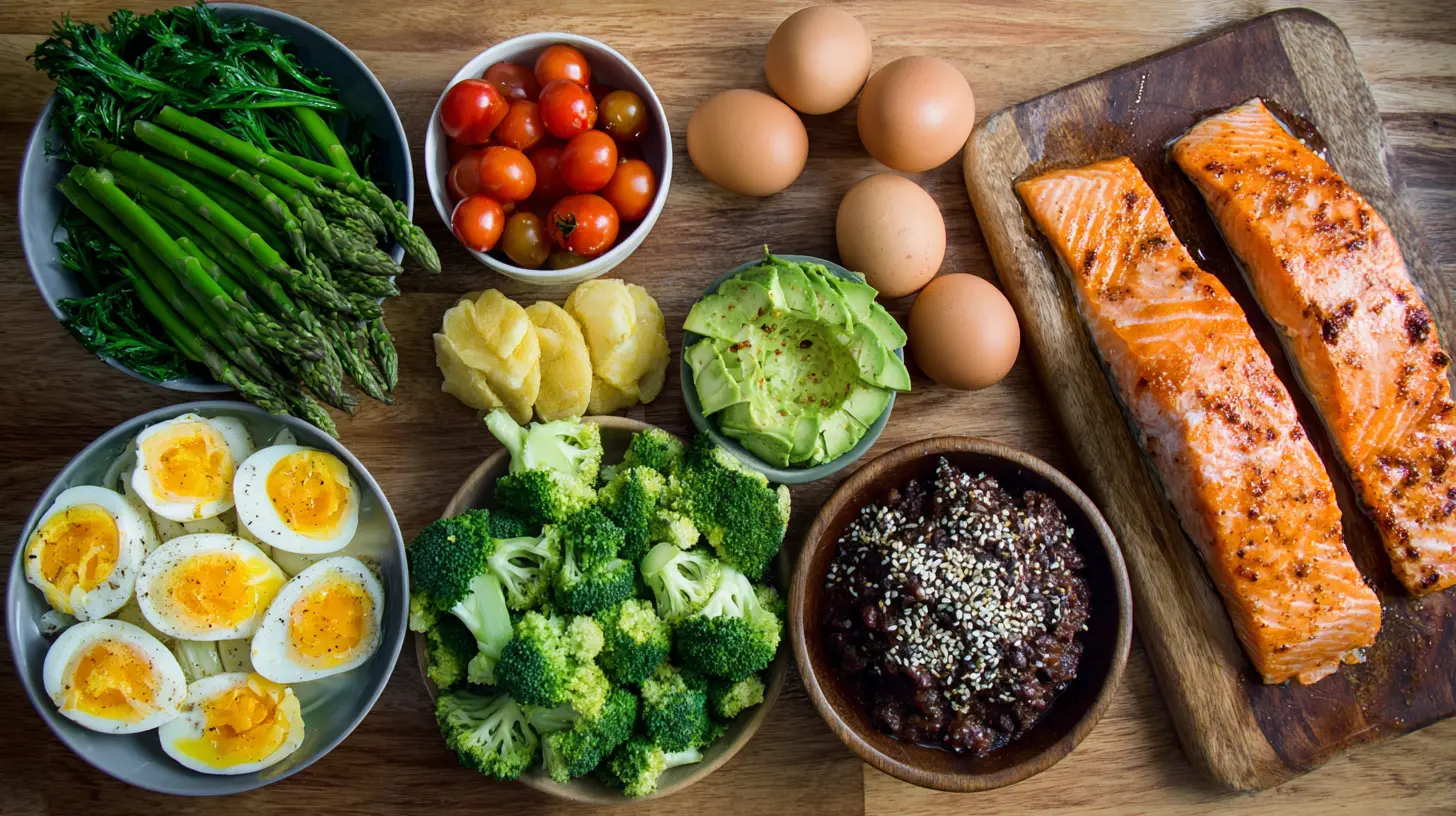
2. Balance Your Meals: Aim for a good mix of proteins, healthy fats, vegetables, and whole grains. Ensure that each meal contains a source of protein, fiber, and healthy carbohydrates.
3. Keep It Simple: Start with a few easy recipes that you enjoy. As you gain confidence, you can experiment with more complex dishes.
Incorporate Seasonal Ingredients
Using seasonal produce not only enhances the flavor of your meals but can also be more budget-friendly. Seasonal fruits and vegetables are often fresher and more nutritious. Check local farmer's markets or grocery store flyers for seasonal deals.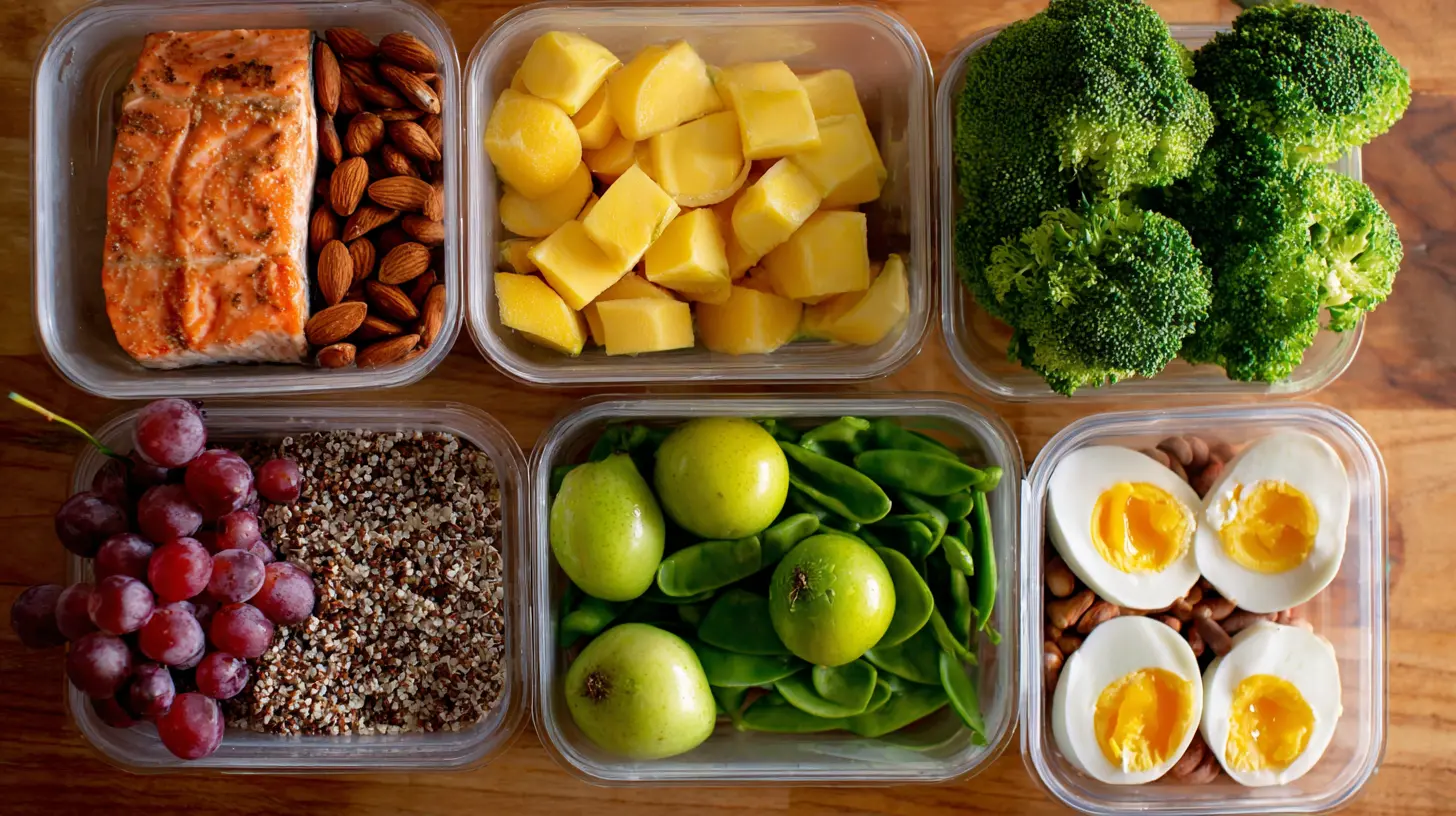
Shopping for Meal Prep
Make a Grocery List
Once you have your menu, make a detailed grocery list. This will help you avoid impulse buys and ensure you have everything you need. Organize your list by category (produce, dairy, grains, etc.) for a more efficient shopping trip.Consider Bulk Purchases
Buying in bulk can save money and ensure that you always have staple ingredients on hand. However, be mindful of expiration dates and storage capabilities. For instance, grains and dried legumes can be stored long-term, while fresh produce may require careful planning.Preparing Your Meals
The Right Tools for the Job
Having the right kitchen tools can make meal prep much easier. Here are some essentials:- Quality Knives: A sharp knife is crucial for efficient chopping and slicing.
- Cutting Boards: Having multiple cutting boards can prevent cross-contamination.
- Storage Containers: Invest in a variety of containers for portioning meals. Glass containers are durable and microwave-friendly.
- Cooking Appliances: Slow cookers, pressure cookers, and food processors can save time and effort in preparing meals.
Step-by-Step Prep Process
1. Cook Proteins: Start by cooking your proteins, whether that involves grilling chicken, boiling eggs, or baking tofu.2. Prepare Grains: Cook your grains, such as quinoa or brown rice, which can serve as a base for various meals.
3. Chop Vegetables: Wash, chop, and store vegetables. You can roast some for sides or salads while keeping others raw for snacking.
4. Mix and Assemble: Combine ingredients into meals. For example, create burrito bowls with rice, beans, protein, and veggies.
5. Store Wisely: Allow meals to cool before sealing them in containers. Label them with the date and contents to keep track of freshness.
Best Practices for Meal Storage
Proper Cooling Techniques
Allow food to cool at room temperature for no more than two hours before refrigerating. Placing warm food directly in the fridge can raise the overall temperature, potentially leading to bacterial growth.Storage Times
Understanding how long different foods can last is crucial. Generally, cooked meals can be stored in the fridge for 3 to 4 days. Freezing meals can extend their shelf life significantly, but be mindful of texture changes in certain ingredients upon thawing.Reheating Safely
When reheating, ensure that meals reach an internal temperature of at least 165 degrees Fahrenheit to kill any potential bacteria. Microwaves are convenient, but be sure to stir food halfway through to promote even heating.Common Mistakes to Avoid
1. Overcomplicating: Beginners often try to pack too many different meals into one prep session. Start simple and gradually add complexity.2. Ignoring Portion Sizes: It's easy to overestimate how much food you need. Pay attention to portion sizes to avoid waste.
3. Neglecting Variety: Eating the same meals can lead to boredom. Incorporate different flavors and textures to keep things interesting.
4. Skipping the Plan: Failing to plan can lead to unhealthy eating choices. Stick to your menu as closely as possible.
Real-World Examples
A Week of Meal Prep in Action
Let's break down a sample week of meal prep for someone who aims for balanced, nutritious meals:- Breakfasts: Overnight oats with fresh fruits and nuts.
- Lunches: Grilled chicken salad with quinoa and mixed vegetables.
- Dinners: Stir-fried tofu with brown rice and steamed broccoli.
- Snacks: Hummus with carrot sticks and mixed nuts.
This combination provides a balance of proteins, carbohydrates, and healthy fats while keeping meal prep manageable.
Adjusting for Different Lifestyles
For those who are more active, consider incorporating higher protein options such as lean meats or plant-based proteins like lentils and chickpeas. For busy families, creating a theme night like "Pizza Friday" can make meal prep fun and engaging for everyone.Maintaining Motivation
Keeping It Fun and Creative
To avoid burnout, mix up your recipes regularly. Join online meal prep communities or Pinterest boards for inspiration. Trying new cuisines or seasonal dishes can reignite excitement for meal prepping.Involving Others
If you have family or friends, invite them to join your meal prep sessions. This can transform the task into a social activity, making it more enjoyable.
Conclusion
Meal prep can be a game-changer for anyone looking to maintain a balanced diet while managing a busy schedule. With a little planning and organization, you can simplify your weekdays and enjoy healthier meals. Remember, the key is to start small, stay flexible, and make it enjoyable.By embracing meal prep, you empower yourself to take control of your nutrition, save time, and reduce stress. So gather your ingredients, choose your recipes, and get started on a more balanced week ahead.
all images in this post were generated using AI tools
Category:
Balanced DietAuthor:

Jackson Mahoney