Menopause and Hormones: Navigating the Changes with Confidence
28 April 2026
Let’s cut to the chase—menopause can be a wild ride. One day you're on top of your game, and the next, you’re fanning yourself in a meeting, wondering why the room feels like a sauna. Sound familiar? You're not alone. Menopause is a natural part of life, but that doesn’t mean it's a walk in the park.
In this guide, we’re peeling back the layers of menopause and hormones in a down-to-earth, no-fluff kind of way. From hot flashes to hormone shifts (and all the mood swings in between), we’re diving deep into how to navigate these changes with confidence—and maybe even a little humor.

What Exactly Is Menopause?
Alright, let’s start at square one. Menopause marks the end of your menstrual cycle. It’s officially diagnosed when you’ve gone 12 months without a period, usually happening between ages 45 and 55. But let's be real—it doesn’t sneak up on you overnight. There's a whole stage before it called perimenopause, and that's when the party really starts.The Phases of Menopause
1. Perimenopause: This is the transition phase leading up to menopause. Hormones are fluctuating like crazy—think irregular periods, mood swings, and yes, those cursed hot flashes.2. Menopause: The 12-month mark without a period. Your ovaries have basically retired.
3. Postmenopause: Life after menopause. Some symptoms ease up, but hormone levels stay low, and new issues can pop up.
Meet the Hormones Behind the Scenes
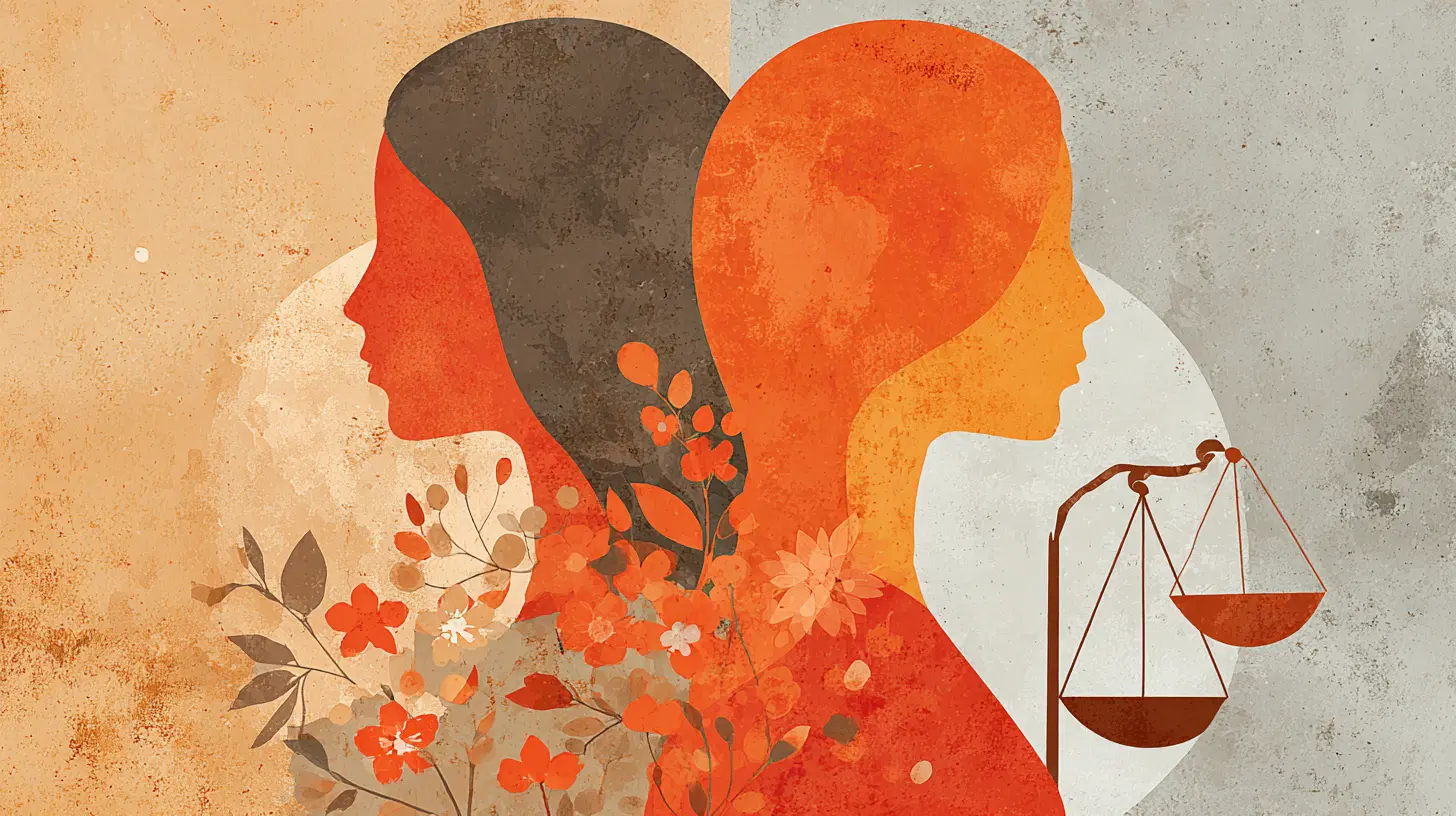
Hormones are like the unsung heroes (or villains) in the menopause journey. Estrogen, progesterone, and testosterone all play leading roles. When their levels dip, your body basically goes, “Wait, what’s happening?”Estrogen: The Diva of Hormones
Estrogen’s the one that gets all the attention—and for good reason. It regulates your cycle, keeps your bones strong, and even affects your skin and brain. When estrogen levels start to tumble, things can get...interesting.Common signs of low estrogen:
- Hot flashes
- Night sweats
- Vaginal dryness
- Mood swings
- Brain fog
Progesterone: The Peacekeeper
Progesterone is the calming hormone. It helps you sleep, balances estrogen, and keeps your mood in check. But during menopause, your body stops producing as much of it, which can lead to anxiety, irritability, and—you guessed it—trouble sleeping.Testosterone: The Quiet Contributor
Yep, women have testosterone too! It’s tied to libido, energy, and muscle mass. During menopause, testosterone levels drop too, which might explain why you're feeling more tired and less interested in—you know—bedroom activities.
Common Menopause Symptoms—and How to Tackle Them
Okay, so now that we’ve covered the hormonal ringleaders, let’s talk symptoms. They're not one-size-fits-all. Some women breeze through menopause like it’s NBD. Others feel like they’ve been hit by a hormonal freight train.Here are the most common menopause symptoms and practical ways to manage them:
1. Hot Flashes and Night Sweats
Ah, the infamous hot flash. One minute you’re fine, the next minute you're peeling off layers like you're in a strip show.What Helps:
- Dress in layers and use fans.
- Avoid trigger foods like caffeine, alcohol, and spicy dishes.
- Try deep-breathing techniques when one hits.
- Some women find relief with hormone therapy or natural supplements like black cohosh (just check with your doc first).
2. Mood Swings
Feel like crying at cat food commercials or snapping at your partner for breathing too loud? Totally normal.What Helps:
- Regular exercise (hello, endorphins!)
- Journaling or meditation
- Talking to a therapist
- Some women benefit from antidepressants or hormone therapy
3. Sleep Issues
Falling asleep feels like a full-time job? Blame the hormones again. Night sweats don’t help either.What Helps:
- Keep your room cool and dark.
- Stick to a nighttime routine.
- Limit screen time before bed.
- Melatonin or magnesium might help, too.
4. Vaginal Dryness and Lower Libido
Yep, the bedroom can feel like a desert—literally. Lower estrogen can thin out the vaginal walls, making intimacy uncomfortable.What Helps:
- Water-based lubricants and vaginal moisturizers
- Vaginal estrogen creams or tablets (prescription)
- Open communication with your partner
5. Weight Gain
Many women notice their waistline creeps up during menopause—even if they're eating the same way they always have. It’s not your fault; your metabolism is slowing down thanks to hormones.What Helps:
- Focus on strength training to build muscle (which burns more calories)
- Reduce sugar and processed carbs
- Increase fiber and protein
- Stay active—move daily, even if it’s just walking
Hormone Replacement Therapy (HRT): Yay or Nay?
So, should you take hormones to balance out the ones you're losing? That depends.HRT can be a game-changer for some women. It involves taking estrogen alone or combined with progesterone to relieve symptoms. It’s not a one-size-fits-all solution, though, and it’s not for everyone.
Pros of HRT
- Reduces hot flashes and night sweats- Improves sleep and mood
- Helps with vaginal dryness
- Supports bone health
Cons of HRT
- Slightly increased risk of blood clots and stroke- Not suitable for women with certain health conditions
- Needs careful monitoring
Always consult your healthcare provider. Be honest about your symptoms and any health risks you have. There’s no shame in getting help!
Natural Remedies and Lifestyle Tweaks
Not ready to dive into HRT? That’s okay—there are plenty of natural options that can make a big difference.Diet Matters
What you eat during menopause isn’t just about calories—it’s about hormone support.Add More:
- Leafy greens (calcium and magnesium)
- Fatty fish (omega-3s)
- Soy products (natural phytoestrogens)
- Flaxseeds (hormone-balancing lignans)
Cut Back On:
- Sugary snacks (they spike insulin and mess with hormones)
- Alcohol (worsens hot flashes and sleep)
- Caffeine (can trigger anxiety and hot flashes)
Don’t Skip Exercise
Moving your body helps manage weight, improves mood, and boosts energy. Aim for at least 30 minutes of movement most days—mix it up with walking, yoga, strength training, or dancing in your kitchen (yes, that counts!).Stress Management
Menopause has a way of turning minor stress into a full-blown meltdown. Try things like:- Meditation apps (Headspace, Calm)
- Deep-breathing exercises
- Gratitude journals
- Saying “no” more often (boundaries = peace of mind)
Talking About Menopause: Break the Taboo
Let’s be honest—menopause still doesn’t get the attention it deserves. Why are we whispering about something half the population goes through?Talk to your friends, partner, coworkers. Share tips, laugh about the mishaps (like forgetting your phone in the freezer—we’ve all been there), and build a support network. The more we talk about menopause, the less scary and alienating it feels.
When to See a Doctor
Some symptoms are manageable at home, but others call for medical attention. If you’re experiencing:- Extremely heavy bleeding
- Severe mood swings or depression
- Pain during sex that doesn’t get better
- Unexplained weight loss or gain
- Sudden memory issues
Book that appointment. You don’t have to suffer in silence.
Final Thoughts: You’ve Got This
Menopause isn’t the end—it’s a new beginning. Sure, it comes with challenges, but it also offers a chance to reconnect with your body in a whole new way. You’re not falling apart—you’re evolving.So, grab your ice water, slip into your comfiest clothes, and face this chapter with clarity, courage, and a whole lot of confidence. Hormones may be unpredictable, but you? You're unstoppable.
all images in this post were generated using AI tools
Category:
Hormonal BalanceAuthor:

Jackson Mahoney
Discussion
rate this article
2 comments
Stella Mitchell
Embrace the journey; each change brings new opportunities for growth.
May 16, 2026 at 4:10 AM
Jackson Mahoney
Absolutely, every shift offers a chance to learn and evolve. Let's navigate these changes together!
Tabitha Price
Menopause might feel like a rollercoaster you didn't sign up for, but hey, every twist and turn is just part of the ride. Grab your snacks and enjoy the journey!
May 9, 2026 at 3:02 AM
Jackson Mahoney
Absolutely! Embracing the ride can lead to unexpected insights and growth. Let's tackle it together!