Mood-Enhancing Foods to Keep on Your Radar for 2026
16 April 2026
Let’s be honest: we’ve all had those days where the world feels a little grayer, our energy is a little lower, and our patience is wearing thinner than our favorite old socks. You reach for a quick fix—maybe a sugary snack, another cup of coffee, or something… stronger. But what if the most powerful tool for managing your mood wasn’t in your medicine cabinet, but in your kitchen? I’m talking about food. Not as a temporary pleasure, but as foundational, daily fuel for your brain.
As we look ahead to 2026, the conversation around mental well-being is evolving from reactive to proactive, and nutrition is sitting squarely at the center of it. This isn’t about magical “happy pills” disguised as berries. It’s about understanding the fascinating, complex, and very real chemical conversation between your gut and your brain—the gut-brain axis—and learning how to feed it strategically. So, let’s ditch the fads and look at the future-proof, science-backed mood-enhancing foods you’ll want on your plate.
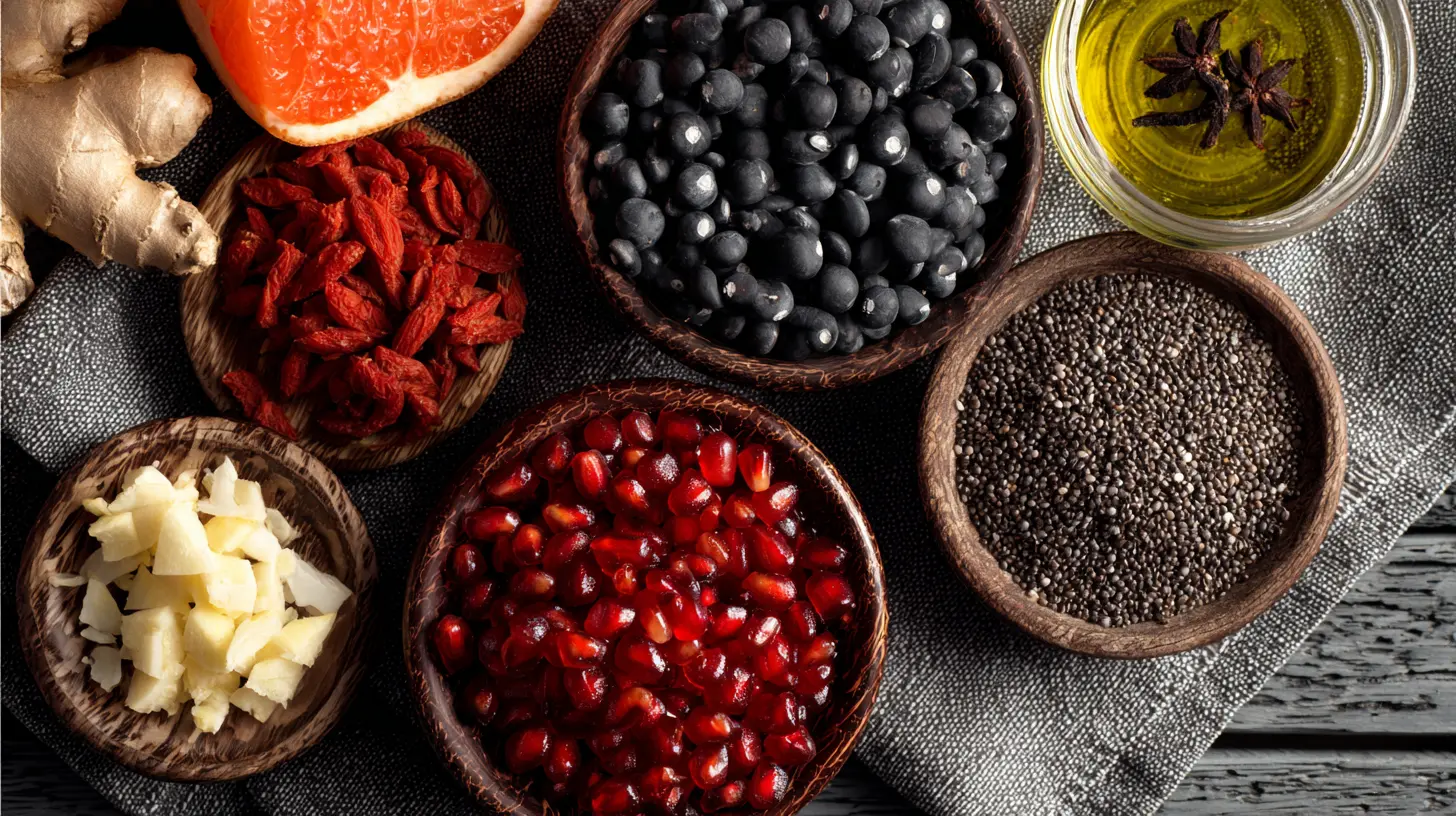
The Gut-Brain Highway: Your Second Brain is in Your Belly
Before we dive into the specific foods, we need a quick pit stop to understand the why. Imagine your gut and your brain are two best friends in constant, frantic text conversation. They’re sending messages back and forth via a superhighway called the vagus nerve and through chemical messengers like neurotransmitters. Here’s the kicker: about 90% of your body’s serotonin—that famous “feel-good” neurotransmitter—is actually produced in your digestive tract, not your brain!Think of your gut microbiome—the trillions of bacteria living in your intestines—as the customer service team managing this production line. Feed them junk, and you get sluggish service, miscommunications, and maybe a few grumpy employees. Feed them the good stuff, and they work efficiently, producing calming, mood-stabilizing chemicals that get shipped right up to headquarters (your brain). So, when we talk about mood-enhancing foods, we’re really talking about foods that either are these crucial neurotransmitters and fats, or that feed the tiny workers who make them.
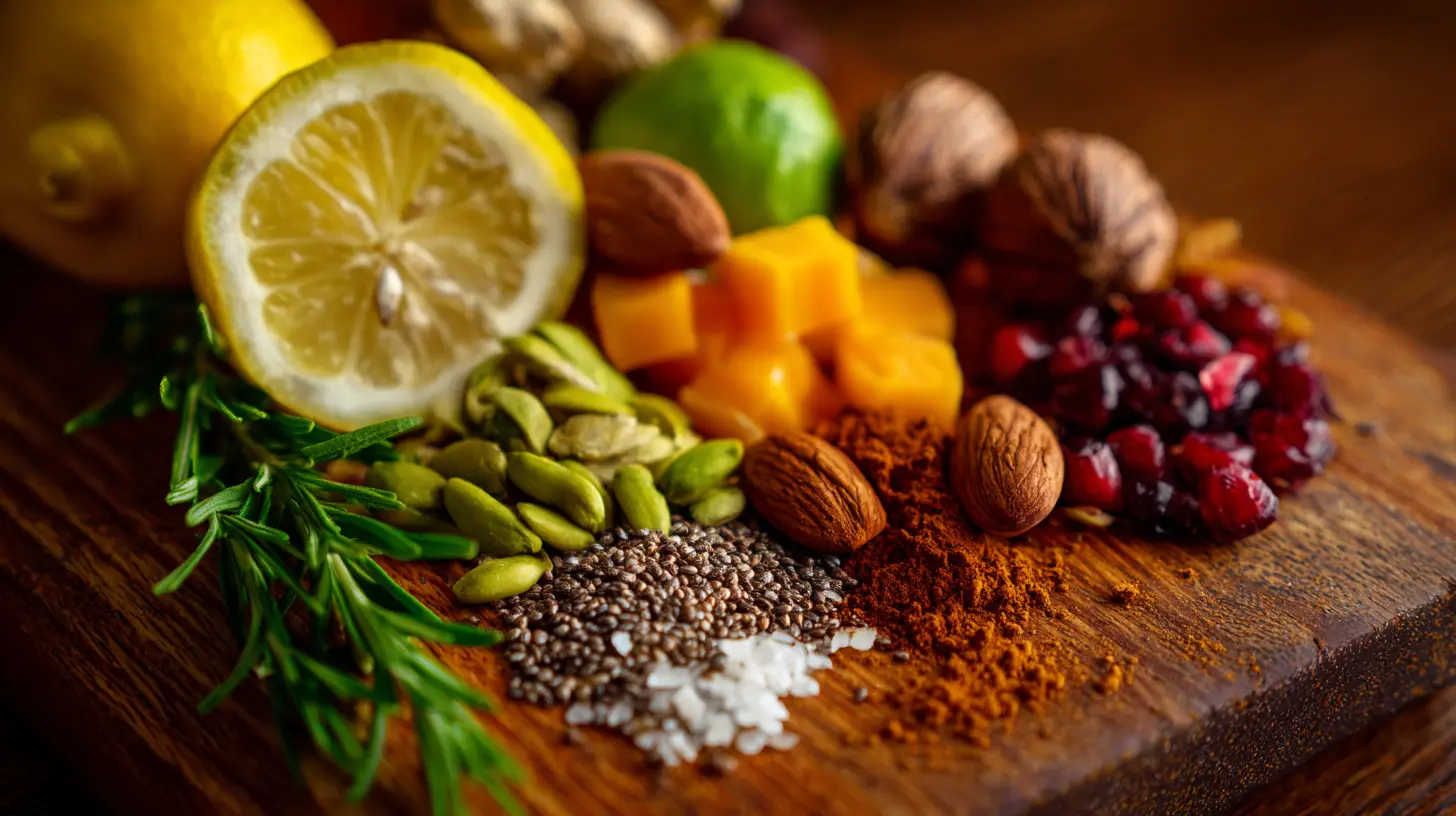
The 2026 Mood-Food Pantry: What to Stock Up On
Forget fleeting trends. The foods making waves for 2026 are about sustainable, holistic support. They’re nutrient-dense, support gut health, and reduce inflammation—a key culprit behind brain fog and low mood.1. The Fatty Fish Family: Salmon, Mackerel, Sardines & Anchovies
If brain cells had a love language, it would be omega-3 fatty acids, specifically EPA and DHA. These are the structural VIPs of your brain. They keep cell membranes fluid, so those all-important chemical messages can pass easily. They also have potent anti-inflammatory effects.A brain running low on omega-3s is like a car engine with old, sludgy oil—things just don’t run smoothly. Studies consistently link higher omega-3 intake to a more resilient mood. The goal for 2026? Think smaller, sustainable fish. Sardines and mackerel are omega-3 powerhouses, lower on the food chain (so fewer toxins), and incredibly versatile. Try mashing sardines on whole-grain toast with a squeeze of lemon—it’s a brain-boosting breakfast of champions.
2. Fermented Friends: Kimchi, Kefir, Sauerkraut & Miso
This is where you directly recruit your gut’s workforce. Fermented foods are teeming with live, beneficial bacteria (probiotics). Regularly consuming them is like sending in a fresh, skilled team of workers to your gut factory, helping to crowd out the less helpful microbes and keep the serotonin production line humming.But here’s the 2026 twist: it’s about variety and consistency. Don’t just buy one tub of yogurt. Rotate your sources. Have tangy kimchi with your rice bowl, a swirl of kefir in your morning smoothie, a spoonful of miso in your soup. Each offers different bacterial strains, creating a more diverse and resilient gut ecosystem. Diversity down below equals stability up top.
3. The Complex Carb Crew: Oats, Quinoa, Legumes & Sweet Potatoes
Carbs have been villainized for too long, and our moods have suffered for it. Your brain’s primary fuel is glucose, and complex carbohydrates provide a slow, steady release of it, avoiding the blood sugar rollercoaster that leads to irritability and crashes.More importantly, they’re often rich in fiber—specifically, prebiotic fiber. This is the food for your good gut bacteria (the probiotics you just ate). You can’t have a thriving team without feeding them. Foods like oats, beans, lentils, and sweet potatoes are prebiotic powerhouses. They’re the packed lunches you send down to your gut microbiome, who then thank you by producing short-chain fatty acids that further calm inflammation and support brain health.
4. The Leafy Green & Berry Brigade: Spinach, Kale, Blueberries & Blackberries
Oxidative stress sounds complicated, but think of it like rust on your car’s frame. It’s damage at a cellular level, and your brain is particularly susceptible. Enter antioxidants—the body’s rust-proofing. Dark leafy greens (spinach, kale, Swiss chard) are loaded with folate, a B-vitamin directly involved in the production of dopamine and serotonin. A folate deficiency is a straight road to low mood.Berries, especially the deeply colored ones, are bursting with antioxidants called flavonoids. These little compounds are thought to enhance neuroplasticity—your brain’s ability to adapt and form new connections. It’s like giving your brain’s internal communication network a software upgrade.
5. The Seed & Nut Nexus: Walnuts, Flaxseeds, Chia Seeds & Pumpkin Seeds
These are your all-in-one mood-support snacks. Walnuts literally look like a tiny brain and are one of the best plant-based sources of omega-3 ALA. Flaxseeds and chia seeds are also rich in ALA and soluble fiber. Pumpkin seeds are miniature zinc mines; zinc is a critical mineral for nerve signaling and is often found in lower levels in people with low mood.A handful of mixed nuts and seeds is like throwing a comprehensive toolkit at your brain. It provides good fats, fiber, protein, and key minerals—all in one crunchy, satisfying package. Sprinkle them on everything.
6. The Dark Chocolate Delight (The 80%+ Rule)
Yes, it’s here, and for good reason. But the rules are tightening. We’re talking dark chocolate with a minimum of 80% cocoa solids. Why? This is where the benefits live: in the flavonoids and compounds like theobromine. They can improve blood flow to the brain and may have a direct, if mild, uplifting effect.The key is moderation. Think of a square or two as a focused, intentional mood-enhancing ritual, not a candy bar binge. Let it melt slowly, savor the bitterness—it’s a mindful moment of pleasure and nourishment combined.
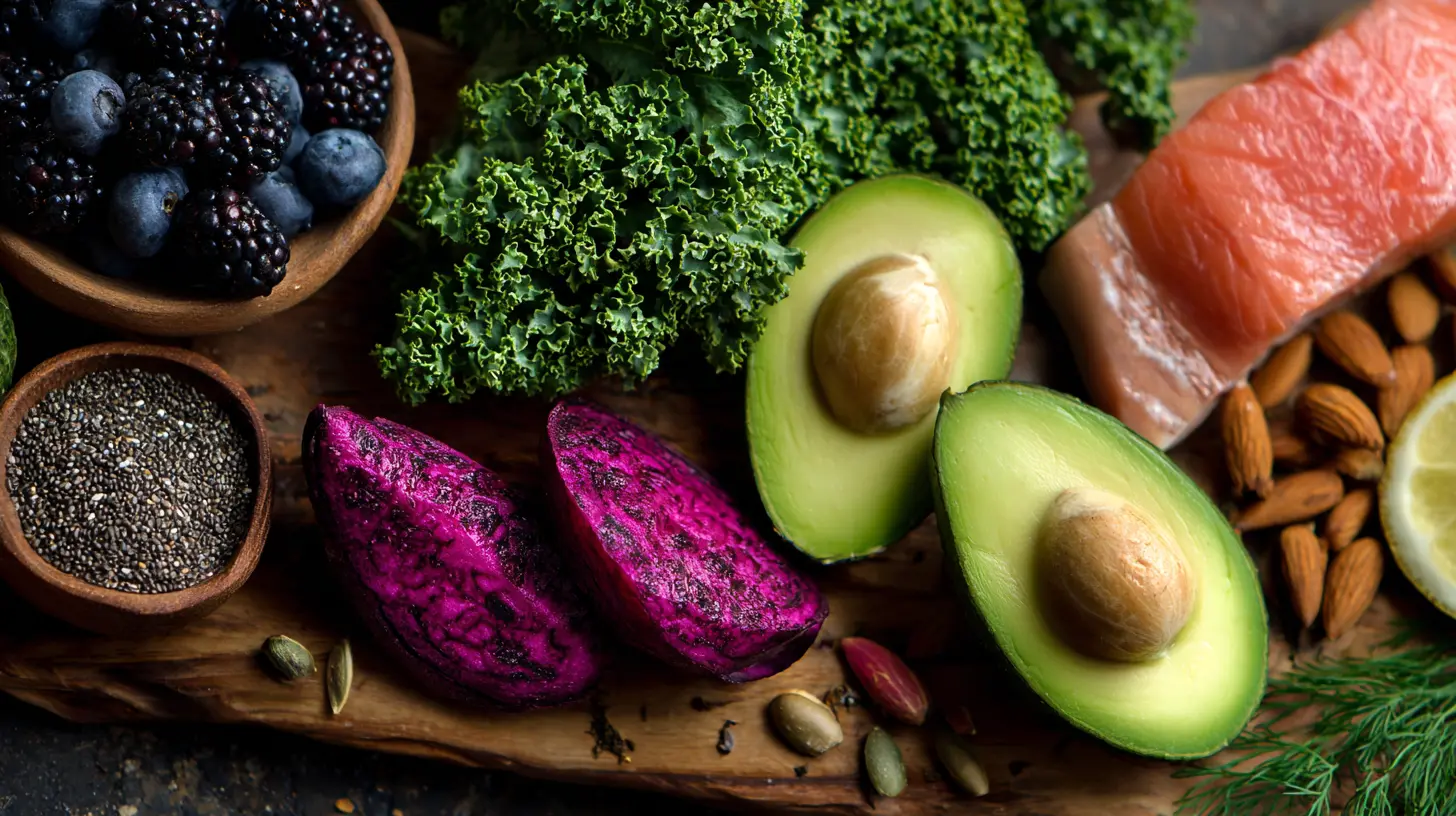
What’s Fading Out? The Mood Saboteurs to Sideline
Looking ahead, it’s just as important to know what to minimize. The mood-saboteur list for 2026 hasn’t changed much, but our understanding of their impact has deepened:* Ultra-Processed Foods: These are often high in inflammatory fats, refined sugars, and additives that can disrupt your delicate gut microbiome.
* Sugar Spikes: That quick hit from soda or candy leads to a crash, triggering anxiety, irritability, and fatigue.
* Artificial Sweeteners: Emerging research suggests some may negatively alter gut bacteria. When in doubt, a little natural sweetness from fruit or a touch of honey is the safer bet for your mood.
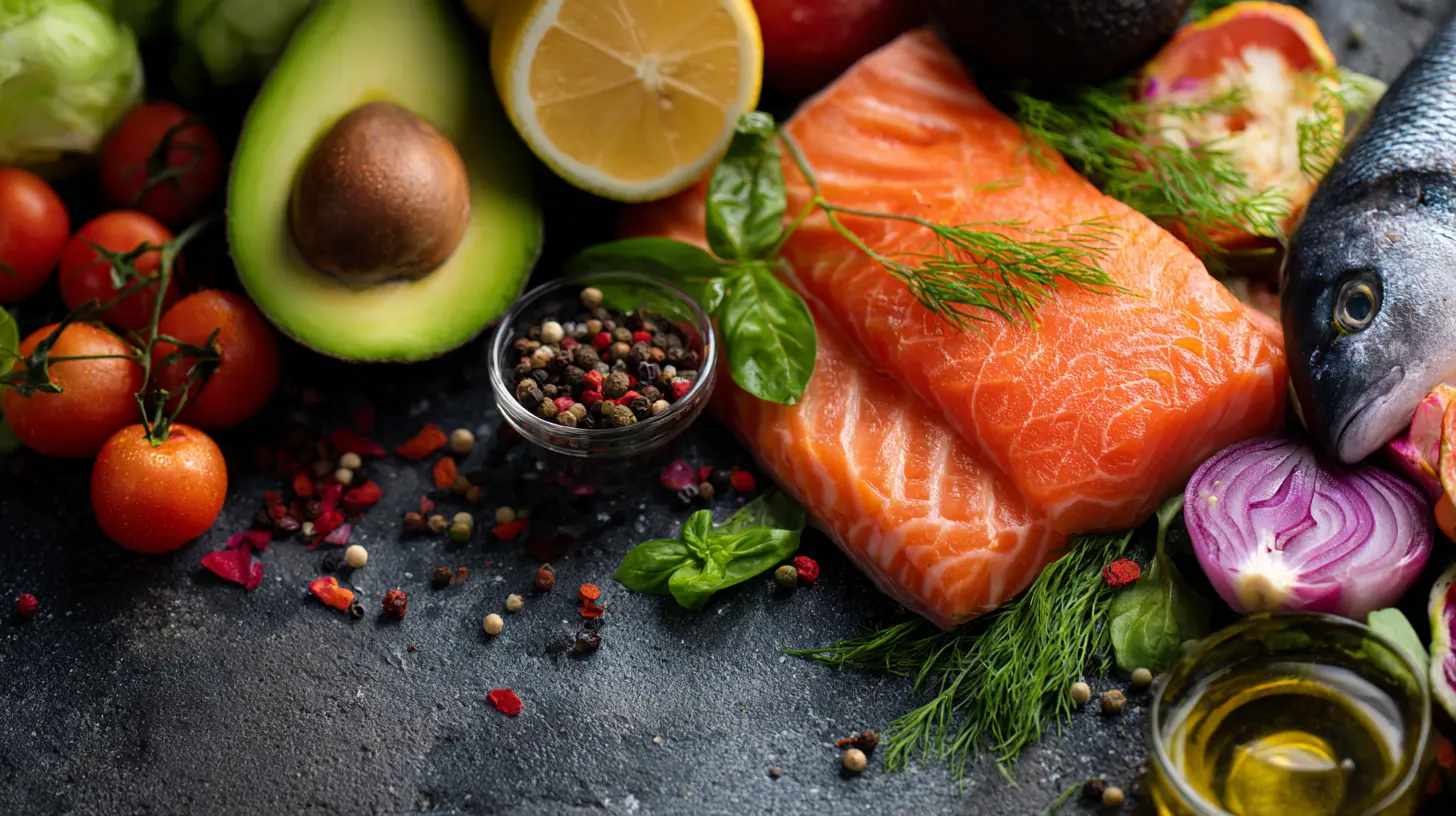
Putting It On The Plate: A 2026 Mindful Eating Approach
This isn’t about a rigid diet. It’s a framework. Imagine your plate for 2026:* Half the plate: Colorful vegetables and some fruit (for antioxidants and fiber).
* A quarter of the plate: A quality protein, often featuring fatty fish or legumes (for amino acids and omega-3s).
* A quarter of the plate: A complex carb like quinoa or sweet potato (for steady fuel and prebiotics).
* A generous sprinkle: Nuts, seeds, or a fermented food side.
* A square of dark chocolate: Because joy matters, too.
The most important "food" of all? Consistency and mindfulness. Eating slowly, without screens, and listening to your body’s hunger cues reduces stress and improves digestion, making all these wonderful nutrients more effective.
The Final Bite
As we move toward 2026, enhancing your mood through food is less about finding a single superfood and more about cultivating a super-diet—a diverse, colorful, whole-foods-focused way of eating that supports the incredible gut-brain connection day in and day out. It’s a long-term investment in your mental resilience. You are, quite literally, what you eat. So why not eat in a way that builds a brighter, more balanced, and resilient you? Start by adding one new mood-friendly food to your cart this week. Your brain—and your future self—will thank you for it.
all images in this post were generated using AI tools
Category:
Mood Boosting FoodsAuthor:

Jackson Mahoney
Discussion
rate this article
2 comments
Zacharias Pratt
2026 is just around the corner—prepare your taste buds for mood-boosting delights! Imagine snacking on joy-infused kale chips while riding a unicorn through a rainbow. Let’s make healthy eating fabulously whimsical!" 🌈🦄🥗
April 21, 2026 at 4:30 PM
Jackson Mahoney
Love the imagery! Joy-infused kale chips and unicorn rides sound like the perfect combo for 2026. Here's to a whimsical and delicious year ahead!
Hesper McCaw
Why wait for 2026 to elevate your mood? Embrace these powerhouse foods now! Forget the fads—real wellness starts on your plate. Nutrient-dense, delicious, and scientifically backed, these options are your secret weapon for a brighter disposition. Let's fuel our happiness today, unapologetically!
April 17, 2026 at 2:30 AM
Jackson Mahoney
You're absolutely right! There's no reason to wait. Incorporating mood-enhancing foods now can make a real difference. Let's start fueling our happiness today!