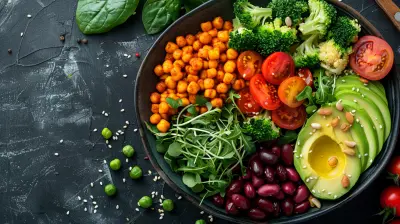
Plant-Based Eating for a Healthy Heart
31 January 2026
Let’s cut to the chase—your heart is your engine. It's what keeps everything else running smoothly, just like the motor in your car. But here's the thing: just like that engine, your heart needs the right fuel. That’s where plant-based eating swings in like a superhero on a mission.
If you've ever wondered if your food choices could impact your ticker (yep, your heart), the answer is yes—and in a big way. In this article, we’re diving into the world of plant-based eating and how it can do wonders for your heart health. Spoiler alert: it's not about eating like a rabbit or feeling deprived. It’s about filling your plate with the kind of food that’s naturally delicious and incredibly powerful for your health.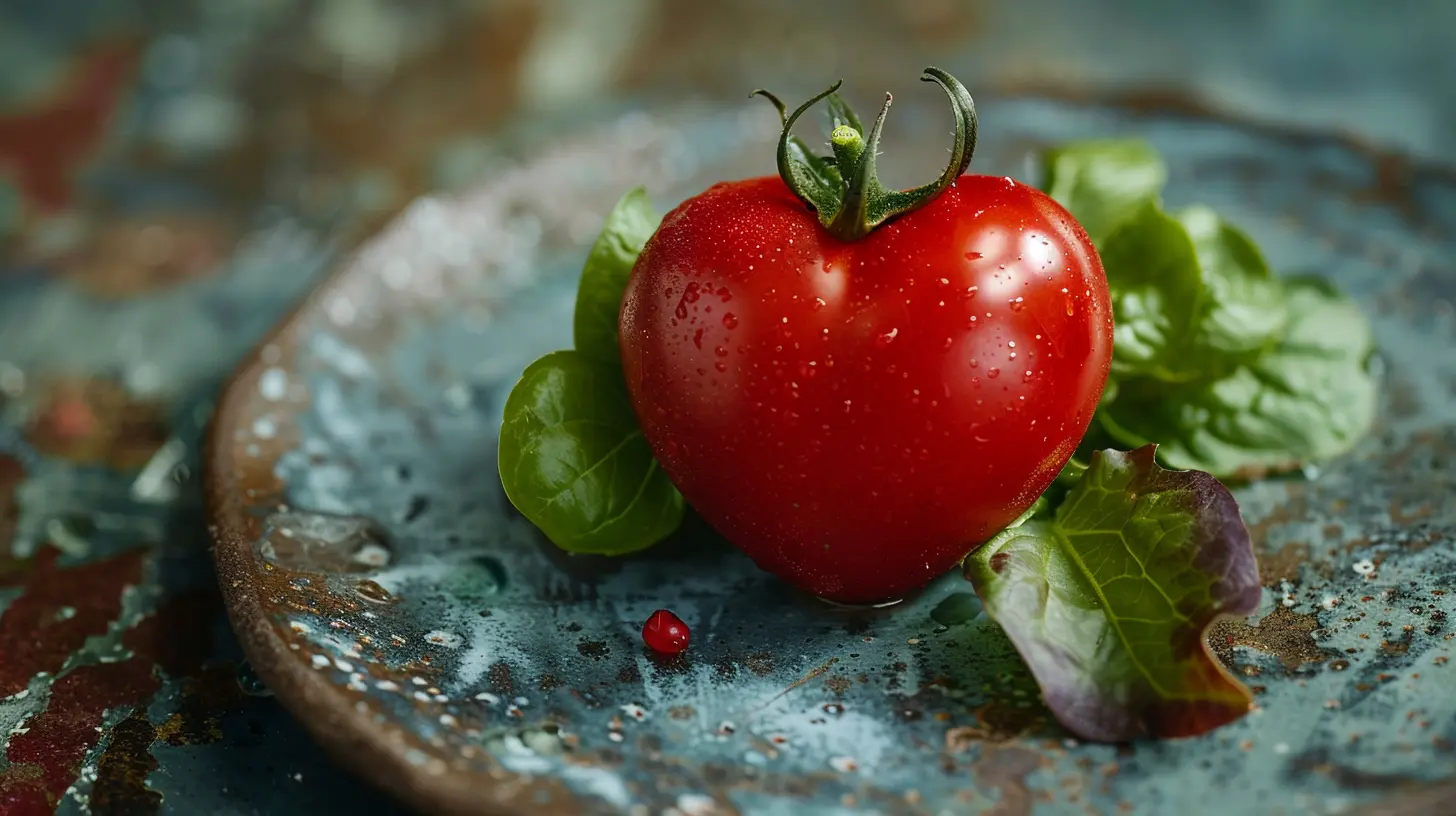
What Is Plant-Based Eating, Anyway?
Before we get too deep into the food talk, let’s clear something up. “Plant-based” doesn’t mean you have to go full-on vegan or never look at cheese again. It just means basing your meals primarily on whole plant foods. We're talking:- Fruits
- Vegetables
- Whole grains
- Legumes (beans, lentils, peas)
- Nuts and seeds
You can still have meat or dairy occasionally if you want, but the spotlight is on the plants. It’s not about rules—it’s about habits.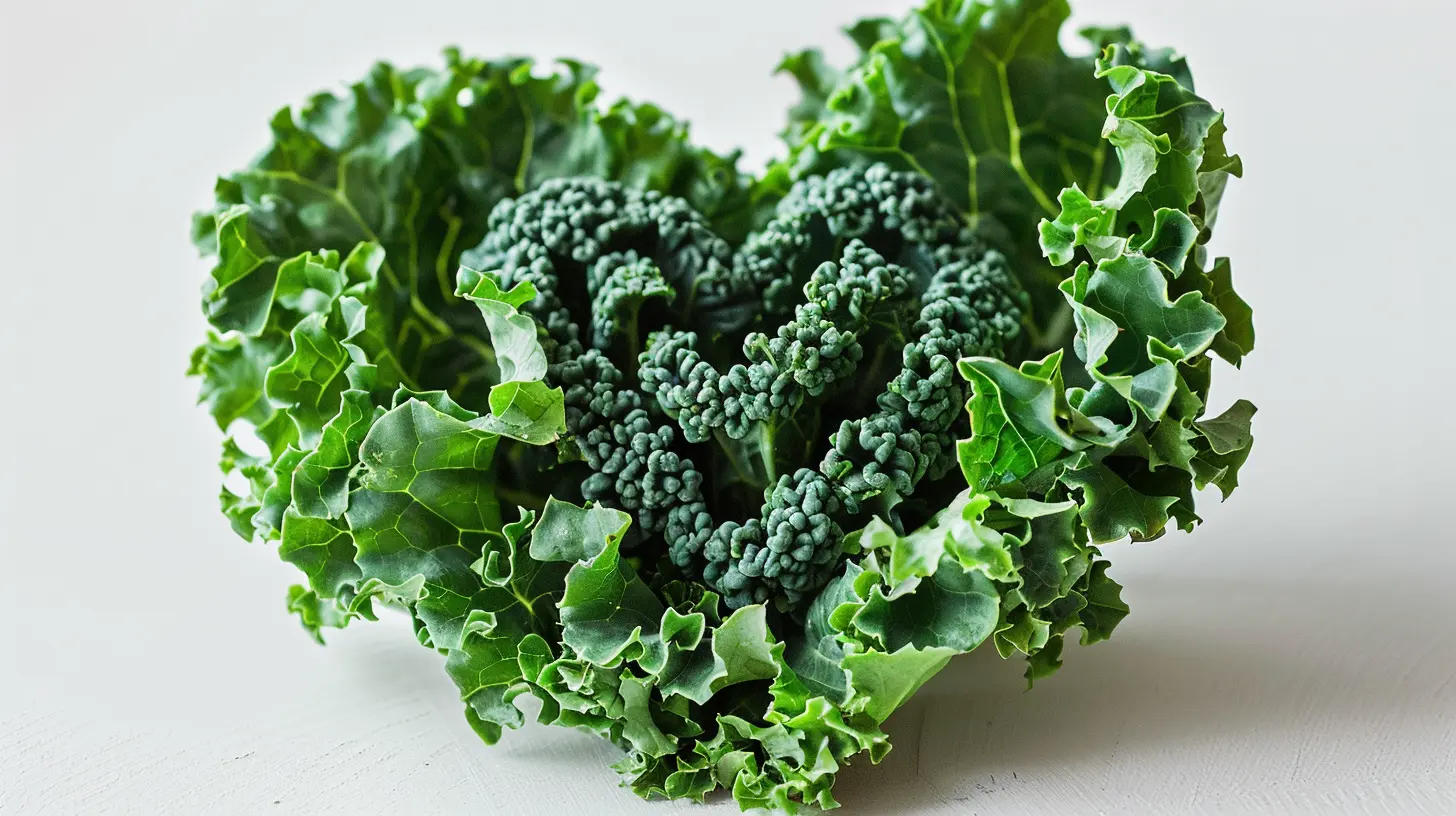
Why Should You Care About Heart Health?
Here’s a hard truth: heart disease is the leading cause of death worldwide. Not to be all doom and gloom, but the stats are sobering. The good news? About 80% of cardiovascular diseases are preventable—yep, 80%! And one of the most powerful tools you have in your prevention toolkit? Your fork.Think of your heart like a lifelong partner. The better you treat it, the better it treats you. And plant-based eating is like the ultimate spa day for your heart, every single day.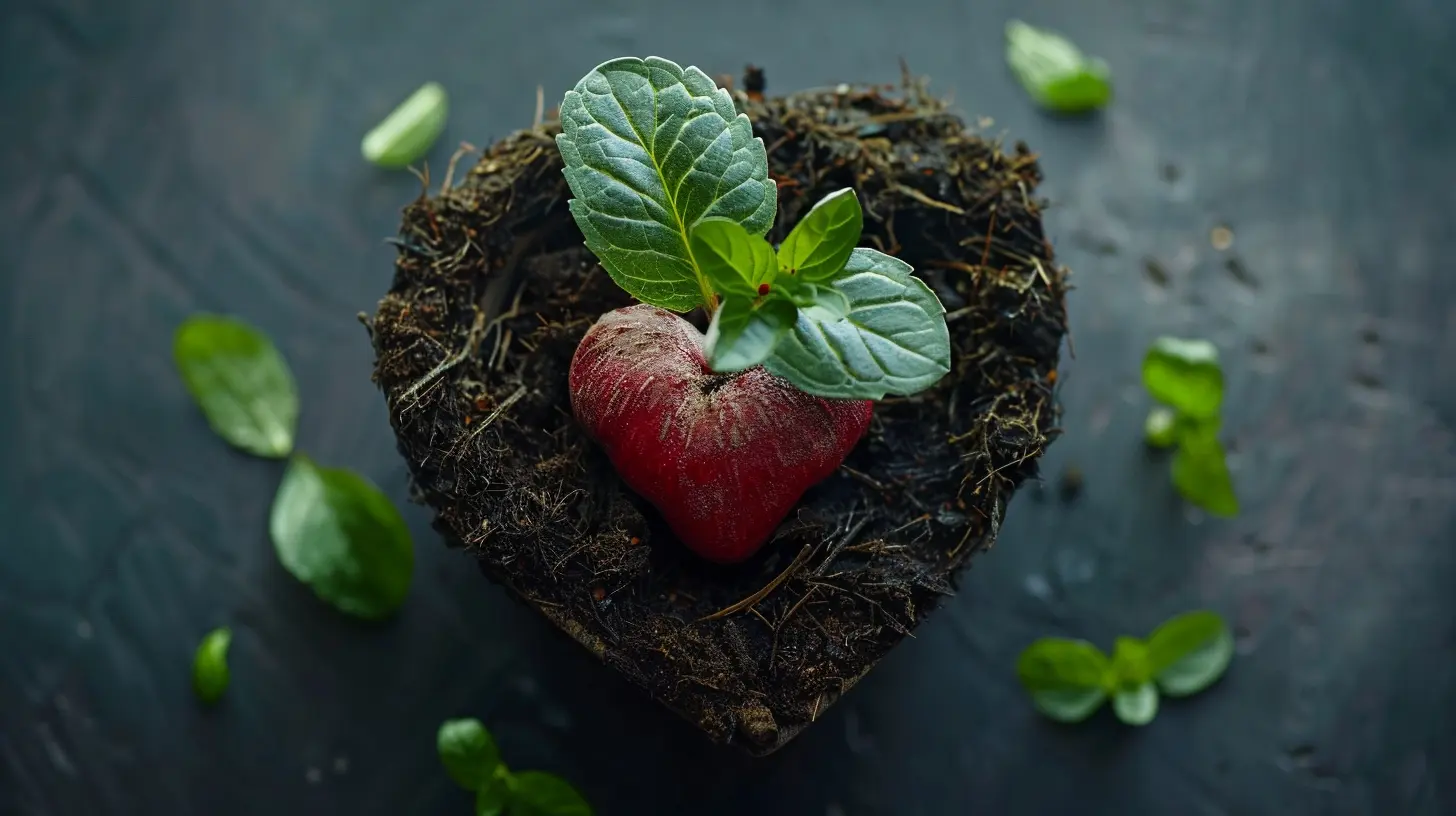
The Science Behind Plant-Based Diets and Heart Health
Okay, time to nerd out a little. What does science actually say about plant-based eating and heart health?1. Lower Cholesterol Levels
One of the biggest culprits behind heart disease is LDL cholesterol—also known as the "bad" kind. A plant-based diet is naturally low in saturated fats (found in meat and dairy) and high in fiber. Fiber helps pull cholesterol out of your body like a cleanup crew. That means your arteries stay clearer and your heart works less hard.2. Reduced Blood Pressure
High blood pressure is another silent villain of heart health. Many plant foods—like leafy greens, beets, and berries—are rich in nitrates and potassium, which help relax your blood vessels and lower that pressure.3. Anti-Inflammatory Power
Chronic inflammation is like a slow fire that damages your blood vessels and increases your risk of heart problems. Plant foods are full of antioxidants and phytonutrients, the natural anti-inflammatories. They help calm that fire before it leads to trouble.4. Weight Management
Excess weight, especially around your belly, increases your risk of heart disease. Plant-based diets are typically lower in calories but higher in nutrients and fiber, which means you feel full without overeating. It’s a win-win.
Heart-Healthy Plant Foods You Should Be Eating
You don’t have to memorize a long list of exotic superfoods. Just focus on the basics. Let’s break down the true MVPs of heart-friendly plant foods:🌾 Whole Grains
Oats, quinoa, brown rice, barley—whole grains are packed with fiber that helps lower cholesterol and keep blood sugar stable. They're like the slow-burning logs of your digestive fire, keeping energy steady.🥬 Leafy Greens
Kale, spinach, arugula, and Swiss chard are loaded with nitrates and antioxidants. They help improve blood flow and reduce stiffness in arteries. Plus, they’re versatile—you can throw them in smoothies, stir-fries, or salads.🍓 Berries
Blueberries, strawberries, raspberries—these little guys are bursting with heart-happy compounds like flavonoids. They help lower blood pressure and prevent oxidative stress. Think of them as tiny, sweet heart protectors.🥑 Avocados
More than just a trendy toast topping, avocados are rich in monounsaturated fats that help raise your ‘good’ HDL cholesterol while lowering the bad stuff. They’re buttery and satisfying—without the guilt.🥜 Nuts and Seeds
Almonds, walnuts, flaxseeds, chia—these are mini powerhouses of fiber, protein, and healthy fats. A small handful a day can make a real difference in cholesterol and inflammation levels.🌱 Legumes
Beans, lentils, chickpeas—these are the unsung heroes of plant-based proteins. They’ve got fiber, folate, and plant sterols that help reduce blood pressure and LDL cholesterol.But... What About Protein?
Ah, the classic question. Where do you get your protein on a plant-based diet?Spoiler alert: it’s not hard. Protein is in a lot more foods than people realize.
Tofu, tempeh, lentils, chickpeas, black beans, quinoa, nuts, seeds, even whole grains—they all have protein. And guess what? You don’t need to count grams intensely unless you're an athlete or bodybuilder. Most people easily meet their needs on a varied plant-based diet.
Making the Shift: How to Transition Without Losing Your Mind
Going plant-based doesn’t mean tossing all your food out and starting from scratch. Small, steady changes are way more sustainable. Here are a few tips to ease into it:1. Start with One Plant-Based Meal a Day
Try a hearty lentil soup for lunch or oatmeal with berries for breakfast. One meal sets the tone—and it’s totally doable.2. Swap, Don’t Eliminate
Love tacos? Use black beans or lentils instead of beef. Craving pasta? Toss in some roasted veggies and a creamy avocado sauce.3. Stock Your Pantry Smartly
Keep staples like beans, whole grains, canned tomatoes, and spices on hand. Having the right ingredients makes plant-based cooking less stressful.4. Try Meatless Mondays
Just one day a week without meat is a great start. You’ll experiment with new recipes and slowly build your go-to favorites.5. Don’t Be a Perfectionist
This isn’t about being perfect—it’s about progress. If you eat a burger once in a while, it’s not the end of the world. Your overall pattern matters more than one meal.Addressing Common Concerns
Let’s break down a few worries people have before jumping on the plant-based train:“Will I Feel Full?”
Absolutely. Plant foods are fiber-rich, which fills you up and keeps you satisfied for longer. You won’t be gnawing your arm off an hour after eating a chickpea salad.“Is It Expensive?”
Actually, it can be cheaper. Beans and grains cost less than meat. Buying in bulk and eating seasonal produce helps, too.“Do I Need Supplements?”
If you go entirely plant-based, consider taking vitamin B12, which isn’t available in plant foods. Some folks also add vitamin D or omega-3s from algae. But nothing crazy.The Long-Term Benefits: More Than Just a Healthy Heart
Plant-based eating isn’t just about heart health. It spills over into so many other areas of your life:- More energy: Ditching processed foods and eating nutrient-dense meals can leave you feeling way more alive.
- Better digestion: All that fiber keeps things moving (if you know what I mean).
- Healthier skin: Antioxidants and hydration from plants give your skin that natural glow.
- Reduced risk of other chronic diseases: Like diabetes, cancer, and even cognitive decline.
Think of it as a lifestyle upgrade—in more ways than one.
Final Thoughts: The Heart of the Matter
If you want to do something amazing for your health, start with your plate. You don’t need to become a vegan overnight or swear off your favorite treats forever. Just begin to shift the balance.Let plants take center stage in your meals. Embrace colorful fruits and veggies, hearty grains, and satisfying legumes. Your heart will thank you—not just years down the road, but right now.
Imagine your heart as a garden. What you plant today will grow into something beautiful, strong, and thriving tomorrow. So, go on—give your body the love it deserves. Eat more plants, love your heart.
all images in this post were generated using AI tools
Category:
Plant Based DietAuthor:

Jackson Mahoney
Discussion
rate this article
2 comments
Nathaniel Reed
Adopting a plant-based diet not only nourishes the heart but also promotes overall well-being.
February 21, 2026 at 3:28 AM
Jackson Mahoney
Absolutely! A plant-based diet is key to heart health and enhances overall wellness.
Myles McAuley
Plant-based diets significantly reduce heart disease risk.
February 1, 2026 at 4:05 PM
Jackson Mahoney
Absolutely! Plant-based diets are rich in nutrients and low in saturated fats, which can significantly lower heart disease risk.