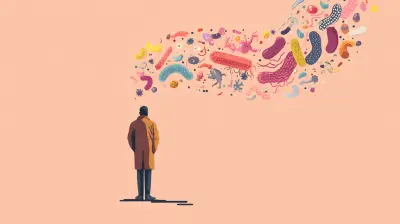
Plant-Based or Balanced? Finding the Right Diet for You
26 September 2026
Walk into any bookstore or scroll through your social feeds and you will find two loud camps. One says the future of human health is plant-based. The other says balance is the only sane approach. Both camps have devoted followers, convincing anecdotes, and a handful of scientific studies they cite with confidence.
Here is the uncomfortable truth: neither label tells you what you actually need to know. "Plant-based" describes an ingredient pattern. "Balanced" describes a proportion. Neither tells you whether your body is getting enough protein, whether your blood sugar is stable, whether your gut tolerates the fiber load, or whether you can sustain the plan for the next ten years.
This article is not going to tell you which side wins. It is going to help you understand what each approach actually does inside the body, where each one shines, where each one fails, and how to build a way of eating that fits your physiology, your culture, your budget, and your life.
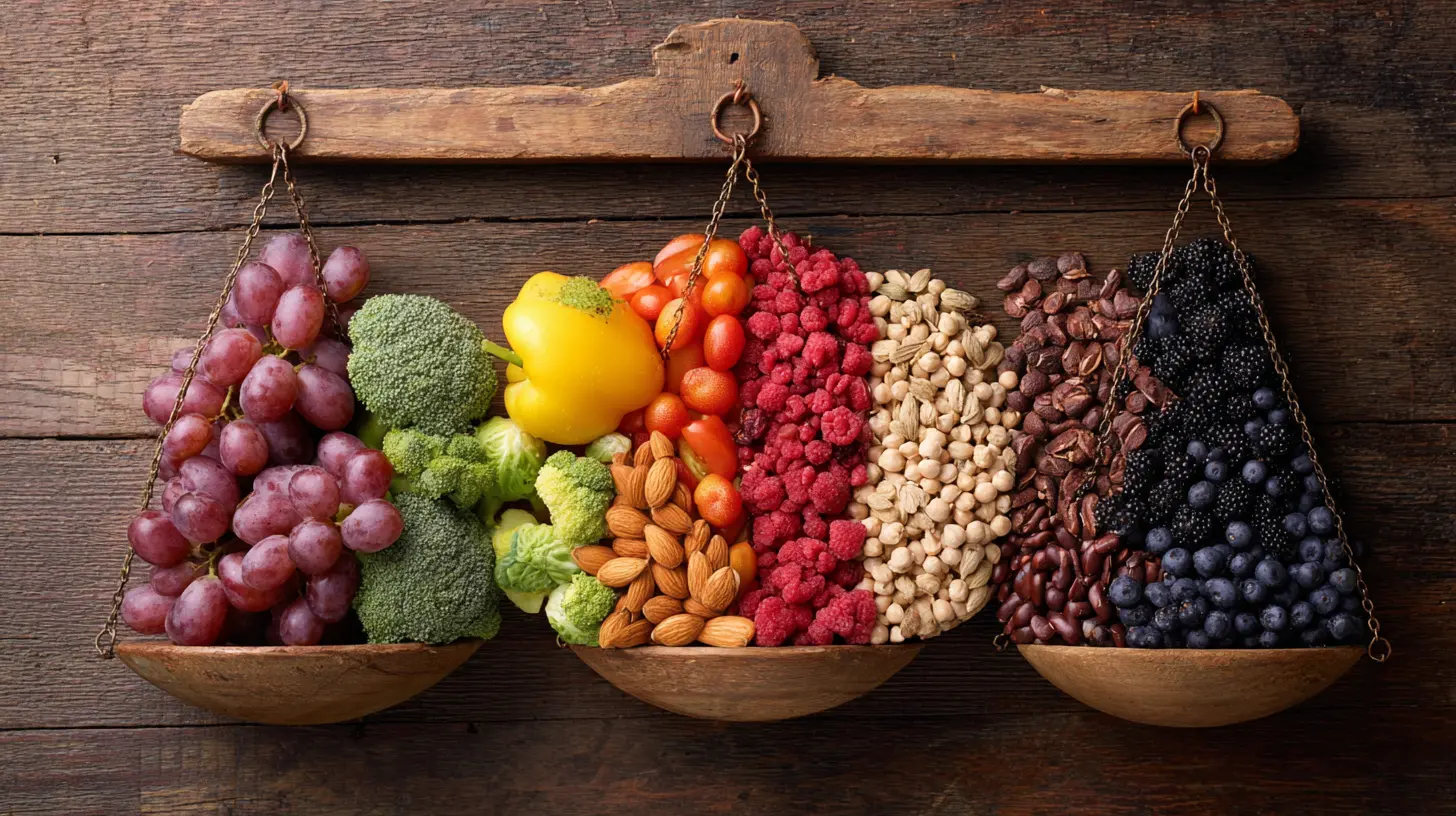
What "Plant-Based" Actually Means
The term plant-based has become slippery. In practice, it covers a wide spectrum:- Vegan: no animal products at all, including eggs, dairy, honey, and often gelatin or leather by extension.
- Vegetarian: no meat or fish, but eggs and dairy are allowed.
- Lacto-ovo vegetarian: same as above, explicitly including dairy and eggs.
- Pescatarian: fish and seafood included, other meat excluded.
- Flexitarian: mostly plants, occasional animal foods.
- Whole-food plant-based (WFPB): emphasizes unprocessed plants, limits or excludes refined oils, white flour, and added sugar.
These are not interchangeable. A person eating french fries, white bread, and soda is technically plant-based. A person eating salmon, lentils, and kale is not. Yet the second person is almost certainly healthier. This is why the phrase "plant-based" alone is nearly useless as a health claim.
What matters is the underlying composition: fiber, phytonutrients, potassium, magnesium, unsaturated fats, and the absence or presence of processed foods. A diet can be plant-based and terrible. A diet can include animal foods and be excellent.
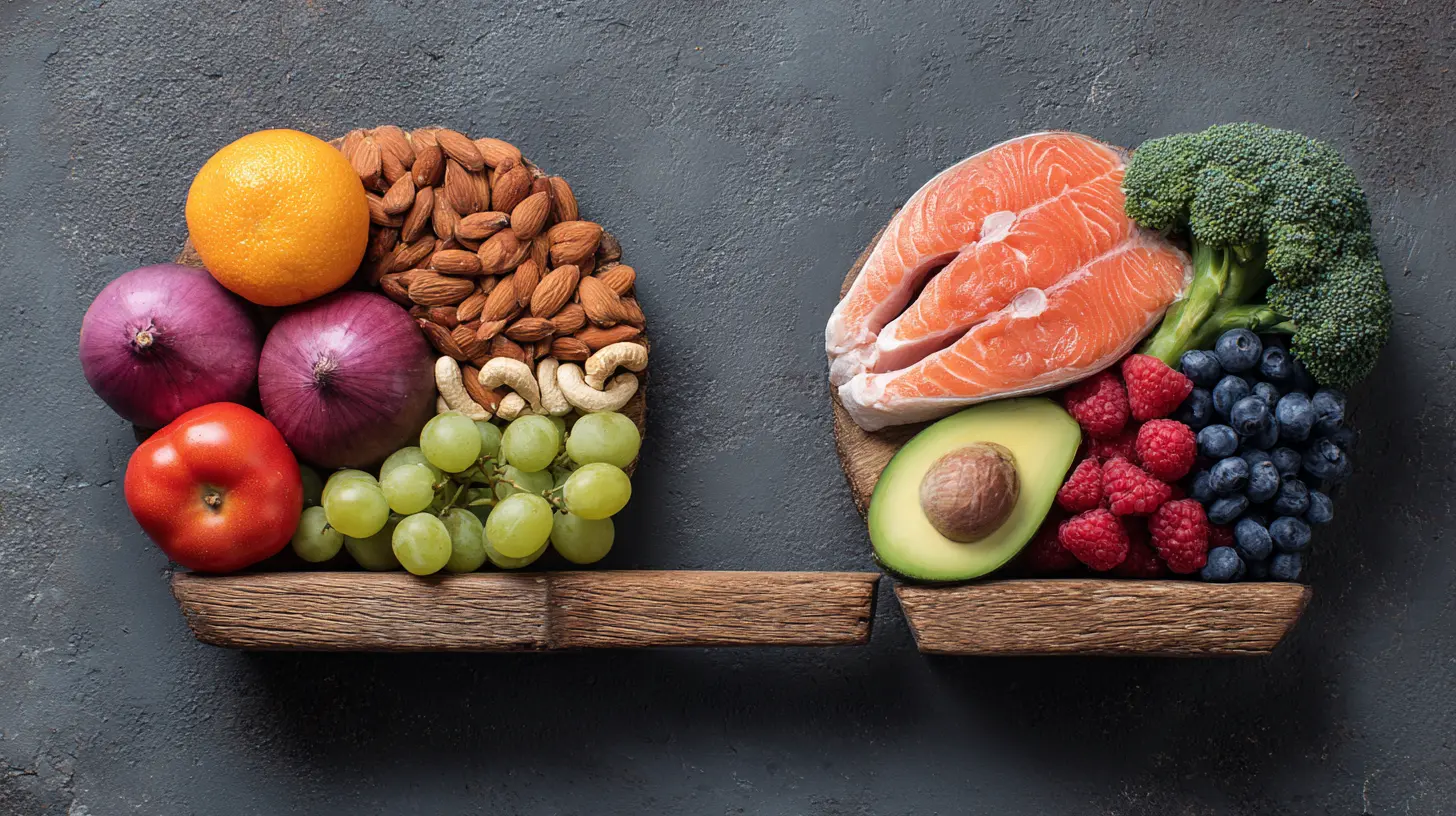
What "Balanced" Actually Means
"Balanced" is even vaguer. In popular usage it usually means "a bit of everything, nothing in excess." That sounds reasonable until you try to apply it. Balanced according to whom? The USDA plate? The Mediterranean pattern? A macro split of 40/30/30?A more useful definition is this: a balanced diet provides all essential nutrients in adequate amounts, in proportions your body can use, without relying on any single food group to the point of crowding out others. Balance is a function, not a slogan.
The problem with "balanced" as a guiding principle is that it can justify almost anything. Pizza, ice cream, and a salad is technically balanced by some definitions. So is a bowl of rice, beans, vegetables, and grilled fish. The word hides more than it reveals.
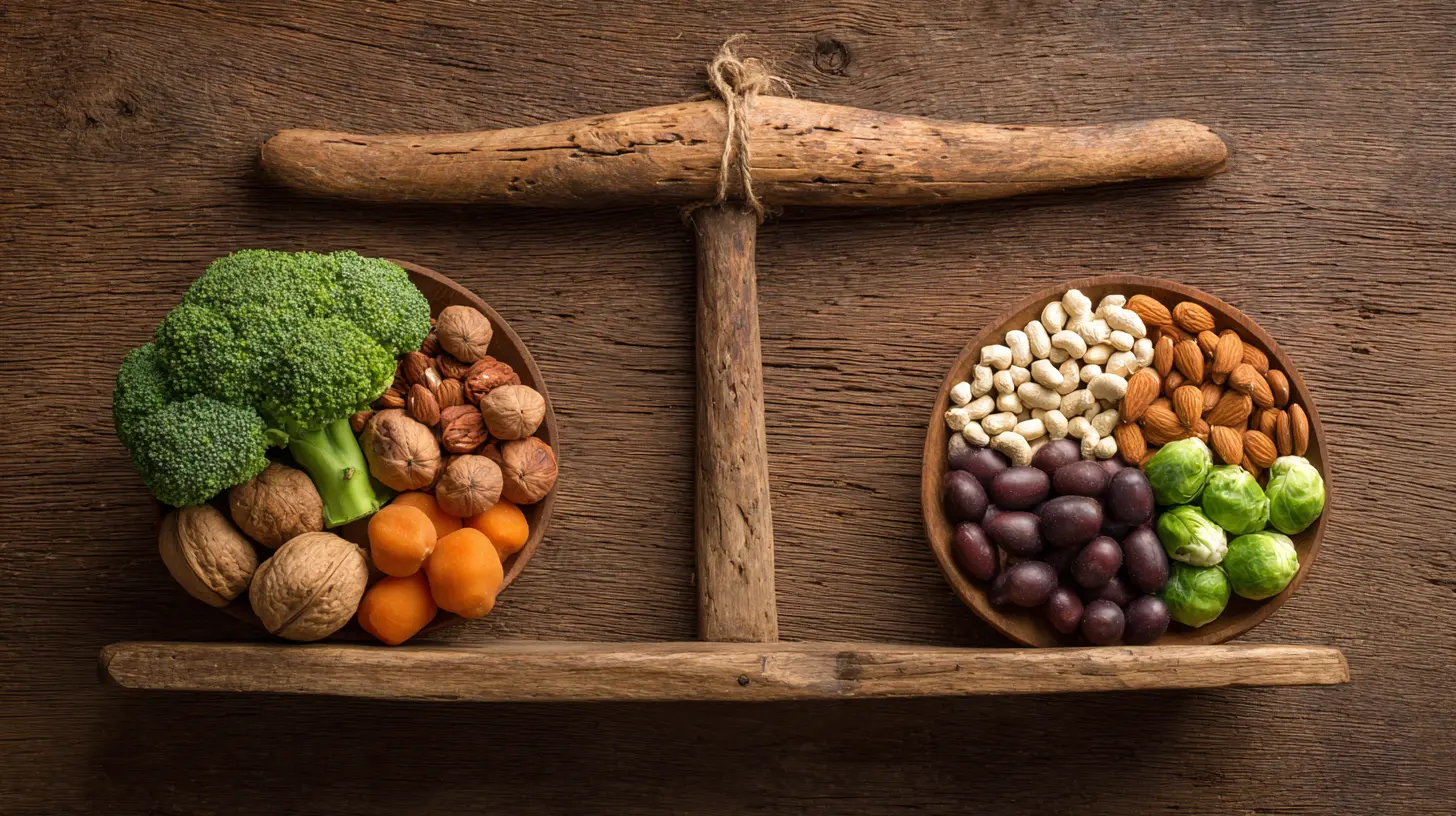
The Real Question: Nutrient Adequacy and Metabolic Fit
Instead of asking whether a diet is plant-based or balanced, ask two better questions:1. Does this way of eating meet my nutrient needs without requiring heroic effort or constant supplementation?
2. Does it fit my metabolism, medical history, culture, and daily reality?
Those questions cut through ideology. They also expose the trade-offs that both camps tend to ignore.
Nutrient Adequacy on a Plant-Based Diet
Well-planned plant-based diets can meet almost all nutrient needs. The word "well-planned" is doing heavy lifting here. Nutrients that deserve attention:- Vitamin B12: essentially absent from unfortified plant foods. Anyone eating a strict vegan diet needs a reliable source, typically fortified foods or a supplement. This is not optional. B12 deficiency can cause irreversible nerve damage.
- Iron: plant iron (non-heme) is absorbed less efficiently than heme iron from meat. Pairing iron-rich foods with vitamin C improves absorption. Avoiding tea and coffee right after meals also helps.
- Zinc: phytates in grains and legumes reduce absorption. Soaking, sprouting, and fermenting improve it.
- Omega-3 fatty acids: plant sources like flax, chia, and walnuts provide ALA, which the body converts to EPA and DHA inefficiently. Some people benefit from an algae-based DHA/EPA supplement.
- Iodine: depends heavily on where you live and whether you use iodized salt.
- Calcium and vitamin D: manageable with fortified foods, leafy greens, and sensible sun exposure, but worth monitoring.
- Protein: almost never a problem if calories are adequate and the diet includes legumes, grains, soy, nuts, and seeds. The obsession with protein is largely a marketing phenomenon.
A plant-based diet done well tends to be high in fiber, low in saturated fat, rich in antioxidants, and associated with lower rates of heart disease, type 2 diabetes, and certain cancers. Done poorly, it can be low in protein, B12, iron, and calories, leaving people fatigued, amenorrheic, or anemic.
Nutrient Adequacy on a Balanced Omnivorous Diet
A balanced diet including animal foods makes certain nutrients easier to obtain: B12, heme iron, zinc, DHA, and complete protein. That convenience is real. It is not a moral failing to acknowledge it.The trade-offs are equally real. Higher intake of red and processed meat is linked to increased risk of colorectal cancer and cardiovascular disease. Saturated fat from certain animal sources can raise LDL cholesterol in susceptible people. And "balanced" omnivorous eating in practice often means too little fiber, too few vegetables, and too much ultra-processed food.
The advantage of an omnivorous approach is flexibility. The risk is that flexibility becomes an excuse.
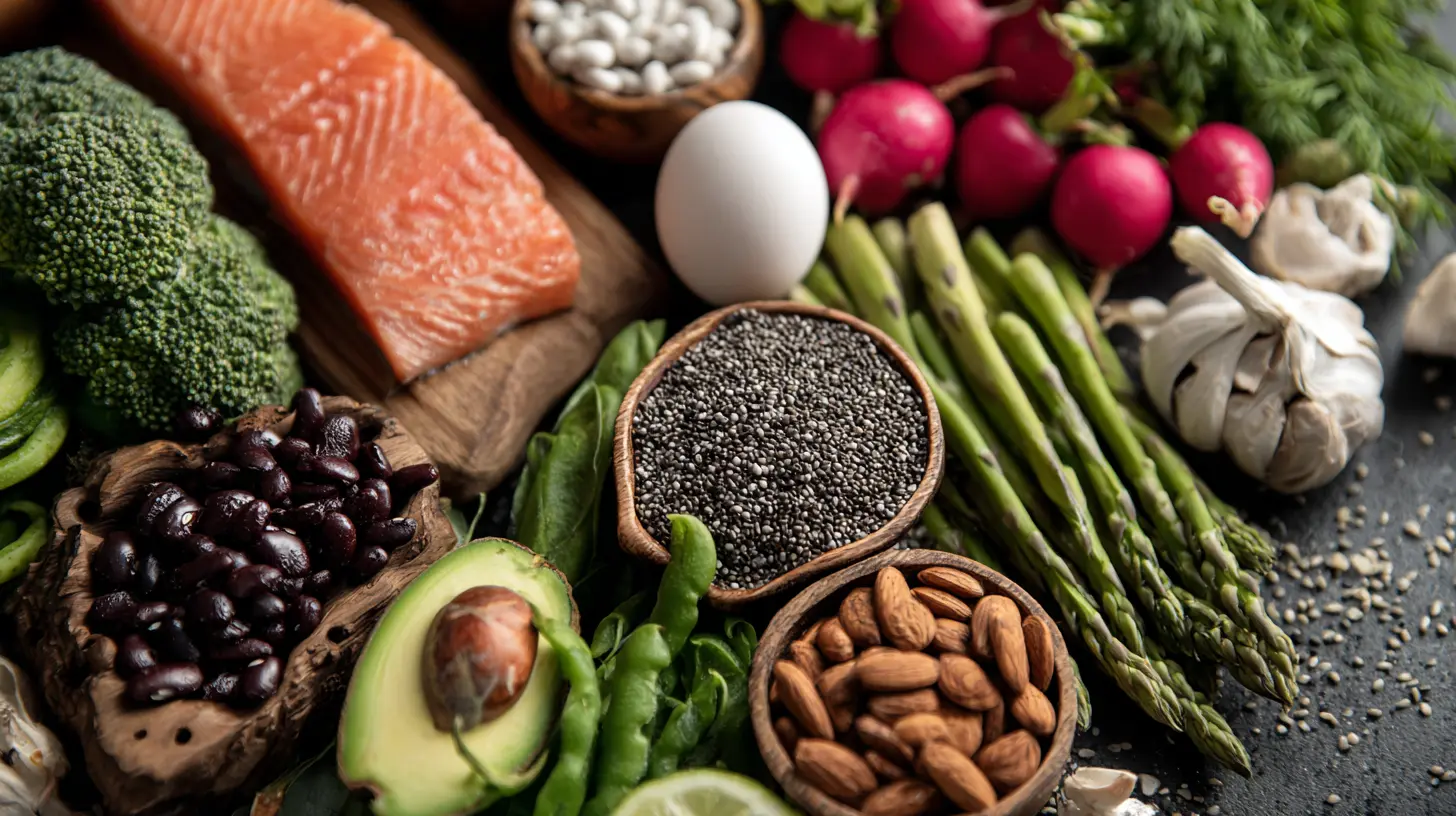
Why One Size Does Not Fit Anyone
Human beings are not metabolically identical. Consider a few real-world variables:Genetics and Cholesterol Response
Some people are hyper-responders to dietary cholesterol and saturated fat. For them, a plant-forward diet often produces dramatic LDL reductions. Others are hyporesponders. They can eat eggs and butter without much change in blood lipids. Telling both people to eat the same way ignores biology.Gut Microbiome
Fiber tolerance varies enormously. Some people thrive on 40 grams of fiber a day. Others develop bloating, gas, and discomfort on half that amount, especially if they increase fiber too quickly or have conditions like IBS or SIBO. A gradual ramp-up, adequate hydration, and attention to specific fermentable carbohydrates matter more than the total plant percentage.Medical Conditions
- Type 1 diabetes: carbohydrate counting and insulin timing matter more than plant versus animal.- Chronic kidney disease: potassium and phosphorus restriction can make a high-plant diet tricky without careful planning.
- Iron-deficiency anemia: heme iron or targeted supplementation may be necessary.
- Hypothyroidism: excessive raw cruciferous vegetables and soy can interfere with thyroid medication timing, though the effect is usually modest.
- Eating disorder history: rigid rules, whether plant-based or macro-focused, can be harmful.
Any diet advice that ignores these realities is not advice. It is ideology.
Culture, Budget, and Access
Food is not just fuel. It is identity, comfort, and community. A diet that forces you to reject every family meal is unlikely to last. A diet that requires expensive specialty products is unlikely to be sustainable on a tight budget.Beans, rice, oats, frozen vegetables, eggs, canned fish, and seasonal produce are among the cheapest and most nutrient-dense foods available. A well-constructed plant-based or balanced diet can be affordable. A poorly constructed one, full of imitation meats and superfood powders, cannot.
Where Plant-Based Diets Excel
When planned well, plant-based eating has several genuine advantages:- Fiber: most adults fall far short of the 25 to 38 grams recommended daily. Plant-based diets naturally close that gap.
- Heart health: lower saturated fat and higher unsaturated fat intake tends to improve LDL cholesterol and blood pressure.
- Weight management: higher fiber and water content increase satiety per calorie.
- Gut health: diverse plant fibers feed beneficial bacteria and support short-chain fatty acid production.
- Environmental footprint: plant agriculture generally uses less land and water per calorie than animal agriculture.
These benefits are not automatic. They depend on food quality.
Where Balanced Omnivorous Diets Excel
A well-built omnivorous diet offers:- Nutrient density per bite: organ meats, eggs, shellfish, and fatty fish pack nutrients that are hard to replicate from plants alone.
- Social ease: eating with family, traveling, and dining out are simpler.
- Flexibility for athletes: meeting high protein and calorie needs is often easier.
- Lower reliance on supplements: B12, DHA, and heme iron come from food.
- Cultural continuity: many traditional cuisines are naturally balanced, not plant-exclusive.
Again, quality decides the outcome. A omnivorous diet built on fast food and processed meat is not balanced in any meaningful sense.
Common Mistakes on Both Sides
Plant-Based Mistakes
1. Assuming vegan equals healthy. Oreos are vegan. So is most candy.2. Ignoring B12. This is the single most common and most dangerous oversight.
3. Under-eating protein and calories. Especially common in new vegans and in athletes.
4. Overloading on processed meat substitutes. These can be high in sodium and low in fiber.
5. Going too high-fiber too fast. Bloating is not a moral virtue.
6. Neglecting iron, zinc, and omega-3s. Symptoms creep in slowly.
Balanced-Diet Mistakes
1. Using "balance" to justify daily dessert and weekly red meat. Balance is a pattern, not a permission slip.2. Counting vegetables as garnish. A leaf of lettuce is not a serving.
3. Ignoring fiber. Most omnivores are chronically under-fibered.
4. Assuming animal protein is always superior. It is not. It is simply different.
5. Skipping blood work. You cannot manage what you do not measure.
A Practical Framework for Deciding
Forget the labels for a moment. Use this sequence instead.Step 1: Get Baseline Data
Before changing anything, get a comprehensive metabolic panel, lipid panel, complete blood count, ferritin, vitamin B12, vitamin D, and HbA1c. If you can afford it, add homocysteine and an omega-3 index. This gives you a real starting point instead of a guess.Step 2: Identify Your Non-Negotiables
What matters most to you? Ethics, athletic performance, cholesterol, blood sugar, gut comfort, budget, family harmony? Rank them honestly. The right diet for you is the one that serves your top two or three priorities without sabotaging the rest.Step 3: Choose a Starting Pattern
- If heart disease, high LDL, or type 2 diabetes runs in your family, a plant-forward pattern is often a strong starting point.- If you struggle with fatigue, anemia, or low appetite, an omnivorous pattern with plenty of plants may be easier.
- If you have IBS or a sensitive gut, start with a moderate-fiber omnivorous or pescatarian pattern and adjust.
- If you have no specific issues and want sustainability, a Mediterranean-style pattern with mostly plants and modest animal foods is a well-supported default.
Step 4: Test, Measure, Adjust
Give any pattern eight to twelve weeks. Track energy, digestion, sleep, mood, training performance, and hunger. Repeat blood work. Adjust based on data, not ideology.Step 5: Build in Flexibility
The best diet is the one you can follow for decades, not the one that wins an argument. Allow for holidays, travel, and social meals. Rigidity is the enemy of longevity.What About Protein, Really?
Protein is the most over-discussed and under-understood nutrient in this debate. Most adults need roughly 0.8 to 1.6 grams per kilogram of body weight per day, depending on activity level and age. Older adults and people doing resistance training benefit from the higher end.Plant proteins can absolutely meet this need. Soy, lentils, chickpeas, hemp, quinoa, and combinations of grains and legumes provide all essential amino acids. The old myth about incomplete plant proteins requiring careful pairing at every meal has been debunked. Eat a variety across the day and you are fine.
That said, plant proteins are generally less digestible and lower in leucine, the amino acid that triggers muscle protein synthesis. Athletes and older adults may need to eat somewhat more total plant protein, or include soy or a plant protein supplement, to hit the same muscle-building stimulus.
The Role of Supplements
Supplements are not a sign of failure. They are tools. On a plant-based diet, B12 is essentially mandatory. Vitamin D, iodine, and algae-based omega-3s are often wise. Iron and zinc may be needed depending on blood work.On an omnivorous diet, most people do not need a multivitamin, but vitamin D is commonly low, especially in northern latitudes or for people with darker skin or limited sun exposure. Magnesium and omega-3s are also commonly under-consumed.
The key is to supplement based on measured deficiencies or known dietary gaps, not on marketing.
Sustainability: The Variable Nobody Talks About
You can design the most nutrient-perfect diet in the world. If you cannot follow it past month three, it fails.Ask yourself:
- Can I eat this way at work, at family gatherings, on vacation?
- Does it fit my budget without stress?
- Does it require cooking skills I have or can build?
- Does it leave room for foods I genuinely enjoy?
A diet that scores 95 percent on paper but 40 percent on adherence is worse than a diet that scores 80 percent on both.
A Note on Extremes
Both ends of the spectrum have their true believers. Carnivore diets claim to resolve autoimmune issues. Raw vegan diets claim to unlock vitality. Some people genuinely feel better on these patterns, at least temporarily. That does not make them universally correct.Extreme diets are useful as experiments, not as permanent defaults, unless a specific medical condition demands them and a qualified clinician is involved. The human body is adaptable, but adaptation is not the same as optimization.
Putting It Together
Here is the honest summary. A well-planned plant-based diet can be excellent. A well-planned omnivorous diet can be excellent. A poorly planned version of either can be harmful.The deciding factors are not the label. They are:
- Nutrient adequacy, verified by blood work
- Food quality, meaning mostly whole and minimally processed
- Digestive tolerance
- Cultural and social fit
- Budget and time
- Long-term sustainability
If you want a single principle to guide you, try this: eat mostly plants, choose animal foods thoughtfully if you include them, minimize ultra-processed food, and measure your results instead of assuming them.
That is not a slogan. It is a strategy.
Final Thoughts
The plant-based versus balanced debate will keep going because it sells books, fuels communities, and gives people identity. But your body does not care about the debate. It cares about what you actually put on the plate, how it is absorbed, and whether the pattern holds up over years.Start with data. Choose a pattern that fits your life. Adjust based on how you feel and what your labs show. Stay curious, stay flexible, and resist the urge to make food a religion.
The right diet for you is not the one with the loudest supporters. It is the one that keeps you strong, clear-headed, and consistent for the next thirty years.
all images in this post were generated using AI tools
Category:
Balanced DietAuthor:

Jackson Mahoney