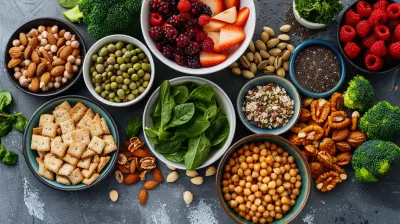
Plant-Based Picks That Promote Positivity in the Years Ahead
27 August 2026
There is a quiet revolution happening on dinner plates across the world. It is not loud or aggressive. It does not demand you join a tribe or burn your leather boots. It simply asks you to consider what you put into your body and how that choice ripples outward. The shift toward plant-based eating has moved far beyond the fringe. It is now a mainstream, science-backed approach to living longer, feeling sharper, and protecting the planet for the generations who will inherit it.
But let us be honest. The word "plant-based" can feel intimidating. It conjures images of bland salads, chalky protein powders, and endless explanations to relatives at Thanksgiving. That is a myth. A well-constructed plant-based diet is colorful, satisfying, and deeply nourishing. More importantly, it is one of the most powerful tools you have for shaping your mental and physical health in the decades to come. This article is not about convincing you to become a vegan overnight. It is about showing you which plant foods deserve a permanent spot in your rotation, why they work, and how to use them without falling into common traps.
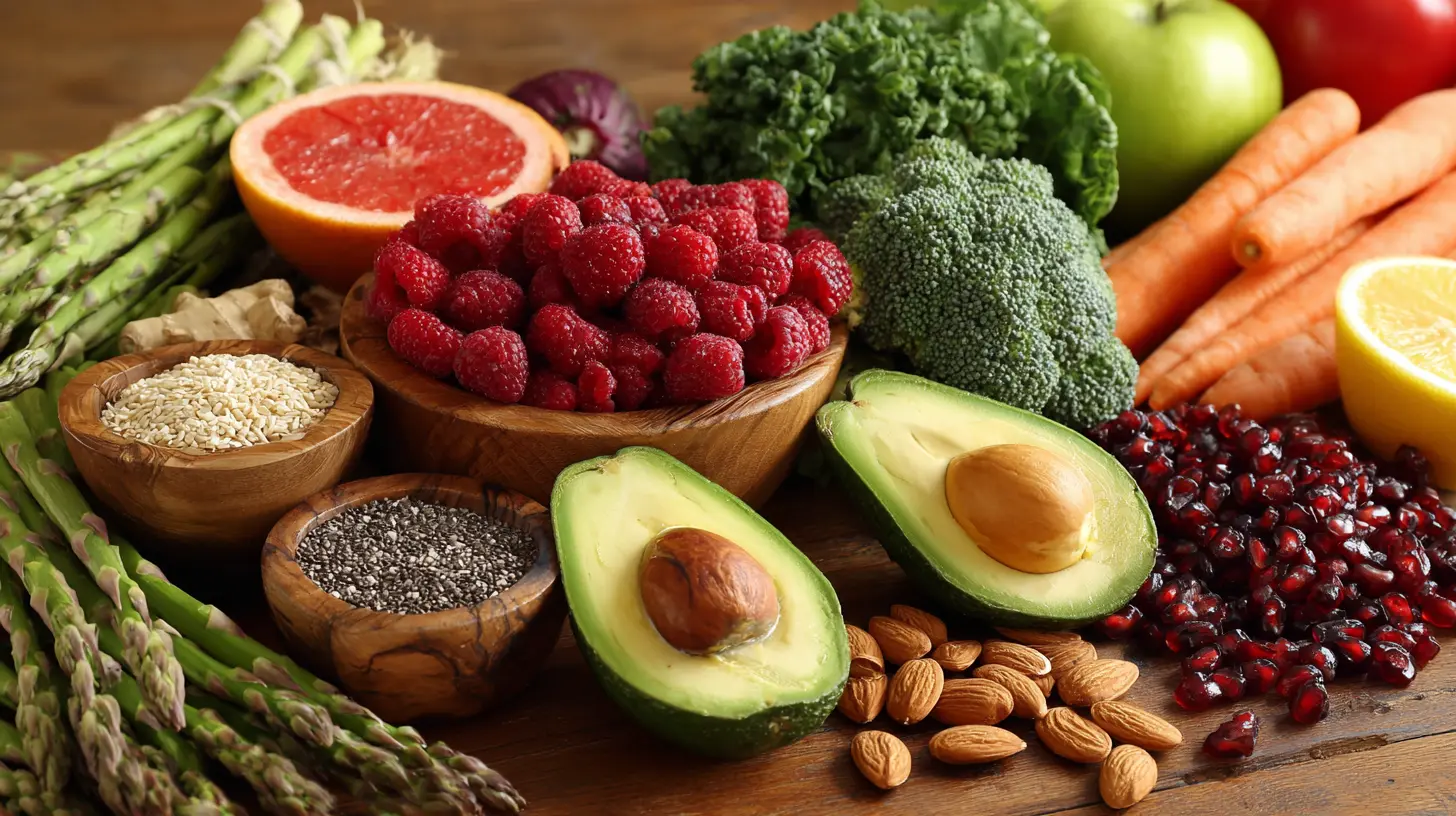
Why Positivity Starts with Your Plate
The connection between food and mood is not philosophical. It is biochemical. Your brain is an energy-hungry organ, consuming about twenty percent of your daily caloric intake. It relies on a steady supply of nutrients to produce neurotransmitters like serotonin, dopamine, and GABA. These chemicals regulate your mood, focus, and stress response. When you eat highly processed foods loaded with refined sugars and unhealthy fats, you create spikes and crashes in blood glucose. That rollercoaster directly affects your emotional stability. You feel energetic for an hour, then irritable and foggy for the next three.Plant foods, in contrast, provide a slow-release source of energy. They are rich in fiber, which slows digestion and keeps blood sugar steady. They are packed with antioxidants that reduce oxidative stress in the brain, a key factor in age-related cognitive decline. And they contain phytonutrients that support the gut-brain axis, the bidirectional communication system between your digestive tract and your central nervous system. A healthy gut microbiome produces short-chain fatty acids that influence brain function. Feed your gut well, and your brain reaps the reward.
This is not about chasing a fleeting "cleanse" or a temporary diet trend. It is about building a sustainable pattern of eating that supports your mental resilience for years. The choices you make today, at sixty, at forty, or at twenty-five, compound. Small consistent actions beat dramatic short-term overhauls every single time.
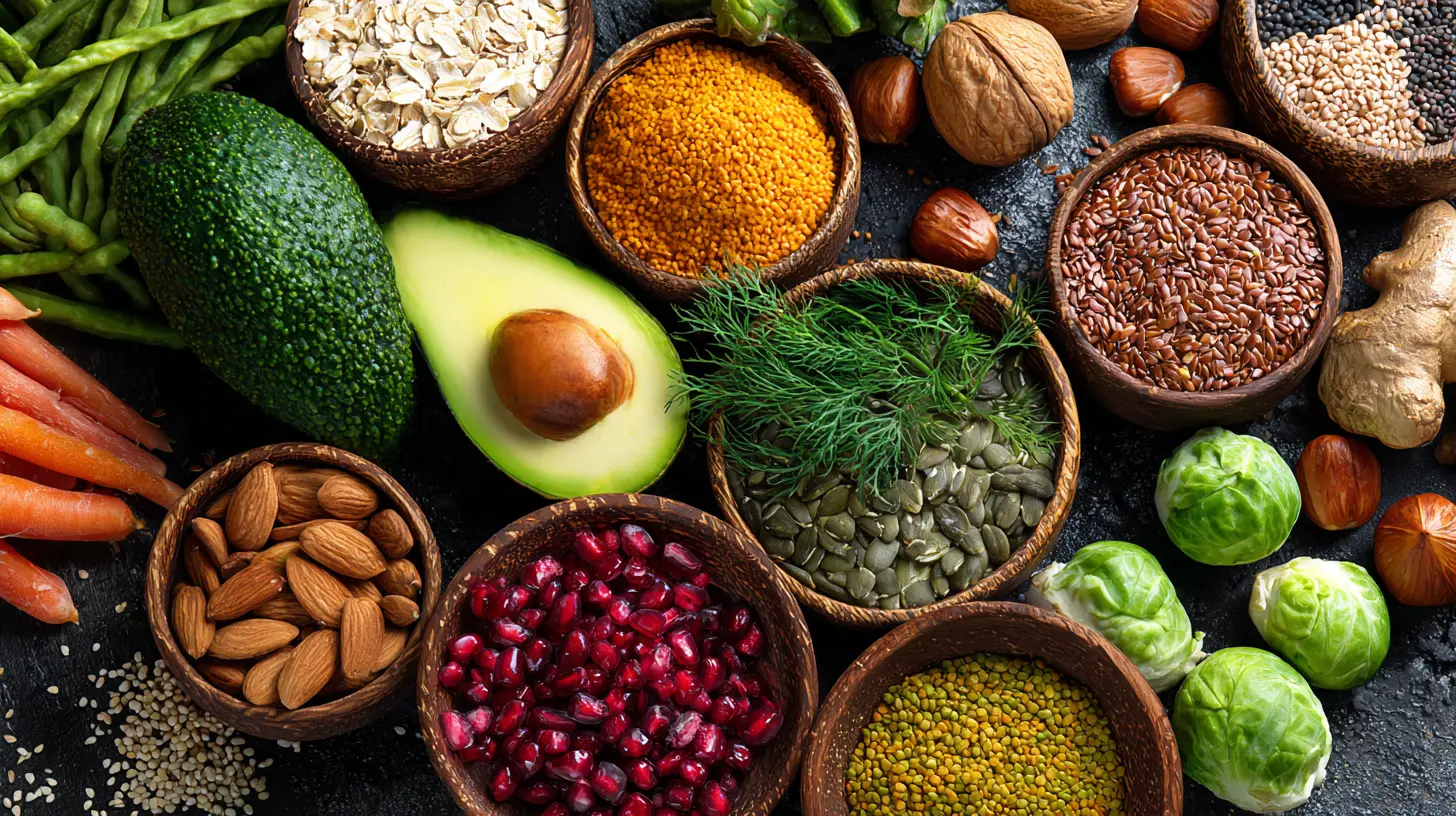
The Heavy Hitters: Foods That Deserve a Permanent Place in Your Kitchen
Not all plant foods are created equal. Some are nutritional powerhouses that punch far above their weight. Others are little more than expensive packaging. Here are the picks that matter most, based on decades of nutritional research and practical experience.Leafy Greens: The Unsung Heroes of Mental Clarity
Spinach, kale, Swiss chard, and collard greens are not just side dishes. They are foundational. These leaves are dense in folate, a B-vitamin that plays a direct role in the production of serotonin. Low folate levels have been linked to depressive symptoms in multiple clinical observations. They are also rich in magnesium, a mineral that calms the nervous system and helps regulate cortisol, your primary stress hormone.The practical challenge is volume. Most people eat a few sad leaves on a sandwich and call it a day. That is not enough. Aim for at least two cups of raw leafy greens per day, or one cup cooked. If you find the taste bitter, massage kale with a little olive oil and lemon juice. The acid breaks down the fibrous cell walls, making the leaves tender and sweeter. Add spinach to smoothies, but do not hide it. Blend it with frozen banana and peanut butter. You will not taste it, but your brain will thank you.
Berries: Antioxidant Artillery for the Aging Brain
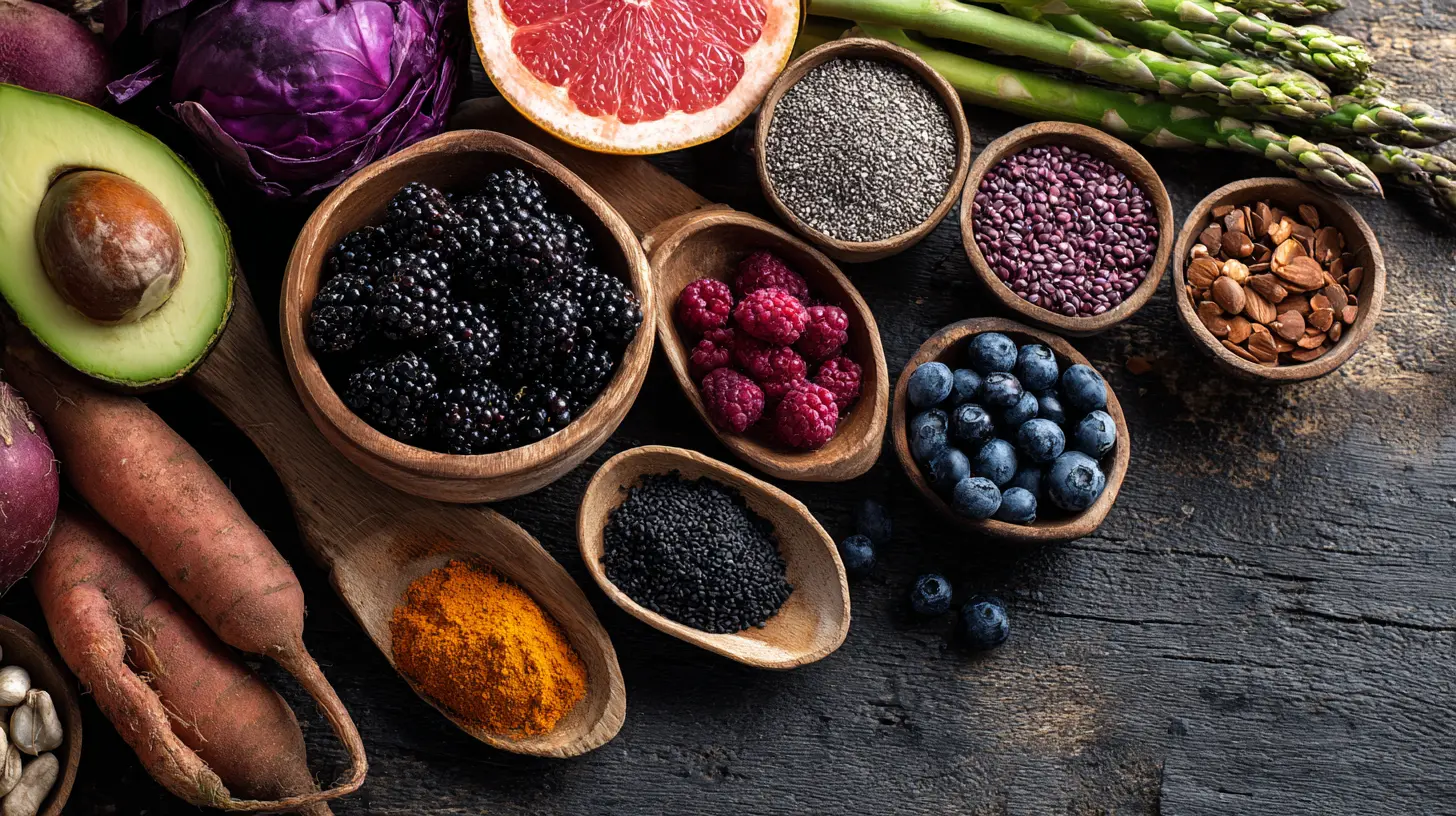
Blueberries, strawberries, raspberries, and blackberries are not just sweet treats. They are among the highest sources of flavonoids, particularly anthocyanins, which give them their deep red and purple hues. These compounds cross the blood-brain barrier and accumulate in areas responsible for learning and memory. Regular consumption has been associated with slower cognitive aging in observational studies. The effect is not massive, but it is measurable and consistent.The mistake people make is choosing dried berries or juices. Dried berries are often coated in added sugar. Juices strip away the fiber and concentrate the fructose. Whole, fresh, or frozen berries are the only versions that deliver the full benefit. Frozen berries are actually a smart choice. They are picked at peak ripeness and retain their nutrient profile well. Keep a bag in your freezer and add a handful to oatmeal, yogurt, or just eat them straight.
Legumes: The Protein and Fiber Duo That Keeps You Steady
Beans, lentils, chickpeas, and peas are the backbone of any serious plant-based diet. They are unique because they combine complex carbohydrates with protein and soluble fiber. This trio produces a very low glycemic response, meaning your blood sugar rises slowly and stays stable. That stability translates directly into stable mood and sustained energy.Lentils are particularly valuable because they cook quickly, about twenty minutes, without soaking. They are rich in iron, a mineral that is often overlooked in plant-based eating. Iron deficiency is one of the most common nutritional shortfalls worldwide, and it manifests as fatigue, brain fog, and irritability. Pair legumes with a source of vitamin C, like lemon juice or bell peppers, to enhance iron absorption. This is a simple, practical tip that most people never hear.
Nuts and Seeds: The Fat That Feeds Your Mind
Your brain is about sixty percent fat, and it needs a steady supply of healthy fatty acids to maintain its structure. Walnuts are a standout because they contain alpha-linolenic acid, a plant-based omega-3 fatty acid. While the conversion to the active forms EPA and DHA is inefficient in humans, walnuts still provide anti-inflammatory benefits on their own. Flaxseeds and chia seeds are also excellent, but they need to be ground for your body to access their nutrients. Whole seeds pass through your digestive tract largely intact.The common mistake here is portion control. Nuts are calorie-dense, and it is easy to eat a cup of almonds while watching television. That is not a problem if you are active, but it can derail weight management. A small handful, about thirty grams, is the sweet spot. Choose raw or dry-roasted varieties without added oil or salt. The flavored versions are usually coated in sugar and artificial seasonings that negate the health benefits.
Whole Grains: The Foundation That Is Often Overlooked
Oats, quinoa, brown rice, barley, and buckwheat are more than just fillers. They are complex carbohydrates that provide a slow, steady release of glucose, which is the primary fuel for your brain. Refined grains, like white bread and white rice, are stripped of their fiber and nutrients, causing rapid spikes in blood sugar. Whole grains keep you full longer and support a healthy gut microbiome because they contain prebiotic fibers that feed beneficial bacteria.Quinoa is often called a superfood, but it is really just a highly nutritious seed. It contains all nine essential amino acids, making it a complete protein, which is rare in the plant kingdom. That makes it an excellent base for meals, especially if you are active. But do not fall into the trap of eating quinoa every single day. Variety is more important than any single grain. Rotate your grains to get a broader spectrum of nutrients and to avoid food fatigue.
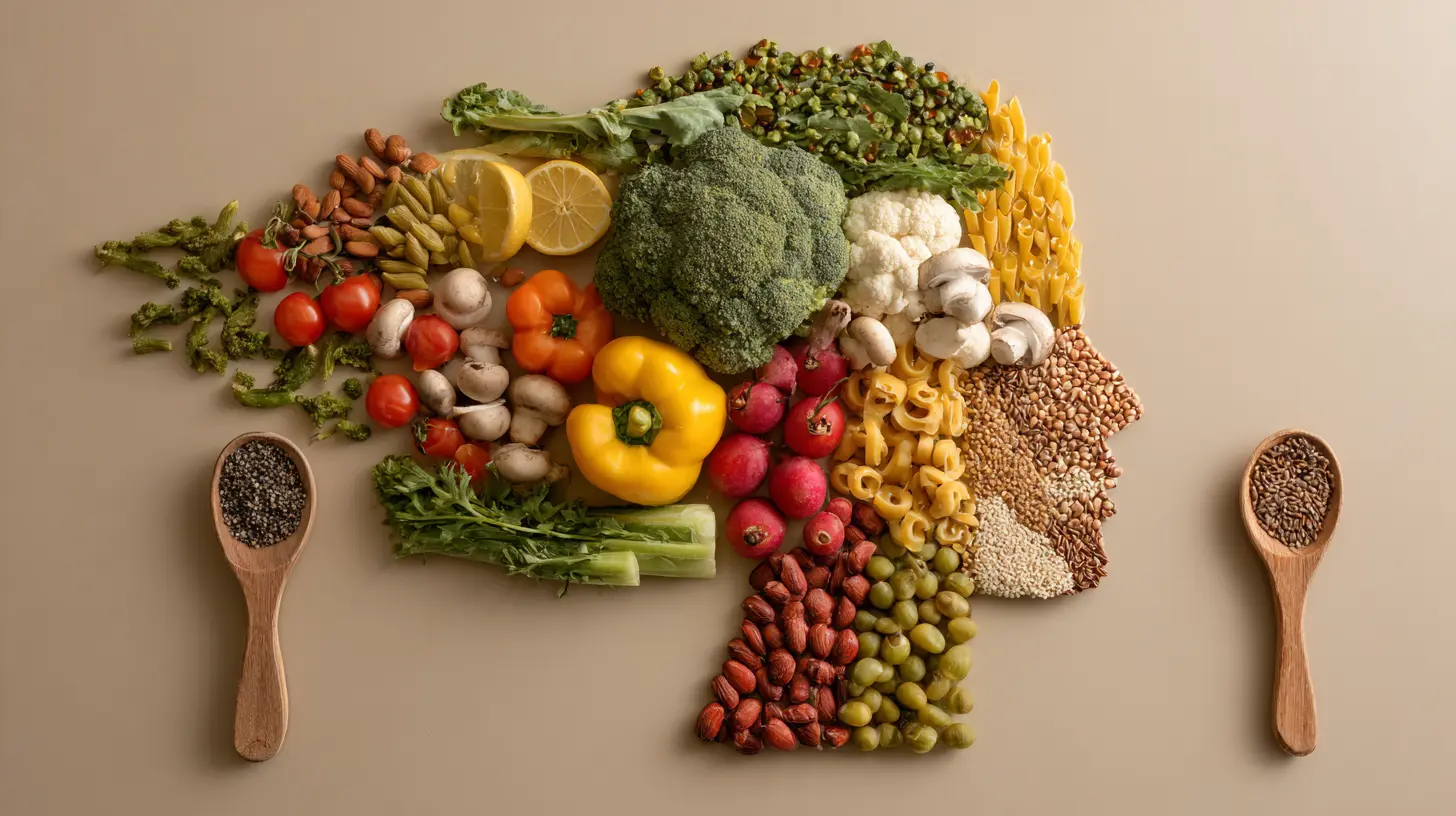
The Gut-Brain Connection: Why Your Second Brain Matters
You have likely heard the phrase "trust your gut." There is biological truth behind it. Your gastrointestinal tract contains over one hundred million neurons, more than your spinal cord. This enteric nervous system communicates directly with your brain via the vagus nerve. The food you eat shapes the composition of your gut microbiota, the trillions of bacteria that live in your colon. These bacteria produce neurotransmitters, including about ninety percent of your body's serotonin.This is why a plant-based diet is so powerful for mental health. Plant foods are rich in fiber, which is the preferred food source for beneficial gut bacteria. When these bacteria ferment fiber, they produce short-chain fatty acids like butyrate. Butyrate has anti-inflammatory properties and supports the integrity of the intestinal lining. A healthy gut lining prevents toxins from leaking into your bloodstream, a condition known as leaky gut, which has been linked to systemic inflammation and mood disorders.
The practical takeaway is simple. Eat a diverse range of plant foods. The more variety you have, the more diverse your gut microbiome becomes. Aim for at least thirty different plant foods per week. That sounds like a lot, but it includes herbs, spices, nuts, seeds, grains, fruits, and vegetables. A handful of parsley, a sprinkle of cinnamon, a few slices of avocado, all of these count. This is not about perfection. It is about expansion.
Practical Strategies for Making the Shift Without Losing Your Mind
Transitioning to a more plant-based diet does not have to be an all-or-nothing endeavor. In fact, the people who succeed long-term are those who take a gradual, flexible approach. Here are some strategies that work in the real world.Start with One Meal a Day
Do not try to overhaul your entire diet in a week. That is a recipe for burnout and frustration. Instead, pick one meal that you can consistently make plant-based. Breakfast is often the easiest. Swap your eggs for a bowl of oatmeal with berries and walnuts. Or try a smoothie with spinach, banana, and plant-based protein powder. Once that becomes a habit, add a plant-based lunch. Then, eventually, work on dinner. This slow approach allows your taste buds and your digestive system to adapt.Learn to Cook Beans from Scratch
Canned beans are convenient, but they are often loaded with sodium and can have a slightly metallic taste. Cooking dried beans is not difficult. Soak them overnight, rinse them, and simmer them for an hour or two. You can make a large batch on the weekend and store them in the fridge for the week. The flavor is superior, and you control the salt. This is one of the highest-leverage skills you can develop for plant-based eating.Embrace the Power of Umami
The most common complaint about plant-based food is that it tastes bland. That is a cooking problem, not a food problem. Plant foods are rich in glutamates, the compounds responsible for savory flavor. You just need to know how to unlock them. Roasting vegetables at high heat caramelizes their natural sugars. Adding a splash of soy sauce or miso paste provides a deep, salty richness. Nutritional yeast, which is deactivated yeast, has a cheesy, nutty flavor that adds depth to sauces and soups. Mushrooms, especially shiitake, are umami bombs. Use these techniques and you will not miss meat.Do Not Ignore Protein
The fear of protein deficiency is one of the biggest barriers to plant-based eating. It is largely unfounded for most people. If you are eating enough calories from a variety of whole plant foods, you are almost certainly getting enough protein. However, if you are an athlete or have higher protein needs, you need to be intentional. Tofu, tempeh, and seitan are excellent sources. Tempeh, which is fermented soybeans, has a firmer texture and a nutty flavor that holds up well in stir-fries. Seitan, made from wheat gluten, has a meaty texture that works well in stews. Include a source of protein in every meal and you will be fine.Common Mistakes and Misconceptions That Derail Progress
Even with the best intentions, people make errors that undermine their plant-based efforts. Here are the most common ones and how to avoid them.The Vegan Junk Food Trap
Just because something is plant-based does not mean it is healthy. Oreos are technically vegan. So are many potato chips and sugary sodas. A diet of processed vegan alternatives, like fake chicken nuggets and cheese substitutes, can be just as unhealthy as a standard Western diet. These products are often high in sodium, saturated fat, and refined carbohydrates. They are useful as transitional foods, but they should not be the foundation of your diet. Focus on whole, minimally processed foods.Over-Reliance on Soy
Soy is a controversial topic, but the evidence is clear that moderate consumption of whole soy foods is safe and beneficial. Tofu, tempeh, and edamame are excellent sources of protein and isoflavones, which have antioxidant properties. The concern arises with highly processed soy isolates, which are often added to protein bars and meat substitutes. These isolates may have different effects than whole soy. The practical advice is to eat soy in its traditional forms and avoid products that list soy protein isolate as a primary ingredient.Forgetting About Vitamin B12
This is the one nutrient that you cannot get reliably from plant foods. Vitamin B12 is produced by bacteria in the soil and is found in animal products. If you are eating a fully plant-based diet, you must supplement with B12. Deficiency can cause neurological damage, fatigue, and cognitive decline. This is not optional. A daily supplement of at least twenty-five micrograms is a safe and effective dose. Do not rely on fortified foods alone, as they are inconsistent. This is the single most important supplement for anyone following a vegan or near-vegan diet.Ignoring Omega-3s
While walnuts and flaxseeds provide alpha-linolenic acid, the conversion to EPA and DHA is limited. If you are not eating fish, you may want to consider an algae-based DHA supplement. Algae is the original source of omega-3s in fish, so this is a direct and sustainable option. This is especially important for pregnant women and older adults who have higher needs. It is a simple insurance policy for your brain health.
The Trade-Offs You Need to Consider
No diet is perfect, and plant-based eating has its challenges. It is important to be honest about them so you can make an informed decision.The Social Cost
Eating plant-based can be socially isolating. Dinner parties, work events, and family gatherings often revolve around meat-centric dishes. You will have to explain your choices repeatedly. You may feel like a burden when you ask for a special meal. This is a real trade-off. The best way to handle it is to bring a dish you can share. That way, you are contributing, not just taking. Also, most restaurants are increasingly accommodating. A little preparation goes a long way.The Time Investment
Cooking whole plant foods takes time. Beans need soaking. Grains need simmering. Vegetables need chopping. If you are used to throwing a chicken breast in the oven, you will need to adjust your routine. Batch cooking on the weekends is the best solution. Make a big pot of lentil soup, a tray of roasted vegetables, and a batch of quinoa. Then you have the building blocks for quick meals throughout the week. The time investment pays off in energy and health, but it is a real cost.The Caloric Density Issue
Plant foods are often less calorie-dense than animal products. That is generally a good thing for weight management, but it can be a problem if you are trying to maintain or gain weight. You may need to eat larger volumes of food to get enough calories. This can be uncomfortable, especially for older adults with smaller appetites. The solution is to include calorie-dense plant foods like nuts, seeds, avocados, and coconut milk in your diet. These provide concentrated energy without requiring you to eat enormous portions.A Sample Day of Eating for Positivity and Energy
To make this practical, here is an example of what a day of plant-based eating might look like. This is not a rigid prescription. It is a template you can adapt.Breakfast
Start with a bowl of rolled oats cooked in unsweetened soy milk. Stir in a tablespoon of ground flaxseed and a handful of blueberries. Top with a few chopped walnuts and a drizzle of maple syrup. This meal provides fiber, omega-3s, antioxidants, and steady energy for the morning.Lunch
Have a large salad with mixed greens, chickpeas, cherry tomatoes, cucumber, shredded carrots, and a quarter of an avocado. Dress it with olive oil, lemon juice, and a pinch of salt. Add a slice of whole grain toast with a thin layer of hummus. This is a filling, nutrient-dense meal that will not cause an afternoon crash.Snack
An apple with a tablespoon of almond butter is a classic combination. The fiber from the apple and the protein and fat from the almond butter keep you satisfied between meals. If you are craving something savory, a handful of roasted edamame works well.Dinner
Stir-fry some firm tofu with broccoli, bell peppers, and snap peas in a sauce made from soy sauce, garlic, ginger, and a little sesame oil. Serve it over a bed of brown rice. This meal is high in protein, rich in vitamins, and deeply satisfying. The combination of textures and flavors makes it feel indulgent, not restrictive.
The Long View: Why This Matters for the Years Ahead
The choices you make about food are not just about the next meal. They are about the next decade. The habits you build now will determine how you feel at sixty, seventy, and beyond. A plant-based diet, done correctly, is one of the most effective ways to reduce your risk of chronic diseases like heart disease, type 2 diabetes, and certain cancers. It also supports cognitive health, which becomes increasingly important as you age.But the benefits go beyond the physical. There is a psychological shift that happens when you take control of your nutrition. You stop being a passive consumer and become an active participant in your own health. That sense of agency is powerful. It builds confidence. It creates a positive feedback loop. You feel better, so you make better choices, which makes you feel even better.
This is not about perfection. It is about direction. You do not need to be a perfect vegan to reap the benefits. Even a fifty percent shift toward plant-based eating can have a significant impact. The key is consistency over time. Small changes, repeated daily, compound into remarkable results.
So start where you are. Add a handful of spinach to your next meal. Swap one meat-based dinner for a lentil stew. Try a new grain. Your future self, with a clearer mind and a more resilient body, will thank you.
all images in this post were generated using AI tools
Category:
Mood Boosting FoodsAuthor:

Jackson Mahoney
Discussion
rate this article
1 comments
Edward Lewis
In vibrant greens and golden grains, a garden blooms with hope and health. Each bite whispers joy, nurturing the spirit, leading us towards brighter tomorrows... embracing life's rich tapestry.
August 27, 2026 at 4:47 AM
Jackson Mahoney
Thank you for your beautiful words. They perfectly capture the essence of what we're striving for with plant-based living. Here's to nurturing joy and positivity together!