Plant-Based Proteins: How to Meet Your Nutritional Needs
3 February 2026
If someone told me ten years ago that I'd be writing passionately about peas and lentils like they're rockstars, I would've questioned their life choices. But here we are. And guess what? They're not just peas and lentils anymore—they're protein-packed powerhouses, and they're strutting their stuff on the plant-based runway.
Whether you're a full-blown vegan, a flexitarian dabbling in meatless Mondays, or just someone who thinks tofu sounds like a sneeze, you're probably wondering: Can plants really give me all the protein I need?
Spoiler alert: Yes, they absolutely can. And they might just do it while looking fabulous in a kale leaf wrap.
Let’s break it all down, one nutritious, fiber-filled bite at a time.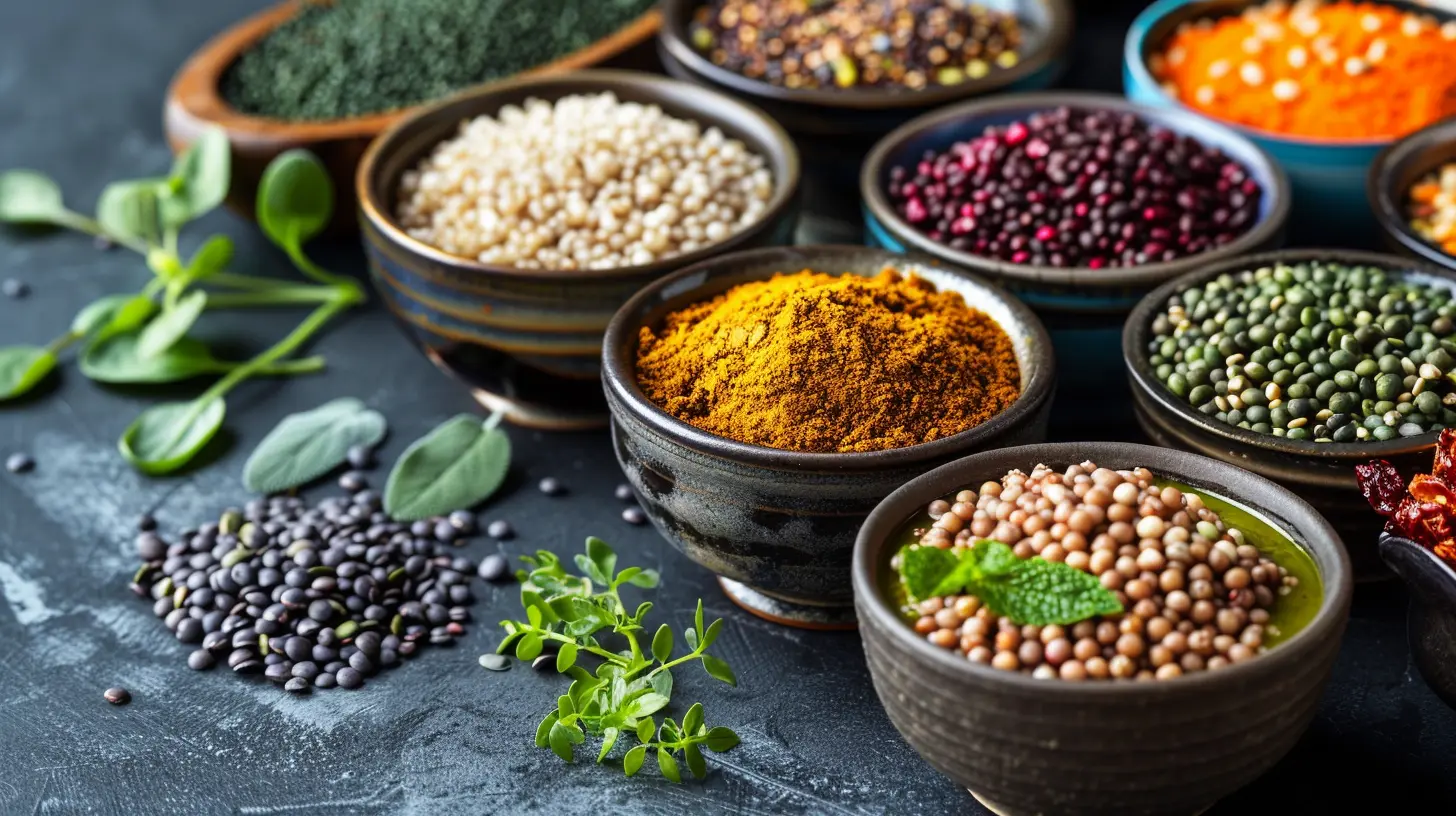
🥦 What Even Is Protein, and Why Should We Care?
You know that annoying gym bro always asking, “Bro, are you getting enough protein?” Turns out, he’s not entirely wrong to ask. Protein is essential. Like, "if-you-don’t-get-enough-you-may-literally-slowly-fade-away" kind of essential.Proteins are made up of amino acids, often nicknamed the "building blocks" of the body. They’re responsible for muscle repair, immune function, making enzymes, hormones, and keeping your hair fabulous (okay, maybe not just protein, but it helps).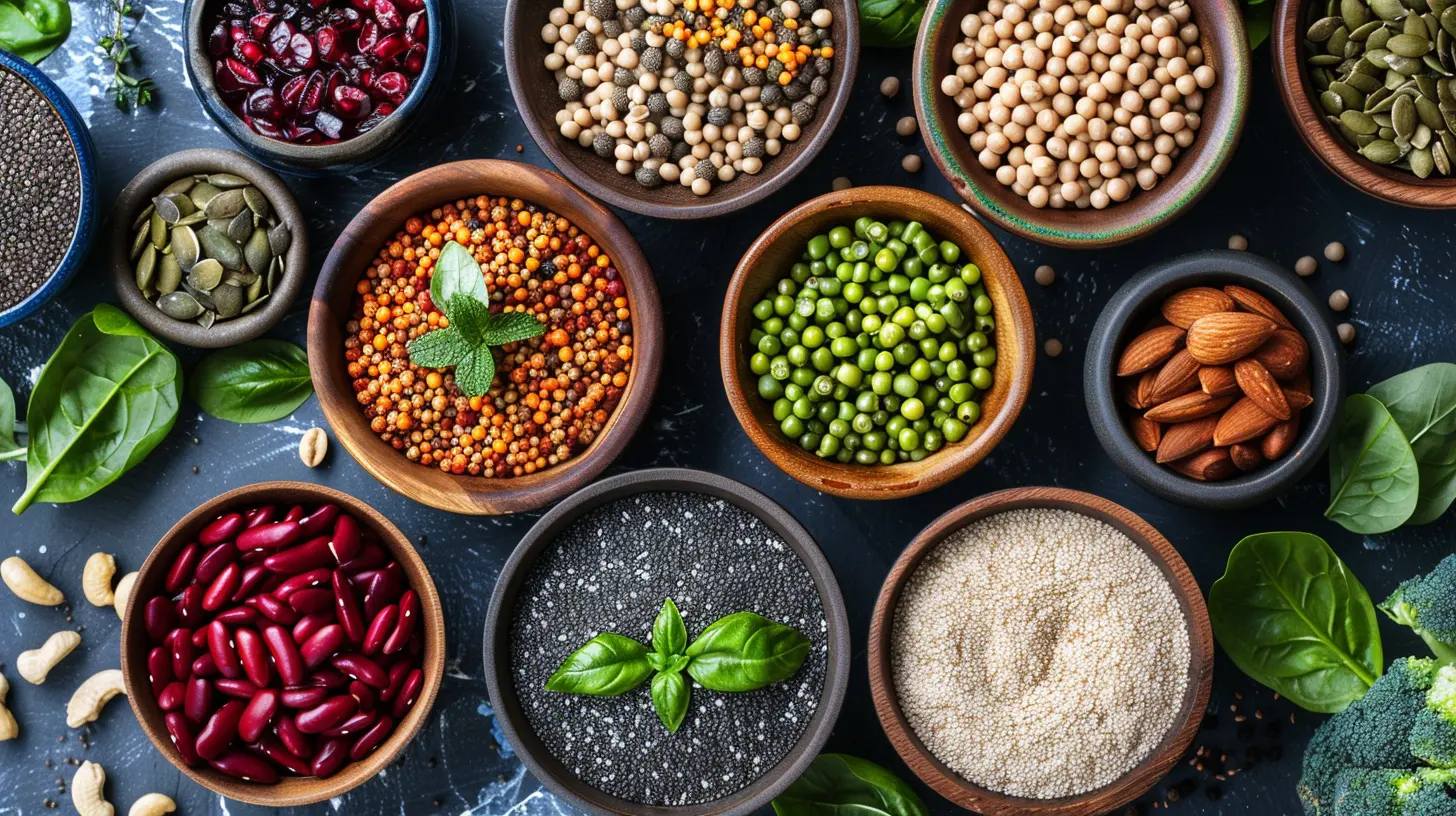
🌱 But... Can I Get Enough Protein From Plants?
Raise your hand if someone’s ever wrinkled their nose and asked, “Where do you get your protein?” when you mention you eat mostly plants. 🙋Here’s the truth bomb: Yes, plants have protein. And not just a sprinkle—some come packed like they're trying to win a bodybuilding competition.
The key? Variety. You don’t need to chug lentil smoothies 3 times a day. (Please don’t.)
Let’s dive into the top plant-based protein sources and how to make them work for you without turning your kitchen into a science lab.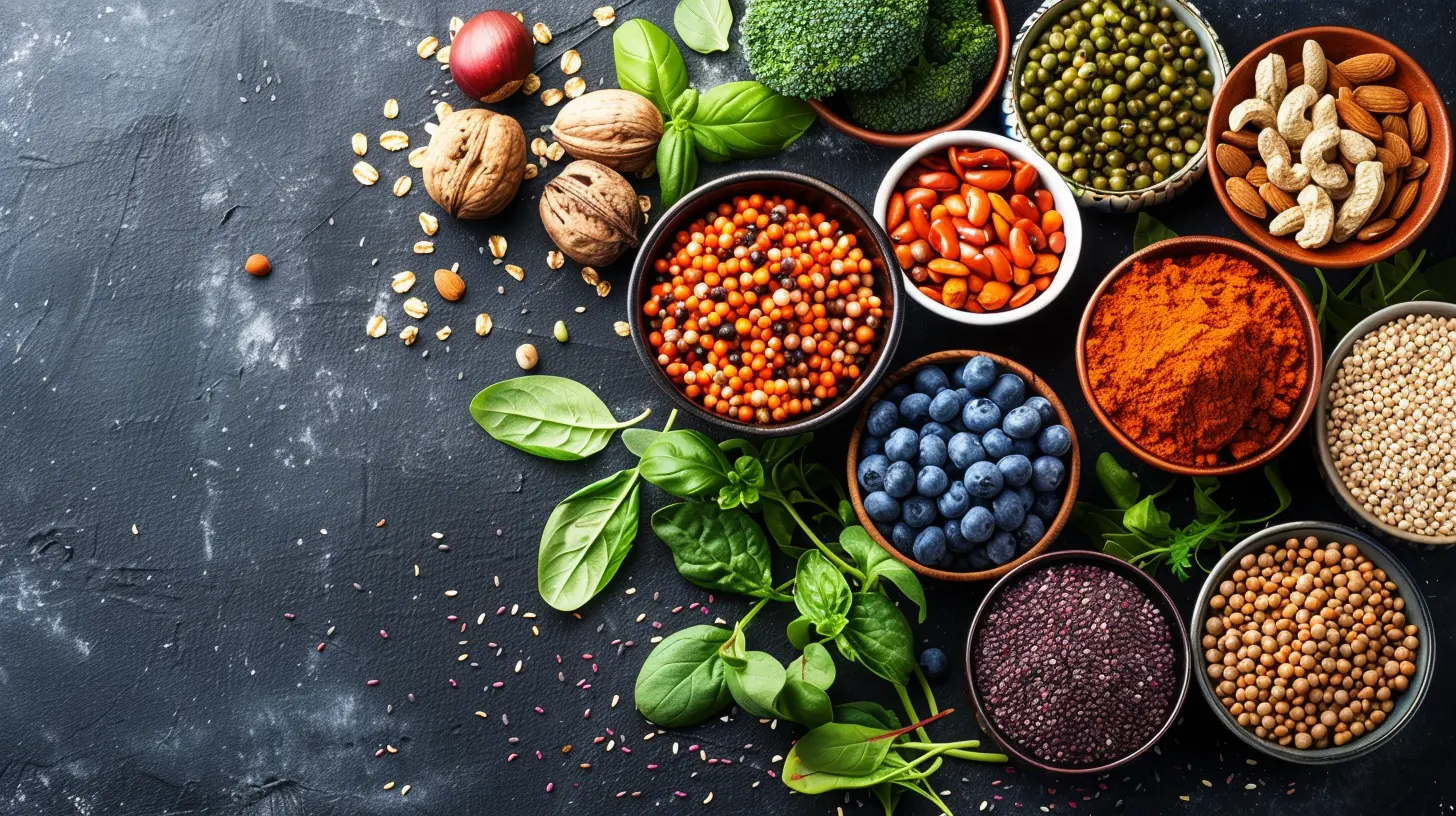
🥜 The Plant-Based Protein All-Stars
Move aside meat, there’s a new protein crew in town—and they’re flavorful, eco-friendly, and easier on the wallet.1. Legumes: The OG Protein Heroes
Examples: Lentils, chickpeas, black beans, kidney beansLegumes are the Beyoncé of the plant-based world. They’re versatile, powerful, and never offbeat. Lentils alone pack around 18 grams of protein per cooked cup.
Worried about the whole “incomplete protein” myth? Relax. While some plant proteins don’t include all nine essential amino acids, your body is smart enough to combine them over time. No need to play pop quiz with your meals.
Just eat a mix of grains and legumes throughout the day—beans with rice, hummus with pita—you’ve probably been doing it unconsciously already. Congrats, you’re a protein-matching pro.
2. Tofu & Tempeh: The Soy Squad
Soy is like the Swiss army knife of the plant world—it can be anything. Burgers, nuggets, even cheesecake. (Yes, I've had tofu cheesecake. No, I don't regret it.)- Tofu (8g protein per 100g) is made from coagulated soy milk. It’s basically bean curd, but way more attractive than it sounds.
- Tempeh (19g protein per 100g) is fermented soybeans with a nutty flavor and firm texture. It’s tofu’s rougher, more adventurous cousin.
They’re both complete proteins, meaning they contain all nine essential amino acids. High five, soybeans.
3. Seitan: The “Wheat Meat”
Seitan (not to be confused with Satan, unless you're really bad at cooking) is made from wheat gluten and has a surprisingly meaty texture.It boasts a jaw-dropping 25 grams of protein per 100g, which makes it the MVP of mock meats.
Warning: If you’re gluten-intolerant, you’ll want to back away slowly like it’s that guy at the party who brings up crypto.
4. Quinoa: The Pseudo-Cereal Superstar
It’s not just trendy—it’s functional. Quinoa is a complete protein, and one cooked cup delivers around 8 grams. Use it in salads, stir-fries, or just dump some avocado on top and pretend you’re a Pinterest chef.Bonus: It's also gluten-free and packed with fiber, magnesium, and iron. Basically, quinoa is the cool kid in whole grains.
5. Nuts and Seeds: Nature’s Crunchy Delight
Almonds, chia seeds, pumpkin seeds, sunflower seeds, flaxseeds—they’re not just for birds. They bring the protein AND the good fats.- Chia seeds: ~5g protein per 2 tablespoons
- Hemp seeds: ~10g per 3 tablespoons
- Peanut butter: ~8g per 2 tablespoons (spread that goodness generously)
Pro tip: Toss seeds into smoothies, oatmeal, or onto salads for the ultimate protein power-up.
6. Whole Grains: More Than Just Carbs
Brown rice, oats, barley, farro—they’re more than just sidekicks to your veggies. When paired wisely (like rice and beans, or oats and nuts), they help complete that amino acid circle of life.And if you ever get bored? Slap together a peanut butter banana oat smoothie and pretend you’re in a protein-rich tropical paradise.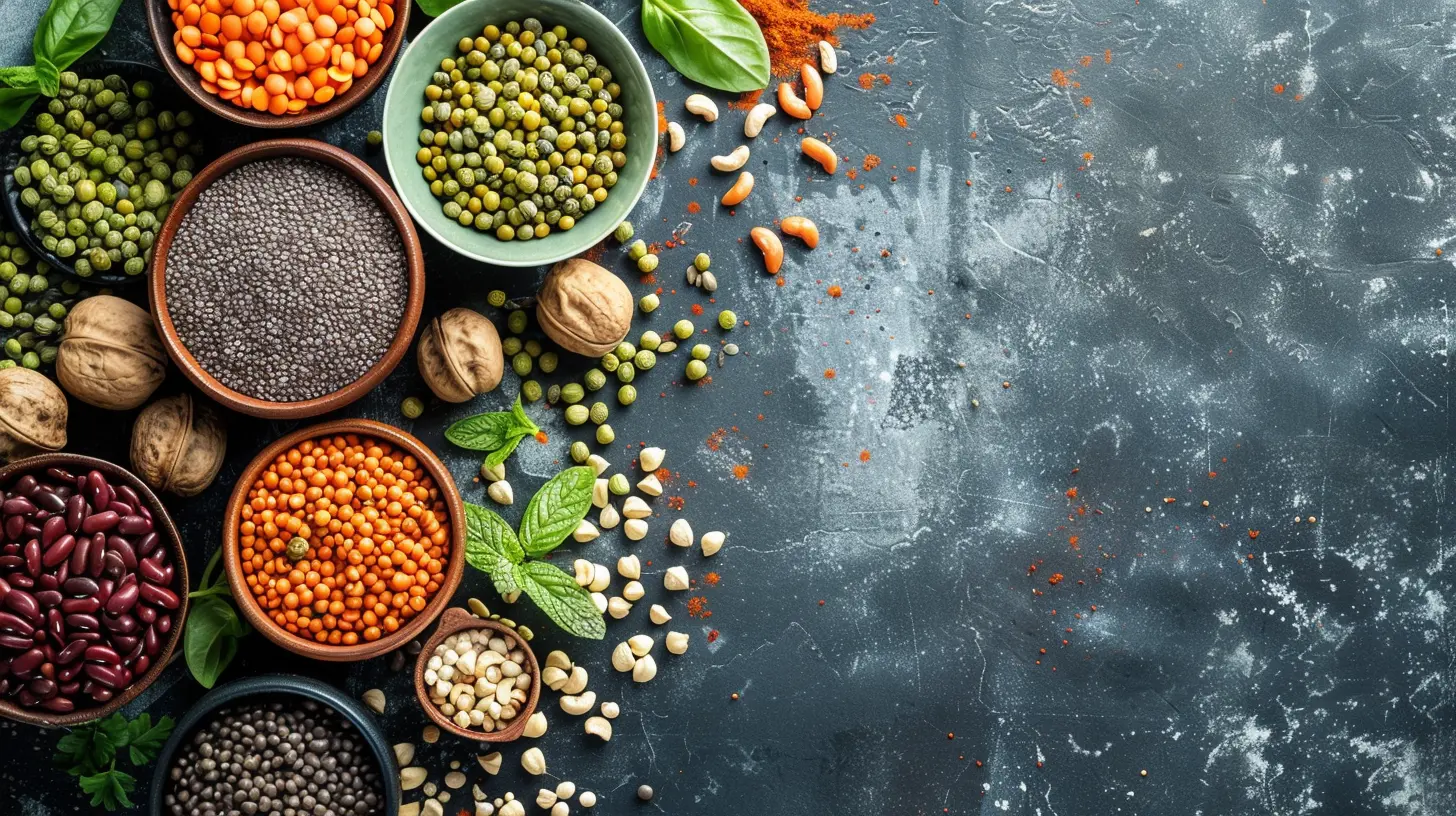
🚀 How Much Protein Do You Actually Need?
Let’s toss some numbers around without getting too math-y. The average adult needs about:- 0.8 grams of protein per kilogram of body weight (so about 56g per day for men, 46g for women, give or take)
Athletes, pregnant folks, or people training for competitive thumb wrestling may need more.
While it sounds daunting, you can hit your protein needs easily with a balanced plant-based diet. Here’s a tiny example:
- 1 cup cooked lentils: 18g
- 2 tablespoons peanut butter: 8g
- 3 oz tofu in a stir fry: 10g
- ½ cup quinoa: 4g
- 2 tablespoons hemp seeds: 6g
= 46g 🎉
Boom! You just protein-ed like a champ, and you didn’t even have to look at a chicken breast.
🧠 Wait… Am I Missing Nutrients with Plants?
Good question, friend. While plants can absolutely meet your protein needs, there are a few nutrients to keep on your radar:- Vitamin B12: Not naturally found in plants. Use fortified foods or supplements.
- Iron: Found in legumes and leafy greens, but plant-based iron (non-heme) isn’t absorbed as easily—pair it with vitamin C (like bell peppers or citrus).
- Omega-3s: Get these from flaxseeds, chia seeds, walnuts, or algae-based supplements.
- Zinc & Calcium: Beans, tofu, nuts, and leafy greens are your BFFs here.
Nothing a little nutrition literacy can’t handle. You got this.
🥗 Sample Plant-Powered Meal Plan (Protein Packed!)
Here’s a quick look at how a protein-filled day could go down:Breakfast
- Oatmeal with almond milk (protein-rich)- Topped with banana, chia seeds, and peanut butter
~15g protein
Lunch
- Lentil salad with quinoa, roasted veggies, and tahini dressing~22g protein
Snack Attack 🚨
- Hummus with whole grain crackers or veggie sticks- Handful of almonds or mixed nuts
~10g protein
Dinner
- Stir-fried tempeh with brown rice and broccoli- Sprinkled with sesame seeds
~25g protein
It’s effortless, delicious, and not a supplement in sight.
💡 Tips to Level-Up Your Plant Protein Game
Want to feel like a plant-powered superhero? Here’s how:1. Meal prep like a boss – Cook a big batch of quinoa or beans at the start of the week.
2. Stock up – Keep canned beans, frozen edamame, and nut butters handy for quick fixes.
3. Mix it up – Combine different protein sources for a full amino acid profile.
4. Become a label detective – Check for grams of protein on packaged foods. Some plant-based meats even pack up to 20g per serving.
5. Eat enough – Plants are lower in calories, so make sure you're eating enough volume to meet your needs.
🏋️ But What If I Work Out Like a Beast?
Protein timing and quantity matter most for athletes, but plant-based folks can still bulk, tone, and flex like anyone else.After your workout, grab a smoothie with plant-based protein powder (pea, rice, or hemp protein), or whip up a tofu scramble burrito. Your muscles don’t care where the amino acids come from—they just want more of them!
Besides, have you seen vegan bodybuilders? They’re not exactly withering away into lettuce leaves.
✌️ Final Thoughts: Plants Have Your Back (and Biceps)
Going plant-based doesn’t mean saying goodbye to gains, energy, or your favorite meals—it just means getting a little creative, playing matchmaker with your foods, and possibly befriending a chickpea or two.Protein isn’t some mythical beast only found in grilled chicken. It’s chilling in your pantry, hiding in your lentils, waving at you from your almond butter, and being fabulous in your tofu stir-fry.
So next time someone asks where you get your protein, just smile and say, “From plants—with style.
all images in this post were generated using AI tools
Category:
Plant Based DietAuthor:

Jackson Mahoney
Discussion
rate this article
2 comments
Callisto Wright
Thank you for this informative article! It's great to see a focus on plant-based proteins and their nutritional benefits. Your tips will surely help many people make healthier choices.
March 12, 2026 at 5:46 PM
Jackson Mahoney
Thank you for your kind words! I'm glad you found the article helpful and informative.
Rook Hudson
This article offers a comprehensive guide to incorporating plant-based proteins into our diets. I appreciate the practical tips and insights shared, which make it easier to meet our nutritional needs while embracing a healthier lifestyle. Thank you for promoting such an important topic!
February 3, 2026 at 4:56 AM
Jackson Mahoney
Thank you for your kind words! I'm glad you found the tips helpful for incorporating plant-based proteins into your diet. Your support means a lot!