Revolutionizing Healthcare Through AI by 2027
18 April 2026
Picture this: you walk into a clinic, and instead of traditional paperwork and long waits, you’re greeted by a friendly robot that takes your vitals, answers your questions, and even provides a preliminary diagnosis. Sounds like science fiction, right? But with the rapid advancements in artificial intelligence (AI), this scenario is not too far from reality. By 2027, AI is poised to revolutionize healthcare as we know it. Let’s dive into how this transformation will unfold, the challenges we might face, and the incredible potential that lies ahead.

The Current State of Healthcare
Before we jump into the future, it’s essential to understand where we stand today. The healthcare system, while advanced in many ways, still grapples with inefficiencies. Long wait times, misdiagnoses, and administrative burdens plague both patients and providers. For instance, did you know that doctors spend nearly 50% of their time on paperwork? Imagine if they could channel that time into patient care instead!Moreover, the healthcare data explosion—where billions of bits of data are generated daily from patient records, wearable devices, and more—has created both opportunities and challenges. How can we sift through this mountain of information to provide better care? Enter AI.
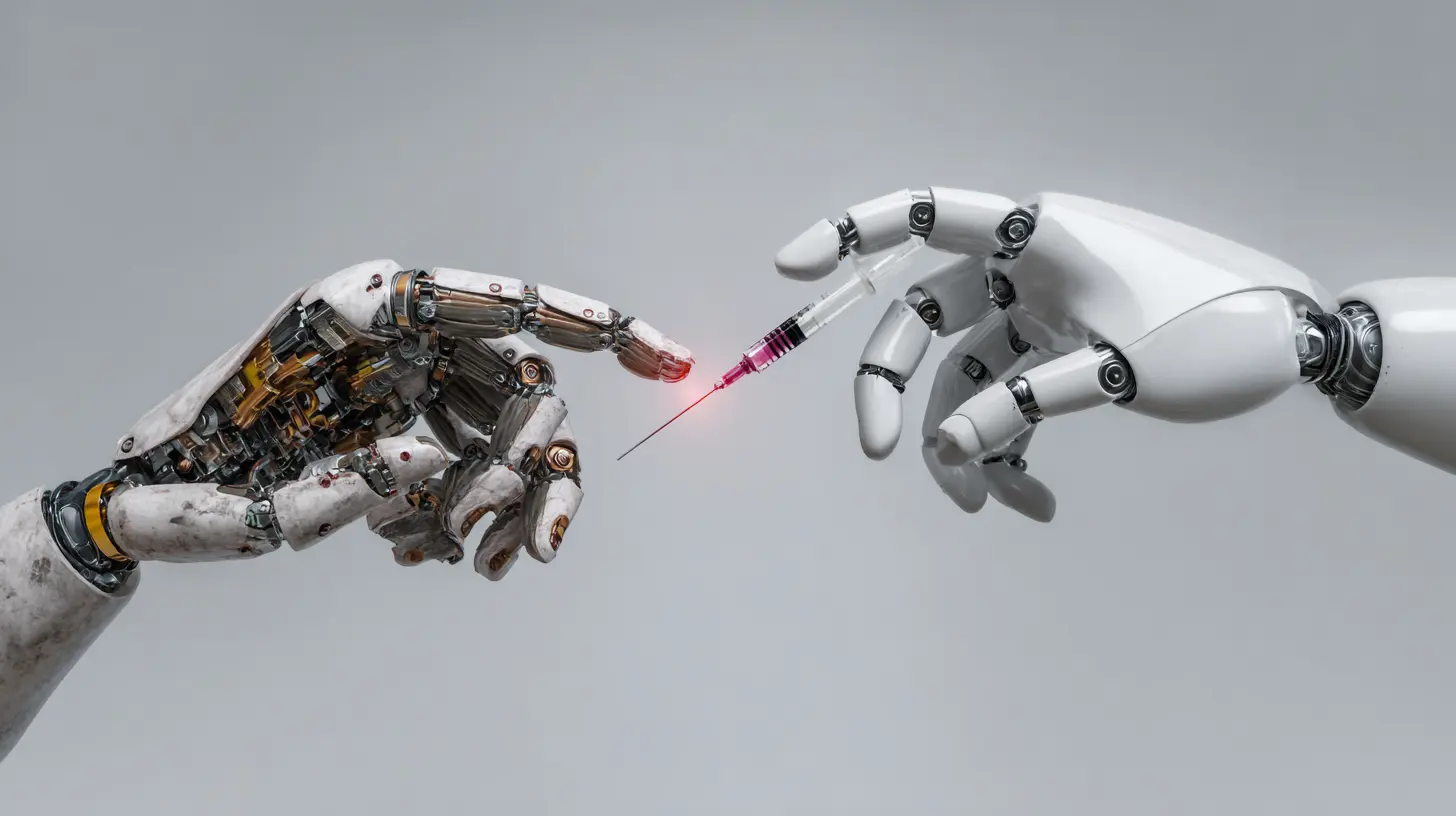
What is AI in Healthcare?
Artificial intelligence refers to the simulation of human intelligence processes by machines, especially computer systems. In healthcare, AI can analyze large datasets, recognize patterns, and even make predictions. Think of it as a super-charged assistant that never tires and can sift through endless data at lightning speed.Key Applications of AI Today
- Diagnosis and Treatment: AI algorithms can analyze medical images, such as X-rays and MRIs, with remarkable accuracy. In some studies, AI has outperformed human radiologists in detecting conditions like pneumonia or tumors.- Personalized Medicine: With AI, healthcare can become tailored to individual patients. By analyzing a patient’s genetic makeup, lifestyle, and previous health records, AI can aid in crafting personalized treatment plans that are much more effective.
- Operational Efficiency: AI can streamline administrative tasks, helping reduce costs and wait times. For instance, chatbots can manage appointment scheduling, while predictive analytics can help hospitals forecast patient inflow and adjust resources accordingly.
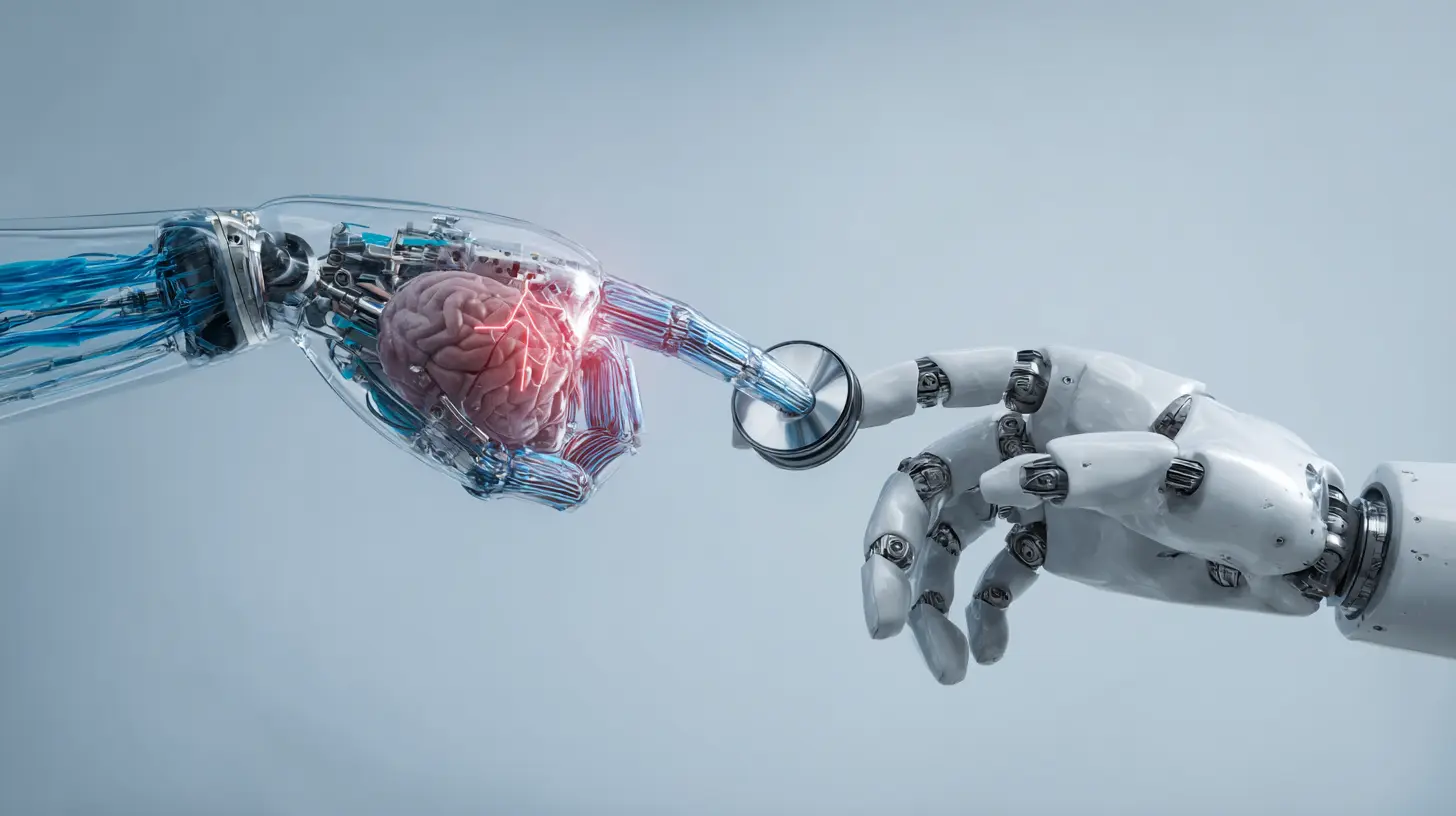
The Future: What to Expect by 2027
So, what does the future hold? By 2027, we can expect a healthcare landscape that is fundamentally redefined by AI. Here are some thrilling predictions:Enhanced Diagnostic Tools
Imagine walking into a clinic and having an AI-powered diagnostic tool that can analyze your symptoms, medical history, and even genetic information in real-time. By 2027, AI will have the capability to deliver instant and accurate diagnoses. For instance, a simple app on your phone could analyze your cough or skin rash, providing immediate feedback and suggestions for next steps.Virtual Health Assistants
The rise of virtual health assistants is on the horizon! Picture having a digital companion that reminds you to take your medication, schedules your doctor’s appointments, and even provides mental health support. These AI-driven assistants will be able to learn from your habits and preferences, making them even more effective in helping you manage your health.AI in Drug Discovery
One of the most exciting applications of AI lies in drug discovery. Traditionally, developing a new drug can take over a decade and cost billions. However, AI can streamline this process by predicting how different compounds will react in the human body. By 2027, we could see groundbreaking medications developed in just a fraction of the time, leading to quicker access to life-saving treatments.Predictive Healthcare
What if you could predict health issues before they even arise? Thanks to AI’s ability to analyze patterns, predictive healthcare is becoming a reality. By examining trends from vast datasets, AI could forecast potential health risks for individuals, allowing for preventive measures to be taken before problems escalate. It’s like having a crystal ball for your health!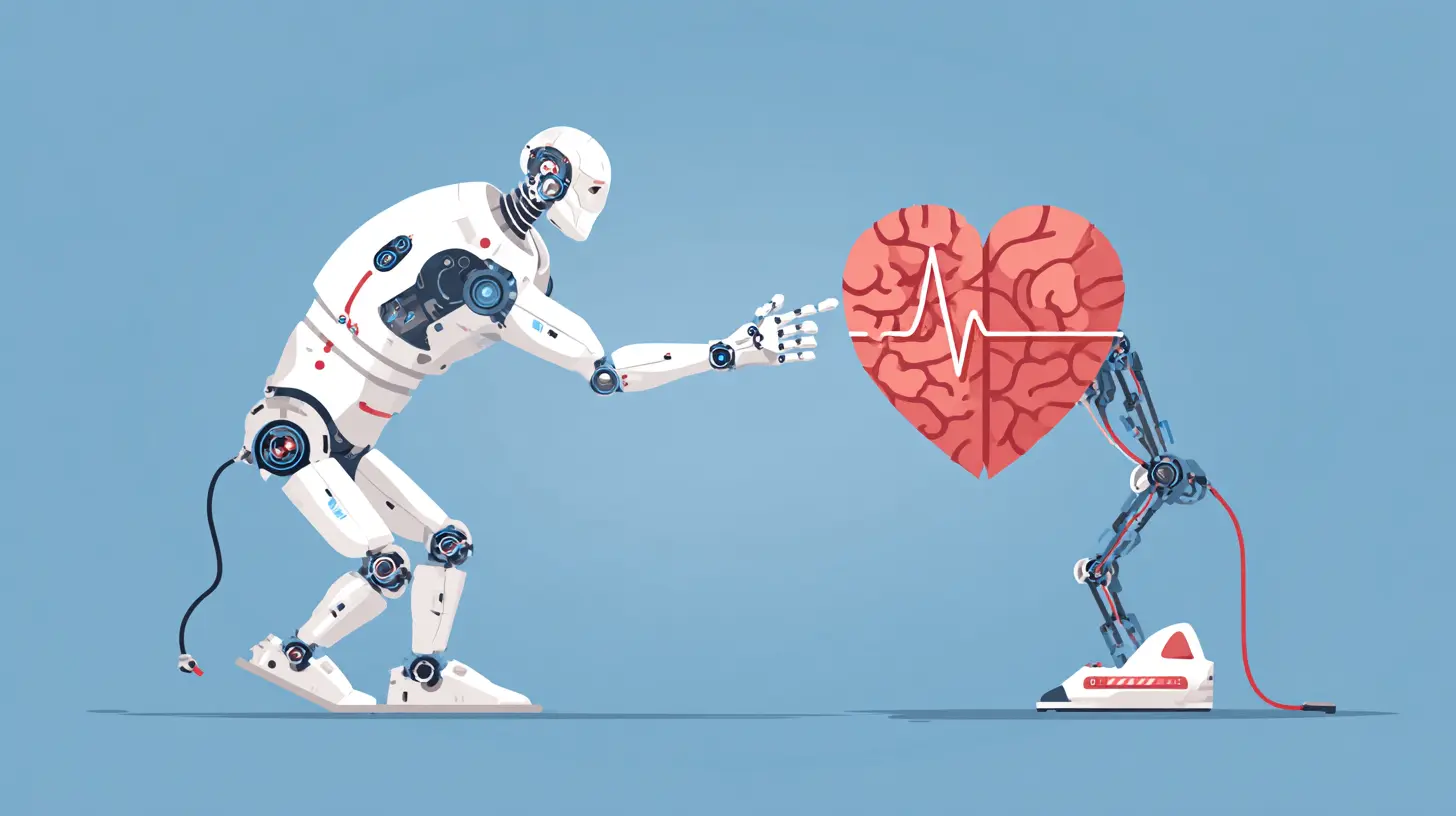
Challenges on the Horizon
While the future sounds exciting, it’s not without its challenges. As we integrate AI into healthcare, we must also address several critical issues:Data Privacy Concerns
With great power comes great responsibility! The more data we collect, the greater the risk of breaches and misuse. Ensuring patient privacy while leveraging AI is paramount. By 2027, robust cybersecurity measures will need to be in place to protect sensitive health information.Ethical Considerations
AI-driven decisions can sometimes lack the human touch, leading to ethical dilemmas. For instance, how do we ensure that AI systems don’t perpetuate biases present in training data? As we move forward, healthcare providers will need to grapple with these ethical challenges to maintain trust.Integration with Existing Systems
Integrating AI into current healthcare infrastructures can be complex. Many providers still rely on outdated systems that may not be compatible with new technologies. A unified approach that allows seamless integration will be crucial for maximizing the benefits of AI.The Human Element
While AI offers incredible advancements, we must remember that healthcare is inherently human. The best outcomes come from a balance between technology and the compassion of healthcare providers. By 2027, the most successful healthcare systems will be those that leverage AI while maintaining the personal connection between doctors and patients.Training Healthcare Professionals
As AI becomes more prevalent, training healthcare professionals to work alongside these technologies is essential. Rather than viewing AI as a replacement, it should be seen as a powerful tool that enhances their capabilities. Continuous education and training programs will be vital to equip professionals with the necessary skills.
The Role of Patients
Patients will also play a crucial role in this transformation. With AI becoming more integrated into healthcare, individuals will need to engage actively in their health journeys. For example, understanding how to use health-tracking apps or AI-powered platforms effectively will empower patients to take charge of their well-being.Embracing Telehealth
The pandemic has already accelerated the adoption of telehealth, and by 2027, it’s likely to be a staple in healthcare. AI will enable more sophisticated telehealth services, providing patients with instant access to medical advice and support without ever leaving their homes.Conclusion: A Bright Future Ahead
In conclusion, the future of healthcare looks incredibly promising with the integration of AI. By 2027, we can expect enhanced diagnostic tools, personalized medicine, virtual health assistants, and predictive healthcare solutions. While challenges like data privacy and ethical considerations must be addressed, the potential for improved patient outcomes is enormous.So, are you ready for this revolution? The journey to a more efficient, effective, and compassionate healthcare system is just beginning, and the role of AI will be at the forefront. As we embrace these changes, the healthcare experience for both patients and providers will undoubtedly become better, brighter, and more human.
all images in this post were generated using AI tools
Category:
Health TrendsAuthor:

Jackson Mahoney
Discussion
rate this article
2 comments
Bryce McClellan
This article raises fascinating questions about the future of healthcare! How will AI shape patient experiences and outcomes by 2027? I'm curious to see how these advancements will tackle existing challenges in the healthcare system.
April 24, 2026 at 3:21 AM
Jackson Mahoney
Thank you! By 2027, I believe AI will enhance patient experiences through personalized care, improved diagnostics, and streamlined processes, ultimately addressing many current challenges in healthcare.
Abigail McGovern
By 2027, I expect my AI doctor to not only diagnose but also recommend which pizza toppings will boost my health. Priorities, right? Let’s hope it’s pepperoni! 🍕
April 21, 2026 at 4:30 PM
Jackson Mahoney
Sounds like a tasty plan! Balancing health with favorites like pepperoni could make for some deliciously smart healthcare choices!