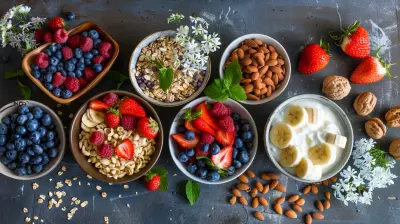
Salad-Friendly Foods That Curb Sugar Cravings
18 October 2026
Sugar cravings rarely announce themselves politely. They arrive mid-afternoon, after a stressful meeting, or an hour after a meal that looked balanced on paper but left you hungry. For people trying to build meals around salads, the challenge is real: a bowl of greens can be nutritious and still fail to silence a craving for something sweet. The solution is not willpower. It is food composition.
Certain salad-friendly ingredients genuinely blunt sugar cravings, not through distraction but through physiology. Protein and fat slow digestion and stabilize blood glucose. Fiber feeds the gut and creates physical fullness. Specific flavors and textures can satisfy the sensory pull of sweetness without a blood sugar spike. This article explains which foods work, why they work, how to combine them, and where common advice goes wrong.
Why Salads Often Fail to Stop Sugar Cravings
A salad of lettuce, cucumber, tomato, and a light vinaigrette is mostly water and fiber. It fills the stomach briefly, then empties quickly. Blood glucose may rise modestly and fall soon after, and the brain registers hunger again, often with a preference for fast energy: something sweet.The fix is not abandoning salads. It is treating the salad as a delivery system for three components that regulate appetite: protein, fat, and fiber, with enough total calories to matter. A salad that curbs cravings looks different from a salad built purely for low calories. It includes legumes, eggs, cheese, nuts, seeds, avocado, or chicken. It has a dressing that contains fat. It is eaten slowly and chewed well.
There is also a psychological dimension. Restriction increases craving. A salad that feels like punishment, plain and joyless, triggers rebound eating later. A satisfying salad, with crunch, salt, acid, fat, and umami, reduces the sense of deprivation that drives sugar seeking. The foods below earn their place because they do both jobs: they satisfy and they regulate.
The Physiology of a Sugar Craving
Before choosing ingredients, it helps to understand what a craving actually is. It is not a character flaw. It is a signal shaped by several systems.Blood glucose fluctuation is one driver. Meals high in refined carbohydrates produce a rapid rise and a compensatory fall, and the fall can trigger hunger and a desire for quick energy. Meals that produce a gentler curve reduce this pattern.
Hormones matter. Ghrelin rises when the stomach is empty; leptin signals satiety from fat tissue. Protein and fiber influence both, and they also stimulate satiety hormones such as GLP-1 and peptide YY, which slow gastric emptying and signal fullness to the brain.
The gut microbiome is another factor. Fiber-rich foods feed bacteria that produce short-chain fatty acids, which influence appetite signaling and metabolic health. A diet low in fermentable fiber may leave this system undernourished.
Finally, habit and reward. Sugar activates reward pathways, and repeated pairing of stress or fatigue with sweets strengthens the association. Food cannot erase a habit, but it can reduce the biological push behind it, making the habit easier to interrupt.
Protein: The Anchor of a Craving-Resistant Salad
Protein is the most reliable appetite regulator in the salad bowl. It increases satiety, supports muscle maintenance, and has a higher thermic effect than fat or carbohydrate, meaning the body spends more energy digesting it. It also slows the rate at which the stomach empties when eaten with other foods.Eggs
A chopped hard-boiled egg adds about six grams of complete protein and a range of micronutrients, including choline. Eggs are inexpensive, portable, and pair with nearly any salad style. Two eggs turn a side salad into a meal. For people watching saturated fat, egg whites work, though the yolk carries most of the satiety and nutrients.Fish and Seafood
Canned salmon, sardines, tuna packed in olive oil, and leftover grilled fish are excellent additions. Fatty fish provides protein plus omega-3 fats, which support cardiovascular health and add richness that makes salads satisfying. Sardines deserve special mention: they are affordable, sustainable in many fisheries, and bring salt and umami that reduce the need for sweet dressings.Poultry and Lean Meat
Grilled chicken, turkey, and lean beef are straightforward choices. The practical advice is to cook extra protein whenever you cook, then refrigerate portions for salads during the week. This single habit does more for craving control than any dressing recipe.Legumes
Chickpeas, lentils, black beans, and edamame deliver protein plus fiber, a combination that is especially effective for satiety. A half cup of chickpeas adds roughly six to seven grams of protein and several grams of fiber. Legumes also feed gut bacteria. For people who find beans heavy, rinse canned beans well and start with smaller portions.Dairy
Greek yogurt, cottage cheese, and crumbled feta or goat cheese add protein and creaminess. A dollop of plain Greek yogurt mixed with lemon and herbs makes a dressing that feels indulgent while adding protein. Cottage cheese, often overlooked, is high in protein and works as a base for creamy dressings when blended.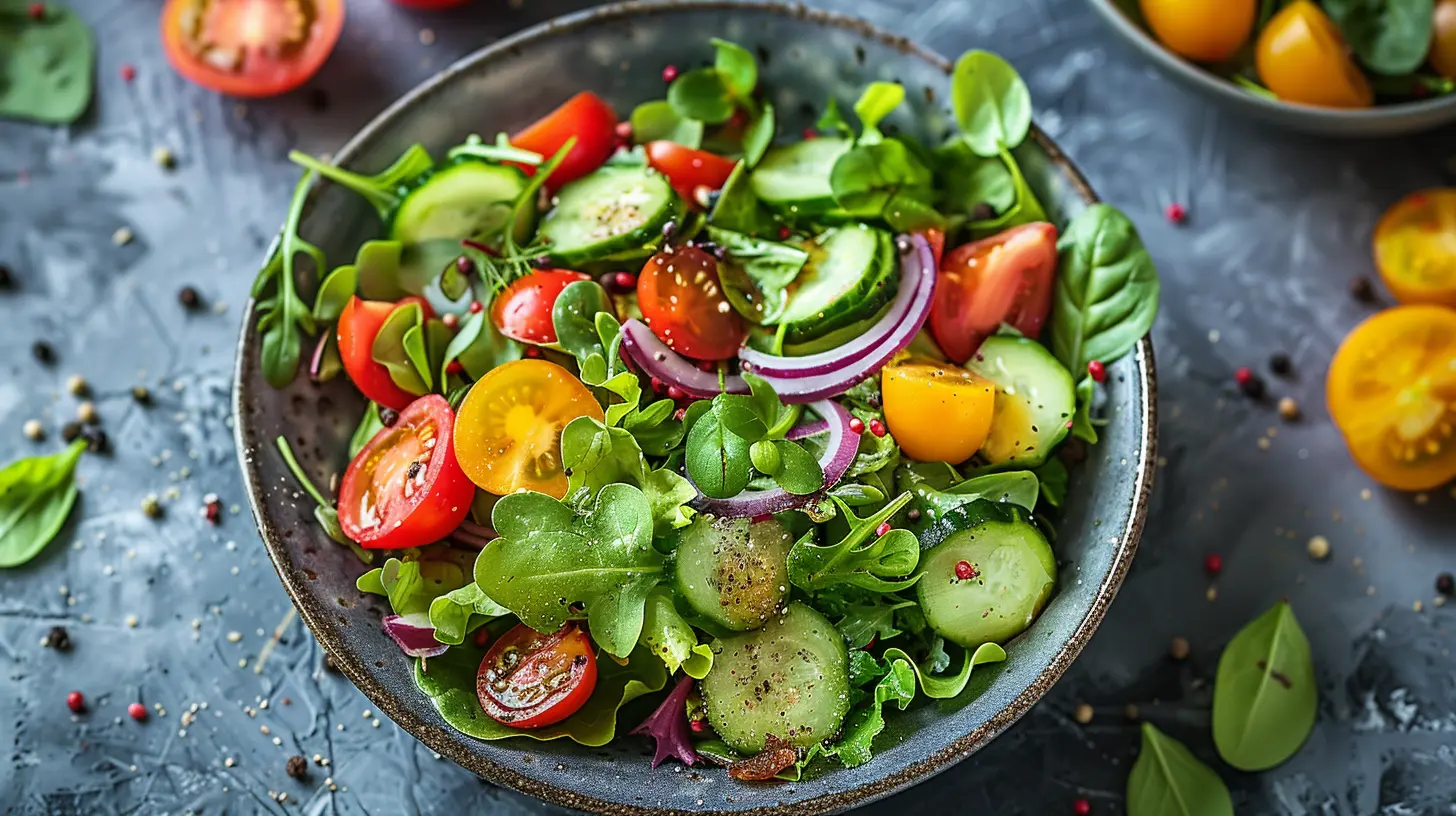
Fat: The Satiety Multiplier
Fat has a reputation problem that persists despite decades of evidence that moderate fat intake supports satiety and does not, by itself, cause weight gain. Fat slows gastric emptying, carries flavor, and helps absorb fat-soluble vitamins from the vegetables in the salad. A fat-free salad is often a less satisfying salad, and less satisfying meals lead to more snacking.Avocado
Half an avocado adds monounsaturated fat, fiber, and potassium. Its creamy texture substitutes for the richness that creamy dressings provide, and it pairs well with acidic ingredients like lime and vinegar. Avocado is calorie-dense, so portion awareness matters, but the satiety per calorie is high.Nuts and Seeds
Walnuts, almonds, pumpkin seeds, sunflower seeds, hemp hearts, and chia seeds all contribute fat, protein, and fiber in a compact form. Chewing nuts takes time, which slows the meal and increases awareness of fullness. A small handful, roughly a quarter cup, is enough. Hemp hearts and chia are useful for people who dislike crunchy textures; they blend into dressings and yogurt.Olive Oil and Other Liquid Fats
A dressing made with olive oil, vinegar, and mustard is a classic for good reason. The oil carries flavor and slows digestion; the vinegar adds acid that cuts richness. Two tablespoons of olive oil is a reasonable amount for a main-course salad. People who prefer lighter dressings can use less oil and more acid, but should compensate with another fat source such as nuts or cheese.Cheese
Feta, goat cheese, parmesan, and blue cheese add concentrated flavor, so a little goes far. Strong cheeses satisfy the palate quickly, which reduces the tendency to keep eating. Shaved parmesan over greens with lemon and olive oil is a minimalist example of a salad that feels complete.Fiber: Volume, Slowness, and Gut Support
Fiber contributes to satiety through volume, chewing time, and fermentation in the colon. Soluble fiber forms gels that slow digestion; insoluble fiber adds bulk and speeds transit. Most whole plant foods contain both.Leafy Greens
Spinach, kale, arugula, romaine, and mixed greens provide volume and micronutrients for very few calories. Arugula and other peppery greens add flavor complexity that makes salads more interesting. Vary greens across the week for different textures and nutrient profiles.Cruciferous Vegetables
Broccoli, cauliflower, cabbage, and Brussels sprouts are high in fiber and contain compounds studied for their role in health. Shredded cabbage in particular adds crunch and holds up well with dressings, making it useful for packed lunches. Raw cruciferous vegetables can cause bloating in some people; lightly steaming or massaging with salt and acid reduces this.Root Vegetables and Squash
Roasted beets, carrots, and sweet potato add natural sweetness, which is relevant here. A salad with roasted beets can satisfy a sweet tooth with far more fiber and far less sugar than a dessert. Roasting concentrates sweetness, so a little goes a long way. These vegetables also add warmth and substance, making salads feel like meals in colder months.Legumes and Whole Grains
As noted, legumes provide fiber and protein. Whole grains such as quinoa, farro, and brown rice add chewy texture and slow-digesting carbohydrate. A salad with a half cup of quinoa is more sustaining than the same salad without it. For people who experience strong sugar cravings after carbohydrate-containing meals, keeping the grain portion modest and pairing it with protein and fat is the practical approach.
Foods With Specific Craving-Curbing Properties
Beyond the macronutrient categories, some salad-friendly foods have particular characteristics worth highlighting.Fermented Foods
Sauerkraut, kimchi, and fermented pickles add tang, salt, and live cultures. The sour flavor can substitute for sweet cravings; many people find that a strongly flavored, acidic salad ends a meal with a satisfied palate rather than a desire for dessert. Fermented foods also support gut health, though evidence on direct craving effects is preliminary and should be described as promising rather than proven.Bitter Greens
Radicchio, endive, dandelion greens, and escarole bring bitterness that balances richness and slows eating. Bitter flavors are an acquired taste, but they train the palate away from sweetness over time. A salad that includes bitter greens and a sharp dressing feels complete in a way that sweet dressings do not.Cinnamon and Spices
Cinnamon is often mentioned in the context of blood sugar. The evidence is mixed and modest; it is not a treatment for diabetes or a substitute for medical care. However, cinnamon adds sweetness perception without sugar, and a pinch in a yogurt-based dressing or over roasted vegetables is a reasonable culinary tool. The same applies to vanilla extract, nutmeg, and cardamom: they create a sense of sweetness that can reduce the pull toward dessert.Protein-Rich Dressings
Blended cottage cheese, Greek yogurt, or silken tofu with lemon, garlic, and herbs creates a creamy dressing with protein. This is one of the most practical upgrades available: it turns dressing from a source of empty calories into a satiety contributor.Building a Salad That Actually Curbs Cravings
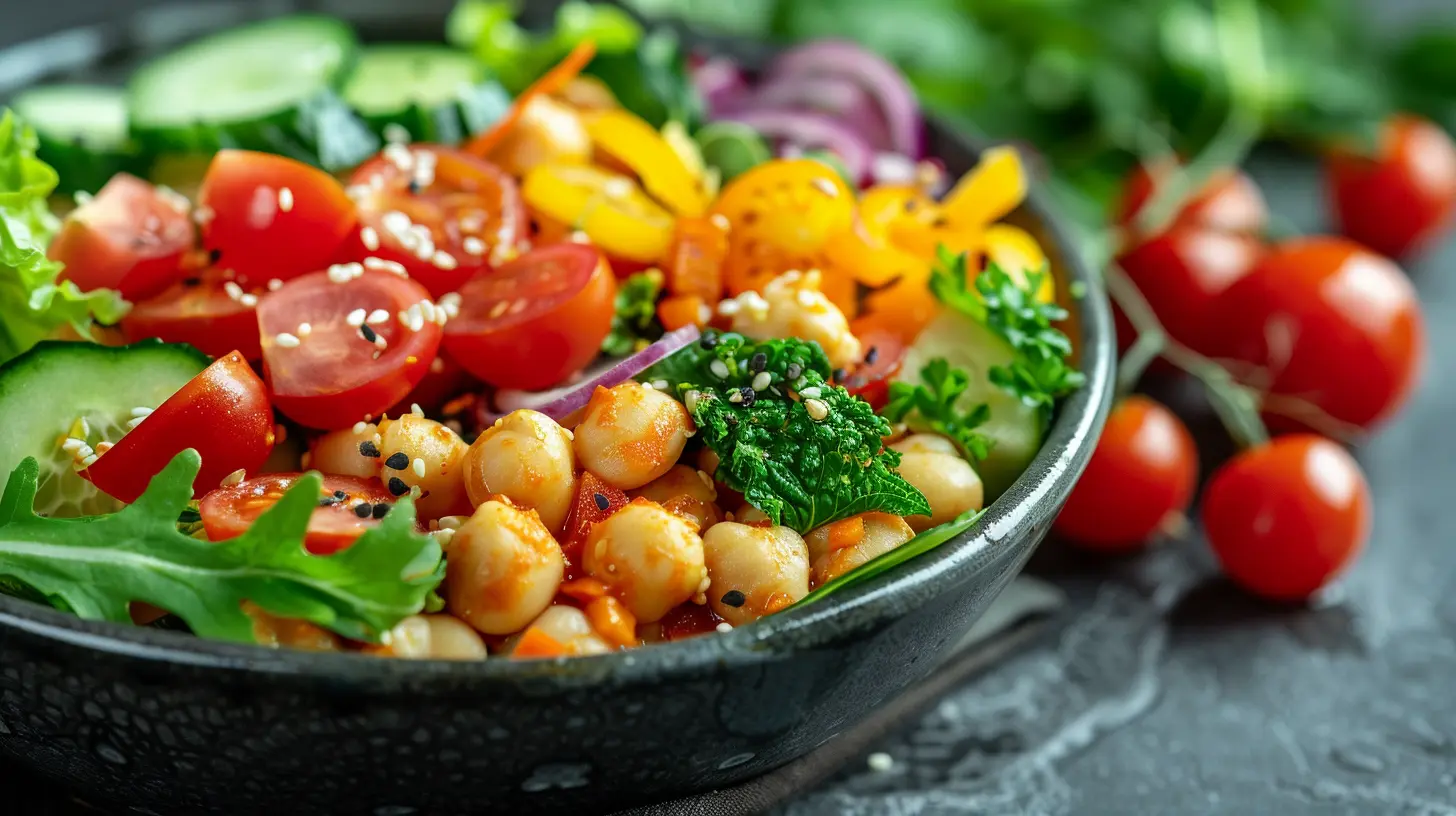
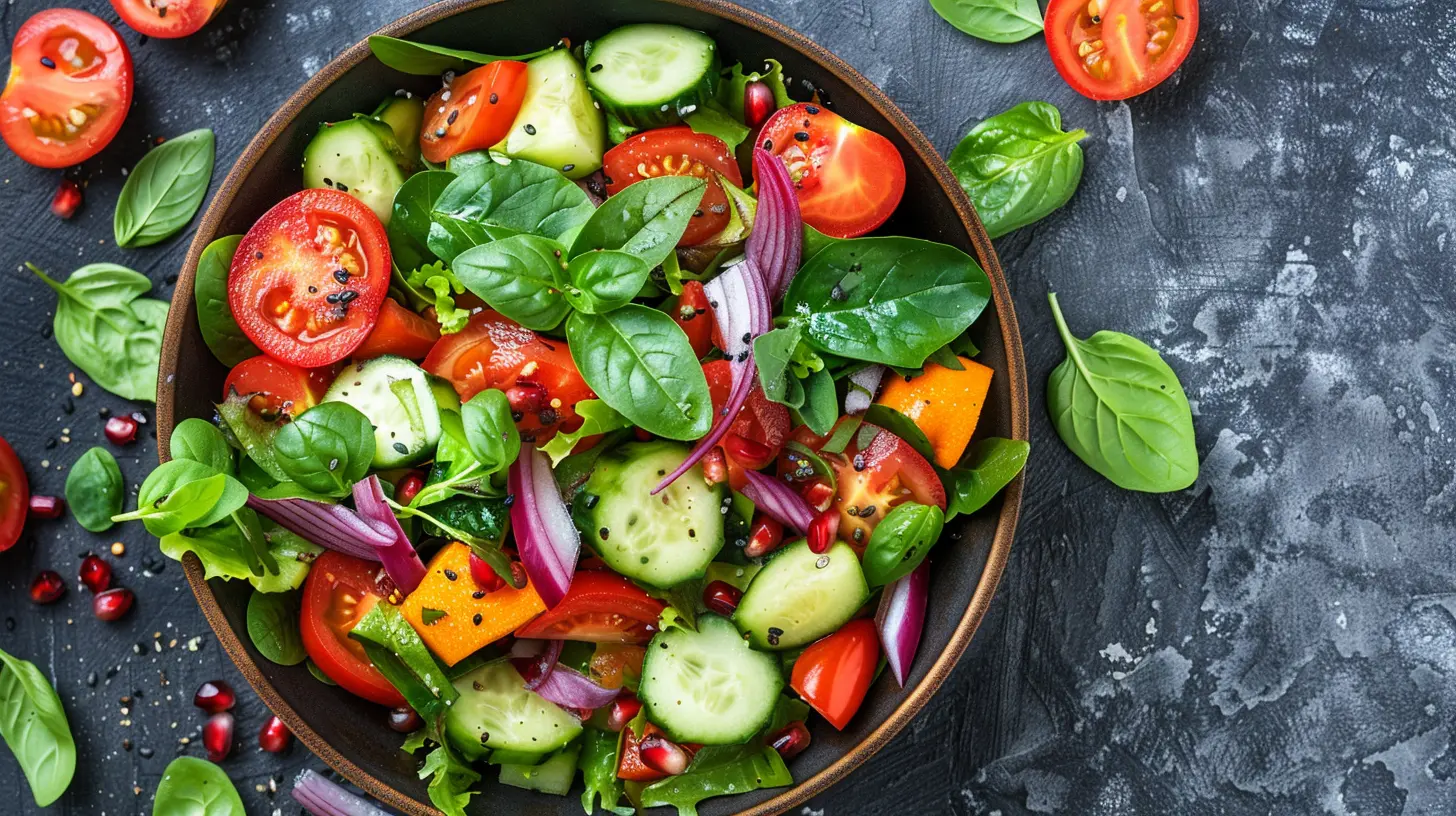
A craving-resistant salad follows a rough formula. Start with two to three cups of greens. Add a palm-sized portion of protein, roughly twenty to thirty grams. Add a source of fat: a quarter avocado, a small handful of nuts, or two tablespoons of oil-based dressing. Add fiber-rich vegetables for volume. Add something flavorful and acidic: vinegar, lemon, fermented vegetables, or herbs. Finish with salt and pepper.Consider a concrete example. A bowl with arugula and shredded cabbage, a cup of chickpeas, half an avocado, cherry tomatoes, pumpkin seeds, and a lemon-tahini dressing provides protein, fat, and fiber in balance. It takes about ten minutes to assemble and keeps well for a packed lunch. Another example: spinach with canned salmon, cucumber, red onion, feta, and olive oil with red wine vinegar. Both meals are satisfying and neither tastes like deprivation.
Timing matters too. A salad eaten at the first sign of hunger is more effective than a salad eaten after the craving has built. And eating slowly, with attention, allows satiety signals to register before the plate is empty.
Common Mistakes and Misconceptions
Mistake: Assuming all salads are low in sugar impact. Sweet dressings, dried fruit in large quantities, and candied nuts can add substantial sugar. Honey mustard and fat-free dressings are frequent culprits. Read labels or make dressings at home.Mistake: Cutting fat entirely. Fat-free salads often leave people hungry within an hour, leading to snacking that exceeds the calories saved.
Mistake: Using salad as punishment. If the salad is joyless, the rebound is predictable. Flavor, texture, and variety are not luxuries; they are adherence tools.
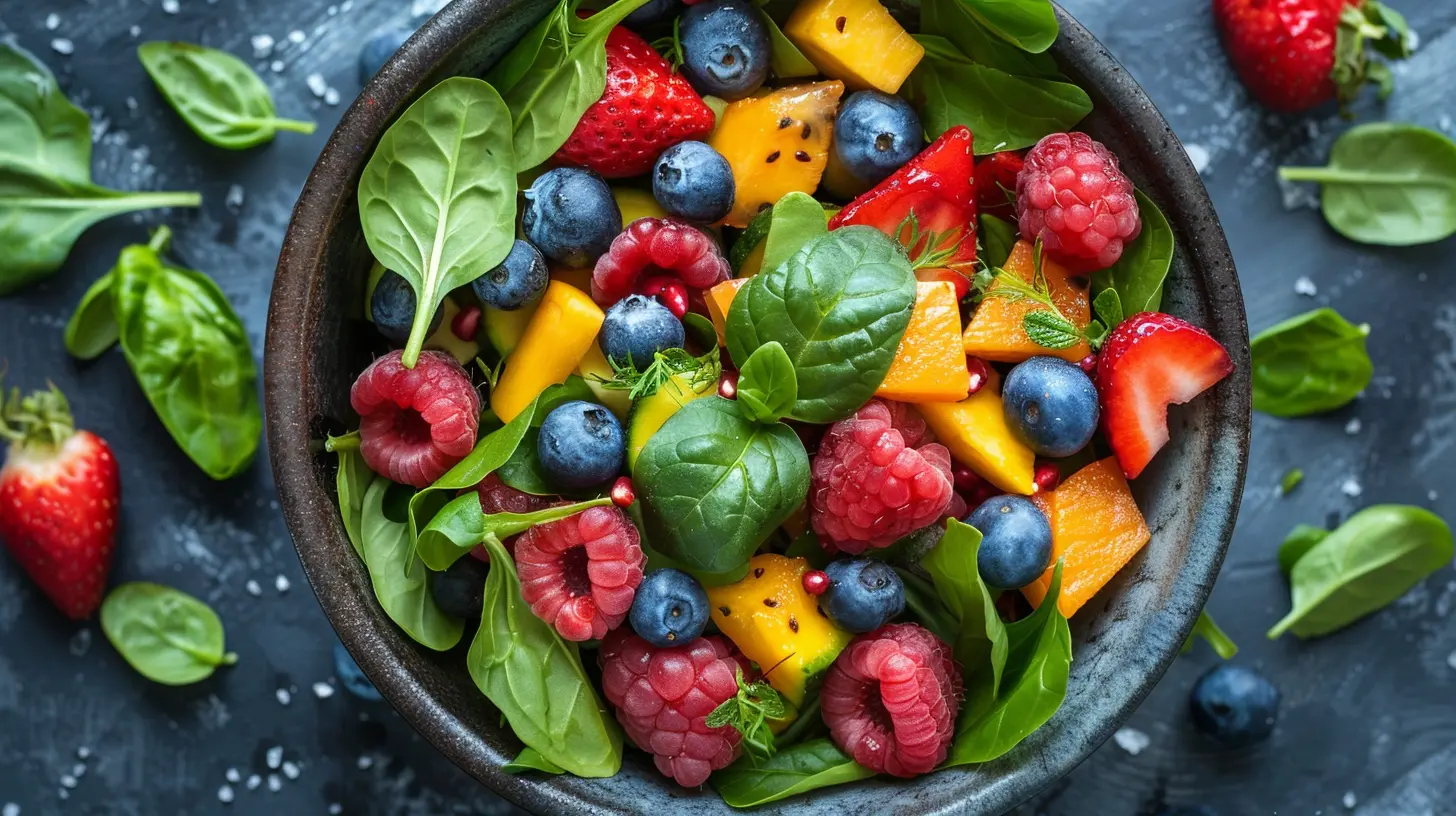
Misconception: Fruit must be avoided. Whole fruit in moderate amounts, such as berries or apple slices, adds fiber and sweetness and is generally a reasonable salad component. The issue is quantity and form; dried fruit concentrates sugar and is easy to overeat.
Misconception: Cravings mean a nutrient deficiency. Sometimes they reflect habit, stress, or inadequate overall intake. Persistent, intense cravings, especially alongside other symptoms, warrant a conversation with a clinician rather than self-diagnosis.
Mistake: Ignoring total calories. A salad can be both nutritious and insufficient. If the rest of the day is undereaten, cravings will win regardless of salad composition.
Practical Strategies for Daily Life
Prepare components in advance: washed greens, cooked grains, roasted vegetables, hard-boiled eggs, and a jar of dressing. Assembly then takes minutes, and the barrier to a good meal drops.Keep a protein backup in the fridge at all times. Leftover chicken, a can of chickpeas, or a container of cottage cheese prevents the "nothing to eat" moment that ends in a sweet snack.
Use strongly flavored finishing touches: fresh herbs, citrus zest, toasted seeds, flaky salt. These make a simple salad feel finished and reduce the sense that something sweet is missing.
Drink water with meals. Thirst is sometimes mistaken for hunger, and hydration supports overall appetite regulation, though it is not a cure for cravings on its own.
Plan for the craving-prone hour. If sugar cravings hit at three in the afternoon, a planned snack of Greek yogurt with cinnamon and a few walnuts is a better strategy than white-knuckling until dinner.
When to Seek Professional Guidance
Salad-friendly foods are a practical tool, not a medical treatment. People with diabetes should discuss meal composition with their care team, since carbohydrate timing and medication interact. Persistent cravings, binge eating, or a distressing relationship with food deserve professional support from a registered dietitian or clinician experienced in eating behavior. The strategies here are compatible with such care, but they do not replace it.The core message is simple: cravings respond to what you eat, how much you eat, and how satisfying the meal feels. A well-built salad, with protein, fat, fiber, and flavor, is one of the most effective tools available. It does not require perfection. It requires attention to composition and a willingness to make salads that are worth eating.
all images in this post were generated using AI tools
Category:
Healthy SaladsAuthor:

Jackson Mahoney