Secrets to Maintaining a Healthy Plate Without Counting Calories
28 August 2026
Counting calories works for some people, but for many, it is a tedious, unsustainable, and mentally draining chore. The good news is that you do not need to track every number to eat well. Your body already has a sophisticated system for regulating hunger and fullness, but modern food environments often override it. The secret is not to fight your biology with math. It is to work with it using structure, texture, flavor, and timing.
This article is not a diet plan. It is a framework for thinking about food that takes the pressure off exact measurements and puts the focus back on the quality and composition of what you eat. You will learn why the plate method works, how to handle cravings without guilt, and what to do when you are eating out or cooking for a family.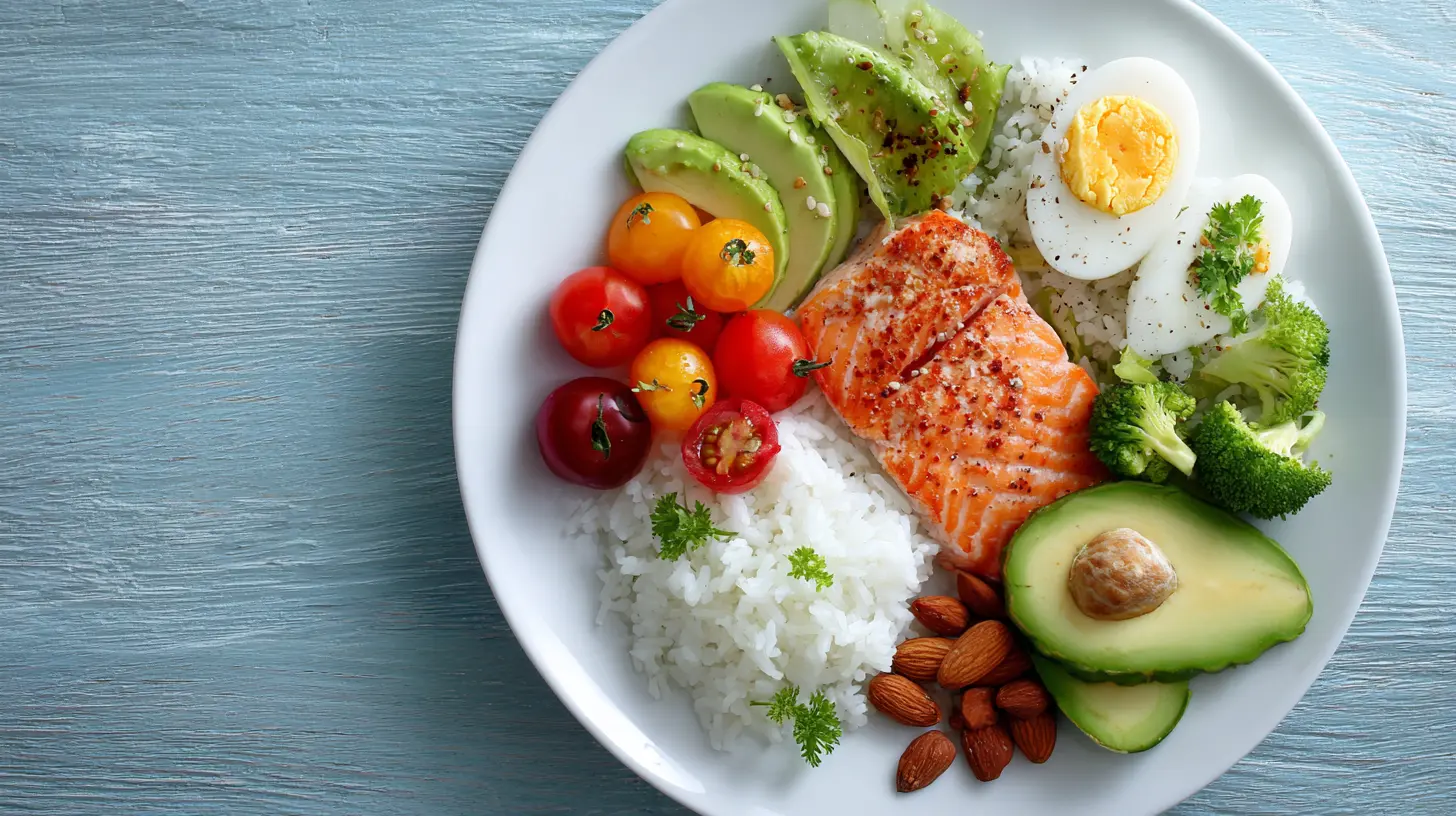
Why Calorie Counting Fails Most People
Calorie counting is not inherently wrong. It is based on the fundamental principle of energy balance. But the practice of counting assumes that a calorie is a uniform unit that your body processes the same way regardless of its source. That is false. A hundred calories from almonds behave differently than a hundred calories from white bread. Protein, fat, and fiber all influence hormones, digestion, and satiety in ways that a simple number cannot capture.There is also the issue of accuracy. Food labels are allowed a margin of error. Restaurant portions vary. Home-cooked meals are nearly impossible to estimate with precision unless you weigh every ingredient. So you are often guessing anyway, just with more effort and stress.
The bigger problem is psychological. Constant tracking can create an unhealthy relationship with food. It turns eating into a math problem rather than a source of nourishment and pleasure. It can lead to anxiety around meals, obsessive behavior, and even binge eating when you inevitably fall off the plan.
The alternative is not to ignore portion sizes entirely. It is to use a more reliable, built-in system: your eyes, your hands, and your hunger cues. These tools are always with you, they never need charging, and they adapt to your body size and activity level.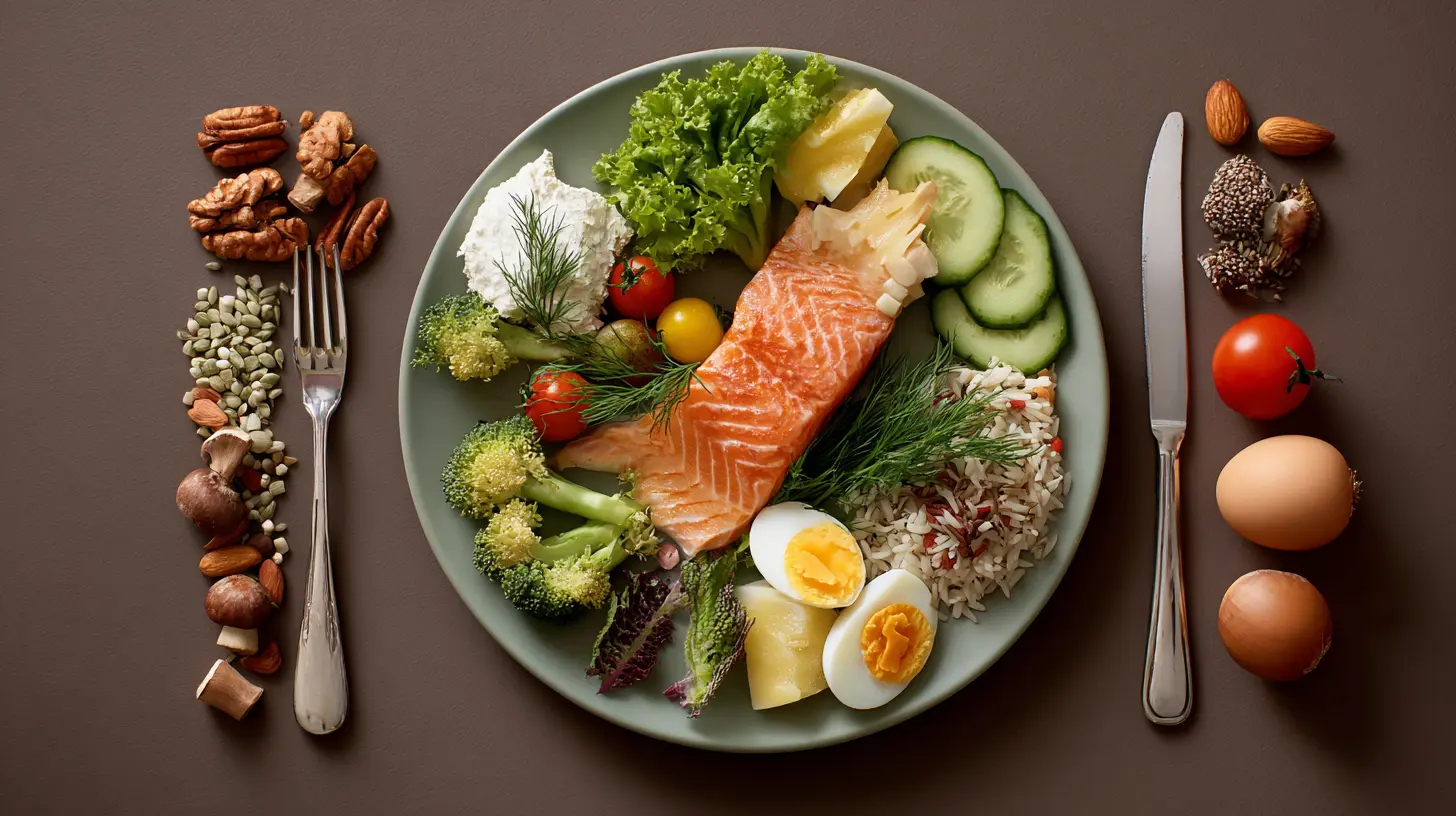
The Plate Method: A Visual Guide That Works
The simplest and most effective way to build a healthy plate without counting is to use proportions, not grams. You have probably heard of the half-plate vegetables rule. It is not a new idea, but it is underused because people do not understand why it works or how to execute it in real life.The Half-Plate Vegetables Rule
The concept is straightforward. Fill half of your plate with non-starchy vegetables. This includes leafy greens, broccoli, cauliflower, peppers, zucchini, mushrooms, tomatoes, and similar produce. Do not count potatoes, corn, or peas in this category. They are starchy and should be treated more like grains.Why half? Because vegetables are low in energy density. They provide volume and water, which stretch your stomach and trigger fullness signals, without delivering a large number of calories. They also supply fiber, which slows digestion and stabilizes blood sugar. When you fill half your plate with vegetables, you automatically leave less room for calorie-dense foods, without feeling deprived.
The mistake most people make is treating vegetables as a side dish that they eat after the main course. By then, they are already full and skip them. The fix is to put the vegetables on the plate first, in the half portion, and then build the rest around them. This forces you to see the meal as a whole rather than a protein with a garnish.
The Quarter-Plate Protein Section
The next quarter of your plate should be a high-quality protein source. This includes meat, poultry, fish, eggs, tofu, tempeh, legumes, or dairy. Protein is the most satiating macronutrient. It reduces levels of the hunger hormone ghrelin and increases hormones that make you feel full. It also requires more energy to digest than carbohydrates or fat, which slightly boosts your metabolism.Aim for a portion that is about the size of your palm, or roughly three to four ounces for most women and four to six ounces for most men. Your individual needs vary based on muscle mass and activity. The key is to include protein at every meal, not just dinner. Many people eat a low-protein breakfast and lunch, then overeat at night because they are ravenous. Spreading protein across the day keeps your appetite stable and makes portion control easier without thinking about it.
The Quarter-Plate Carbohydrates and Grains
The remaining quarter is for carbohydrates. This includes whole grains like brown rice, quinoa, barley, oats, whole wheat bread, and also starchy vegetables like sweet potatoes and butternut squash. The portion should be roughly the size of your fist.This is where many people struggle. They either eliminate carbs entirely, which is unsustainable, or they make carbs the centerpiece, which leads to blood sugar spikes and crashes. The quarter-plate approach gives you enough carbohydrates for energy and brain function, but not so many that they crowd out other nutrients.
Whole grains are better than refined ones because they retain the bran and germ, which contain fiber, B vitamins, and minerals. Fiber slows the absorption of sugar into your bloodstream, preventing the rapid rise and fall that triggers cravings. If you eat white rice or white bread, you are getting calories without the accompanying fiber, so your body processes them much faster and you feel hungry sooner.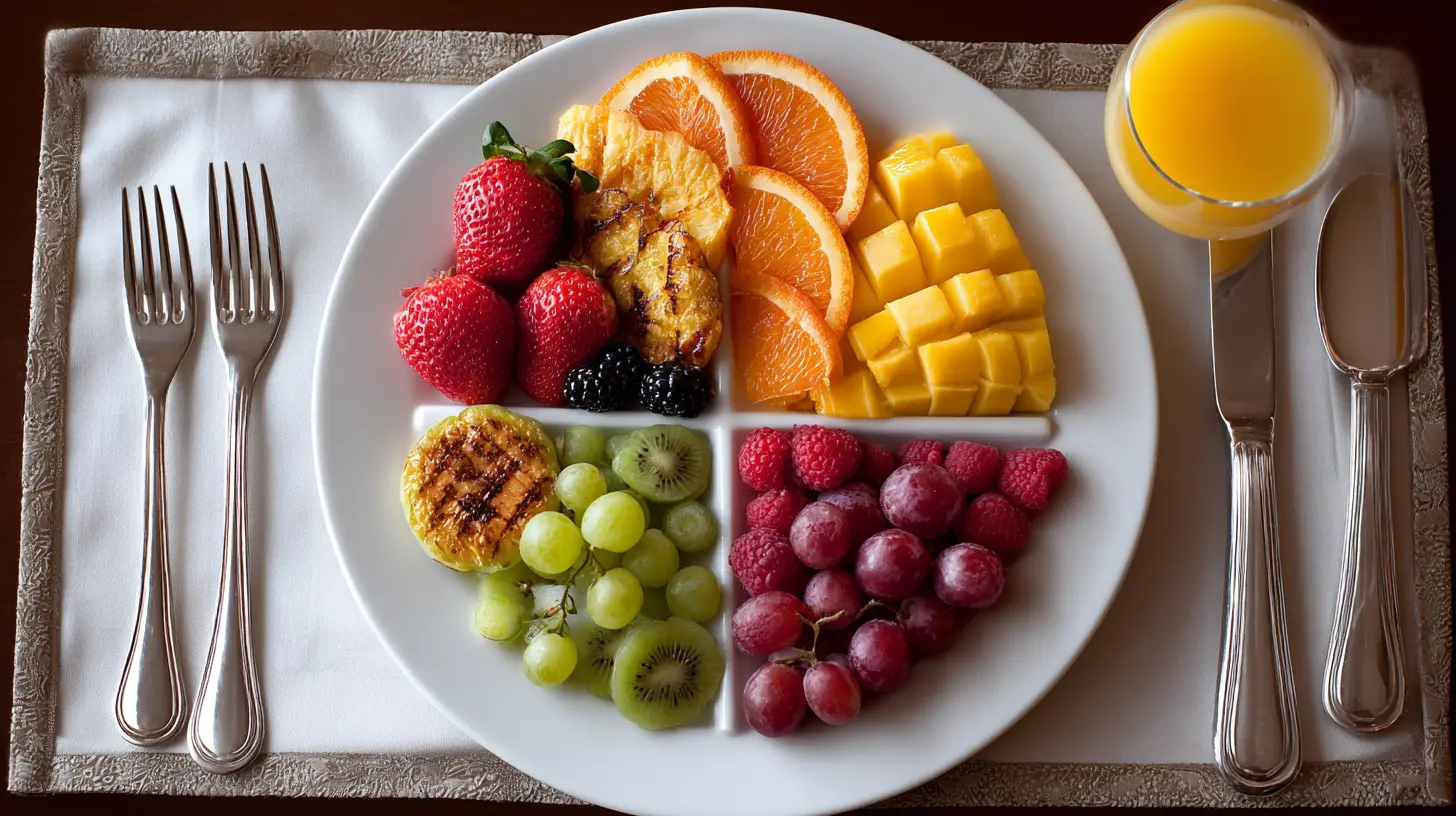
The Role of Healthy Fats: The Missing Piece
The plate method does not explicitly account for fats, but they are essential. Fats are calorie-dense, which is why they are easy to overdo. But they are also crucial for hormone production, vitamin absorption, and satiety. The trick is to use them strategically.You do not need to add a large amount of fat to your plate. A drizzle of olive oil on your vegetables, a handful of nuts on your salad, or a slice of avocado on your toast is enough. These fats slow down digestion and help you feel satisfied after a meal. Without them, you may feel full initially but hungry again within an hour.
The common mistake is to think of fat as something to avoid entirely. Low-fat and fat-free products often compensate with added sugar and refined carbohydrates, which are worse for your health. Instead, focus on the source. Unsaturated fats from plants and fish are generally more beneficial than saturated fats from processed meats and fried foods. But even saturated fats from whole foods like eggs and dairy are not the enemy they were once made out to be. The context of your overall diet matters more than any single nutrient.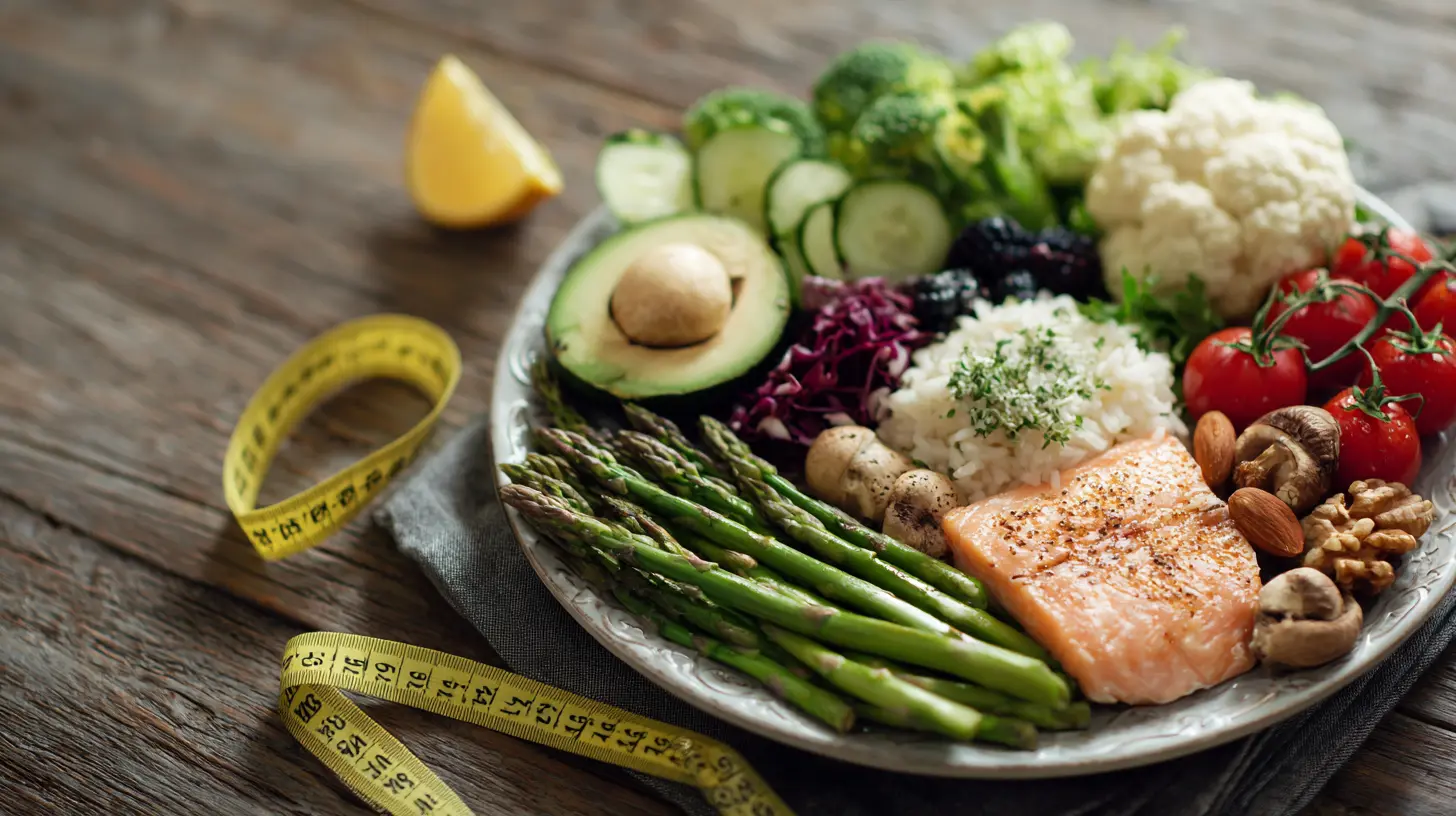
Why Fiber Is the Real Superstar
If there is one nutrient that deserves more attention than protein or fat, it is fiber. Fiber is the indigestible part of plant foods. It is not broken down by your enzymes, so it passes through your digestive tract largely intact. This gives it a unique ability to add bulk, feed your gut bacteria, and regulate blood sugar.High-fiber meals are naturally lower in energy density. They fill you up physically, and they also trigger the release of satiety hormones. A meal with thirty grams of fiber will keep you full much longer than a meal with five grams, even if the calorie counts are similar.
To increase fiber without counting, simply choose whole plant foods over processed ones. Eat fruit instead of drinking juice. Choose whole grain bread instead of white. Add beans to soups and salads. Snack on raw vegetables with hummus instead of crackers. These small swaps add up quickly.
There is a downside to increasing fiber too rapidly. If you are not used to it, you may experience bloating, gas, and cramping. The solution is to increase your intake gradually and drink plenty of water. Your gut bacteria need time to adapt. Within a few weeks, your digestion will likely improve and you will feel more comfortable.
The Power of Hunger and Fullness Cues
Your body sends you signals about when to eat and when to stop. Most people ignore these signals, either because they are too busy, they eat on autopilot, or they have learned to override them through years of dieting. Reconnecting with your hunger and fullness cues is one of the most effective ways to maintain a healthy plate without counting.The Hunger Scale
A practical tool is the hunger scale, which runs from one to ten. One is starving, so hungry that you cannot think clearly. Ten is uncomfortably stuffed, feeling sick. The goal is to start eating when you are at a three or four, meaning you are moderately hungry but not ravenous. You stop eating when you are at a six or seven, meaning you are satisfied but not full.The reason this works is that it takes about twenty minutes for your brain to register fullness. If you eat quickly, you can easily overshoot and reach an eight or nine before your body tells you to stop. Slowing down, chewing thoroughly, and putting your fork down between bites gives your brain time to catch up with your stomach.
Emotional Eating and Mindless Eating
Hunger cues are reliable, but they are easily confused with emotional states. Stress, boredom, loneliness, and anxiety can all trigger the desire to eat, even when your body does not need fuel. This is not a character flaw. It is a learned behavior that can be unlearned.The next time you feel hungry, ask yourself a simple question: Would I eat an apple right now? If the answer is yes, you are probably physically hungry. If the answer is no, and you only want something specific like chips or chocolate, you are likely experiencing a craving driven by emotion or habit. In that case, it is better to address the underlying feeling directly rather than use food as a distraction.
Mindless eating is another common problem. Eating in front of the television, while scrolling on your phone, or while working at your desk disconnects you from your food. You eat more because you are not paying attention. Try to eat at a table, without screens, at least once a day. You will notice that you feel fuller with less food.
Practical Strategies for Real-Life Meals
Knowing the theory is one thing. Applying it in the chaos of daily life is another. Here are some practical strategies that work in a range of situations.Cooking at Home
When you cook at home, you have full control over what goes into your food. This is the easiest place to practice the plate method. Start with the vegetables. Wash and chop them first so they are ready to go. Then cook your protein and your grain. Plate everything in the correct proportions.Batch cooking is a huge time-saver. Cook a large pot of quinoa or brown rice at the beginning of the week. Roast a sheet pan full of vegetables. Grill several chicken breasts or cook a batch of lentils. Then you can assemble meals quickly during the week without thinking. Having pre-cooked components makes it much easier to build a balanced plate in minutes.
Eating Out
Restaurants are designed to make you eat more. Portions are often two or three times larger than what you would serve yourself. This does not mean you have to avoid eating out. It means you need a strategy.Order vegetables as a side dish instead of fries. Ask for dressing and sauces on the side so you can control the amount. If the protein portion looks huge, cut it in half and take the rest home. Do not feel obligated to clean your plate. The food is not going to waste if you take it home and eat it later.
Another useful trick is to scan the menu for dishes that are grilled, baked, steamed, or roasted instead of fried. Look for words like "seasonal vegetables" or "garden salad" as sides. You can also ask the server to substitute a side salad for a starch.
Snacking
Snacks are not inherently bad. They can help bridge the gap between meals and prevent overeating later. The problem is that most commercial snacks are ultra-processed and high in refined carbohydrates and unhealthy fats. They provide a quick burst of energy followed by a crash.A good snack should contain protein or fiber, or both. Think of a hard-boiled egg, a small handful of almonds, a piece of fruit with peanut butter, Greek yogurt, or carrot sticks with hummus. These snacks are satisfying and do not require you to count anything. The portion is naturally limited by the packaging or the size of the fruit.
The Myth of Perfect Eating
One of the biggest barriers to healthy eating is perfectionism. People believe that if they cannot do it perfectly, there is no point in doing it at all. They have one bad meal and then decide the whole day is ruined, so they eat junk for the rest of the day. This all-or-nothing thinking is counterproductive.The truth is that what matters is your overall pattern over weeks and months, not a single meal or day. You can eat a healthy diet and still have the occasional pizza, burger, or dessert. The key is to make those foods the exception rather than the rule. When you do eat them, enjoy them without guilt. Guilt only leads to more stress and more overeating.
A useful mindset shift is to think of food in terms of "crowding out" rather than "cutting out." Instead of focusing on what you cannot eat, focus on adding more vegetables, fruits, whole grains, and lean proteins. As you fill your diet with these foods, there is naturally less room for processed and unhealthy options.
The Importance of Meal Timing and Consistency
Your body thrives on routine. Eating at regular times helps regulate your appetite and blood sugar. If you skip meals, you are more likely to overeat later. If you eat erratically, your hunger signals become unreliable.This does not mean you need to eat six small meals a day. For most people, three balanced meals with one or two snacks works well. The important thing is to eat when you are hungry and stop when you are satisfied. Consistency in timing helps you recognize these cues more clearly.
Breakfast is often debated. Some people do well with a hearty breakfast; others prefer to skip it. The research is mixed, and the best approach depends on the individual. What matters is that your first meal of the day sets the tone. If you eat a breakfast high in refined carbohydrates, like a sugary cereal or a pastry, you will likely experience a blood sugar crash mid-morning and crave more carbs. If you eat a breakfast with protein and fiber, like eggs with vegetables or oatmeal with nuts, you will have more stable energy.
Common Mistakes and Misconceptions
Several misconceptions keep people stuck in the cycle of counting calories or dieting without results.Misconception: All Vegetables Are Equal
While all vegetables are good, some are better for weight management. Non-starchy vegetables are lower in calories and carbs. Starchy vegetables like potatoes and corn are more calorie-dense and should be portioned like grains. This is not a reason to avoid them, but it is a reason to be mindful of how much you eat.Misconception: Protein Needs to Be Lean
Lean protein is generally a good choice, but fat is not the enemy. A fatty piece of fish like salmon provides omega-3 fatty acids that are beneficial for heart health. Full-fat dairy can be more satisfying than low-fat versions, which often contain added sugar. The key is to choose minimally processed sources of protein and vary your intake.Misconception: You Must Drink Eight Glasses of Water a Day
Hydration is important, but the eight-glass rule is not a scientific law. Your fluid needs depend on your size, activity level, climate, and diet. Many foods, especially fruits and vegetables, contain water. A better guide is to drink when you are thirsty and to pay attention to the color of your urine. Light yellow is a sign of adequate hydration.Mistake: Relying on Diet Foods
Diet foods, like low-fat cookies, sugar-free candy, and diet sodas, are not necessarily healthier. They often contain artificial sweeteners, preservatives, and other additives that can disrupt your gut microbiome and increase cravings. It is better to eat real, whole foods that are naturally low in sugar and fat.How to Adapt the Plate for Different Lifestyles
The plate method is a template, not a rigid prescription. You need to adapt it to your lifestyle, preferences, and health conditions.Athletes and Active People
If you are highly active, you need more carbohydrates for energy. Your plate might look like half vegetables, one-quarter protein, and one-quarter or slightly more carbohydrates. You may also need to add a pre- or post-workout snack. The key is to listen to your body. If you feel fatigued or your performance drops, you likely need more carbs.People with Diabetes
If you have diabetes, the quarter-plate carbohydrate portion is especially important. You need to be mindful of the type of carbohydrates you choose. Whole grains, legumes, and vegetables are better than refined grains and sugary drinks. The fiber in these foods helps slow glucose absorption and prevents spikes. You should also eat regular meals to avoid hypoglycemia.Older Adults
As you age, your appetite may decrease, but your nutritional needs remain high. You may need to focus on protein to prevent muscle loss and on calcium and vitamin D for bone health. If you have a small appetite, you might need to eat smaller, more frequent meals. The plate method still works, but you may need to increase the density of certain foods.Plant-Based Eaters
A vegetarian or vegan diet can easily fit the plate method. Your protein source might be beans, lentils, tofu, tempeh, or seitan. You need to be a bit more careful to get enough protein, especially if you are active. Legumes are also a source of carbohydrates, so you may need to adjust the proportions. For example, if you eat a big bowl of lentil soup, you might not need a separate grain portion.The Long-Term View: Building Habits, Not Restrictions
The ultimate secret to maintaining a healthy plate without counting calories is to stop thinking of it as a diet and start thinking of it as a skill. Like any skill, it takes practice. You will have meals that are unbalanced. You will have weeks where you eat out more than you planned. That is normal.What matters is that you keep coming back to the principles. Fill half your plate with vegetables. Include protein at every meal. Choose whole grains over refined ones. Use healthy fats sparingly. Eat when you are hungry. Stop when you are satisfied. These simple rules are easy to remember and do not require a calculator.
Over time, these habits become automatic. You will look at a plate and immediately know if it looks balanced. You will reach for water instead of soda without thinking. You will feel better, have more energy, and maintain a healthy weight without the stress of constant tracking.
The goal is not perfection. The goal is to create a sustainable, enjoyable way of eating that supports your health for the long run. That is a secret worth knowing.
all images in this post were generated using AI tools
Category:
Balanced DietAuthor:

Jackson Mahoney
Discussion
rate this article
1 comments
Leslie Kline
Love this approach! Eating balanced meals is so much more enjoyable than counting calories.
September 5, 2026 at 4:24 AM