Secrets to Making Salads That Boost Your Energy
25 August 2026
Most people think a salad is a salad. You toss some lettuce, add a few tomatoes, throw on some dressing, and call it healthy. That is where the problem starts. A salad made without intention can leave you hungrier, more tired, and more frustrated than if you had eaten a burger. But a properly constructed salad is one of the most powerful tools you have for sustained energy, mental clarity, and stable blood sugar. The difference is not magic. It is science, strategy, and a few practical choices that most home cooks overlook.
The truth is that your body does not run on vegetables alone. It runs on macronutrients, micronutrients, and timing. A salad that boosts your energy must satisfy three biological demands: it needs to provide steady glucose release, support mitochondrial function, and avoid triggering an insulin spike followed by a crash. If any of those three pieces is missing, you are essentially eating expensive water.
Let me walk you through exactly how to build salads that fuel you for hours, not minutes. I will cover the base, the protein, the fats, the carbohydrates, the dressing, and the order in which you eat everything. I will also address the mistakes that quietly sabotage your energy, and why the "healthy" salad you order at a restaurant is often the worst thing on the menu.
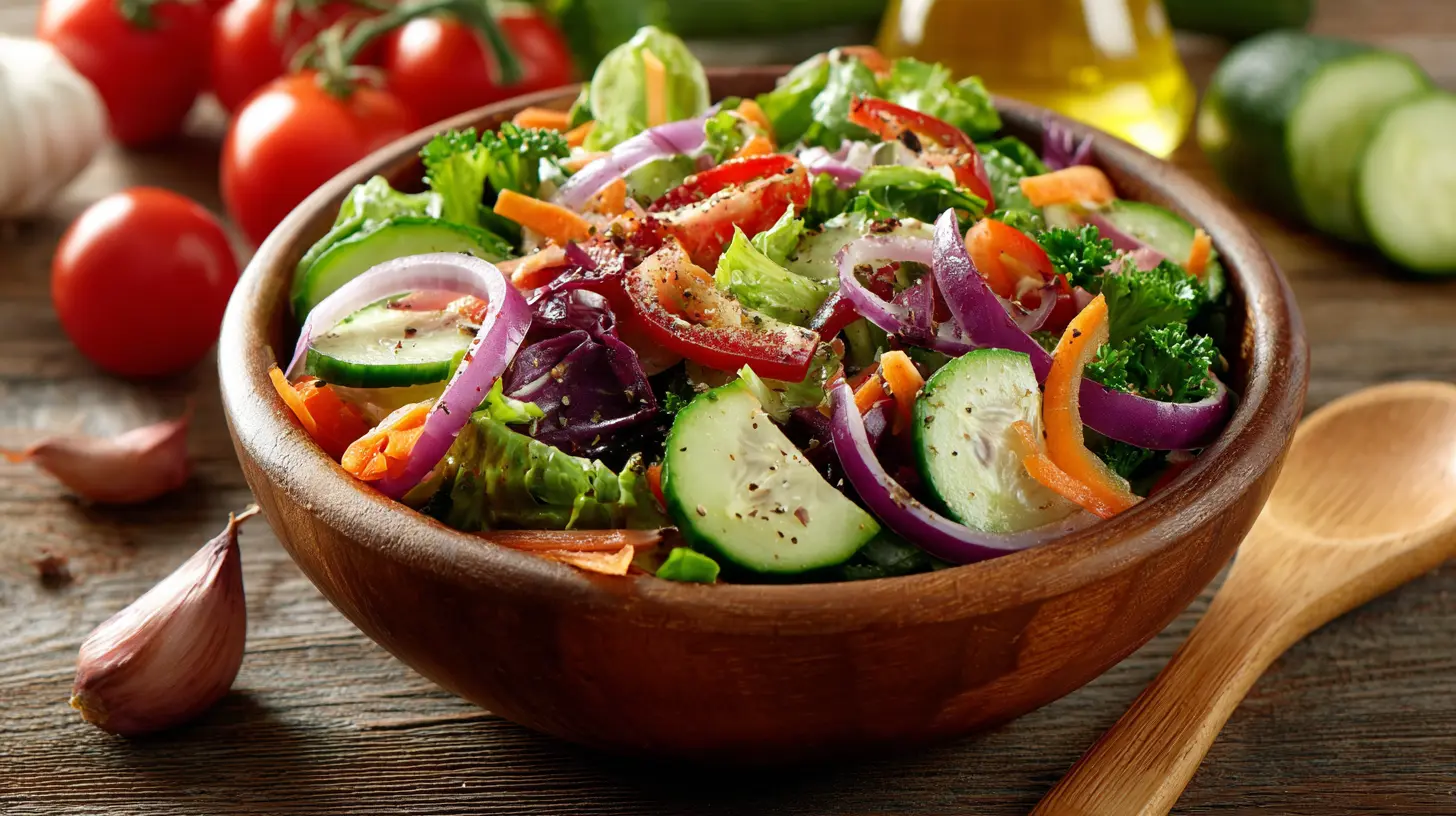
The Real Reason Your Salads Leave You Tired
Before we talk about what to add, we need to talk about what is missing. The classic salad is mostly water and fiber. That is great for digestion, but terrible for energy. Your brain and muscles run on glucose, and glucose comes from carbohydrates. If your salad is all leafy greens with a light vinaigrette, your blood sugar will rise slightly, then drop quickly. That drop triggers fatigue, irritability, and cravings.The second issue is that many people eat salads alone, without any protein or fat. Protein takes longer to digest, which slows the release of glucose into your bloodstream. Fat also slows gastric emptying. Without both, you get a fast spike and a fast crash. That is the opposite of what you want.
The third issue is hidden sugar. Many bottled dressings contain more sugar per serving than a candy bar. When you pour that over an otherwise lean salad, you are creating a blood sugar rollercoaster. The salad looks healthy, but it acts like a soda in a bowl.
So the first secret is simple: a salad that boosts energy is a complete meal, not a side dish. It must contain protein, fat, complex carbohydrates, and fiber in the right proportions. That is the foundation. Everything else is refinement.
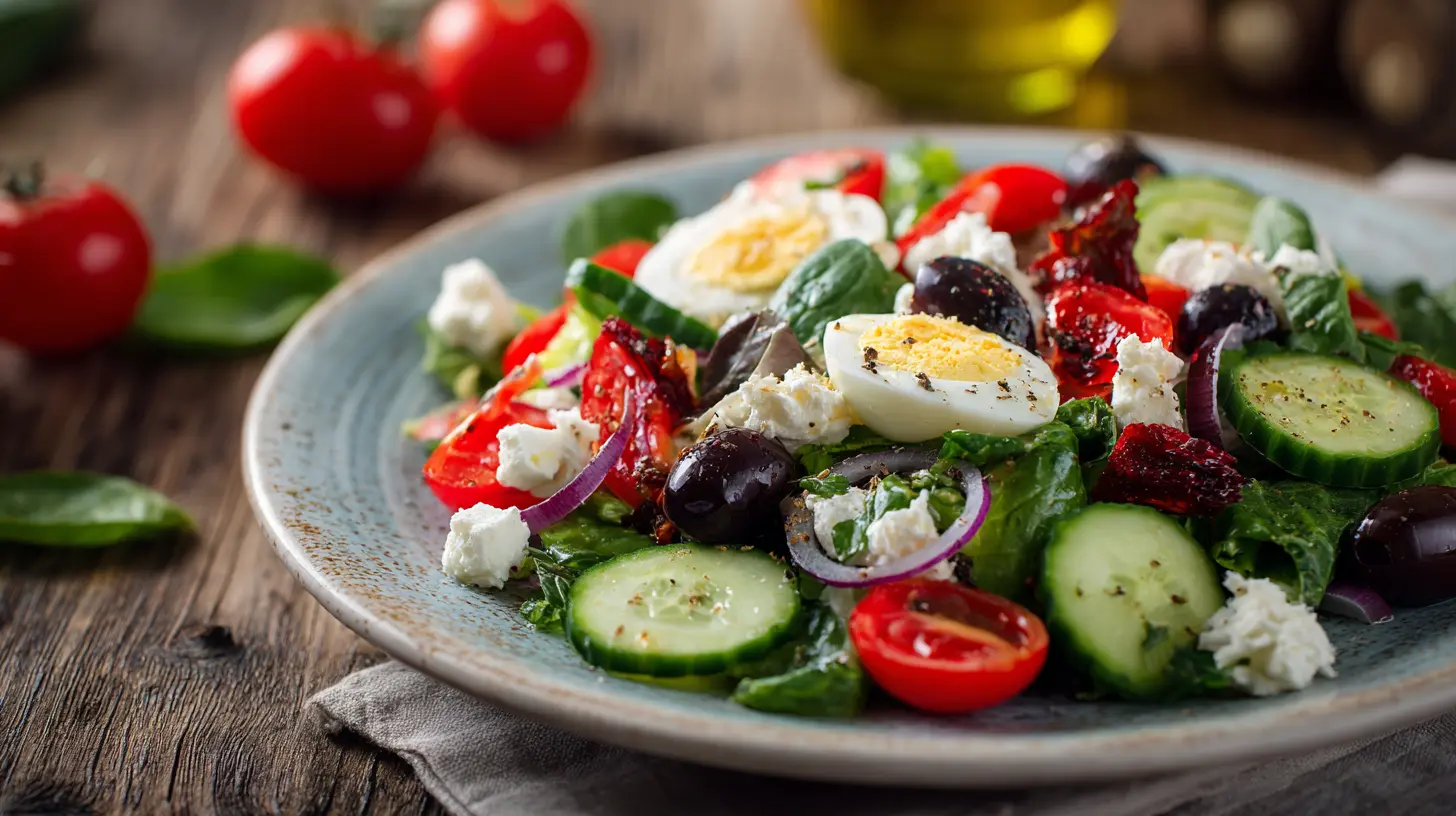
The Base: Not All Greens Are Created Equal
The base of your salad is the foundation, and it matters more than you think. Iceberg lettuce has almost no nutritional value. It is mostly water. Romaine is better, but still light. Spinach and arugula are excellent because they are dense in nutrients without being heavy. But the real game changer is mixing your greens.Why mix? Because different greens provide different vitamins and antioxidants. Spinach is high in iron and folate. Arugula contains glucosinolates, which support liver detoxification. Kale is rich in vitamins A, C, and K. When you mix them, you get a broader spectrum of nutrients that support energy production at the cellular level.
Here is a practical rule: use at least two types of greens. One dark leafy green, like spinach or kale, and one peppery or crunchy green, like arugula or romaine. This gives you texture and nutrition. Avoid iceberg unless you are using it for crunch in small amounts.
Another point: massaged kale. If you have ever eaten raw kale and felt like you were chewing on a tire, you know the problem. Kale has tough cell walls. Massaging it with a little olive oil and salt for two minutes breaks down those walls, making the nutrients more available and the texture much more pleasant. This is not a trend. It is a practical step that improves both digestion and nutrient absorption.
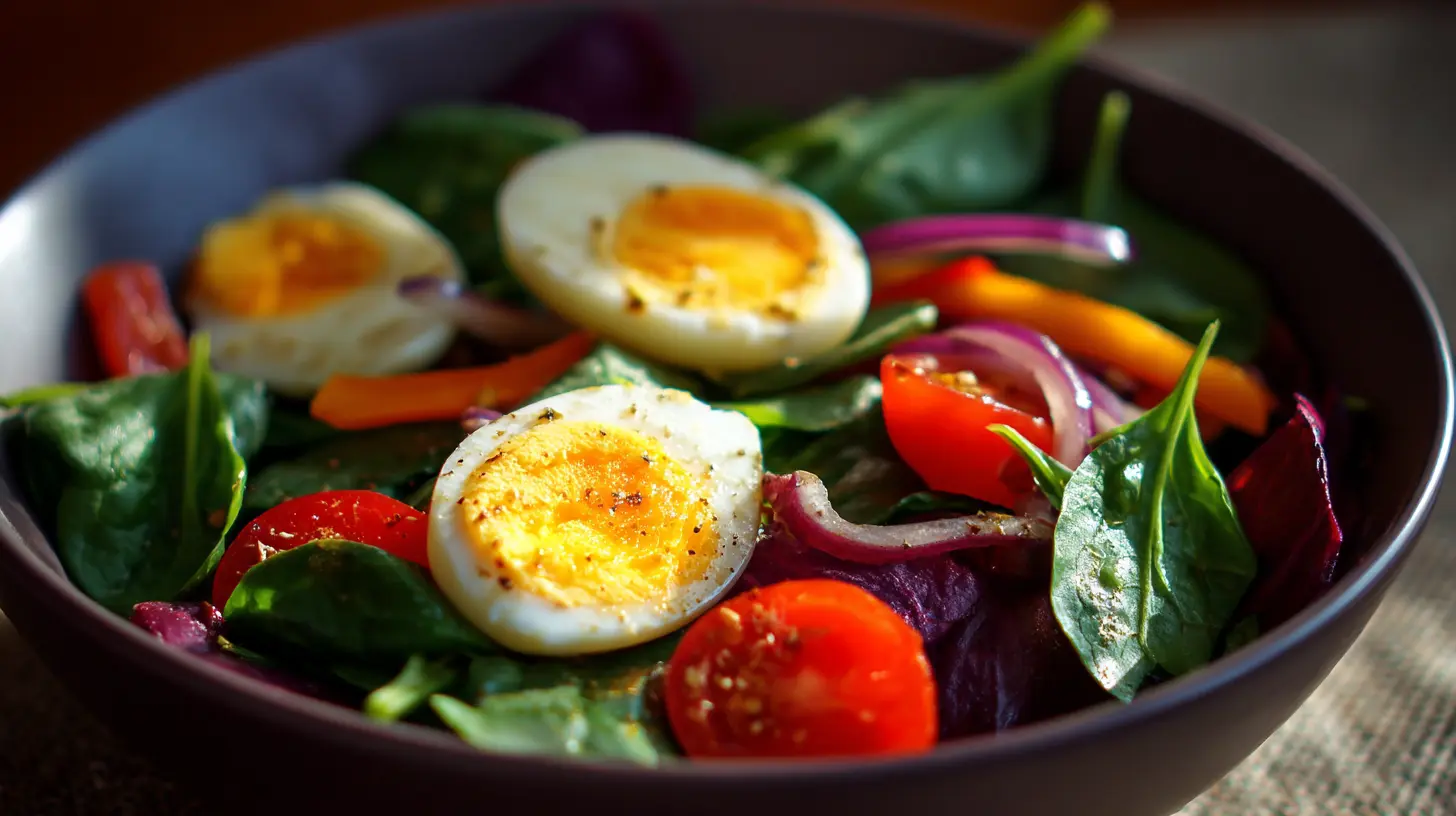
Protein Is Non-Negotiable
Protein is the single most important addition to any energy-boosting salad. It is not optional. Protein provides amino acids that your body uses to build and repair tissue, but it also plays a direct role in energy regulation. When you eat protein, your body releases glucagon, which helps stabilize blood sugar. It also increases satiety, so you do not feel hungry an hour later.The mistake most people make is choosing the wrong protein or too little of it. A tablespoon of pumpkin seeds is not a protein source. You need at least 20 to 30 grams of protein in a main-course salad. That is roughly the size of a deck of cards for chicken, or one and a half cups of beans.
Here are your best options, ranked by practicality and nutrient density:
- Grilled chicken or turkey breast: lean, high in protein, easy to batch cook.
- Canned wild-caught salmon or sardines: rich in omega-3 fatty acids, which reduce inflammation and support brain function.
- Hard-boiled eggs: cheap, portable, and contain choline, which supports memory and cellular energy.
- Tofu or tempeh: plant-based options that provide complete proteins, especially when paired with grains.
- Lentils or chickpeas: high in fiber and protein, but you need more volume to hit the same protein target.
The trade-off is real. Animal proteins are more bioavailable, meaning your body absorbs them more efficiently. Plant proteins often come with fiber and carbohydrates, which is good, but they require larger portions. If you are vegetarian, you need to be intentional about combining legumes with grains to get a complete amino acid profile. For example, chickpeas with quinoa or lentils with brown rice.
Do not forget the timing. If you eat your salad at lunch, protein is critical because it prevents the afternoon crash. If you eat it at dinner, protein supports overnight repair and stable morning blood sugar. In both cases, the protein is not a garnish. It is the main event.
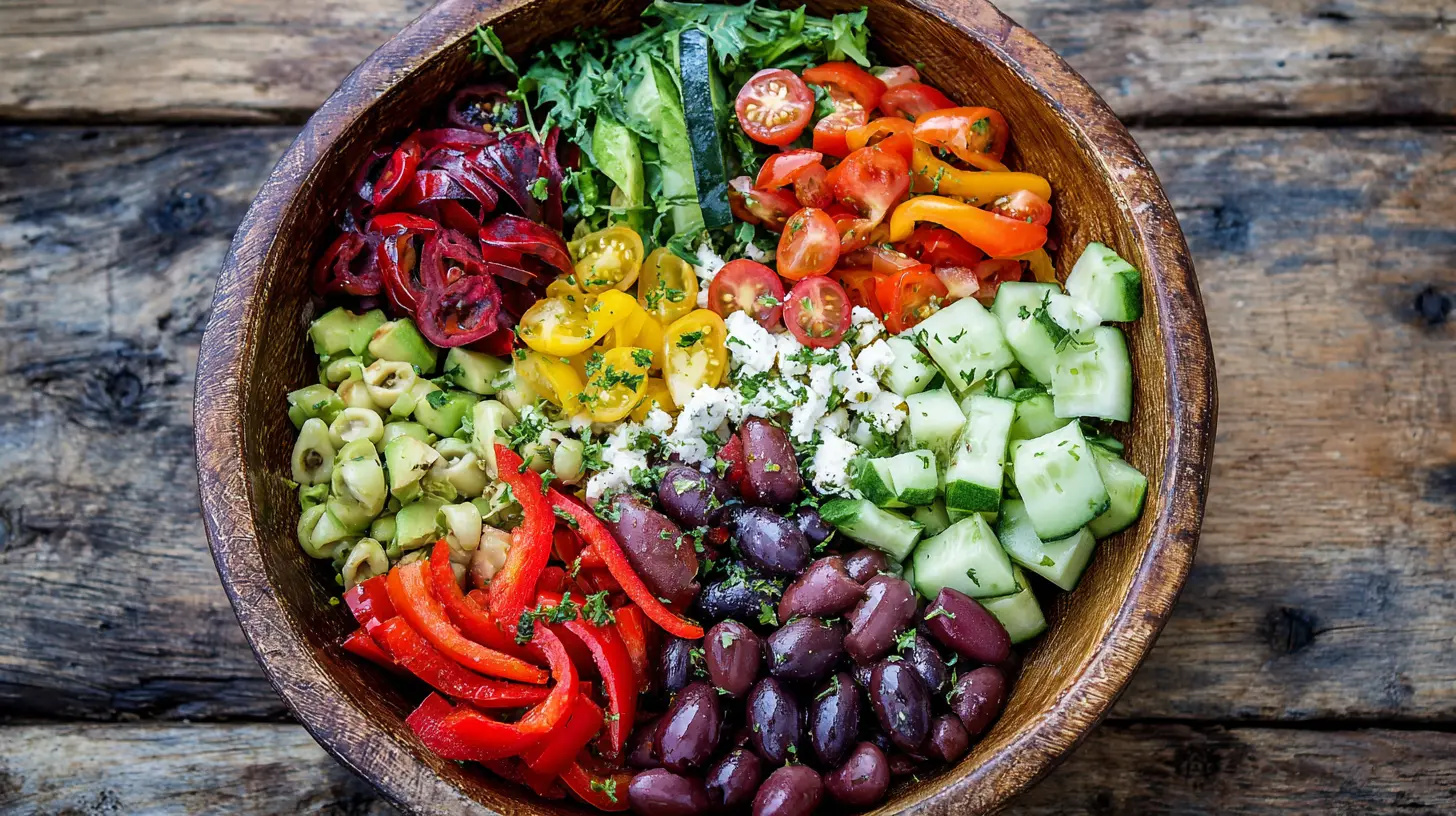
The Fat Factor: Energy Storage and Absorption
Fat is the most misunderstood nutrient in salad making. For decades, we were told to avoid fat. That advice was wrong, especially for energy. Your body needs fat to absorb fat-soluble vitamins like A, D, E, and K. Those vitamins are involved in everything from immune function to bone health, and they are essential for mitochondrial efficiency.But not all fats are equal. The best fats for energy are monounsaturated and polyunsaturated fats. These include olive oil, avocado, nuts, seeds, and fatty fish. Saturated fats from bacon or heavy cheese are fine in small amounts, but they do not provide the same anti-inflammatory benefits.
Here is the practical application: always include a source of fat in your salad. This can be:
- Extra virgin olive oil in the dressing, about one to two tablespoons.
- Half an avocado, sliced.
- A handful of walnuts or almonds.
- Two tablespoons of sunflower or pumpkin seeds.
- A few slices of feta or goat cheese.
The reason fat matters for energy is that it slows digestion. When you eat fat with carbohydrates, the carbs are absorbed more slowly. That means a steadier rise in blood sugar, not a spike. It also means you stay full longer. A salad without fat is a hunger machine.
One caution: do not go overboard. A quarter cup of olive oil is around 480 calories. That is a lot. The goal is to use fat strategically, not to drown your salad. About 10 to 15 grams of fat per meal is a good target for most people.
Complex Carbohydrates: The Energy Engine
This is the part that surprises most people. A salad that boosts energy must contain carbohydrates. Not simple carbs like croutons or sugary dressings, but complex carbs that release energy slowly. Your brain runs on glucose, and glucose comes from carbohydrates. If you eliminate carbs from your salad, you are forcing your body to convert protein or fat into glucose, which is inefficient and can leave you feeling foggy.Good complex carbohydrate options for salads:
- Quinoa: a complete protein and a complex carb in one. It has a low glycemic index, so it does not spike blood sugar.
- Brown rice or farro: chewy, hearty, and filling.
- Sweet potato: roasted cubes add sweetness and fiber.
- Butternut squash: similar to sweet potato, with a slightly nutty flavor.
- Beans and legumes: black beans, kidney beans, and lentils provide both carbs and protein.
The portion matters. About half a cup to one cup of cooked grains or beans is enough. Too much, and you end up with a grain bowl, not a salad. Too little, and you will not get the energy benefit.
A common misconception is that carbohydrates are bad for you. That is false. Refined carbs are bad. Whole food carbs are essential. The trick is to pair them with fat and protein, which you are already doing. This combination creates a slow, steady release of energy that lasts for hours.
The Dressing Problem: Hidden Energy Killers
Now we get to the most dangerous part of the salad: the dressing. Store-bought dressings are often loaded with soybean oil, high-fructose corn syrup, and artificial additives. Even "light" dressings can have more sugar than you think. A single serving of some commercial ranch dressings has around 3 to 5 grams of sugar. That does not sound like much, but it is enough to affect insulin response, especially when combined with the natural sugars in vegetables.The solution is to make your own dressing. It takes less than five minutes and costs less than buying bottled. Here is a simple formula that works for almost any salad:
- Three parts oil (olive or avocado oil)
- One part acid (lemon juice, lime juice, or vinegar)
- One teaspoon of Dijon mustard (as an emulsifier)
- Salt and pepper to taste
- Optional: a pinch of garlic powder, dried herbs, or a teaspoon of honey or maple syrup
Shake it in a jar or whisk it in a bowl. That is it. This dressing has no refined sugar, no industrial seed oils, and no preservatives. It also tastes better.
If you want a creamy dressing without dairy, blend avocado with lime juice, garlic, and water. That gives you a smooth, rich texture without the sugar.
The key is to dress the salad right before eating. If you dress it too early, the greens wilt and the texture suffers. If you dress it at the table, you control the amount. Use about two tablespoons for a large salad. That is enough to coat everything without making it soggy.
The Order of Eating Matters More Than You Think
Here is a secret that few people talk about: the order in which you eat your salad affects your blood sugar response. If you eat the carbohydrates first, your glucose spikes quickly. If you eat the protein and fat first, then the carbs, your glucose rises more slowly.This is called food sequencing. It is a well-documented strategy for managing blood sugar, especially for people with insulin resistance or type 2 diabetes. But it works for everyone who wants steady energy.
The practical approach is simple. Eat the leafy greens and vegetables first. Then eat the protein and fat. Then eat the grains or beans. This order slows the emptying of your stomach and reduces the speed at which glucose enters your blood.
You do not need to be obsessive about this. But if you are prone to energy crashes after meals, try this sequence for a week. You will notice a difference in how you feel thirty minutes after eating and again two hours later.
Common Mistakes That Sabotage Your Energy Salad
Let me list the most common mistakes I see, so you can avoid them.First, using pre-shredded vegetables from a bag. These are often treated with preservatives to keep them crisp, and they lose nutrients quickly after being cut. Buy whole heads of lettuce and cut them yourself. The taste difference is noticeable.
Second, adding too many toppings without thinking about balance. A salad with dried cranberries, candied pecans, bacon bits, and creamy dressing can easily have 800 calories and 40 grams of sugar. That is a dessert, not a meal.
Third, eating a salad as a side dish and expecting it to sustain you. A side salad with a meal is fine, but if you are eating it as your main meal, you need to make it complete. That means protein, fat, and carbs.
Fourth, skipping salt. Salads need salt to bring out the flavor. If your salad tastes bland, you will not enjoy it, and you will be tempted to add more dressing, which adds sugar. Use a pinch of sea salt in the dressing and a little on the greens.
Fifth, not washing your greens properly. Dirt and grit can ruin a salad. But more importantly, unwashed greens can contain bacteria. Wash them thoroughly and dry them completely. Wet greens dilute the dressing and make it watery.
A Sample Energy-Boosting Salad Formula
Let me give you a concrete example that you can adapt. This is not a recipe to follow exactly, but a template to understand the proportions.Start with three cups of mixed greens: spinach, arugula, and romaine. Add half a cup of cooked quinoa. Add four ounces of grilled chicken or half a cup of chickpeas. Add half an avocado, sliced. Add a handful of cherry tomatoes and a few slices of cucumber. Top with two tablespoons of sunflower seeds. Dress with two tablespoons of olive oil, one tablespoon of lemon juice, a teaspoon of Dijon mustard, salt, and pepper.
This salad has roughly 500 to 600 calories, around 35 grams of protein, 20 grams of fat, and 45 grams of complex carbohydrates. That is a balanced meal that will keep you energized for four to five hours.
If you want to change it up, swap the quinoa for farro, the chicken for salmon, or the avocado for a boiled egg. The structure stays the same. That is the secret. It is not about a specific recipe. It is about hitting the right balance every time.
The Role of Fiber: The Unsung Hero
Fiber is the reason salads are associated with good health. It is also the reason they are associated with bloating if you overdo it. Fiber slows digestion, feeds your gut bacteria, and helps remove cholesterol from your bloodstream. But fiber is not an energy source. It is a regulator.When you eat a high-fiber salad, your body releases glucose more slowly because the fiber slows the absorption of carbohydrates. That is good for stable energy. However, if you suddenly increase your fiber intake, you may experience gas and discomfort. The solution is to increase fiber gradually and drink plenty of water.
A practical tip: if you are not used to eating salads, start with one cup of greens and add more over a week. Your gut microbiome needs time to adapt. Once it does, you will feel better, not worse.
Seasonal and Practical Considerations
The best salad is the one you actually eat. If you hate raw kale, do not force it. Use spinach or romaine instead. If you do not have time to cook quinoa, use canned lentils that only need to be rinsed. If you cannot find fresh tomatoes, use roasted red peppers from a jar.Seasonality matters for taste and nutrient density. In summer, use fresh berries and peaches. In winter, use roasted root vegetables and citrus. A salad that uses what is in season tastes better and costs less. That is not just a nice idea. It is a practical way to keep your meals interesting and nutrient-rich.
Also, consider batch cooking. Cook a cup of quinoa on Sunday, grill a few chicken breasts, and wash your greens. Store them separately. Then, during the week, you can assemble a salad in five minutes. This is the difference between eating well and eating whatever is convenient.
The Psychological Side of Salad Eating
There is a mental component to energy that is often ignored. If you think of salad as a punishment, you will not enjoy it, and you will not stick with it. That mindset leads to binge eating later. Instead, treat your salad as a creative challenge.Change your textures: crunchy, creamy, chewy. Change your colors: green, red, orange, purple. Change your temperatures: warm roasted vegetables over cold greens is a game changer. When a salad has variety in texture and temperature, it satisfies more senses, and you feel more satisfied.
Also, eat slowly. A salad takes more chewing than most foods. That is a benefit. Chewing sends signals to your brain that you are eating, which helps with satiety. If you scarf down a salad in three minutes, you will miss that signal, and you will feel hungry later.
The Bottom Line
A salad that boosts your energy is not a bowl of leaves. It is a carefully balanced meal that includes protein, fat, complex carbohydrates, and fiber. It uses a dressing made from real ingredients, not industrial oils and sugar. It is eaten in the right order, at the right pace, and with the right mindset.The mistakes are common and easily corrected. Stop treating salads as a diet food. Start treating them as a fuel source. When you do, you will notice a difference in your energy within a week. Your afternoon slump will soften. Your cravings will decrease. Your mental clarity will improve. That is not hype. That is biology.
Do not overcomplicate it. Use the formula: greens, protein, fat, carbs, dressing. Adjust portions to your activity level. Listen to your body. If you feel tired after a salad, you missed one of the components. Go back, add what is missing, and try again. That is the real secret. It is not a single ingredient. It is a system that you can use for the rest of your life.
all images in this post were generated using AI tools
Category:
Healthy SaladsAuthor:

Jackson Mahoney
Discussion
rate this article
1 comments
Damian McCullough
Who knew greens could be your new best friend? Toss in some vibrant veggies and a dash of fun, and you've got a salad that not only boosts energy but also your mood... and taste buds!
September 6, 2026 at 4:35 AM
Jackson Mahoney
Absolutely! Fresh greens and colorful veggies can transform a simple salad into a delightful energy booster. It's all about creativity and flavor!