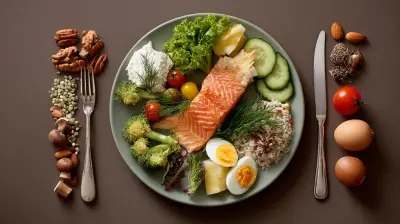
Signs Your Gut Needs More Variety in Your Diet
28 December 2025
Let’s face it — we’re all creatures of habit. We find a few “safe” foods we like, and we stick with them. Same cereal for breakfast, same salad for lunch, and the same chicken and rice for dinner. Sound familiar? But if you’ve been feeling a bit off lately — maybe a little more bloated, sluggish, or moody than usual — your gut might be trying to send you an SOS. And guess what? The solution might be as simple as switching up what’s on your plate.
In this article, we’re going to chat (yes, chat) about the key signs your gut is craving more variety in your diet, why diversity in food matters, and how you can add more gut-loving goodness without turning your whole grocery list upside down. Ready for some gut talk? Let’s dive in.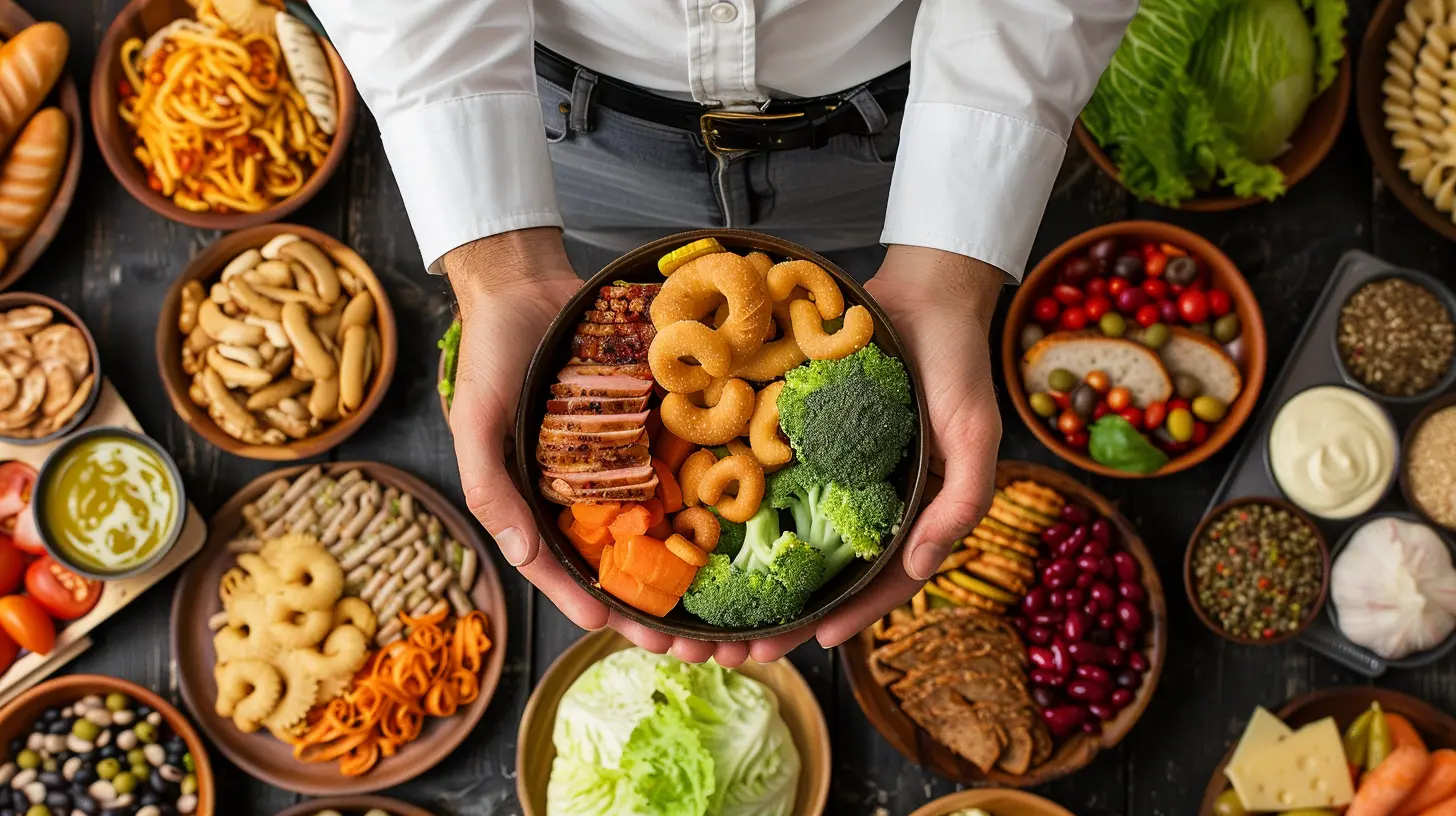
Why Gut Health Even Matters in the First Place
Before we jump into the signs, let’s take a quick pit stop and talk about your gut. It’s not just where your food goes to get broken down. Your gut is home to trillions (yes, trillions!) of bacteria, fungi, and other microbes. This mini-ecosystem is known as your gut microbiome, and it plays a massive role in your overall health — from digestion and immunity to mood and mental clarity.Think of your gut like a bustling city. The more diverse the population, the better the city thrives. Same goes for your gut. A wider range of gut bacteria means a healthier, more resilient digestive system. And the best way to feed this population properly? You guessed it — by eating a wider variety of foods.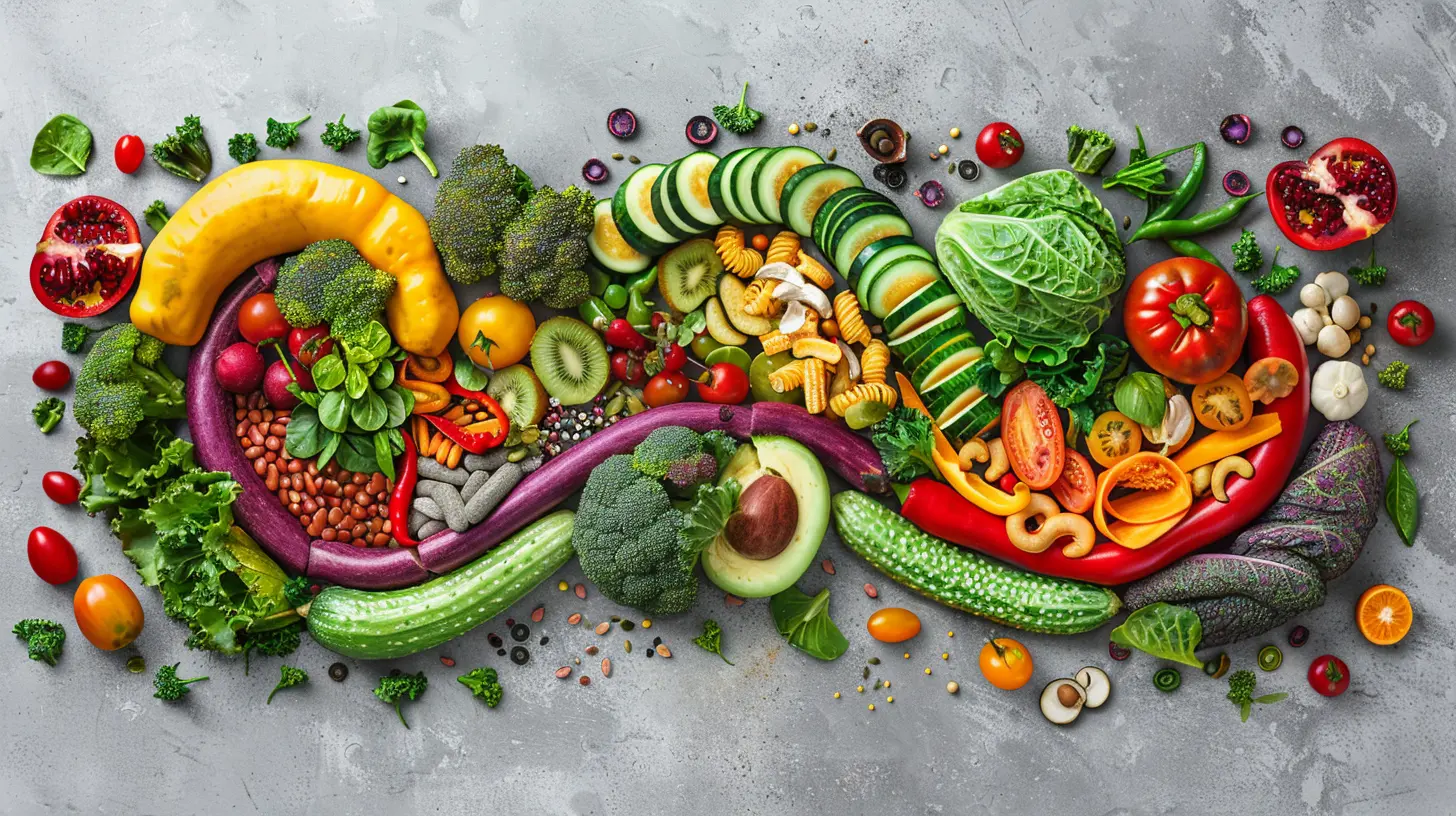
1. You Feel Bloated More Often Than You Should
Let’s kick things off with bloating. Sure, everybody gets bloated once in a while. But if your belly constantly feels like an inflated balloon, your gut might be struggling.A limited diet doesn’t give your gut bugs enough fuel to function well. Certain types of fiber and plant-based foods help keep digestion smooth. Without enough of these, you’re basically asking your gut to do a marathon without any training.
Quick Tip: Add different sources of fiber to your meals — think quinoa, lentils, nuts, seeds, apples, and leafy greens. Switching up your fiber can work wonders for your waistline and your gut bugs.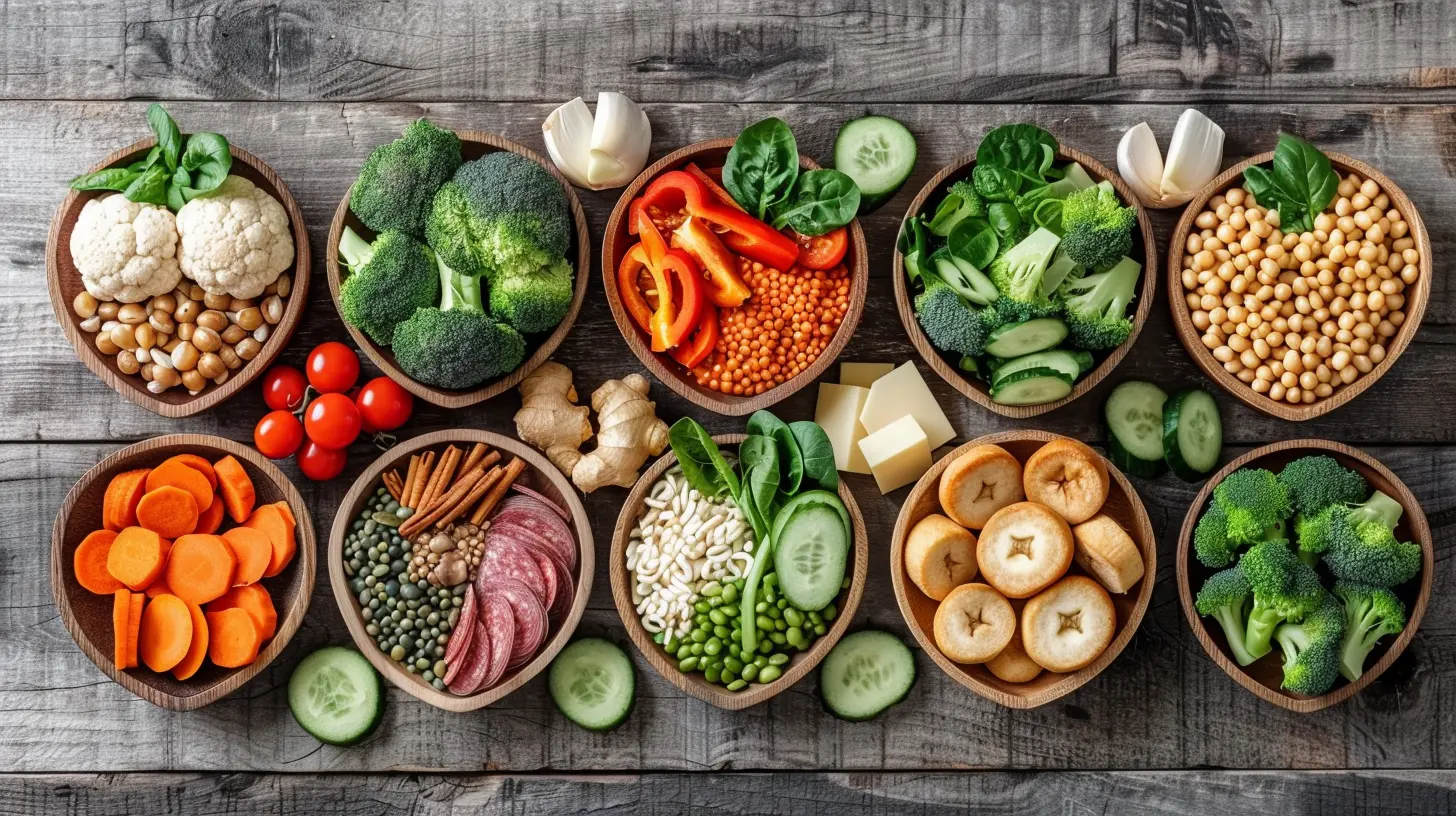
2. Your Bathroom Habits Are...Let’s Say, Inconsistent
TMI? Maybe. But when it comes to gut health, poop talks.If you swing between constipation and diarrhea like it’s a wild rollercoaster, it could be a sign that your gut lacks the diverse bacteria it needs to keep everything regulated. A mono-diet (one that includes the same foods every day) doesn’t give your microbiome the tools it needs to function smoothly.
Pro Tip: Aim for the “3 F’s” — fruits, fiber, and fermented foods. Throw some kimchi, yogurt, or kefir into your meals, and don’t underestimate the power of a ripe banana.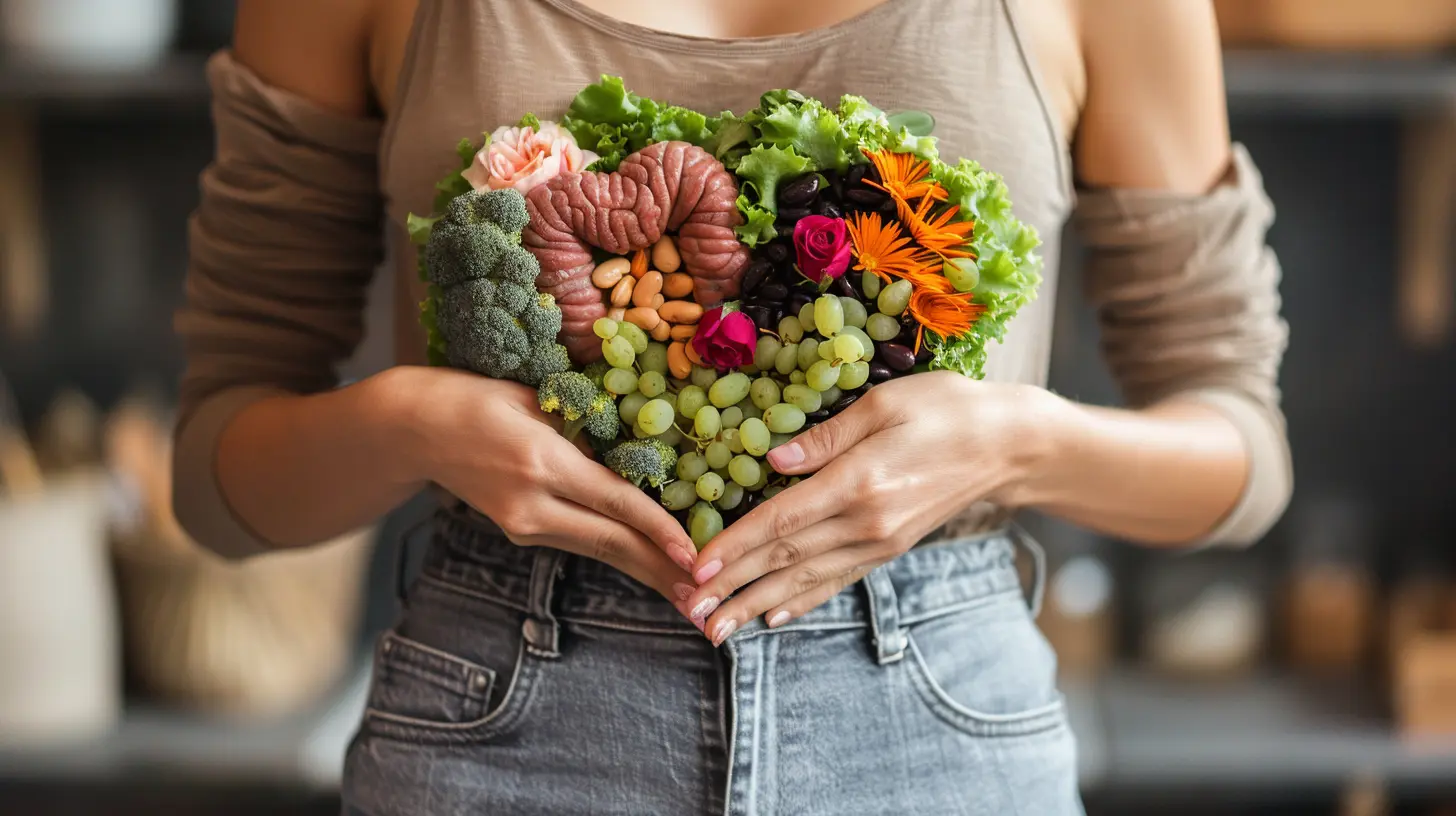
3. You Get Sick More Often Than Your Friends
Your immune system and gut are like besties — they do almost everything together. In fact, over 70% of your immune cells live in your gut.So, if you're the one always reaching for tissues while everyone else seems fine, your gut health might be to blame. A less diverse microbiome can weaken your immune defenses, making you more vulnerable to colds and other infections.
Gut Hack: Feed your gut good bacteria with fermented foods and a colorful plate. Think red peppers, purple cabbage, green spinach, orange carrots — you get the idea! The more natural colors, the better.
4. Your Mood Is All Over the Place
Feeling foggy, anxious, or downright irritable for no apparent reason? Your gut isn’t just tied to your tummy — it’s closely connected to your brain through the gut-brain axis. Yep, there’s an actual highway of communication between your belly and brain.Certain gut bacteria produce neurotransmitters like serotonin (the happy chemical). Without the right fuel — aka, a variety of nutrients from different foods — your gut can’t help regulate your mood properly.
Mood Booster Tip: Add fermented foods, omega-3-rich fish (like salmon), and fiber-heavy leafy greens and beans to your routine. Your gut may be mini, but it has a major say in how you feel.
5. You Crave Sugar Like Crazy
Sugar cravings aren’t just about willpower. Gut bacteria actually influence your cravings. When your diet lacks diversity, certain not-so-nice bacteria may take over and demand sugar like greedy little toddlers throwing a tantrum.The more sugar they get, the more they multiply — and the harder those cravings hit. It’s a vicious cycle.
Craving Fix: Break the loop by fueling the good guys with whole grains, legumes, veggies, and even a handful of unsalted nuts. Add variety and those sweet tooth tantrums will start to fade.
6. Your Skin Is Breaking Out More Than Usual
Acne, eczema, and even rosacea can have roots in your gut. Inflammation from an imbalanced gut often shows up on your skin. And believe it or not — what’s going on inside can be more important than the expensive creams you’re lathering on the outside.Glow Tip: Add probiotics and prebiotics to your diet. Probiotic foods like yogurt, kombucha, and sauerkraut feed your good bacteria, while prebiotics (like garlic, onions, and bananas) help them grow.
7. You've Hit a Weight Loss Plateau
Eating clean and working out like a champ, but the scale won’t budge? Your gut might be interfering. Certain gut bacteria impact how you extract calories from food and how your body stores fat.If your microbiome lacks diversity, your body might not respond well to weight changes — even if you’re doing everything “right.”
Weight Tip: Add resistant starches (foods that act like fiber) like cold potatoes, green bananas, and legumes to help support weight-friendly gut bacteria.
8. Your Breath Is a Little Funky
No judgment — we’ve all had less-than-fresh breath moments. But if it's happening often, and you’re brushing regularly, your gut might be the culprit.Bad breath can be a sign of poor digestion or an imbalanced gut. When food isn’t broken down properly due to weak gut diversity, gas and odors can sneak back up the track.
Freshen It Up: Hydrate, chew your food well, and add polyphenol-rich foods like berries and green tea, which help balance the gut bacteria that fight off odor-causing compounds.
9. You're Always Tired, Even After Sleeping
If you're clocking in a full 8 hours and still feel like you need five more cups of coffee to function, it might not be sleep's fault — it could be your gut.A healthy gut helps regulate energy levels, hormone balance, and how well you absorb nutrients (like B vitamins and iron). A lack of variety in your diet can lead to low energy, because your body isn’t getting what it needs to operate at full capacity.
Energy Tip: Add iron-rich foods (like lentils, spinach, and meat), and pair them with vitamin C-rich foods (like citrus) to help absorption. Also, include whole grains and nuts to support steady energy.
10. You Rely on Supplements More Than Food
Supplements can help fill gaps, sure. But if your cabinet is starting to look like a pharmacy, it might be time to revisit your grocery list.Your body was designed to get most of its nutrients from food — the wide variety found in nature. Pills can't truly replace the synergy and absorption that comes from real meals loaded with fruits, veggies, grains, and proteins.
Back-to-Basics Tip: Aim to “eat the rainbow” every day. Variety is easier than it sounds. One week, try barley over brown rice. Swap spinach for arugula. Add berries instead of bananas. Small changes = big gains for your gut.
How To Add More Variety (Without Getting Overwhelmed)
We get it — adding variety sounds exhausting when you’re already juggling a million things. But it doesn’t have to be. Here’s a super simple game plan:- Rotate Your Produce: Instead of buying the same apples every week, mix it up with pears, oranges, or mangoes.
- Try New Grains: Quinoa, farro, barley, millet — there’s a whole world beyond white rice.
- Spice It Up: Herbs and spices not only add flavor but also feed your gut. Try turmeric, cinnamon, ginger, and basil.
- Mix Up Proteins: Cycle between chicken, turkey, fish, tofu, legumes, and eggs.
- Color Counts: Make your plate as colorful as a box of crayons. Different colors = different nutrients = happier gut.
Final Thoughts
Your gut isn’t trying to be fussy — it just wants a little love and variety. If you're experiencing any of the signs we’ve talked about, it could be your body’s way of waving a flag, asking for a more colorful and diverse diet.The good news? You don’t need fancy powders, expensive detoxes, or massive overhauls. You just need to mix things up. Trust your gut (literally and figuratively), and it’ll thank you in energy, mood, digestion, and overall glow.
So go ahead — put that purple cabbage in your cart. Add some lentils next week. Try fermented pickles. Your gut will be dancing with joy.
all images in this post were generated using AI tools
Category:
Gut HealthAuthor:

Jackson Mahoney
Discussion
rate this article
2 comments
Talia Palmer
A diverse diet is crucial for a healthy gut microbiome. Incorporating a variety of fruits, vegetables, whole grains, and fermented foods can enhance digestion and overall well-being. Small changes can lead to significant improvements in gut health and nutrient absorption.
February 1, 2026 at 4:05 PM
Jackson Mahoney
Absolutely! A diverse diet rich in fruits, vegetables, whole grains, and fermented foods is key to a healthy gut microbiome, promoting better digestion and overall well-being. Small dietary changes can indeed make a big difference!
Hazel Franklin
This article highlights essential signs that indicate your gut health may be suffering from a lack of dietary variety. Incorporating diverse foods can significantly improve digestion and overall well-being. A simple but crucial change for better gut health!
December 29, 2025 at 3:18 AM
Jackson Mahoney
Thank you for your insightful comment! I completely agree—diversity in our diet is key to maintaining optimal gut health.