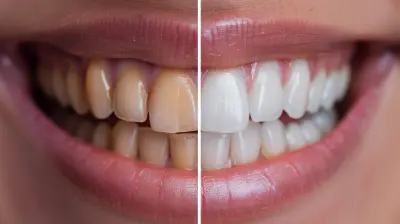
Simple Ways to Prevent Cavities at Any Age
18 July 2026
Let’s talk teeth. You wake up, brush, rinse, and hopefully floss (we see you, floss-skipper), but is that really enough to keep cavities at bay? Cavities aren’t just kids’ stuff. Nope, they can creep up on anyone—teenagers, adults, even Grandma with the stylish dentures. The good news? Preventing cavities is totally in your control, and it doesn’t require a PhD in dentistry. ?
So whether you're five or ninety-five, grab your favorite mug of tea (sugar-free, of course) and let’s dive into some super simple, totally doable ways to protect your pearly whites for life.
What Exactly Is a Cavity?
Before we jump into prevention mode, let’s break down what a cavity actually is. Picture your tooth like a little fortress. A cavity is a hole or weak spot in that fortress wall, caused by acids that bacteria produce when they feast on sugars in your mouth. And once they’ve breached the wall? Boom—damage, decay, maybe even a root canal (and no one wants that).Cavities start tiny and sneaky, but they can escalate into full-blown dental disasters if you let them. The trick is to stop them before they even get started. Let’s talk strategies.
#1. Brush Like You Mean It
Okay, you knew this one was coming. But brushing your teeth isn’t just a box to check—it’s the foundation of cavity prevention. Here’s how to do it right:✔️ Twice a Day, Not Just When You Remember
Try brushing in the morning and before bed. Don’t skip the nighttime brush—it’s when your mouth dries up and bacteria throw a party.✔️ Use a Soft-Bristled Brush
Gentle is best. You’re cleaning your teeth, not sanding a table.✔️ Go For Two Minutes
Set a timer or sing your favorite two-minute jam. No shame in brushing to Beyoncé.✔️ Don’t Forget the Gums
That’s where plaque loves to hang out. Show those gumlines some love.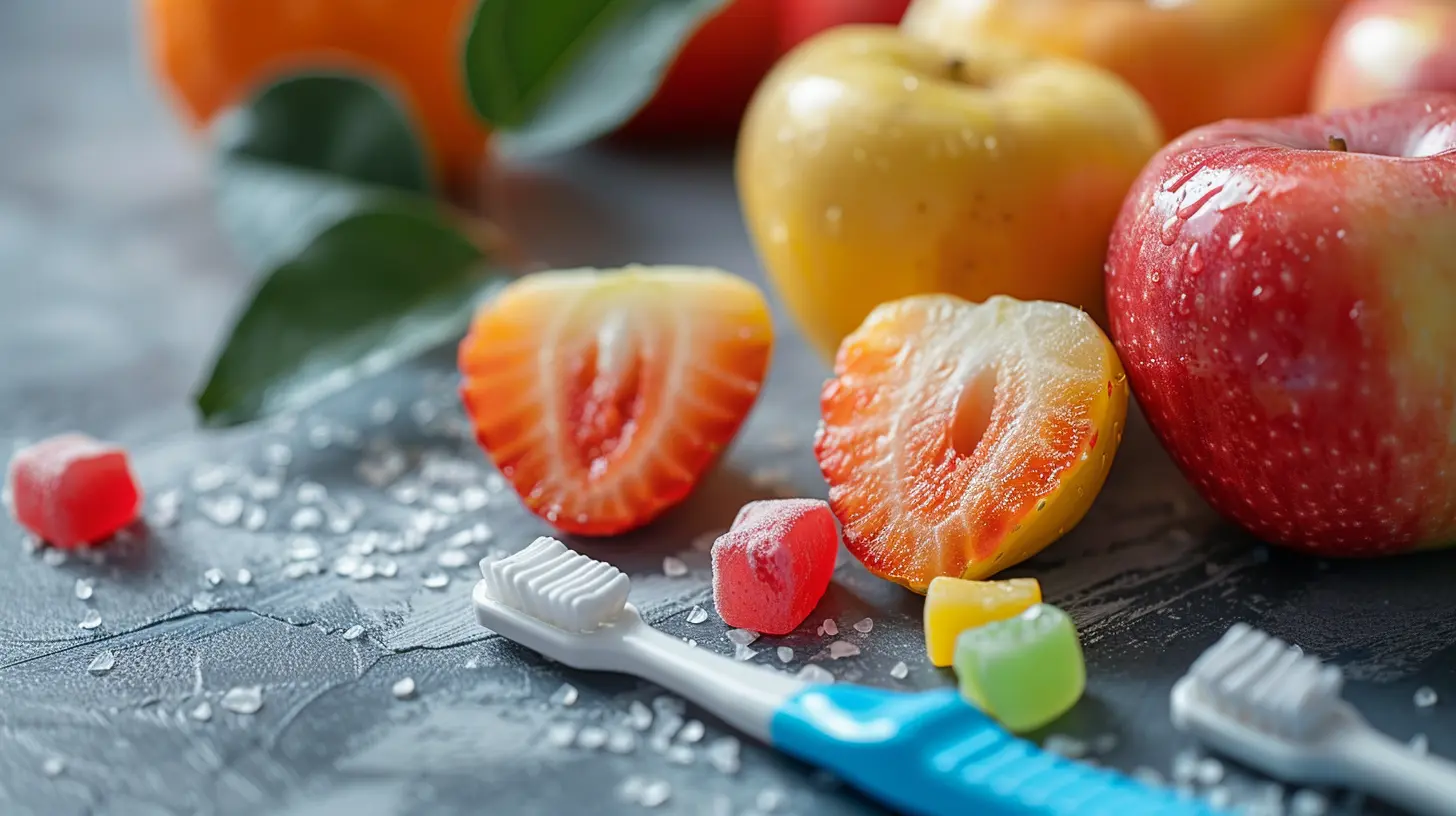
#2. Flossing: The Unsung Hero
Flossing is like the sidekick in a superhero movie—often overlooked but absolutely essential. It gets between your teeth where your brush can’t reach, removing food bits and plaque that lead to—you guessed it—cavities.Tip:
Hate flossing? Try floss picks or a water flosser. You’ll be amazed at how much gunk hides in those tiny crevices. Seriously—it’s low-key satisfying.
#3. Mouthwash: A Quick Rinse With Big Benefits
Mouthwash isn’t just for fresh breath (although minty-fresh vibes are always welcome). An antimicrobial or fluoride mouthwash can help zap bacteria and strengthen your enamel.Look for:
- Fluoride Mouthwash: Helps strengthen that outer armor on your teeth.- Alcohol-Free Options: Kinder to your gums and less drying on your mouth.
A quick 30-second swish can make a big difference. It’s like your mouth’s final rinse cycle.
#4. Cut Down on Sugar (Sorry, Sweet Tooth)
Ah, sugar—the ultimate cavity culprit. Bacteria in your mouth feed on sugars and create acid, which gnaws away at your enamel like little tooth termites.Easy Wins to Reduce Sugar:
- Swap soda for sparkling water or plain water.- Choose snacks like nuts, cheese, or crunchy veggies.
- Save sweets for mealtimes—you’ve got more saliva to help wash them away.
No need to go full sugar-monster detox. Just be mindful and strategic about your sweet habits.
#5. Stay Hydrated (Water Is Your Mouth’s BFF)
Water is like a dental superhero in disguise. It rinses away food particles, keeps your saliva flowing, and neutralizes acids. Dry mouth? That’s a breeding ground for tooth decay.Sip Tip:
Keep a water bottle handy throughout the day. Especially after meals, give your mouth a little rinse with water to push away cavity-causing troublemakers.#6. Visit Your Dentist Regularly (Yes, Even If You “Feel Fine”)
Dentists don’t just poke around with scary tools—they’re your frontline defense against cavities. A cleaning can remove hardened plaque (tartar), and a quick check-up can catch early signs of decay before they become costly or painful.How Often?
Every six months is a good rule of thumb, but your dentist might suggest more or less depending on your dental history.Pro-tip: If the dental chair makes you nervous, tell your dentist! They’re surprisingly good at calming nerves.
#7. Chew Sugar-Free Gum (Seriously!)
Gum? Yes, gum! Chewing sugar-free gum (especially the kind with xylitol) boosts saliva flow. And more saliva = fewer cavities. It’s like giving your mouth a refreshing car wash.When to Chew:
- After meals when you can’t brush.- During dry-mouth moments.
- Midday snack swaps to avoid sugary treats.
It’s a fun and sneaky way to keep things clean. Just don’t swap it for actual brushing—gum’s a helper, not a replacement.
#8. Upgrade to Fluoride Toothpaste
Fluoride is a natural mineral that helps rebuild weakened enamel. It’s not some weird chemical—it’s been dentist-approved for decades. Make sure your toothpaste is carrying this magical mineral.Bonus:
Some areas have fluoride in tap water, but if you drink bottled water or filtered water all the time, you might be missing out. Talk to your dentist—they might recommend a fluoride rinse or supplement.#9. Be Snack Smart
Constant snacking means your mouth is under attack all day long. Every bite of food gives bacteria more fuel. It’s like having a sugar IV drip attached to your teeth.Smart Snacking = Less Risk
- Choose cheese, yogurt, nuts, or veggies.- Limit frequent nibbling—give your saliva time to neutralize acids between meals.
- Avoid sticky snacks like dried fruit or chewy candies that cling to teeth like a clingy ex.
#10. Seal the Deal with Dental Sealants
Say hello to one of dentistry’s best-kept secrets—sealants. These are thin, protective coatings applied to the grooves of your back teeth (where toothbrushes struggle to reach). Kids and teens often get them, but adults can too!Why Sealants Help:
- They stop food and plaque from getting stuck in hard-to-clean spots.- They can last for years and are quick, painless, and affordable.
Ask your dentist if sealants make sense for your smile—especially if you’ve had a cavity or two in the past.
#11. Boost Your Diet with Tooth-Friendly Foods
Not all foods are created equal when it comes to your teeth. Some actually help fight cavities. Let’s give those superstar foods a moment in the spotlight:Tooth-Friendly Foods:
- Cheese: Rich in calcium and helps neutralize acid.- Leafy Greens: Full of minerals that strengthen enamel.
- Apples: Crunchy and great for natural cleaning.
- Carrots and Celery: Think of them as nature’s toothbrushes.
- Green and Black Tea: Contain antioxidants that fight bacteria.
Eating for your dental health? Now that’s some next-level self-care.
#12. Know Your Risk (And Plan Accordingly)
Everyone’s mouth is unique. Some people are naturally more prone to cavities (blame it on your genes, your diet, or the shape of your teeth). If that’s you, don’t sweat it—just be more proactive.How to Know?
- History of frequent cavities- Dry mouth issues
- Braces or dental appliances
- Diet with lots of sugar and starch
If you check any of those boxes, talk with your dentist about personalized prevention.
Final Thoughts: Small Steps, Big Rewards
Look, preventing cavities isn’t rocket science. It’s all about building a few good habits and keeping it consistent. It’s like brushing up your hygiene game—literally. Whether you’re 8 or 88, a cavity-free smile is 100% possible.Just remember: brush like a boss, floss like a ninja, snack smart, and don’t ghost your dentist. Set your teeth up for success, and they’ll thank you by sticking around—strong, shiny, and pain-free.
You only get one set. Treat ‘em right.
FAQs About Cavity Prevention
Q: Can I reverse a cavity once it starts?A: In the very early stages (like enamel demineralization), yes! With fluoride and good habits, you can sometimes stop it from getting worse. But once there’s an actual hole forming? Time to see the tooth doc.
Q: Is it true that kids get more cavities than adults?
A: Not always. Adults can totally get cavities, especially from gum recession, dry mouth, or slacking on dental routines.
Q: Do whitening toothpastes prevent cavities?
A: Not really. They’re more about surface stains. Make sure your toothpaste has fluoride for cavity-fighting power.
Q: Are cavities contagious?
A: Weird but true—yes, the bacteria that cause cavities can be passed through saliva (think sharing utensils or smooching). Time to make oral hygiene a family affair!
all images in this post were generated using AI tools
Category:
Healthy TeethAuthor:

Jackson Mahoney
Discussion
rate this article
1 comments
Gavin Roberts
Great tips! Taking small steps each day to care for your teeth can make a big difference. Remember, it's never too late to start a healthier routine. Your smile will thank you!
July 21, 2026 at 4:39 PM
Jackson Mahoney
Thanks for the kind words! Every small step counts, and I'm glad you found the tips helpful. Here's to healthier smiles!