Stress Relief Through Minimalism: Simplifying Your Life for Inner Peace
27 May 2026
Let’s talk about something we all deal with: stress. It creeps in during your morning commute, lingers after reading endless emails, and makes itself at home in your overcrowded closets and jam-packed schedules. We’ve all been there. Life gets messy, loud, and just plain overwhelming.
Now, imagine waking up in a calm, clutter-free home where everything has a purpose. Imagine having a schedule that gives you time to breathe. Imagine feeling like you’re in control—not the other way around.
That’s where minimalism steps in. And no, it’s not about living in an empty house with white walls and one fork (unless that’s your vibe). It’s about cutting out the nonessentials so you can focus on what truly matters. Ready to take a deep breath and lighten the mental and physical load? Let’s dive into how stress relief through minimalism can totally change your life.
What Is Minimalism, Really?
When most people hear “minimalism,” they think of almost-empty rooms and capsule wardrobes. But it's so much deeper than just tossing stuff out. Minimalism is a mindset—a lifestyle shift.It’s about intentionally choosing less so you can experience more.
More peace.
More time.
More clarity.
More freedom.
Minimalism isn’t about deprivation—it’s about liberation. It’s a way to reclaim your time, sanity, and space by stripping away the things that don’t really serve you.
Sound good so far? Let’s look at why minimalism and stress relief go hand in hand.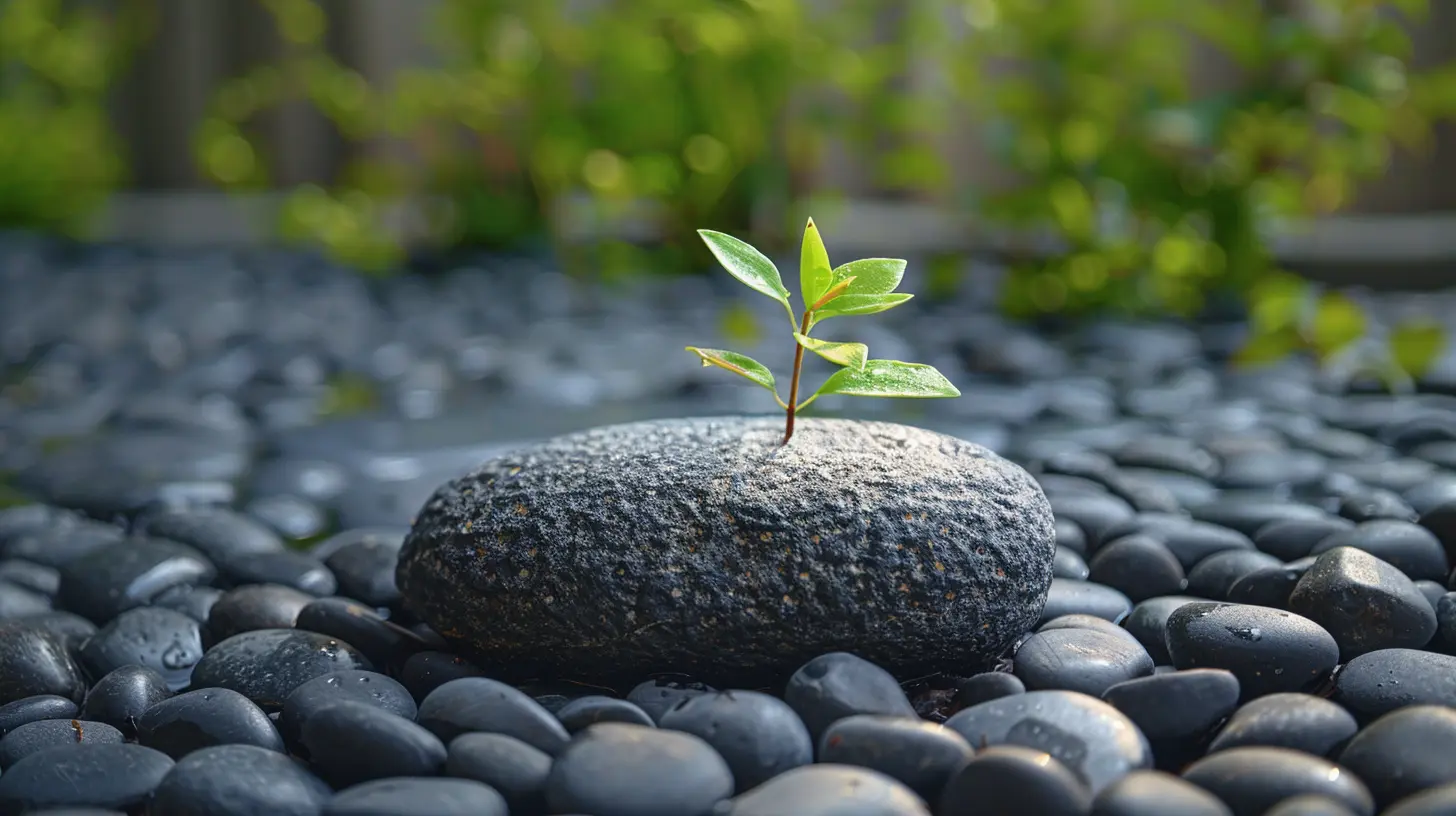
Why Clutter = Stress
Here’s the deal: clutter isn’t just physical—it’s mental too. When your environment is chaotic, your mind tends to mirror it.Studies have shown that cluttered spaces can increase levels of the stress hormone cortisol. Ever notice how your heart rate spikes when you walk into a messy room? Or how you feel low-key anxious when your to-do list is as long as your arm?
That’s not just in your head (well, it is... but you know what I mean).
Clutter:
- Competes for your attention
- Lowers your productivity
- Makes it harder to relax
- Constantly reminds you of tasks you haven’t done
Minimalism clears out that noise—literally and metaphorically.
The Benefits of Minimalism for Your Mental Health
Okay, so we’ve agreed clutter = stress. But what does minimalism give you in return? Oh, just a bunch of life-changing perks like...1. Mental Clarity
When your surroundings are calm and intentional, your brain doesn’t have to work overtime. Simplifying your environment can actually improve your focus and decision-making. Goodbye, brain fog.2. Less Anxiety
Minimalism reduces decision fatigue and that "always-behind" feeling. When you own fewer things and have fewer commitments, you’re not constantly juggling or second-guessing.3. Better Sleep
A clean, minimal bedroom helps signal to your brain that it’s time to wind down. No unfinished projects staring at you from the nightstand. Just peace.4. More Freedom
You’re not tied down by stuff. You’re not constantly fixing, cleaning, organizing, and replacing things. You gain back your time—and with that, your life.5. Increased Gratitude
When you reduce excess and focus on what really matters, you naturally start appreciating what you already have. That shift in mindset alone is powerful.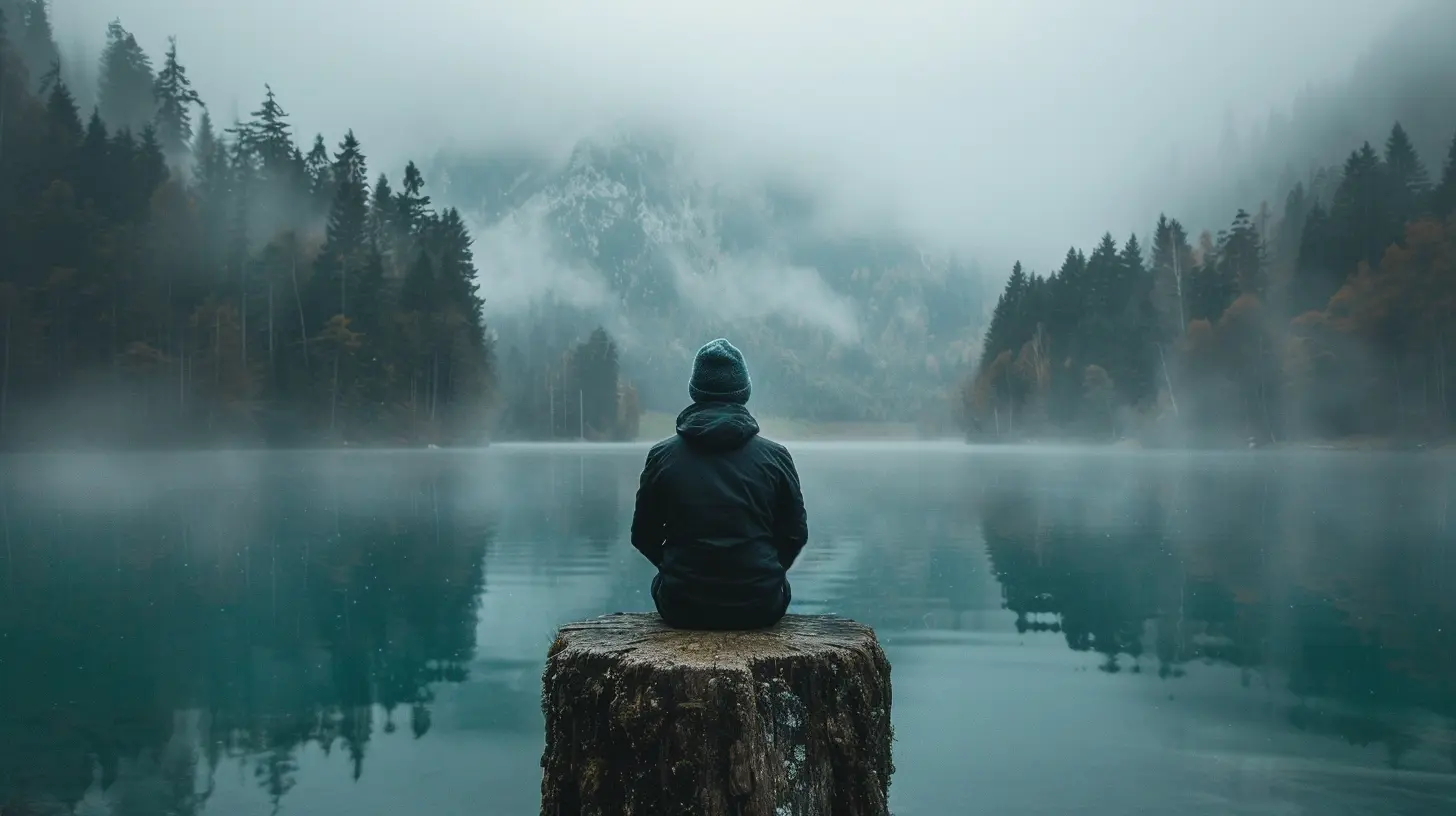
How to Start Simplifying Your Life (Without Losing Your Mind)
Let’s be real—you can’t declutter all of life in a single weekend. But you can start small. Minimalism is a journey, not a sprint.Here’s how to ease into it without overwhelm:
1. Start With One Area
Don’t Marie Kondo your entire house at once. Pick one room, one corner, or even one drawer. Clear it out. Be ruthless. Keep only what you truly use or love.Ask yourself: “If I had to move tomorrow, would this come with me?”
If the answer is no, let it go.
2. Create Space in Your Schedule
Minimalism isn’t just about stuff. Look at your calendar. Are you saying “yes” to too much? Do you have time for yourself?Try saying “no” more often. Set boundaries. Block out free time—and treat it like a sacred appointment.
3. Digitally Declutter
Your phone, email inbox, and social media are major sources of mental clutter.Unsubscribe from emails you don’t read. Delete apps you haven’t used in months. Limit screen time. Replace doom-scrolling with hobbies or silence.
4. Shop Intentionally
Don’t buy on impulse. Wait 24 hours before making a purchase. Ask yourself: “Do I really need this, or am I just bored/stressed/trying to impress someone?”Buy quality over quantity. Your future self (and your wallet) will thank you.
Minimalist Mindset Shifts That Reduce Stress
Minimalism isn’t just about decluttering—it’s about how you think. Here are some mindset shifts that'll help you simplify from the inside out:1. Let Go of “Just in Case”
We all hold on to things “just in case.” That’s fear talking. Trust that you’ll handle life without hoarding backups for every worst-case scenario.2. Choose Experiences Over Things
Memories last. Stuff fades. Spend on things that create joy, not just fill space—like travel, time with loved ones, or hobbies you actually enjoy.3. Embrace “Enough”
Capitalism teaches us to want more. Minimalism reminds us that enough really is... enough. Happiness isn’t in the next purchase—it’s in peace with what you already have.Real-Life Examples: Stress Relief Through Minimalism in Action
Let’s look at a few real-world ways minimalism has helped others kick stress to the curb:Sarah’s Story: The Closet Cleanse
Sarah used to feel overwhelmed every morning just trying to get dressed. Her closet was packed, but nothing felt “right.” After downsizing to a capsule wardrobe, mornings became peaceful. She now loves everything she owns—and that reduced her decision fatigue big time.Mike’s Story: The Calendar Detox
Mike was the guy who never said no. His weeks were packed with meetings, happy hours, obligations, and zero downtime. When he started saying “no” and blocking off “do nothing” time, his anxiety and sleep issues started to vanish.Minimalism Isn’t One-Size-Fits-All
There’s no “perfect” way to be a minimalist. You get to define what simplicity looks like for you.Maybe it’s:
- Downsizing your possessions
- Reducing social obligations
- Streamlining your work systems
- Letting go of unrealistic expectations
Minimalism is personal. It’s not about being perfect—it’s about being intentional.
Tips to Stay Consistent and Avoid Falling Back Into Clutter
Minimalism is a lifestyle—not a one-time purge. Here’s how to keep the peace:1. The One-In-One-Out Rule
Every time you bring something new into your space, let something go. It’s a simple way to prevent re-cluttering.2. Do Regular “Clarity Checks”
Every month, take 30 minutes to review your space and schedule. Ask: “Is this still adding value to my life?”3. Practice Gratitude
The more you appreciate what you have, the less tempted you’ll be to chase after more.Final Thoughts: Inner Peace Starts with Outer Simplicity
Life is busy enough. But it doesn’t have to be chaotic. Minimalism won’t solve all your problems, but it’s a great place to start. Think of it like clearing out the cobwebs in your mind. With fewer distractions and a calmer environment, you’ll be amazed at how your stress begins to fade.You don’t need to live in a tiny home or give up your favorite things. Just be intentional. Simplify where you can. Protect your peace at all costs.
Because at the end of the day, more stuff = more stress. But less? Less gives you space to breathe, grow, and just... be.
It’s about living lighter. Freer. Happier.
And honestly? That sounds like exactly what we could all use right now.
all images in this post were generated using AI tools
Category:
Stress ReliefAuthor:

Jackson Mahoney
Discussion
rate this article
2 comments
Loretta Kirk
If only decluttering my closet could also declutter my mind... I'll settle for a zen garden if I can skip the vacuuming!
August 29, 2026 at 3:29 PM
Zeno Blevins
This article offers a refreshing perspective on stress relief. Embracing minimalism can indeed help simplify our lives and reduce anxiety. It encourages readers to consider what truly matters, promoting a sense of peace. However, individual journeys vary, and what works for one may not for another.
June 6, 2026 at 4:44 PM
Jackson Mahoney
Thank you for your thoughtful comment. I agree that minimalism can create a path to inner peace, but it's important to find what resonates personally for each individual.