The Connection Between Emotional Health and Hormonal Balance
20 June 2026
Introduction
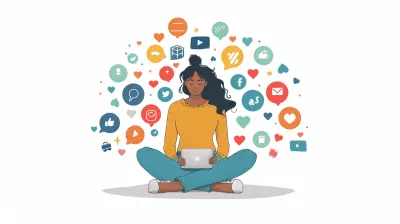
Have you ever noticed how your mood shifts at certain times of the month? Or how stress can wreak havoc on your body, leaving you feeling emotionally drained and physically exhausted? That’s because our emotional health and hormonal balance are deeply connected.
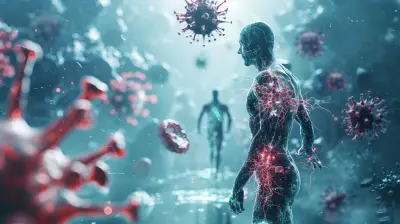
Hormones influence everything—from our mood and energy levels to sleep and digestion. But what many people don’t realize is that our emotions play a major role in regulating these hormones. When we’re stressed, anxious, or overwhelmed, our body responds in ways that can throw our hormones completely out of whack.
In this article, we’ll dive deep into how emotional health affects hormonal balance, why it matters, and what you can do to support both for a healthier, happier life.
What Are Hormones and Why Do They Matter?
Hormones are chemical messengers that help regulate almost every function in your body. They’re produced by glands in the endocrine system and travel through the bloodstream to control things like metabolism, mood, reproductive health, and immune function.Some key hormones tied to emotional health include:
- Cortisol – The stress hormone, responsible for your fight-or-flight response.
- Serotonin – The "feel-good" hormone, linked to happiness and well-being.
- Dopamine – The reward and pleasure hormone.
- Estrogen & Progesterone – The female hormones that impact mood, energy, and reproductive health.
- Testosterone – Important for both men and women, linked to confidence, motivation, and libido.
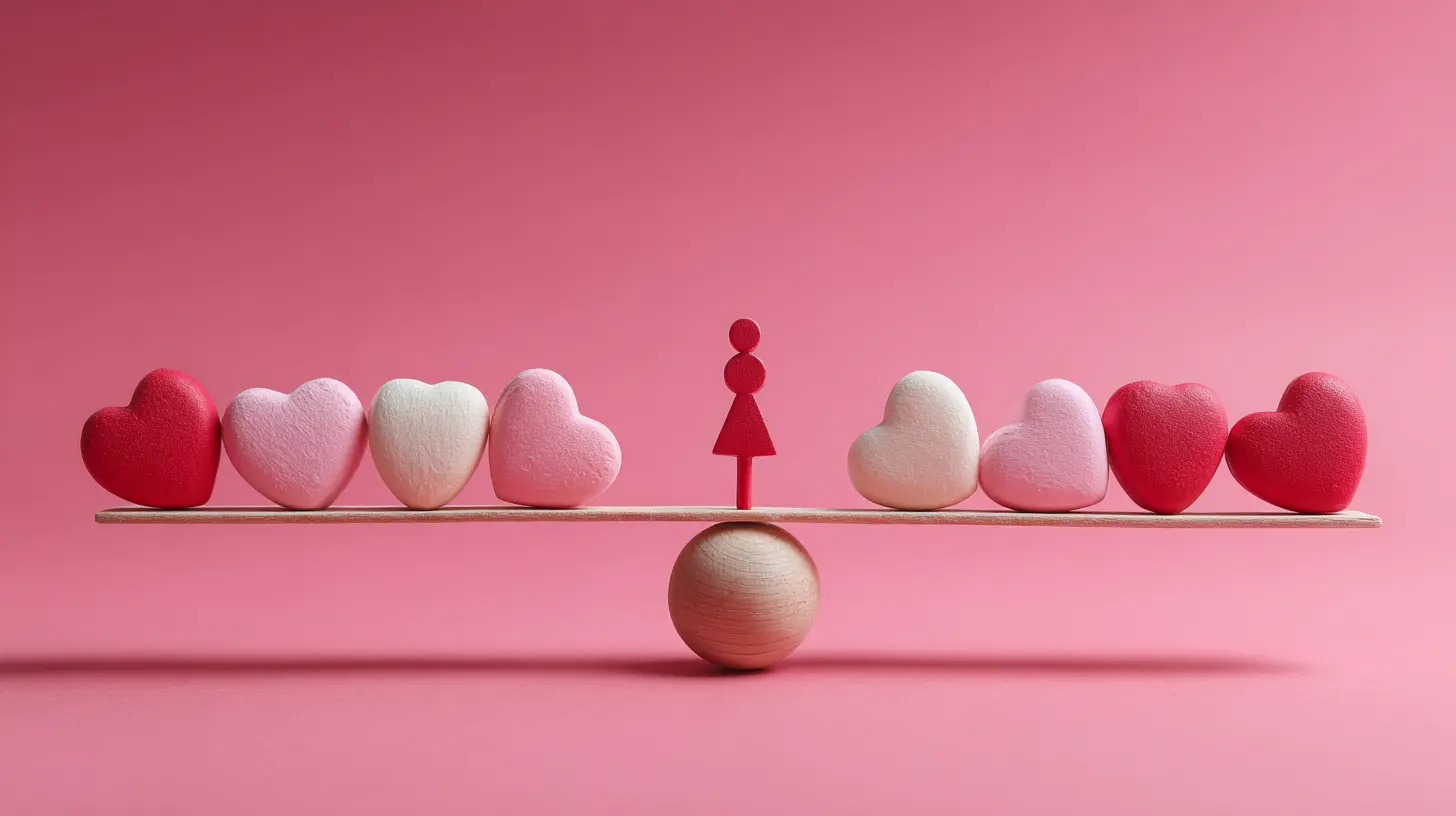
When these hormones are in balance, you feel great—energized, calm, and emotionally stable. But when they’re out of sync? That’s when the trouble starts.

How Emotional Health Affects Hormonal Balance
1. Stress and Cortisol Overload
Ever had a stressful day and felt exhausted, irritable, or even nauseous? That’s cortisol at work. While short-term stress is natural and even helpful, chronic stress can be a nightmare for your hormones.When you're constantly stressed, your body pumps out high levels of cortisol. Over time, this can:
- Disrupt sleep patterns
- Lead to weight gain (especially around the belly)
- Weaken your immune system
- Cause mood swings and anxiety
2. Anxiety and Its Impact on Serotonin & Dopamine
If you’ve ever struggled with anxiety or depression, you may already know that serotonin and dopamine play a crucial role in your mood. These hormones help you feel happy, motivated, and emotionally stable.When you're under emotional distress for long periods, serotonin and dopamine levels can drop. This often leads to:
- Increased feelings of sadness and irritability
- Lack of motivation or pleasure in daily activities
- Insomnia or poor sleep quality
3. Emotional Health and Reproductive Hormones
For women, emotional health can greatly influence estrogen and progesterone levels. Chronic stress or emotional turmoil can lead to:- Irregular periods
- PMS symptoms like mood swings and bloating
- Decreased libido
- Fertility issues
Men aren’t off the hook either. Emotional health affects testosterone levels, which can impact:
- Confidence and motivation
- Sexual health and libido
- Energy levels and muscle mass
4. The Gut-Brain-Hormone Connection
Your gut health is tightly linked to both emotional well-being and hormonal balance. In fact, around 90% of serotonin is produced in the gut!When gut health is compromised due to stress, unhealthy eating, or lack of sleep, it can trigger hormonal imbalances and mood disorders. Signs of a gut-hormone imbalance include:
- Digestive issues like bloating or constipation
- Sudden mood swings or anxiety
- Skin problems like acne or eczema
Signs Your Hormones Are Out of Balance
If you’ve been dealing with mood swings, unexplained weight gain, or constant fatigue, your hormones might be to blame. Some common signs of hormonal imbalance include:- Chronic stress and irritability
- Frequent headaches or migraines
- Sudden weight changes
- Trouble sleeping or restless nights
- Low energy or constant fatigue
- Irregular menstrual cycles (for women)
- Low libido or sexual dysfunction
How to Support Emotional Health and Hormonal Balance
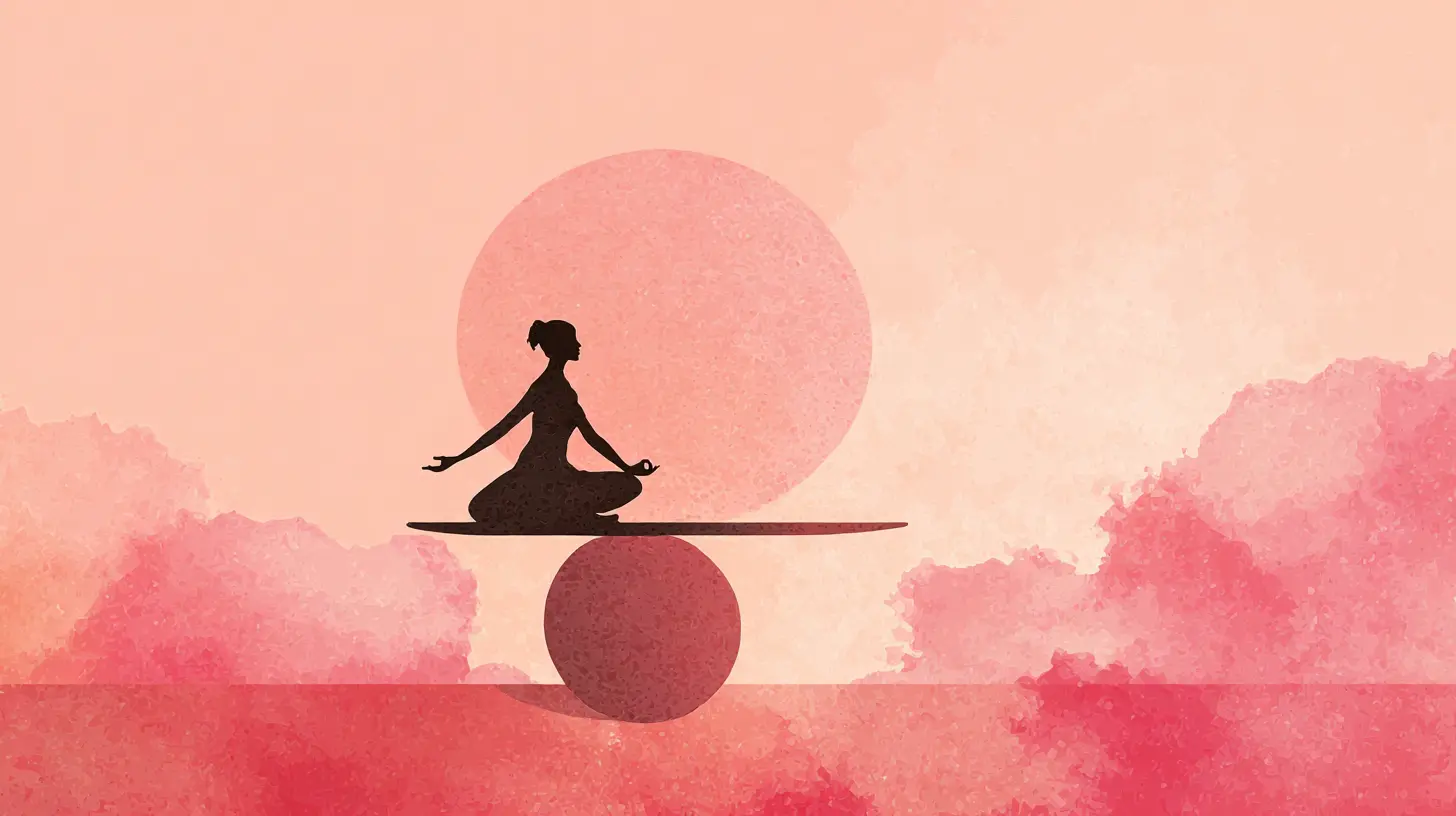
The good news? There are natural ways to keep your emotions and hormones in harmony. Here’s what you can do:1. Manage Stress Like a Pro
Stress is one of the biggest disruptors of hormonal balance. Try these stress-busting techniques:- Deep breathing & meditation – Just 10 minutes a day can lower cortisol levels.
- Journaling – Writing down your thoughts can help process emotions and reduce anxiety.
- Spending time in nature – Fresh air and sunshine work wonders for mental health.
2. Get Enough Sleep
Your body repairs itself while you sleep, and lack of rest can throw your hormones into chaos. Aim for 7-9 hours of quality sleep per night.- Keep a bedtime routine (no screens an hour before bed).
- Sleep in a cool, dark room.
- Try magnesium or herbal teas to promote relaxation.
3. Eat for Hormonal Balance
Your diet plays a huge role in regulating hormones. Focus on:- Healthy fats – Avocados, nuts, and olive oil support hormone production.
- Protein – Helps maintain energy and stabilize blood sugar.
- Fiber-rich foods – Support gut health and hormone detoxification.
- Fermented foods – Yogurt, kimchi, and sauerkraut promote good gut bacteria.
4. Exercise Smartly
Moderate exercise is great for emotional health and hormone balance, but over-exercising can increase cortisol levels. Aim for a mix of strength training, cardio, and relaxation exercises like yoga.5. Take Care of Your Gut
Since your gut influences your hormone levels, keeping it healthy is key. Drinking plenty of water, eating probiotic-rich foods, and avoiding processed junk can make a huge difference.6. Hormone-Supporting Supplements
Sometimes, we need an extra boost. A few natural supplements that may help with emotional and hormonal balance include:- Ashwagandha – Helps lower stress and cortisol.
- Magnesium – Supports relaxation and better sleep.
- Omega-3s – Great for mood stability and hormone health.
- Vitamin D – Helps manage mood and hormone production.
Conclusion
Your emotional health and hormonal balance are like dance partners—when one stumbles, the other follows. Chronic stress, anxiety, poor sleep, and unhealthy habits can send your hormones into chaos, leading to mood swings, fatigue, and even long-term health issues.The good news? By making small changes—like managing stress, eating nourishing foods, getting enough sleep, and taking care of your gut—you can bring both your emotions and hormones back into balance.
It’s all about finding what works for your body and mind. So, start small, listen to your body, and take care of yourself—you deserve it!
all images in this post were generated using AI tools
Category:
Womens HealthAuthor:

Jackson Mahoney
Discussion
rate this article
1 comments
Sophia Wallace
Emotions weave an unseen thread through our hormonal landscape. A moment of joy or anxiety can tilt the balance. What if our feelings hold the key to deeper health secrets? Discover how your emotional state might be more influential than you think...
June 21, 2026 at 4:56 AM
Jackson Mahoney
You raise a compelling point. Emotions truly play a crucial role in our hormonal balance, and understanding this connection can lead to better overall health. Exploring these links is essential for a holistic approach to well-being.