The Connection Between Gut Health and Happiness
28 November 2026
Most people treat the gut as a digestion machine and the brain as the seat of mood, and they assume the two run on separate tracks. That assumption is outdated. The gut and the brain are in constant conversation through a network of nerves, hormones, immune signals, and microbial byproducts. What happens in your intestines can shape how you feel, and how you feel can shape what happens in your intestines. This bidirectional relationship is the core of why gut health and happiness are linked, and understanding it well enough to act on is more useful than any single supplement or diet trend.
This article explains the biology behind the connection, separates what is well established from what is still speculative, and gives practical guidance on what to do, what to avoid, and how to think about the trade-offs. It is written for people who want real understanding rather than a list of miracle foods.
The Gut-Brain Axis in Plain Terms
The gut-brain axis is the communication system connecting your gastrointestinal tract with your central nervous system. It runs in both directions, and that detail matters more than most popular explanations admit.Three channels carry most of the traffic:
The vagus nerve. This large nerve runs from the brainstem to the gut and transmits signals upward as well as downward. Roughly speaking, the majority of its fibers carry information from the gut toward the brain rather than the other way around. This is one reason the gut is sometimes described as a sensory organ that reports on the body's internal state. When gut function is disturbed, the brain receives altered input, and that input can influence mood, stress reactivity, and even pain perception.
The immune system. A large share of the body's immune tissue sits in and around the gut. The gut lining is constantly sampling what passes through and deciding whether to tolerate it or react. Chronic low-grade inflammation, which can originate in the gut, is associated with symptoms of low mood, fatigue, and social withdrawal. This is not the same as saying inflammation causes depression, but the association is consistent enough to take seriously.
Microbial metabolites. Gut bacteria ferment fiber and produce short-chain fatty acids, modify bile acids, and influence the metabolism of amino acids. Some of these compounds enter the bloodstream and can affect the brain indirectly, including through effects on the immune system and the integrity of the blood-brain barrier. The gut also produces a large share of the body's serotonin, though it is important to be precise here: gut serotonin mostly acts locally in the gut and does not simply travel to the brain to lift mood. The relationship is more indirect than headlines suggest.
The practical takeaway is that the gut-brain axis is real and well documented, but it is not a single wire you can unplug. It is a system with feedback loops, which is why simple fixes rarely produce dramatic results.
Why the Microbiome Matters, and Where the Hype Goes Too Far
The gut microbiome is the community of bacteria, fungi, viruses, and other microorganisms living in your digestive tract. Its composition varies enormously between people, and it changes over time with diet, medication, illness, stress, and environment.What the research supports reasonably well:
- Diversity of the microbiome is generally associated with better health outcomes.
- Diet is one of the strongest levers for changing microbiome composition in the short and medium term.
- Certain bacterial groups produce metabolites that interact with the immune and nervous systems.
- Antibiotic use disrupts the microbiome, sometimes for months, and the effects vary by person and by antibiotic.
What is often overstated:
- Specific bacterial strains are rarely proven to reliably improve mood in the general population. Probiotic research is promising but inconsistent, with effects that depend on the strain, dose, and the person.
- Microbiome testing marketed directly to consumers often produces results that are hard to interpret and not clearly actionable. The science of translating a stool test into a personalized plan is still immature.
- "Leaky gut" is a real physiological concept at the level of intestinal permeability, but it is frequently invoked to explain conditions for which the evidence is thin, and it is used to sell products of dubious value.
A balanced view is that the microbiome is one important contributor among many. It is worth tending to, but it is not the master switch that some marketing implies.
How Gut Health Influences Mood: The Mechanisms That Matter
Rather than listing every proposed pathway, it helps to focus on the ones with the most practical relevance.Inflammation as a bridge
When the gut lining is irritated or the microbial balance shifts toward pro-inflammatory patterns, immune signaling can rise. This low-grade inflammation is associated with fatigue, reduced motivation, and changes in mood. It is also why some people notice mood improvements when they address a longstanding digestive problem, and why others notice mood dips during flares of conditions like inflammatory bowel disease. The connection is most visible in people with active gut inflammation, and it is subtler in people without diagnosed disease.Stress and the gut, in both directions
Psychological stress changes gut motility, alters secretions, and can shift the microbiome. It also increases visceral sensitivity, meaning the same gut signal feels more intense when you are stressed. This is why anxiety often worsens digestive symptoms, and why digestive discomfort often worsens anxiety. The loop is genuine, and breaking it from either end can help. This is one of the most actionable insights in the whole field: you do not have to fix the gut first to feel better, and you do not have to fix your mental state first to improve digestion.The role of the vagus nerve and interoception
Interoception is your sense of your body's internal state. People with poor interoception may miss early signals of hunger, fullness, or stress. People with heightened interoception may feel normal gut activity as discomfort. Both patterns can affect mood and eating behavior. Practices that improve body awareness, such as mindful eating, can help recalibrate this sense without requiring any supplement.Neurotransmitter production, with caveats
The gut is involved in producing and regulating several neurotransmitters and their precursors. However, the idea that eating a particular food directly boosts brain serotonin is an oversimplification. What matters more is supporting the conditions under which the body can regulate these systems: adequate protein intake, sufficient micronutrients, stable blood sugar, and a functioning gut barrier.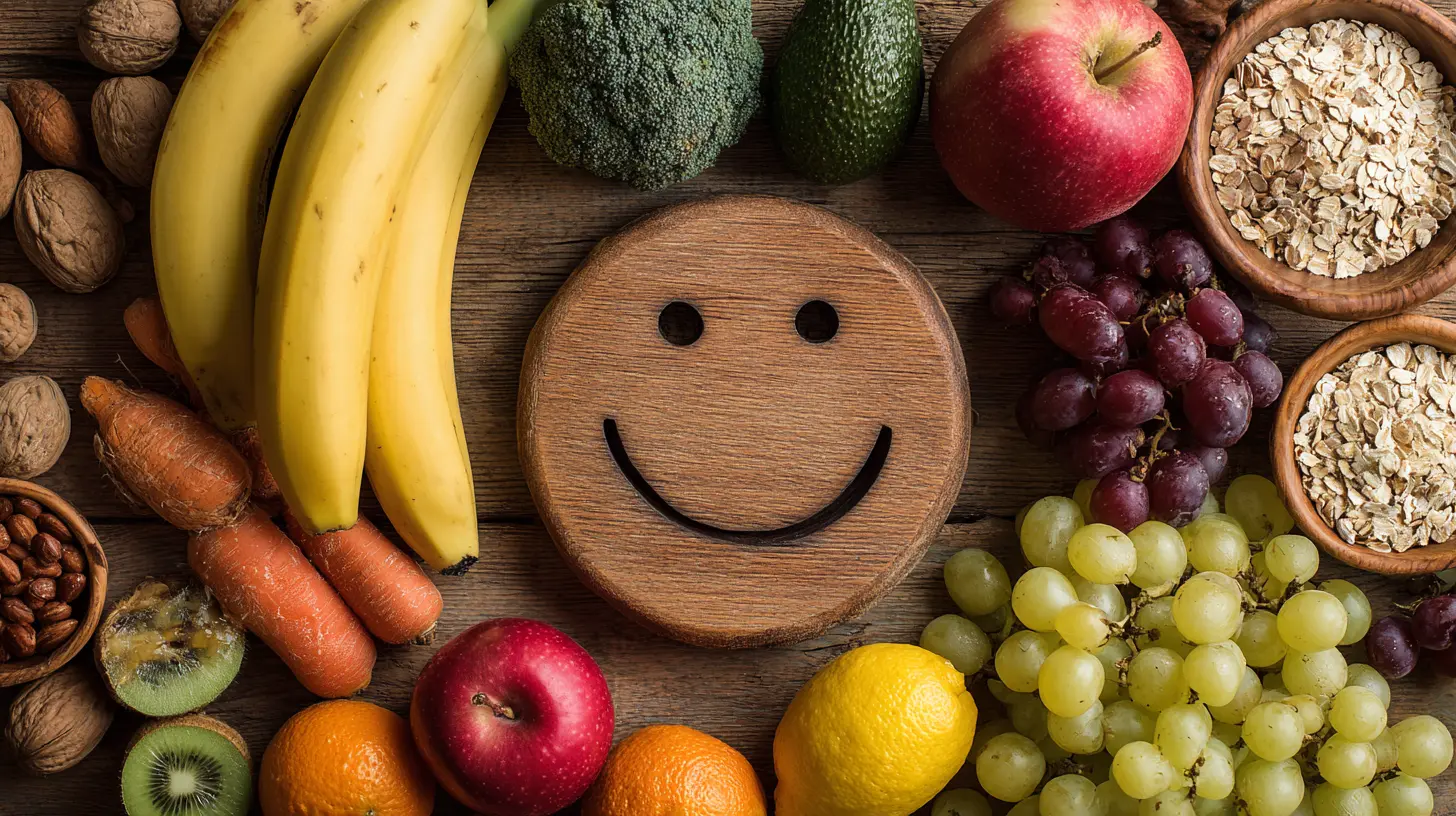
What Actually Works: Practical Priorities
Advice in this area tends to swing between "eat more fiber" and "take this probiotic." The useful approach is to think in layers, starting with the foundations that have the broadest effects.1. Build diet diversity before chasing specific superfoods
The single most reliable dietary lever for gut health is variety, especially variety in plant foods. Different fibers feed different bacteria. If you eat the same five foods every week, your microbiome has limited raw material to work with.A practical target that many clinicians suggest is aiming for a wide range of plant foods across the week, counting vegetables, fruits, whole grains, legumes, nuts, seeds, and herbs. You do not need to count precisely. The point is to rotate and expand rather than optimize a single item.
Why this works: fermentable fibers are the primary fuel for many beneficial bacteria, and different fibers are fermented by different organisms. Diversity in fuel supports diversity in the community.
Trade-off: increasing fiber quickly can cause bloating and gas, especially in people with irritable bowel syndrome or a sensitive gut. The fix is gradual increases over weeks, not a sudden jump, and paying attention to which fibers suit you.
2. Treat fermented foods as one tool, not a cure
Fermented foods such as yogurt with live cultures, kefir, sauerkraut, kimchi, and tempeh can support gut health and are a reasonable addition for many people. Some small trials have found benefits for inflammatory markers and microbiome diversity, but results vary and the field is young.When fermented foods help: they provide live microorganisms and fermentation byproducts, and they are often a pleasant way to add variety. When they may not: people with histamine sensitivity sometimes react to certain fermented foods, and those with compromised immune systems should consult a clinician before adding unpasteurized fermented products.
Common mistake: assuming a fermented food is a substitute for fiber diversity. It is not. Fermented foods and fiber work on different parts of the system.
3. Use probiotics with realistic expectations
Probiotics are specific strains in specific doses, and their effects are strain-specific. A probiotic that helps with antibiotic-associated diarrhea is not the same as one studied for mood, and neither is guaranteed to work for you.Before buying: check whether the product names the strain and the dose, whether there is evidence for that strain for your specific goal, and whether the product has quality testing. If a label lists only a genus and species with no strain designation, the evidence base is weaker.
When to consider them: after a course of antibiotics, during periods of digestive disruption, or under guidance for a specific condition. When to skip them: as a general mood enhancer without other changes, or as a replacement for diet and sleep fundamentals.
4. Protect sleep and manage stress, because the gut feels both
Sleep disruption changes gut motility, increases stress hormones, and alters food choices. Chronic stress does the same. If you are working on gut health but sleeping five hours a night and running on adrenaline, you are fighting a losing battle.Practical steps that have outsized effects: a consistent sleep and wake time, daylight exposure in the morning, and brief stress-reduction practices that you will actually do. Ten minutes of slow breathing daily is unglamorous but more sustainable than an ambitious routine you abandon in a week.
5. Move your body, but do not overdo it
Moderate exercise is associated with a more diverse microbiome and better mood. Extreme endurance training, especially with inadequate fueling, can increase gut permeability and cause digestive distress. The dose matters. For most people, regular moderate activity is the sweet spot.6. Be cautious with elimination diets
Elimination diets can be genuinely helpful for identifying triggers in conditions like irritable bowel syndrome or food intolerance. They can also shrink diet diversity, create nutritional gaps, and reinforce anxiety around food if used indiscriminately or for too long.Before starting one: define what you are testing, set a time limit, and plan how you will reintroduce foods. A structured low-FODMAP protocol, for example, is meant to be temporary and followed by reintroduction, not lived on permanently. If you have a history of disordered eating, approach elimination diets with professional support.
Common Misconceptions Worth Correcting
"You can fix depression with diet alone." Diet and gut health can support mood, but depression is a complex condition. For moderate to severe symptoms, evidence-based treatment such as therapy or medication should not be delayed in favor of dietary experimentation. Gut-focused strategies work best as complements, not replacements."A stool test will tell you exactly what to eat." Current tests can describe your microbiome, but the science of turning that description into a reliable personalized diet is still developing. Tests can be informative in research or clinical contexts, but consumer tests often promise more than they can deliver.
"Gluten is the root of all gut problems." Celiac disease is a serious autoimmune condition requiring strict gluten avoidance. Non-celiac gluten sensitivity is real for some people but is diagnosed by exclusion and is less common than internet discussion suggests. Blaming gluten before ruling out other causes can delay proper care.
"More fiber is always better." Fiber is beneficial in the right form and amount for the right person. For someone with a stricture, severe constipation, or certain IBS patterns, the wrong type or amount can worsen symptoms. Context matters.
"Probiotics are harmless, so take them freely." Generally safe for healthy people, but they are not without risk in critically ill patients or those with compromised immunity. They also cost money and can distract from the fundamentals.
When to See a Professional
Symptoms that warrant medical attention rather than self-experimentation include unintentional weight loss, blood in the stool, persistent vomiting, severe or worsening abdominal pain, symptoms that wake you at night, new digestive symptoms after age 50, and any symptom pattern that is disabling or rapidly progressing. These can signal conditions that need diagnosis and treatment, and no amount of fermented food substitutes for that.For persistent digestive symptoms without red flags, a gastroenterologist or a registered dietitian with digestive health experience can help. For mood symptoms that interfere with daily life, a mental health professional is the right resource. The two can work in parallel, and increasingly, clinicians recognize the value of addressing both.
A Realistic Framework for Putting This Together
Rather than a rigid protocol, think in terms of a sequence:Start with sleep, stress management, and gradual dietary diversity. These have broad effects and low risk. Add fermented foods and consider a probiotic only if there is a specific reason. Address specific symptoms with structured, time-limited approaches and professional guidance when needed. Track how you feel over weeks, not days, because the systems involved move slowly.
Expect nonlinear progress. Gut symptoms and mood both fluctuate, and a bad week does not mean the approach failed. The goal is a trend, not perfection.
And keep perspective: gut health is one contributor to happiness, not the source of it. Relationships, purpose, movement, sleep, and meaning matter too, and they interact with the gut rather than competing with it. The most useful mindset is curiosity plus patience, with a willingness to adjust based on your own response rather than someone else's protocol.
all images in this post were generated using AI tools
Category:
Mood Boosting FoodsAuthor:

Jackson Mahoney